

A resource for those seeking information on organizing and transforming spaces.

Making the Right Housing Choice for Your Retirement Years
Investing in a retirement home is an important decision that will affect your lifestyle, financial security, and peace of mind. While you may be searching for ways to stay in your current location or seeking other opportunities, there are several factors that will influence your decision-making process.
We partnered with a real estate company for this post. The opinions in the post are honest. All reviews and opinions expressed in this post are based on our personal views. We are excited because we know you will love it.
Investing in a retirement home is an important decision that will affect your lifestyle, financial security, and peace of mind. While you may be searching for ways to stay in your current location or seeking other opportunities, there are several factors that will influence your decision-making process.
Keep reading as this article will explore all you need to know, from factors to consider to pros and cons if you choose to rent or buy a property for retirement.
Factors to Consider When Choosing Your Retirement Home
Where you choose to live in retirement is crucial for your everyday experiences and overall long-term happiness. The following five items will assist you in evaluating prospective living locations and finding a place that best suits your needs.
1. Location and Proximity to Essentials
Consider how far away things that matter to you (family, hospitals, grocery stores, etc.) As we grow older, being near good quality health care is becoming a bigger factor than ever before.
Being able to get around without having to be concerned about getting from point "a" to point "b," and staying in touch with those who provide you emotional support are two big advantages of a conveniently located area.
2. Affordability and Ongoing Costs
Look at all the costs related to the house (or condo) you buy (and rent), as well as any costs for repairs and maintenance. As a homeowner, working with an Arlington property manager gives you access to trusted contractors and cost-effective repairs. With a property manager’s proactive help, you can be ahead of repair costs and other important factors, allowing you to plan early.
3. Maintenance Responsibilities
Be honest with yourself about how much work you are willing to do. With homeownership comes lawn care, leaky faucet fixes, and repairs. When renting, you have passed this responsibility to a landlord.
If you decide to buy, an Arlington property manager can assist with coordinating the maintenance of your home, allowing you to enjoy your new home without having to perform the physical labor to fix it yourself.
4. Accessibility and Aging in Place
Think about whether your house will work for you long-term. Consider a one-level design and include features such as wider doorways, no steps to enter, and bathroom designs that feature grab bars.
By planning, you can ensure you remain as comfortable as possible regardless of your future mobility limitations. It is also less expensive to plan ahead and make smart choices when purchasing a home versus the cost of retrofitting after you move into a new home.
5. Lifestyle and Community Fit
Your retirement home is a place where you can pursue your desired way of life. What type of neighborhood do you envision? Quiet suburban neighborhood? Walkable urban neighborhood? An active community with many opportunities to engage in hobbies and social events?
Your location will have an impact on your overall quality of life and daily experiences. Take time to visit the neighborhoods at different hours of the day to really experience the energy of the area.
Rent or Buy in Retirement: Pros and Cons Explained

Buying a home versus renting has financial implications for you in retirement. However, each choice provides different freedoms and a sense of peace in terms of your evolving lifestyle.
Here are the pros and cons of renting or buying a retirement home:
Pros and Cons of Buying in Retirement
Pros
Housing costs are fixed if you have a fixed-rate mortgage or have paid for your mortgage.
You can build equity and wealth from the value appreciation of your property.
You may receive tax deductions on your mortgage interest and property taxes.
You will have the ability to make modifications to your home as you see fit.
You will feel secure and at ease in your own surroundings and community.
Cons
Maintenance & repairs will be your responsibility.
Insurance & property taxes can be more expensive than expected.
Your wealth will be tied up in one less liquid asset.
If you need to move, selling a home is time-consuming and costly.
As you age, physical upkeep of the property may become challenging.
Pros and Cons of Renting in Retirement
What if you choose to rent a home during retirement instead of buying? Here are the benefits and disadvantages worth considering.
Pros
Maintenance is never a headache or a financial blow because of repairs.
You have the ability to relocate freely when your needs change
Your money will always be liquid and available for other things.
You will know exactly what your housing will cost annually (except annual rent increases).
Cons
Rent can go up every year, which makes budgeting difficult when you have the right amount you are paying every month.
You will never build equity or wealth while you rent.
If you rent and do not pay your rent, the landlord may proceed with the process of eviction.
There are many restrictions placed upon renters by landlords concerning changes made to their rental units.
Renting and buying can provide two different benefits, which are based on your needs and preferences. If you value having a stable place to live with the ability to customize it as you see fit, then owning a home is likely the best option for you.
If you value having the flexibility to move at any time without being tied down to a mortgage and prefer to avoid maintenance costs, then renting is likely the best option for you.
Understanding local housing options helps an Arlington property manager advise on whether to rent or buy in retirement.
Financial Planning Tips for a Comfortable Retirement Lifestyle
Smart financial planning is important to help your retirement years be comfortable and low-stress. The following will give you some ideas on how you can connect your housing decisions with the long-term financial picture.
1. Create a Realistic Retirement Budget
Determine what your retirement income will be by listing all of your expected income sources, then calculate what you expect to spend on housing, medical care, utility bills, groceries, and other items that you may want or need.
Creating a budget for your retirement will allow you to see if the housing you plan to purchase is affordable in the long run and will not require significant cutbacks in your standard of living as you age.
2. Factor in Healthcare and Long-Term Care
Medical costs are very likely to increase as we age. Review Medicare coverage and research possible supplemental insurance options. Assess whether your current home will meet your future mobility needs or determine what modifications may be required. Preparing for these expenses today reduces potential financial burdens that may occur when your health changes in ways you do not anticipate.
3. Pay Down Debt Before Retiring
Carrying a mortgage payment, a car loan, or credit cards into retirement significantly impacts your ability to cover essential expenses from a fixed income. The best time to pay down debt is while you are employed. Paying off debt on a regular basis creates more freedom to choose where you live and less financial burden when unforeseen expenses arise.
4. Consider Downsizing Strategically
Generally, a smaller house is going to have lower monthly utilities, property taxes, and maintenance costs. When you sell your family home, it will also provide money for you to retire on by using the equity from the sale of your home. If you are planning to keep the home in question, then hiring an experienced property manager may be the way to go.
5. Build a Professional Advisory Team
Before you decide on your housing options, consult with a financial planner to run all possible scenarios. A tax professional will explain how selling versus renting out your home may impact your taxes. Reviewing local market insights from a realtor and property manager can help you avoid costly mistakes and ensure that you are maximizing your retirement resources.
Conclusion
The decision to live in a retirement home will have a lasting impact on your day-to-day life as well as your financial situation. By considering where you want to live (location), how much maintenance is involved with your home, and how much it will cost, then by making a decision regarding rent or purchasing, you will be able to make an informed decision.
If you plan to buy a house for retirement, ensure to partner with a local property manager. These professionals understand both the legal requirements and operational necessities to make the home comfortable and even profitable, if you choose to rent.

5 Signs Your Home Would Benefit From a Water Filtration System
Clean water is essential for everyday living, yet many households overlook the signs that their tap water may not be as pure as it should be. From strange tastes to hidden contaminants, water quality can affect your health, comfort, and even the longevity of your appliances.
Clean water is essential for everyday living, yet many households overlook the signs that their tap water may not be as pure as it should be. From strange tastes to hidden contaminants, water quality can affect your health, comfort, and even the longevity of your appliances.
If you’ve been questioning whether your home needs a filtration system, here are five detailed signs that suggest it’s time to make the investment.
Your Tap Water Has an Unpleasant Taste or Odor
Water should taste fresh and clean, but many homeowners notice metallic, chemical, or earthy flavors when they pour a glass from the tap. Chlorine, sulfur, or excess minerals are often responsible for these unpleasant tastes and smells. While municipal water systems treat water to meet safety standards, they don’t always remove everything that affects flavor.
Over time, this can discourage you from drinking enough water, which impacts your health. A home water filtration system can remove these impurities, giving you water that is crisp, refreshing, and enjoyable to drink.
You Notice Stains or Buildup on Fixtures and Dishes
Hard water is a common issue in many regions, and it leaves behind visible signs. White spots on glassware, chalky residue on faucets, or rust-colored stains in sinks and tubs are all indicators of mineral-heavy water. These deposits don’t just look unsightly—they can clog pipes, reduce water pressure, and shorten the lifespan of appliances like dishwashers and washing machines.
Over time, the costs of repairs and replacements add up. Installing a filtration system designed to handle hard water can reduce buildup, protect your plumbing, and keep your home looking cleaner with less effort.
Your Skin and Hair Feel Dry After Showering
If you feel that your skin feels tight or even itchy right after showering, or your hair turns dull and brittle, your water may be to blame. Hard water and chlorine strip away natural oils, leaving your body dry and uncomfortable. Even with moisturizers and conditioners, the problem often persists because the root cause is in the water itself.
By filtering out excess minerals and chemicals, a water filtration system can make showers gentler on your skin and hair. This small change can improve your daily routine, helping you feel more comfortable and confident.
You’re Concerned About Contaminants and Health Risks
Water that looks clear isn’t always safe. Contaminants such as lead from aging pipes, pesticides from agricultural runoff, or bacteria from local sources can sometimes enter household water supplies. These issues vary by region, but they can pose serious health risks if left untreated. Families with children, elderly members, or anyone with health concerns should be especially cautious.
A home water filtration system provides peace of mind by reducing harmful substances and ensuring that the water you drink and cook with is safe. It’s a proactive step toward protecting your family’s long-term health.
Your Household Relies Heavily on Tap Water
If your family drinks tap water daily, cooks with it, and uses it for making coffee, tea, or baby formula, the quality of that water becomes even more important. The more you rely on tap water, the greater your exposure to any impurities it contains.
By installing a filtration system, you’re not only improving taste and safety but also making a long-term investment in your household’s well-being. Clean water supports better hydration, healthier meals, and overall confidence in the water you use every day.
Conclusion
Water is at the heart of daily life, and its quality affects everything from your health to your home’s upkeep. Strange tastes, stains, dryness, or concerns about contaminants are all signs that your household could benefit from a water filtration system.
By addressing these issues now, you can enjoy cleaner, safer water while protecting your family and your home. Pure water isn’t just a convenience—it’s a necessity, and investing in it ensures peace of mind for years to come.
7 Warning Signs You Need Professional Pest Control Now
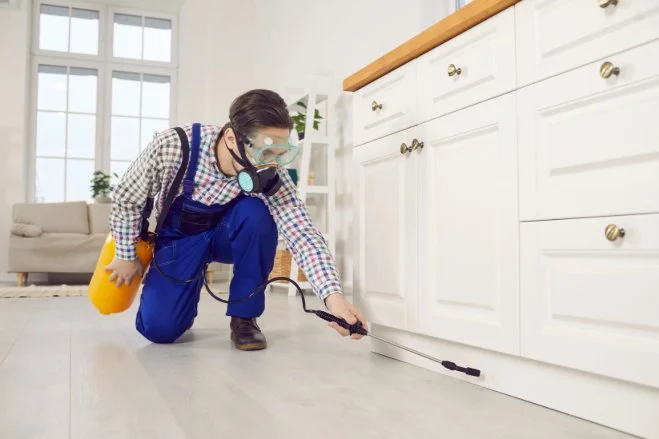
Pests are far more than a minor inconvenience in the home. Left unchecked and with enough time, they can cause serious property damage, spread dangerous diseases, and reproduce at alarming rates that turn a small problem into a full-blown infestation. That’s why the key to protecting your home and family is early detection. Recognizing the warning signs early can save you thousands in repairs and prevent health hazards. Here are the most common indicators that it's time to call in professional pest control.
Pests are far more than a minor inconvenience in the home. Left unchecked and with enough time, they can cause serious property damage, spread dangerous diseases, and reproduce at alarming rates that turn a small problem into a full-blown infestation. That’s why the key to protecting your home and family is early detection. Recognizing the warning signs early can save you thousands in repairs and prevent health hazards. Here are the most common indicators that it's time to call in professional pest control.
Visible Pests in Your Living Spaces
If you're seeing insects or rodents during daylight hours, you likely have a much larger problem hiding out of sight. Most pests are nocturnal and avoid human contact, so daytime sightings suggest their population has grown so large that they're competing for space and resources. Frequent encounters with ants, cockroaches, spiders, or rodents scurrying across your floors mean the infestation has reached a critical point. Spotting larger wildlife like bats or raccoons inside your home requires immediate professional intervention.
Droppings, Tracks, or Nesting Materials
Discovering rodent droppings in your cabinets, drawers, or along baseboards is a clear sign that pests have moved in and are actively living in your home. Look for shredded paper, torn insulation, or fabric scraps tucked away in dark corners—these are telltale nesting materials. Grease marks or tracks along walls and floors indicate regular pest pathways. These signs don't just suggest pests are visiting; they confirm they've established residence and are breeding.
Strange Noises or Odors
Pay attention to unusual sounds in your home. Scratching, scurrying, or tapping noises coming from walls, ceilings, or attics—especially at night—typically indicate rodents or other pests moving through your home's structure. Musty or ammonia-like odors are often associated with rodent urine or cockroach infestations. Any unexplained foul smell could point to hidden nests or even dead pests decomposing inside your walls, both of which pose serious health risks and require professional removal.
Property Damage or Structural Changes
Pests can wreak havoc on your home's structure and belongings. Chewed electrical wires, gnawed wood, or damaged furniture indicate rodent or termite activity. Finding holes in walls, floors, or food packaging is another red flag. More concerning are signs like sagging floors, hollow-sounding wood when tapped, or peeling paint—these often indicate termite damage that's compromising your home's structural integrity. Such damage demands immediate professional assessment before it becomes catastrophic and expensive.
Bites, Rashes, or Allergic Reactions
Waking up with unexplained bites could mean you're sharing your bed with bed bugs, fleas, or mites. These parasitic pests can cause significant discomfort and spread disease. Additionally, increased allergy symptoms like sneezing, coughing, or respiratory issues may result from exposure to pest droppings or dander. Identifying and eliminating the source quickly is crucial to preventing ongoing health problems for you and your family.
Increased Pest Activity Around the Exterior
What's happening outside your home often predicts what's coming inside. Ant mounds near your foundation, wasp nests under eaves, or termite tubes climbing your exterior walls are warnings that pests are establishing colonies dangerously close to your living space. Rodent burrows around your yard or garage indicate they're looking for ways inside. Outdoor pest activity frequently signals an impending indoor invasion.
DIY Methods Aren't Working
If you've tried store-bought traps, sprays, or baits with little to no improvement, it's time to admit defeat. Pests that return shortly after treatment or seem unaffected by your efforts indicate a deeper, more extensive problem than surface-level solutions can address. Repeated failed DIY attempts waste time and money while the infestation grows worse.
When you notice any of these warning signs, quick action is essential. Don't wait for the problem to escalate. Schedule a professional pest control inspection, such as with a company like Highland Pest Control, at the first indication of trouble. Professional treatment doesn't just eliminate current infestations—it protects your health, preserves your property value, and restores your peace of mind. Your home is your biggest investment; protect it before pests turn a minor issue into a major disaster.
What Homeowners Need to Know About Sewer System Replacement
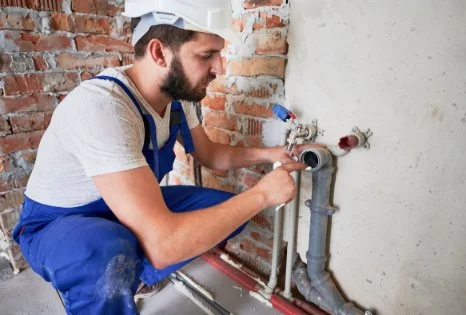
A functioning sewer system is one of the most critical components of any home, quietly carrying wastewater away from your living spaces every single day. When this system fails, the consequences extend far beyond inconvenience—sewer line problems can cause extensive property damage, create serious health hazards, and lead to expensive emergency repairs. Understanding the warning signs, replacement options, and what to expect during the process empowers homeowners to make informed decisions before a minor issue becomes a catastrophic failure.
A functioning sewer system is one of the most critical components of any home, quietly carrying wastewater away from your living spaces every single day. When this system fails, the consequences extend far beyond inconvenience—sewer line problems can cause extensive property damage, create serious health hazards, and lead to expensive emergency repairs. Understanding the warning signs, replacement options, and what to expect during the process empowers homeowners to make informed decisions before a minor issue becomes a catastrophic failure.
Understanding the Role of Your Sewer System
Your sewer line is the underground pipeline that transports all wastewater from your home to either the municipal sewer system or your septic tank. Older homes often have sewer lines made from materials like clay, cast iron, or Orangeburg pipe. These are materials that can deteriorate over time. Modern installations use durable PVC or ABS plastic designed for longevity. Unfortunately, even the best systems aren't immune to problems. Age, shifting soil conditions, and invasive tree roots are common culprits in sewer line failures, necessitating replacement after decades of service.
Signs Your Sewer System May Need Replacement
Several warning signs indicate your home’s sewer line is failing. Frequent drain clogs or slow drains throughout multiple areas of your home suggest a main line blockage. Sewage backups in bathtubs, toilets, or floor drains are serious red flags requiring immediate attention. Foul sewage odors inside or around your property signal breaks or leaks in the line. Notice unusually lush, soggy patches in your yard? This often indicates wastewater is leaking underground. Gurgling sounds from your pipes when water drains also point to ventilation or blockage issues. When these problems recur despite repairs, more serious structural damage is likely the cause.
Common Causes of Sewer Line Failure
Tree roots are one of the biggest threats to sewer lines. Seeking out moisture and nutrients, roots can penetrate tiny cracks and then expand, eventually crushing or completely blocking pipes. Older metal sewer lines face a different enemy: corrosion. Over time, the material breaks down from the inside out, creating holes and weak spots that eventually fail.
The ground itself can also cause problems. Shifting soil from natural settling, earthquakes, or nearby construction can crack pipes or push them out of proper alignment. Sometimes the issue is simply age—clay and cast iron pipes were built to last, but even they wear out after 50 to 100 years of constant use. In some cases, the original installation was flawed, with improper grading or outdated methods that led to premature failure regardless of the materials used.
From Inspection Through Completion: What to Expect
The process starts with a licensed plumber using a camera to inspect your home’s sewer line from inside. This video inspection reveals cracks, blockages, and root damage, helping determine whether you need spot repairs or full replacement. Your plumber will factor in pipe depth, length, accessibility, and permit requirements when providing your estimate.
Most replacements take one to five days. Contractors protect your property with plywood pathways and carefully preserve your landscaping where possible. They follow safety protocols like properly shoring trenches and marking underground utilities.
After installing the new line, contractors test the entire system with pressure tests and camera inspections to ensure everything works perfectly before restoring your yard.
Traditional vs. Trenchless
Homeowners typically choose between two replacement methods. Traditional excavation involves digging a trench along the entire sewer line path to remove and replace the damaged pipe. While this provides complete visibility and allows total pipe replacement, it's disruptive, time-consuming, and more expensive due to extensive landscaping restoration afterward.
Trenchless methods like pipe bursting or pipe lining offer modern alternatives. These techniques require minimal digging—usually just small access points—and can be completed much faster with significantly less landscape damage. However, trenchless solutions aren't suitable for every situation, particularly when pipes have completely collapsed or are severely misaligned. Your plumber will assess your specific circumstances to recommend the most appropriate method.
Preparing for a Sewer Line Replacement
Before work begins, clear access routes to your yard or basement. Understand local permit requirements, as most municipalities require inspections and approvals for sewer work. Discuss detailed timelines and expectations with your contractor upfront. Plan for temporary disruptions to water use during critical phases of installation, and arrange alternative bathroom facilities if necessary.
Long-Term Benefits of Replacing Your Sewer System
A new sewer line dramatically improves plumbing performance, eliminating chronic clogs and slow drains. It increases your home's value and provides buyer confidence during future sales. Most importantly, replacement reduces the risk of devastating sewage backups and emergency repairs that often occur at the worst possible times. You'll enjoy peace of mind knowing your system meets modern standards and will reliably serve your household for decades.
Addressing sewer issues at the first sign of trouble prevents small problems from escalating into expensive disasters. Schedule a professional inspection with companies like Duvall Plumbing Co - Tulsa when you notice warning signs. A properly replaced sewer system is an investment that protects your home, safeguards your family's health, and preserves your property's long-term value.

