

A resource for those seeking information on organizing and transforming spaces.

Tips for Setting Up a Productive Learning Space in Your Home
This year’s pandemic has changed many aspects of people’s lives and that includes students of various ages and their ability to attend school or work. Many have had to turn their bedrooms, basements, and or even kitchen tables into their brand new workspace. This has caused many headaches over the past few months, and with school now in full bloom, students and parents alike are still struggling with setting up the perfect remote learning space for themselves or their kids.

This year’s pandemic has changed many aspects of people’s lives and that includes students of various ages and their ability to attend school or work. Many have had to turn their bedrooms, basements, and or even kitchen tables into their brand new workspace. This has caused many headaches over the past few months, and with school now in full bloom, students and parents alike are still struggling with setting up the perfect remote learning space for themselves or their kids.
If you find yourself in this position, here are some starting points to fixing up your learning space for the time being.
Choose the right space
The first and most important step in building a productive workspace is finding the room or area that is going to be the most fruitful. The environment is everything when it comes to choosing a room, so be thinking about what kind of atmosphere you enjoy as you’re in class, doing homework, or studying.
If you are someone who needs complete silence, for example, seek out a space that will give you that serenity you need to focus (like a spare bedroom or a hideaway in the home office). On the other hand, if you need a little more background noise to keep you engaged with your work, try something a little more in the open like a small area of your family room or near the main areas of your home. Of course, there are pros and cons to any space you choose in your house, so be sure to weigh these as you make your decision.
You'll need materials to help aid your study time. Get activity books on the basics: reading, writing, and math (you'll learn more about this as you read further on). Also, look for digital and printable homeschool materials such as assessment books, reading journals, planners, and sermon notebooks for your kids. A softcopy allows multiple reprints, so you never run out of pages.
Start with deep cleaning
Once you’ve decided on what room in your house you want to claim as your work zone, it’s time to start deep cleaning. Since you may spend multiple hours, if not a whole day here, you should make sure it’s clean and avoid dust, crumbs, and any dirt. Start with deep cleaning your table or desk where you’ll spend a lot of time sitting. Dusting, cleaning with antibacterial wipes, and even vacuuming the cracks between the table and wall to get the nooks and crannies. Next, work on the floor. If you have a rug, thoroughly vacuum, especially if you’re cleaning your child’s workspace where leftover food may lie from lunchtime. If you have hardwood floors, try mopping every once in a while to avoid sticky spots in your workspace.
We understand cleaning can be a not-so-fun and time-consuming task that often gets avoided, especially for a busy student or an overwhelmed parent. However it is crucial to clean out this area for maximum productivity. This is where technology can help you out and lend a hand. For example, can’t make it to the store after a busy day of classes? Have your home cleaning supplies delivered to save some time and mental energy. Completing removing the need to go to the store to get those cleansing wipes will ease some of the pressure you may feel when trying to clean before a busy week. Struggling to schedule out when you can actually take time to clean? Use a planning app on your phone to help structure your time around your work. Using technology to help you’re cleaning efforts is something many people don’t think about, but it can truly make a difference.
Avoid distractions
Your remote learning space should be your getaway. A safe space to focus and help you block out distractions to get your work done. This means eliminating anything that may cause your mind to wander. It’s crucial to be proactive about this as well. Many people, particularly people in their teens and beyond will have TVs in their offices/spaces and this can be a huge distraction from your class or work. If you can build your setup without unnecessary technology you’ll find yourself much more focused.
Another idea to bounce around is to keep your phone away from you if possible. Find a place in your space to leave your phone while you are logging into your Zoom calls, doing homework, or need to just buckle down and focus. Many people, including kids, spend so much time on their phones and gadgets that it takes away from what they are supposed to be doing. Be mindful of leaving these things either out of the room or far away from where you’ll be sitting. Trust us.
Make it comfortable
Tying back into the idea of creating an environment in your remote learning space, it’s imperative to feel comfortable when you’re designing the look and feel. We touched on your desk setup earlier but let’s get into the furniture. Many people forget about how important chairs are to their arrangement. Make sure you are picking out a seat with proper back support and that will help you sit up straight and concentrate. Specific office chairs that are meant for posture are some of the best on the market, but any simple chair will do. Stay away from lush seats though like sofas or love chairs. These kinds of seats can make you “too comfy” and may cause you to fall asleep.
The other element of comfortability to think about is lighting. What do you prefer while you’re working or at virtual school? Do you have windows in your space that can allow for natural light? This can breathe a sense of refreshment while you’re hard at work. If not, can you add some lights yourself to add some personality and make sure it’s adequately lit? The last thing you want is to cause yourself headaches from lack of sufficient light.
Keep supplies and essentials organized
Last but not least, it’s important to keep all your day-to-day items organized properly. Start with making a checklist of essential items you use every day. For example, a laptop, notebooks, binders, etc (or for smaller kids items like markers, pencils and pens, glue sticks, etc). Next, find a place where you can stow all these items, so that they have a home when you are not using them. Creating this list of what you use a lot versus no so much will make it so much easier to prioritize.
Drawers, shelves, and bins are all great investments that can be made at any wholesale or furniture store. Keeping things tidy will help you avoid any stress of misplacing things. Try sorting out your items into different piles by categories. What kind of item it is, what day(s) of the week you use it, and how close it is to your desk are all great starting points when sorting your things. It’s crucial to get creative as well! Playing around with where and how things are stored in your room will help your space feel much more comfortable and you’ll find what works best for you!
Adjusting to remote learning has been tough for many people and as you continue to adapt to your new arrangement, you will continue to tweak your surroundings. Be sure to give our tips a try and let us know what has been working for you! For more tips and tricks, be sure to follow our blog for the latest.

Guest Post - 6 Ways to Organize Your Kids Room
Let’s face it, being a kid and keeping a room organized doesn’t go well together. You as a parent have a responsibility to make their life and rooms easier to use. That’s why you need to find ways to keep your kids’ room organized.

Let’s face it, being a kid and keeping a room organized doesn’t go well together. You as a parent have a responsibility to make their life and rooms easier to use. That’s why you need to find ways to keep your kids’ room organized.
Believe it or not, you don't need to spend a fortune on expensive furniture and storage if you want an organized room. Use these 6 simple ways to keep the children's room tidy and clean without too much effort.
1. Adapt their closet
Some kids love, while others hate choosing what to wear during the day. One of the easiest ways to create the mess around the room is by throwing the clothes all over it. That’s why wardrobe organization is important. How can you do that?
There are multiple ways in which you can organize your kids closet. One way is to label the shelves or drawers where you store undies, socks, t-shirts, shorts and other clothing items. The other way is to plan their outfits. Divide one part of the closet for outfits your kid will wear during the day to save time picking it out. Remember to provide easy access so that your kids can pick things up and take more responsibility,” comments James Durr of Manchester (UK) auction service Property Solvers.
2. Desk organizing
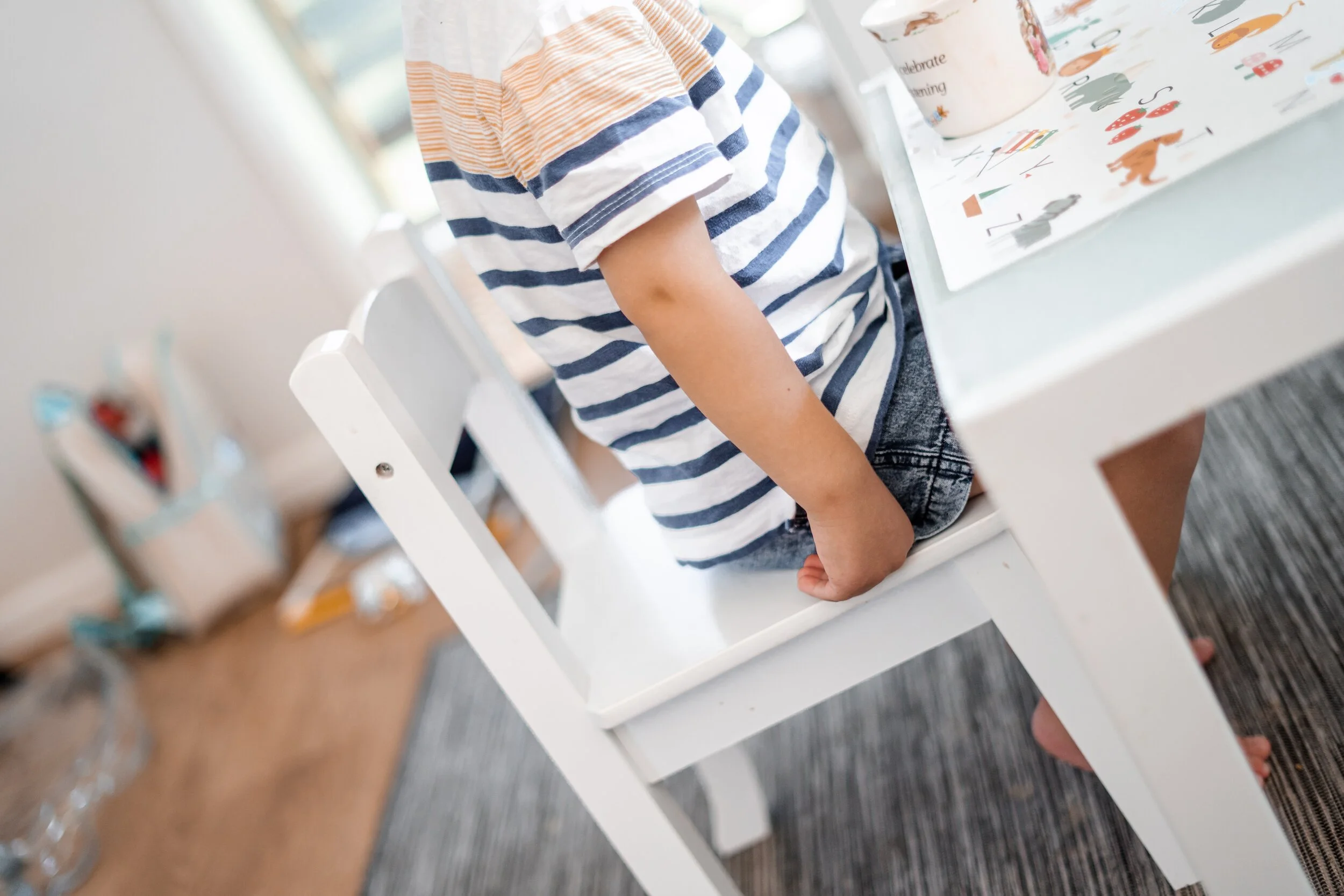
Children love to draw and paint. It’s one of the best ways to support their development and creativity. However, the mess they leave behind is unbearable. Crayons, papers, pens, brushes and paint can be found all over the room. Every parent’s nightmare. Is there a way to prevent that?
If you have a desk in your children's room, try organizing it. Keep the crayons in one can paint in the other while storing the coloring books in the shelves or drawers. Make sure that your desk can be easily cleaned. Encourage their creativity, but also encourage them to clean their mess and keep their room neat.
3. Bookshelves are powerful
Bookshelves are ideal pieces of furniture that can keep any room super organized and tidy. By storing your children’s books, they contain the power of knowledge. However, they are also a magical place where your youngsters can store their toys and plushies.
Use labelled boxes for miniature items that can be easily lost, such as cars and cards. This will make finding things easier and storing them safer. In case you have two or more kids that share a room, divide the shelf into that many areas to prevent future arguments and disagreements.
4. Make it personal
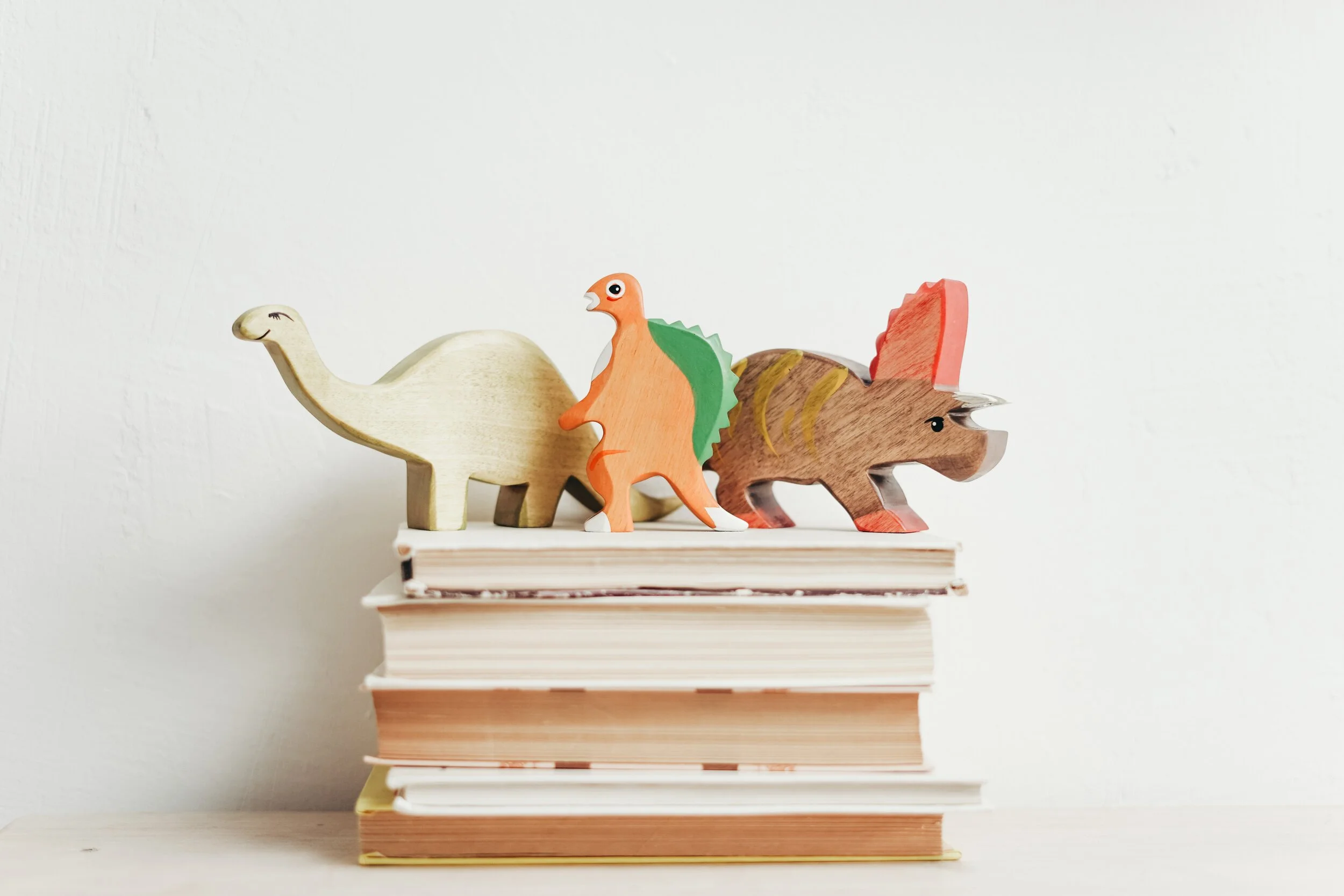
Kids love when something is made especially for them. They enjoy unique things and if you try to fulfill their desires, they will be forever grateful. Instead of throwing old shoe boxes away, personalize them for your kids and use them as a storage area. Keep them under the bed or below the shelves to save space. Include your kids in this activity for family bonding.
Just like little ones don’t like boring boxes, empty walls and rooms are equally unappealing to them. Create a DIY room decoration for a fantastic personal experience. Add personalized clothing hooks on the wall or door for more storage place.
5. Use multi-purpose furniture
Multi-purpose furniture is an amazing solution for rooms that don’t have enough storage space. There are numerous ways in which you can use different pieces of furniture. For example, create a storage place out of the cube organizer. Implement baskets and woven boxes throughout for storing smaller toys and possessions. You’ll kids will appreciate a safe space like that.
Similarly, instead of buying bulky sofas and armchairs for their room, consider getting them a kids flip out sofa. It’s a two in one sofa with adorable prints, that will light up their room. They can use it for sitting or lounging while watching the telly. Once they’re done simply fold it into the sofa for a less mess in the room.
6. Add interesting storage room

Adding huge cabinets and wardrobes in your children’s room isn’t an option. However, you need to find a way to keep their toys and belongings organized while being creative. Some of the best ways to do so are to use the already existing furniture in the room. How?
Every kid has a bed. You can make them colorful bedside pockets for storing their favorite toys. In addition to that, if you feel like you’re running out of the space, think outside of the box. Vertical wall organizers and tote bags placed on the door is an ideal way of removing the clutter and keeping the room tidy. That’s one of the best ways to make the kid’s chores fun.
Conclusion
Keeping children’s room tidy is most parent’s nightmare. However, by using these 6 ways of organizing your children’s room, you’ll see the improvement in no time. If you provide them with enough storage place, they will be more likely to take care of their things and room. So, be creative and design the room you and your kids will love.
Author Bio

Jasmine Anderson is a Sydney based lifestyle blogger and a full-time toddler mom, with a Fine Arts Bachelor’s degree. Expressing herself through different mediums is what keeps her spirit bright. She loves to spend quality time with her family, go thrifting, and spend just a little bit too much time on the internet. twitter: https://twitter.com/AndersonJess_AJ

Declutter Your Home. De-Stress Your Life.
Is one of your goals to lose weight or get healthier? Or maybe simply to get more organized? If so, we’ve got good news — decluttering your home could not only help you get organized, but may help you lose a few pounds, lower stress levels and improve your overall health as well!
Is one of your goals to lose weight or get healthier? Or maybe simply to get more organized? If so, we’ve got good news — decluttering your home could not only help you get organized, but may help you lose a few pounds, lower stress levels and improve your overall health as well!
First, a cluttered or disorganized home simply makes it harder to find items you need, and you are more likely to misplace your cellphone or keys — causing stress and wasting time. Studies have also found that simply being exposed to a chaotic or messy environment makes you more likely to overeat fatty or unhealthy foods, which can result in weight gain. Other research has found that if you find the inside of your home stressful, you’re more likely to feel depressed and to have higher levels of cortisol, a stress hormone that is linked to a higher risk of poor health.
That’s the bad news. The good is that making some small changes to declutter your home could make it more organized and feel more peaceful, decreasing stress and improving your health. The accompanying infographic, The Organization Diet: Cut the Clutter & Improve Your Life, presents proven, practical tips will help you streamline your home. Give the “organization diet” a try. Chances are you’ll shed not only unnecessary clutter but stress and extra pounds as well, setting you up for better overall physical and mental health.
 Graphic created by Closet
Works.
Graphic created by Closet
Works.

Guest Post - 5 Lessons That Will Teach You All You Need to Know About Being Organized
Organizing things reduces overthinking and over analyzing things. Being organized will save you a lot of time and make you at peace at home or work.
Expert writer Lloyd Carr from Yorkshire Fabric Shop shares tips and hints on how you can learn to be better organized.

Many people are finding it difficult fulfilling their duties since everything is taking place all at once. When faced with plenty of activities, some people do cram resulting in a low quality of work.
Organizing things reduces overthinking and over analyzing things. Being organized will save you a lot of time and make you at peace at home or work.
We listed down five ways for you to be organized.
1.Make a Planner
Nowadays, people use their devices to make schedules and appointments. Well the classic planner still exists, but people prefer to use digital tools in doing a planner.
As you now, being late for a meeting or appointment can be embarrassing and problematic.
To avoid this, setting a daily, weekly, and monthly schedule will help you to sort things out.
One of the most famous online planners is Google Calendar. You do not have to worry if you bring your planner or put it in your bag before you leave home. Digital tools will allow you to check your schedule anytime.
2. Write Down Important Details
To make sure that all your tasks are being accomplished, put them in writing. As you spend your day, you may receive a lot of information and details. Write important details like dates, names, places, expenses, and more. In this way, you can remind yourself of all the things you have done or needed to do.
If you do not want to carry a notebook, you can download digital notebooks on your mobile phone.
3. Back Up Important Files
Most of the time, people use their gadgets like laptops and smartphones to store information. Scanning important documents like contracts, bank details, passports, and IDs is an excellent way to protect and retrieve them. Make sure to create a secure folder and a strong password to avoid hacking.
If possible, keep the original copies of your important records in a safe. In this way, you can ensure that your documents will not be easily stolen or destroyed.
Aside from files, you can also save your precious photos in your device or file storage accounts like Google Drive. Doing this will get rid of bulky photo albums in your home.
4. Put Everything in Place
If you visit fabric stores like the Yorkshire Fabric Shop, you will notice that every fabric is labelled and placed neatly in the rack.
Doing this allows customers to see and buy items easily. Imagine what will happen if customers are having a tough time finding their desired material.
This shop shows a good example of how you can organize your belongings. Doing this may be overwhelming at first, but you will be satisfied in the long run. Knowing where you have put your keys, cell phones, and other things will save you from stress and clutter.
5. Avoid Procrastinating
Every single one of us has 24 hours to do what we have to do. It is tempting to procrastinate. However, your schedule might get hectic in the following days or weeks. If this happens, accomplishing tasks will be more difficult.
Put in a lot of effort to finish your work duties as soon as possible. Practice yourself to have the “do it now” mind-set.
Follow these five tips and make them a habit. If you do this, you will find yourself at peace and on track. Organizations and businesses like the Yorkshire Fabric Shop make it a point to be on schedule all the time. These establishments spend a lot of time and effort in organizing their duties.

