

A resource for those seeking information on organizing and transforming spaces.

7 Tips for Organizing Your Home during COVID-19
COVID-19 has dramatically changed our lives. Many of us are either virtually working from home or just staying at home as a measure to curb the spread of the deadly virus. It’s a new and distressing experience for most, if not all, of us. Although the virus itself may make you feel powerless, there are some simple actions you can take to take charge of your home space. Even performing a few simple tasks to keep your home organized can help you lead a more comfortable and fulfilling life during these hard times. Here 7 practical tips for organizing your home during COVID-19.
COVID-19 has dramatically changed our lives. Many of us are either virtually working from home or just staying at home as a measure to curb the spread of the deadly virus. It’s a new and distressing experience for most, if not all, of us. Although the virus itself may make you feel powerless, there are some simple actions you can take to take charge of your home space. Even performing a few simple tasks to keep your home organized can help you lead a more comfortable and fulfilling life during these hard times. Here 7 practical tips for organizing your home during COVID-19.
1. Choose a Few Priority Areas to Declutter

Decluttering is a crucial first step in organizing your home. But you don’t have to work on your whole house all at the same time. Instead, choose a couple of priority areas, and then work on each one of them daily. Consider setting up a dedicated workspace, especially if you’re working from home. It doesn’t have to be an entire room – your home office can be just a space in the dining room, pantry, or closet. Every time you complete a specific home organization task, you’ll feel happy and in control. On top of being active, decluttering can be a fun-filled activity. It’ll allow you to check out your old photos, clothing, gifts, and a variety of other valuable belongings.
2. Clean Up Your Home Office
If you already have a home office space, take your time to clean and organize it. Check what’s on your work desk, bookshelves, or in drawers, and then sort out what you need and what should go to the trash can. Create a temporary filling area by getting rid of some unnecessary items on the bookshelf.
3. Develop and Follow a Routine
When working from home or self-isolating, it’s advisable to come up with a routine and follow it daily. Start your day by showering, getting dressed, and taking your breakfast as if you were heading to the office. Ensure your home is clean and organized throughout the day. Once you’re done with your work-related tasks, neaten your workspace, clean the dishes, and ensure everything is tidy so that you can start the next day fresh and with a clear mind.
4. Create An Extra Space
Do you have adult children? If yes, then adding an extra bathroom or bedroom can be a wise decision during the COVID-19 period. This will offer you adequate space to feel at ease, which will go a long way in enhancing your quality of life. Bear in mind that the pandemic has triggered an economic crisis and many people have lost their jobs. Many homeowners have already seen their adult children return home, and it’s a trend that’s likely to go on for a while. So creating an additional space will be a great idea. And one way to do that is through home remodeling, a project that should be handled by a professional. There are many reliable home remodeling contractors, so be sure to partner with one. Make sure to do your own research for your local area and partner with a good one.
5. Focus on Safety
There are tons of fantastic how-to videos and guides on how to organize your home on the web, but remember many of them were created before the COVID-19 pandemic. Whatever advice you pay attention to, adapt it to the realities of the circumstances at hand. When sorting out and packing up things you want to dispose of during coronavirus, it’s a good idea to purchase moving boxes instead of depending on boxes from coworkers, friends, or grocery stores. Restrict help with organizing your home to close family members.
6. Find a Designated Spot for the Masks and Personal Protective Equipment (PPE)
PPE and mask-friendly accessories have now become part of the clutter that you need to deal with during the COVID-19 crisis. Choose two designated spots for these valuable items – one spot for clean masks and PPE and the second spot for dirty ones. That way, it’ll be easy to separate clean ones from dirty ones.
7. Store Items Based on How Often They Are Used
The items you use daily should be in plain sight or at least where you can easily get to. The things you use occasionally should need a step stool (think of high shelves). Items you use just once per year should need a ladder. This is where attics and high shelves in a garage come in. With this kind of arrangement, it’ll be easy to access items you use frequently while keeping those you don’t use often clean and neat until you require them.
The Bottom Line
Organizing your home isn’t something you can do just one day and forget about it. Instead, it’s something that you should do every day. Integrate it into your daily schedule so that you can become more efficient at completing your tasks during the COVID-19 period.

Guest Post - 10 Things You Didn't Know Make Your Bedroom Look Cluttered (And How to Fix It Immediately)
You may have gone through many arranging and decluttering sessions, but your bedroom would still be a mess if you don't know how to organize things properly. Here are the day-to-day things that you didn't know made your room look more cluttered (and their quick fix!).

You may have gone through many arranging and decluttering sessions, but your bedroom would still be a mess if you don't know how to organize things properly. Here are the day-to-day things that you didn't know made your room look more cluttered (and their quick fix!).
1. You don't sweep and clean too often
Dirt accumulates every single day. If you only sweep once a week, dust accumulates slowly, which will add some clutter in your bedroom. Make it a habit to sweep every day and take out the trash as often as possible to minimize your floor's clutter. The more frequent you sweep and clean, the lesser it will take you to declutter and deep clean your room again.
2. There is too much paper
Whether it's a pile of bills or random scratch papers, having a lot of office or school things on top of your desk will always make your room look like a mess. Get a paper organizer and make sure you have a tray for essential bills, notes, and files. Keeping paper things clustered together will ensure that you know where to find them in case you need them again.
3. Wires everywhere
Technology may have taken over your bedroom. And before you know it, your floor or desk has too many dangling or entangled wires all around. Having a wire organizer will keep things tidy.
Place the wire organizer in a strategic place so it won't be an eyesore every day. Allot a charging station for where your gadgets would most likely stay. Lastly, it would be helpful if you make your bed a screen-free zone. This habit will keep phones, tablets, and other gadgets off your bed before you take a shut-eye.
4. Books all over the room
If you love reading, it won't be strange that you would read around your room and randomly place it whenever you are in a rush or an emergency. Have a place for reading and organize your books in place. Keep genres together or color-code your books according to your liking. Having a designated space for reading will declutter your room in an instant. A reading nook will also bring stillness and serenity to your reading time.
5. You don't weed out your clothes
Have you tried ordering clothes online? Before you know it, your dresser and drawers are already full of clothes that you don't even wear too often. The closet is among the biggest clutter culprits in the bedroom. You can leave clothes everywhere, and it won't take long enough to make one piece of the shirt make it look cluttered again.
Regularly weed your clothes to make sure that the ones inside are the ones that you can wear shortly. Have enough extra space for future clothes, and make sure you won't fill it up anytime soon. Buy less and consider having a minimalist wardrobe for less clutter.
6. You keep and take out jewelry often
You can hide real and precious jewelry inside your safe. But, you wear some jewelry more often, that taking them out every day would seem like a hassle. Most of the time, they end up on top of your drawer, dresser, or just on the bed.
It is best to invest in bowls, baskets, or trays for everyday wearables. If you plan on changing a set of jewelry, you can do so in a schedule and keep the unused one again. You can place these trays where it is most accessible for you in the morning before work.
7. You have the wrong bed frame
The bed is among the highlights in a bedroom. Having the wrong bed frame with a cheap mattress for your room can be a disaster that you didn't know was coming. Invest in a bed frame with secret storage options so you can keep your things and maximize your space.
The right mattress will also make a difference because it will make your room look more elegant and kept up. If you don't want to spend on another bed frame, invest in storage boxes that can fit under the bed. You can also organize your mattress and beddings for a more graceful ambiance.
8. You still keep out of date cosmetic products
It is common to have a lot of cosmetic products. But most people miss out on the expiry date and still keep unwanted or, worse, harmful cosmetic products. Label out the product when you opened them and mark your calendars on what month and year they will expire.
This simple habit will save you a lot of space and keep your skin healthy by avoiding expired cosmetics. Group things (skincare, haircare, makeup, nail products) will be a lot easier for you when you use these products. There are a lot of cosmetic organizers that can make your arranging habit more minimalist and neat.
9. You don't have a bedside table
Some consider having a bedside table as something they can live without. That might be true, but without one, a lot of things can accumulate on the bed.
Phones, papers, books, pens, hair ties, and other late-night things can be tucked in under the pillows and sheets because nothing can place them on. Having a bedside table will keep the essentials and extra stuff near you right before you sleep. Having one will encourage you to keep your bed more spacious and result in less cluttered bed space.
10. Light clutter
Light can also have a significant impact on the overall look of your bedroom. Well-lit bedrooms in the daytime will look less cluttered with all your arrangements and cleaning efforts. It tidies things up and makes everything look sophisticated.
Spend a decent amount of money on lights to make your room more pleasing in the eye. At night, keep the lights off or invest in a dimmer to make the ambiance more comfortable. Blackout curtains also add calmness and serenity to your nighttime meditations and thoughts.
There you have the things that make your bedroom look cluttered and ways you can fix them immediately. Follow these tips and make your bedroom cozier and more appealing today!
References
1. https://www.housebeautiful.com/lifestyle/organizing-tips/g3745/things-to-throw-out-your-bedroom/
2. https://www.mintnotion.com/frugal-living/how-to-organize-a-small-bedroom-and-keep-it-clutter-free/
3. https://restonic.com/blog/clutter-sleep-3595
4. https://www.goodhousekeeping.com/uk/house-and-home/declutter-your-home/a575013/bedroom-organisation-advice/
5. . https://theturquoisehome.com/declutter-an-entire-room-5-simple-steps/
About The Author
Charles is the managing editor of TheSleepMatters.com. He helps people get a better night’s sleep by providing expert insights, reviews, and guides on mattresses.

9 Decluttering Habits to Adopt for the New Year
Decluttering your home has many benefits. Not only will the space feel cleaner, but so will your mind! As 2021 gets started, it’s important to develop these decluttering habits now so you can continue them throughout the rest of the year. Here are some of the best decluttering habits you can start now as the new year kicks off.

Decluttering your home has many benefits. Not only will the space feel cleaner, but so will your mind! As 2021 gets started, it’s important to develop these decluttering habits now so you can continue them throughout the rest of the year. Here are some of the best decluttering habits you can start now as the new year kicks off.
1. Avoid replacing items you get rid of. Your home will never truly be decluttered if you just replace the items you’ve gotten rid of with newer versions. You should seriously consider each item you’re looking at before putting it in your shopping cart. If you already have one or two of the items, do you really need another one? By doing this, you’ll keep your home from staying cluttered and overwhelming.
2. Take inventory every season. Each season, take inventory of your home. Go through all your closets, drawers and even your bathroom cabinets. No stone should remain unturned. Make a list of items you have and how often you use them. Be honest with yourself. Don’t try to make an item more important than it actually is. If you find items that you haven’t used at all that season, consider donating or tossing them. There really are some items that are seasonal (i.e., seasonal holiday decorations), but other items are usable all year, such as mixing bowls or cleaning products. If you haven’t used certain items at all over two seasons, then you should definitely consider donating them.

3. Declutter before organizing. You can’t organize things if you have too much of them. Before you tackle organizing any spaces, desks or cabinets, you’ll want to completely declutter. An organized home is a decluttered one – not a home that has organized clutter. In fact, decluttered spaces increase productivity, making it easier for you to organize your space efficiently because you’ve removed all the clutter around you. It will also help you be more productive in your work life and personal life because your space isn’t overwhelming.
4. Only take on one or two small projects at a time. When you take on too many home improvement projects at once, your home becomes easily cluttered and disorganized. Suddenly, halls are filled with tools, hardware and boxes that wouldn’t be there otherwise and you get overwhelmed just looking at it. To eliminate clutter in your home during projects, only take on one or two at a time, such as installing RTA cabinets. You’ll feel much better in the long run, and your home will stay decluttered.
5. Take stock of your sentimental items. Getting rid of sentimental items – photos, diaries, letters and other keepsakes – can be a very difficult thing to do. Those items were important to you at some point, and some of them still are. That’s why you need to take stock of them. There are some key signs that you should let go of that sentimental item: it’s been packed away for awhile, you’re only keeping it out of guilt or it annoys you to look at it. You should keep the things that still bring you joy or have a purpose for you. For items such as photos or letters, you can scan them into an external hard drive to have as digital copies and clear up space.

6. Minimize the amount of planners you have. Some people have a planner for every aspect of their life. While it’s important to keep everything compartmentalized, consider switching to a full day planner instead of using a different weekly/monthly planner for work, personal and health aspects of your life. You can also keep a small pocket calendar with you or use your phone calendar and reminder app to keep track of events and tasks on-the-go. Using one planner will keep everything together and ensure you don’t miss anything. Use a variety of pens, stickers and highlighters to organize your planner. Draw a helpful key on the front page of your planner to remind you how to set up your events.
7. Write a to-do list. To-do lists aren’t just for your mom anymore. Decluttering your space also means decluttering your mind. You can’t do this unless you have a plan for the day-to-day. In your planner or on a designated notepad, keep a to-do list. You can have multiple ones – one for monthly, weekly and daily. Some tasks you’ll do daily (checking your email, writing in your journal) and others you’ll do monthly (wiping the baseboards). Your weekly to-do list should include tasks such as cleaning the shower, going grocery shopping and vacuuming or mopping. You can set reminders on your phone to keep track, or you can create these to-do lists by hand after each round.
8. Invest in storage and organizing tools. Traditional plastic storage containers and even decorative ones are great ways to keep track of items. Don’t be afraid to break out the label maker, either. Some Etsy stores even have label decals that you can have customized to match specific items in your home. Things don’t have to look drab. You can use patterned canvas storage totes on your coffee table shelves and leave the traditional plastic storage totes for your hall closet. You’ll want to get clear storage totes, though, so you can easily see what’s inside. That way, you don’t have to worry about purchasing multiples of something.
9. Give your items to a good cause. Instead of just trashing your items as you declutter, consider giving them to a local charity. Some organizations that typically need donations are domestic violence shelters, homeless shelters and addiction recovery programs. When you know your items are going to a good cause, you won’t feel as upset about getting rid of them. It’ll also be easier for you to get through the decluttering process.
4 Areas in Your Kitchen Where You Can Add Some Extra Storage Space
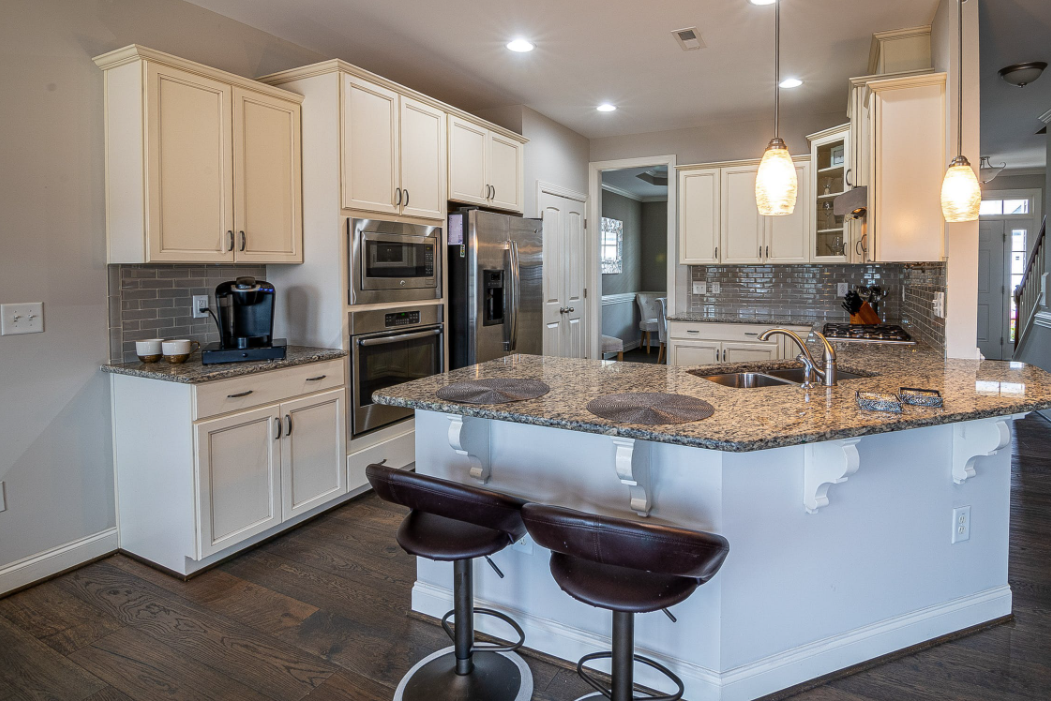
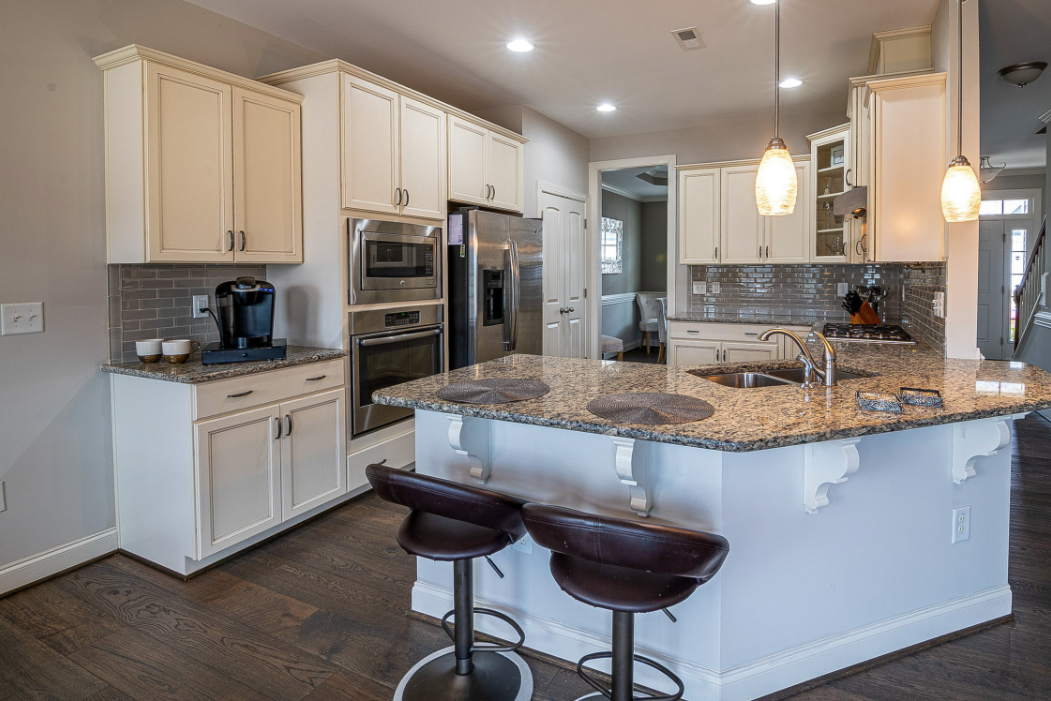
You probably spend time in your kitchen everyday cooking and cleaning up after meals. In addition to storing food, cookware, and small appliances in that room, you might also have pet food, cleaning supplies, and other odds and ends. If your kitchen is starting to feel cramped and overflowing with a need for more storage space, the following suggestions may help.
You probably spend time in your kitchen everyday cooking and cleaning up after meals. In addition to storing food, cookware, and small appliances in that room, you might also have pet food, cleaning supplies, and other odds and ends. If your kitchen is starting to feel cramped and overflowing with a need for more storage space, the following suggestions may help.
Drawers
Clear out your kitchen drawers that are packed with odds and ends like keys, paper clips, old grocery lists, and flashlights. Find a more relevant place for items that don't belong to free up space for kitchenware. Buy inexpensive drawer organizers for silverware and dishcloths to keep everything in its place and easy to find when needed. You can get color-coded separators in various configurations based on your preference.
Cupboards
Try vertical shelves in addition to horizontal shelving to add more storage area to your cupboards. Slender plates or serving dishes can be stored in either type of shelf to allow room for other dishes as well. Some shelves might accommodate being separated into another level or two for smaller dishes and pans. If your cupboards have open space on top, artfully arrange your less commonly used cookware or serving dishes as visual décor until you need to use them.
Pantry
Pantries always seem to be stocked with long-expired food cans and packages along with items that don't take up much space. Add more shelves to use the open areas. You could also install wall mounts for larger packages of dry goods and canned items. Add a door hanger with wire or wooden shelves as additional storage space to separate cleaning items, for example, or foods that are more often used.
Above the Countertop
In addition to storing certain foods on top of the countertops, like dred goods canisters or packets of coffee or tea, consider installing storage shelves below your upper cabinets above the countertops or use racks that sit on infrequently used areas of your counters. Many people install their microwave ovens below the cupboards but above the cooking range or countertops.
Kitchen Remodeling Options
When you remodel or update your kitchen, remember to include plans for expanding your storage areas. You can never have too much storage in a kitchen, as it is a main living area and food preparation center of the home. Every kitchen remodeling project should build in extra storage shelving to efficiently utilize available space without creating a crowded effect.
As you look around your kitchen, you will likely find areas that can be neatly arranged to provide more storage space for necessary supplies and dishes. Take advantage of them to help keep your kitchen from becoming cluttered and unwelcoming.

