

A resource for those seeking information on organizing and transforming spaces.

5 Ways to Utilize Your Attic Space
Has your attic been collecting cobwebs for years? Want to put it to good use? Here are 5 ways to utilize your attic space.

There always seems to be a shortage of storage. We find innovative ways to pack our things, every nook and cranny of the house is cleverly utilized, but it never seems to be enough. There really are many ways to maximize the use of space, but at the end of the day, we always seem to have too many things. Until, one day, that proverbial lightbulb goes on, and you realize that, just like that, the answer has been above your head the whole time. We tend to take attics for granted. The bathroom gets new tiles, the kitchen shiny new appliances, but the poor area below your roof gets no love at all. Let us show you five ways to utilize your attic space and turn this forgotten gem into an essential part of your home.
Water, Water Everywhere, but Not a Drop in the Attic
The first thing you should do is check that there are no leaks. The primary sources of headaches when it comes to storage spaces are water and humidity. The roof is there to protect you from the elements. The roof also takes a lot of punishment. Wear and tear is normal, and if there is a leak, it is the first thing that needs fixing. A small hole may seem unsubstantial until you realize the raindrops will be falling directly on a family heirloom you moved upstairs for safekeeping. It's not hard to check; Mother Nature can help. Wait for a particularly good storm, sit it out in the comfort of your home, and once it passes, inspect the attic for any leakage. Keep a lookout for signs of rot or possible stains.
Bonus tip: make sure that any vents that go through the attic go all the way out and that the final destination for that moist air is not the attic itself.
Bonus, bonus tip: Check for condensation on any metal surfaces while you're there. Moisture is your number one enemy. Check the pipes and ducts and be content knowing you have performed a thorough search.
One Word...Insulation

For long-term storage, you will want to make sure your storage space is well insulated. It is vital to prevent any heat transfer with any bordering areas in the house. Some attics only have insulation installed on the floors, so make sure to check your roof as well. There is a reason why we put this in second place. For insulation to have any effect, it cannot be wet. Therefore, you need to take care of the leaks first. See, when you mix insulation with water, what you get is a very comfy breeding ground for mold. If you think you have mold in your home, there are specific steps you can take to solve this problem.
A Similar Word...Ventilation
Well...at least it sounds similar. Vents and attic fans are your friends in this case. They help combat those enemies we have been raving on about - humidity and heat. They will also help ensure your stored possessions can make it through all seasonal temperature changes. Proper venting is not just vital to help keep your belongings safe; without it, the buildup of moisture could cause the structure of your attic to rot.
Floor or Ceiling?
What the attic calls the floor, the room below it calls its ceiling. This means the flooring in the attic is crucial. Want to avoid that comical situation you may have seen in many a sitcom where the person's legs are left dangling from the hole in the attic floor? Take a look at the flooring, see if you have a weight-bearing floor and if the ceiling joists are not damaged or affected by rot. If you plan on storing clothes and your collection of exotic bird feathers in the attic, you could be alright. But if you plan on putting something heavier up there, make sure the floor, or rather the ceiling, is ready to handle whatever comes its way.
Creativity Goes a Long Way

You shouldn't just throw your things haphazardly into the attic without giving it a second glance. Use the space as much as possible. With modern technology, you can even access online help on how best to organize your space with the help of professionals. Attics have peculiar shapes, but you can use that to make an aesthetically pleasing room, even if it is "just" a storage area. A sloped ceiling could be an excellent opportunity to install some interesting shelves and artsy cabinets. This will help maximize the storage capacity of the attic and give it a bit of flare. We tend to associate the attic with dusky, dust-drenched chambers primarily used by horror movie directors, but there is no reason they cannot be as appealing as any other room in your home.
Bonus Way to Utilize Your Attic Space

There is another path you could take. If you lack storage areas but need a little private nook or an additional bedroom, you can convert the attic into a new room. A lot of the tips mentioned above still apply here. Maybe even more so. Who wants to be in a room that has no insulation and ventilation, with water dripping down their backs the whole time?
But...Before All Else
There is one preliminary step that you should take. Whenever you don't quite want to throw away something that really should end up in the trash, those possessions tend to have an interesting habit of ending up in the attic. They also tend to stay there for a long time. Do not worry; there are many guides for cleaning out residential junk. The first step should be to get rid of the clutter that piled up to have a good look at what you are working with. It will help make evaluating the attic and understanding how much actual storage space there is easier.
You're All Set
As you can see, the attic can be a handy space in your house if used wisely. By reading through the above ways to utilize your attic space, we hope you will be able to transform this neglected part of your house into something truly useful. Sometimes, all you need to do to find the answer is look up!

How to Organize a Kid's Play Area for Small Houses
When you have toddlers, it seems pointless to organize your kid's playroom. They are going to mess it up anyway.
However, organizing your kid's play area can help you streamline your entire cleaning process. That's because it reduces the amount of clutter that you need to clean.
Luckily, the key to having an organized playroom does not have to be grand. Instead, you should give them an accessible and fun organizing system. It can also help if you make clean-up fun for your kids.
To help you achieve a clean and organized playroom for your children, here are tips that you can follow:
When you have toddlers, it seems pointless to organize your kid's playroom. They are going to mess it up anyway.

However, organizing your kid's play area can help you streamline your entire cleaning process. That's because it reduces the amount of clutter that you need to clean.
Luckily, the key to having an organized playroom does not have to be grand. Instead, you should give them an accessible and fun organizing system. It can also help if you make clean-up fun for your kids.
To help you achieve a clean and organized playroom for your children, here are tips that you can follow:
Get Rid of Old Broken Toys
The first step to having the perfect playroom for your kids is to get rid of old and broken toys.
Scour through your children's toys and which of them are broken or have missing pieces. Next is to ask your kids which of the remaining toys they have outgrown.
The rationale here is that you should thin out the inventory first. That way, you have fewer items to organize.
On the other hand, you can send broken toys to a recycling center and donate the old ones. This is an excellent way of extending the life of your kid's old and broken toys.
Install Playroom Mats
Rubber mats can ensure that your kids have a safe place where they play.
They are as cushy as a carpet. Hence, they lessen the impact whenever your kid tumbles. Another reason is that it prevents your kids' toys from scraping the floor.
In addition, you can install rubber mats in different colors with alphabets. That's because you can use them to teach kids about letters and colors.
The best part is that they are easy to clean. All you need is a clean piece of cloth to wipe the mats, and you are all set.
Give Their Favorite Toys a Home
It is common for kids to have a favorite toy. As such, it would be best to store them differently.
For instance, you can build a garage for your son's favorite toy car. Another is to make a bed for your daughter's favorite stuffed toy. You can also opt to create a small house where your children's favorite dolls or action figures can stay.
Doing so is another way to make cleaning and organization fun for your kids, as well.
Use Clear Open Bins to Organize the Rest
An excellent way to organize your kid's toys is to use clear bins. That way, it will be easy for you and your child to find a specific toy. It also allows the kids to know where to bring them back once they are done playing.
Meanwhile, having an open bin makes it easy for children to access and return their toys. Add to that the fact that little hands struggle with opening the lids. So, you might as well ditch them.
Label Your Bins
Another way to make it easy for you to organize your children's playroom is to label your bins. That's because it removes the need to figure out where you should place the items.
Moreover, you take advantage of this feature to teach your kids how to read. If you have the time to get creative, we suggest attaching images on the label.
However, kids' choice of toys changes as they grow older. Hence, it would be best to use removable labels. That way, you can replace them as needed.
Use Kid-friendly Storage Solution
While using clear and open bins with removable labels can help, it is just scratching the surface.
Keep in mind that you are organizing a play area for your kids. Hence, you must make everything baby safe.
First, do not use high shelves or tall storage. That's because it poses the risk of falling objects. It also prevents your kids from helping you clean up their playroom.
That said, it would be best to use low shelves that you can install vertically or horizontally. They are low enough that your kids can easily reach them and reduce the risk of falling objects.
Lastly, you should anchor your shelves on the wall. This is to prevent the furniture from toppling down.
Make Cleaning Fun
Here's the thing: Organizing your kid's play area is something that you do not have to do alone. Instead, you can encourage them to clean with you.
However, it would help if you make it fun for your child. And what better way to do that than to turn cleaning into a game?
When you already established your storage solution, you can do the following:
Pick up by color. This is ideal if you organize toys by color. Ask your kids to pick toys of specific colors and put them in the right bin.
Scavenger Hunt. Tell your kids to find a toy and then put it in a specific container. Better yet, attach a number to it (e.g., "Find me two train tracks."
Tidying speed game. If you have grade-schoolers, this can work for them. Set up the timer and check how fast your kids can clean their room. Reward them if they can break their record.
Conclusion
The key to having an organized playroom for your children is to give your kids space to play and clean independently.
It would also help if keep these three principles in mind:
Teachable. Your organization system is something that you can easily teach your kids.
Reachable. Your storage solutions should be accessible for your kids.
Repeatable. Your cleaning process should be something that your kids can eventually do on their own.
Doing so can make it easy for you to instill discipline and cleaning habits in your kids.
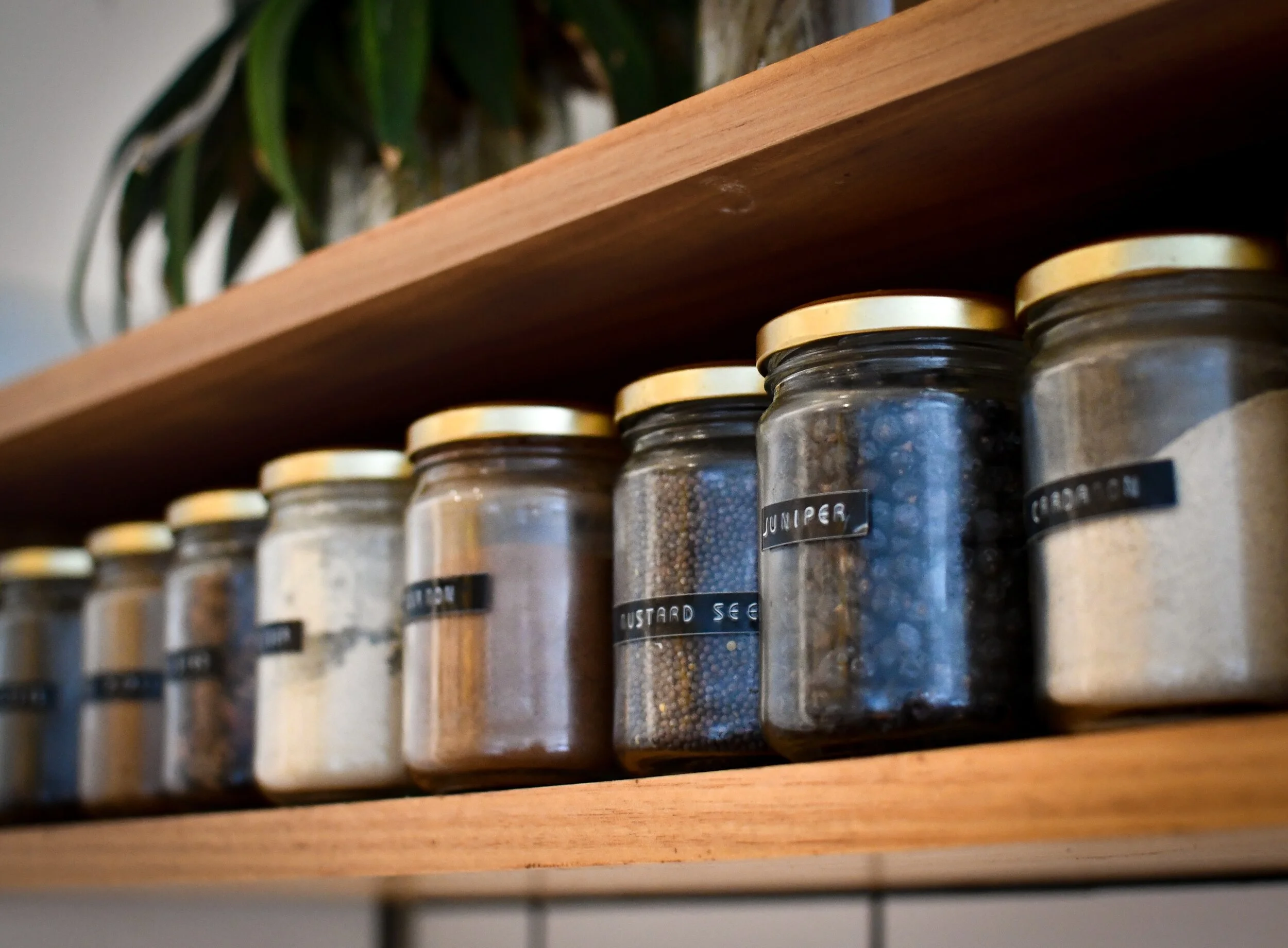
10 Space-Saving Tips to Organize a Pantry for Small Kitchens
When you have a small kitchen, it can be challenging to maneuver your way around it. It can also be tough to keep things neat because there are many food items and tools you need to use in the kitchen.
The problem is that your small kitchen will only look smaller if you leave things disorganized.
If you're looking for organizing tips for your small kitchen, this article is for you. Read on to find ten helpful space-saving tips that can help make your kitchen pantry look spic and span.
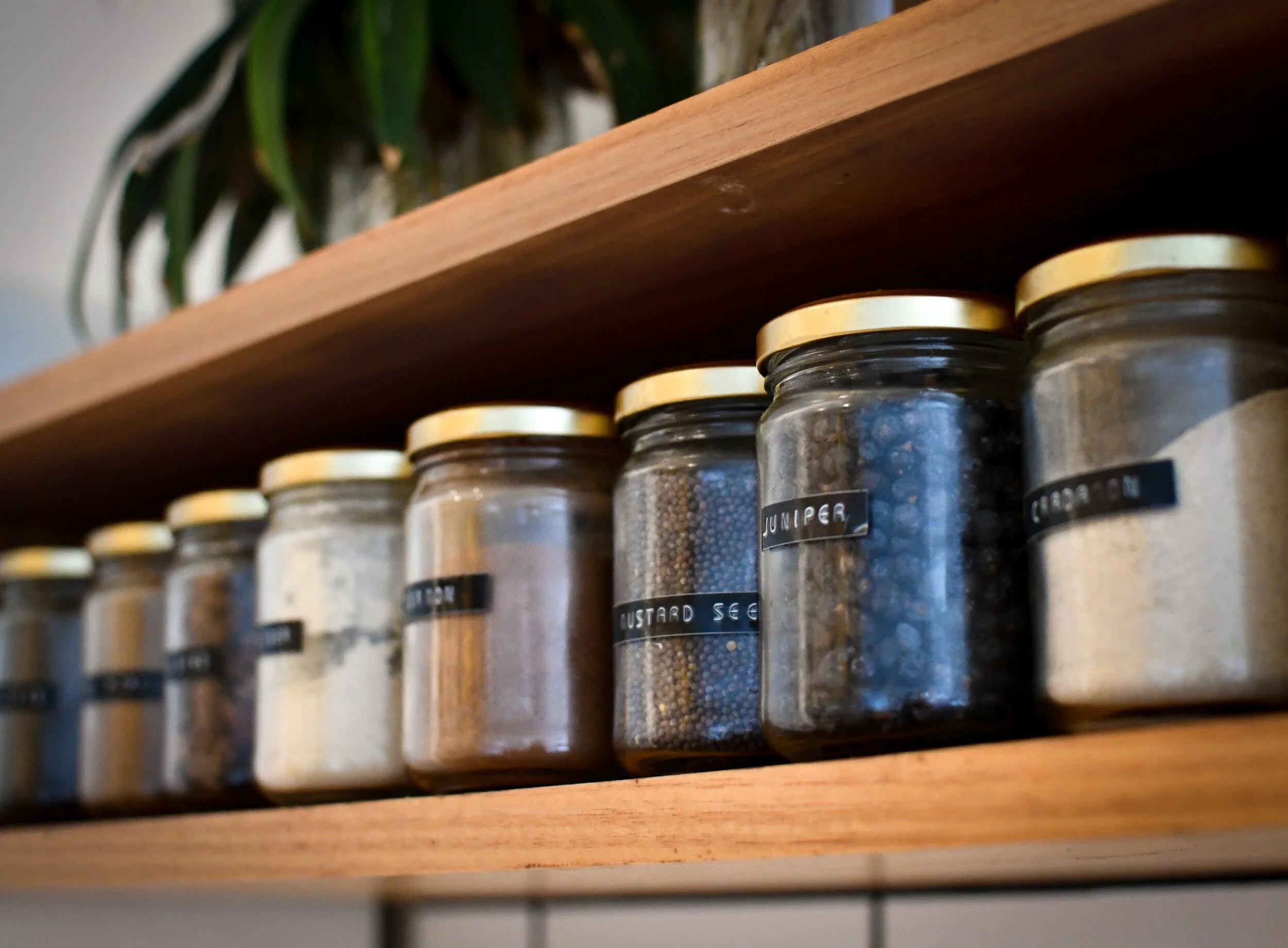
When you have a small kitchen, it can be challenging to maneuver your way around it. It can also be tough to keep things neat because there are many food items and tools you need to use in the kitchen.
The problem is that your small kitchen will only look smaller if you leave things disorganized.
If you're looking for organizing tips for your small kitchen, this article is for you. Read on to find ten helpful space-saving tips that can help make your kitchen pantry look spic and span.
Sort by category
You should organize or sort items together that fall under the same category so that you won't have a hard time looking for them when you need them. Grouping them also makes it a lot easier to know how you're supposed to organize your small kitchen and which cabinet should have which items.
To begin your kitchen organization journey, here are a few pantry organization categories that you can use to group your food items:
Canned Goods
Baking Items
Condiments
Spices
Pasta/Noodles
Breakfast Food
Chips and Snacks
Label everything
It would help if you got into the habit of labeling everything in the kitchen. There's nothing more confusing than having unlabeled containers filled with white powders in them.
It could be flour or baking soda, but what kind of flour could it be? Almond Flour? Bread? Cake?
With a simple label, you could avoid all the confusion.
Aside from the name of whatever you're storing, don't forget to add a few more critical details. For example, if you are reusing leftover bread and have kept it in the freezer, don't forget to add a label to it to know what is in there.
It's also best that you add a date of when you stored them and an expiry date for these opened or used food items to know the viability of these products.
Stack it in style
The inside of pantry cabinets usually has plenty of vertical space that you aren't using as much as you could have. In this case, it would be ideal if you will learn how to get storage solutions and stack them inside.
You don't have to purchase plastic storage solutions that can increase your carbon footprint.
A great alternative would be dim sum steamer baskets which are excellent for storing smaller pantry items, like spices and the like. They're also lovely to look at and neat when you see them in your pantry cabinets.
If you don't have a spare dim sum steamer basket, a bamboo basket is acceptable and does the job well.
Make a built-in pantry
Instead of adding outside storage solutions to your kitchen shelves, why not get a built-in pantry with pre-made shelves. Instead of just being the standard shelves you would expect, you can get creative with it based on your kitchen needs. It's much more convenient, and it's an exciting way to build the inside of your pantry.
Install pull-out shelves and drawers
When you have a small kitchen, it can be much harder to move freely around it. You're likely to cause a mess or get injured when trying to reach items further back from your shelves or cupboard.
If this is an issue that you don't want to have, consider getting and installing pull-out shelves or drawers. Installing pull-out shelves and drawers is undeniably pricey.
However, if you use the kitchen often and use your kitchen shelves all the time, it will be a good idea to invest in these once you have the budget for them.
Hang a pegboard
Another creative way to organize tools and other things in your pantry if you have a small area to work with is to hang a pegboard somewhere. You can use a pegboard to hang all sorts of things.
For example, you can hang any kitchen tools you have. Even spices and nonperishables can stay on the pegboard.
A pegboard pantry can be a great way to store some of the kitchen items that you want to show off. Unlike when they're hidden away inside the pantry shelves and drawers, hanging them on the pegboard gets them the attention they deserve.
Install canned food dispenser
If you have many canned foods in the pantry, you might want to get can-dispensing storage in your pantry. It's a lot fancy, but it simply uses gravity so you can conveniently grab the canned food you need.
Aside from canned goods, you can also use them for canned drinks, and you can use them in the fridge.
Make use of a turntable
A turntable pantry tray is one of the most convenient things to install or add to your pantry. It's a great way of ensuring that you get any stored items and have easy access to them.
Lazy susans and turntables are two good items for having a variety of things. You can even get turntables that have multiple layers so that you make use of that vertical space.
Add some glass canisters
Glass canisters or mason jars are an attractive way of storing food. They're also excellent for storing all sorts of things, especially ones you want to show off. If you have a pantry with no doors on them, glass canisters are excellent. What's even better is that they're reusable, so you can use them wherever and whenever.
Stack plastic containers
If you are using plastic containers, try and take advantage of their durability by stacking them on top of one another.
Again, many concerns about storage issues can be solved by using the available vertical space. So, stacking plastic containers can help keep things organized.
With these ten space-saving tips, you should be able to keep your pantry organized even if you don't have a vast space to work with. From working with vertical space to using clever storage solutions, there is a bevy of kitchen organization tips that you can apply. So, try them in your kitchen today to get an organized kitchen.
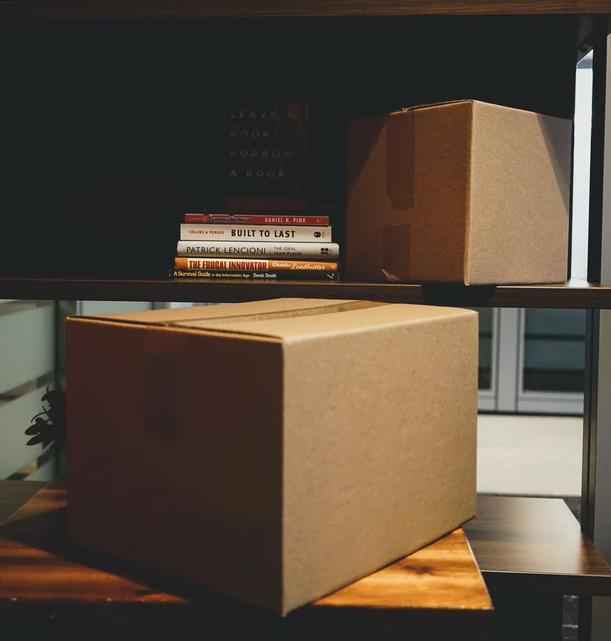
Make Unpacking Easier When You Move
Planning a move? Moving involves a lot of work, and most people have a hard deadline to meet, which means that they must somehow get packed and organized in time for moving day.
Planning a move? Moving involves a lot of work, and most people have a hard deadline to meet, which means that they must somehow get packed and organized in time for moving day.
However, not many people plan for the day after the big move. What happens when you reach your new home? It’s easy to feel overwhelmed when you’re surrounded by boxes. What do you unpack first? How do you get started?
Many people start unpacking but at some point, get distracted and put off completing the job. In fact, according to recent stats, it takes the average American nearly six months to finally unpack that last box when they move to a new home. (For some people, it can take even longer!) The good news is that having a plan can take some of the stress out of unpacking.
First, if you hire movers, be sure to check your moving inventory to ensure that everything has arrived safely. Next, move the boxes to their relevant rooms — if the movers didn’t do so already. (Clearly labeling your boxes with their contents and the room in which they belong is essential for this process.)
The order you unpack your boxes may depend on when they arrive in your new home. If they arrive earlier in the day, you may want to unpack your kitchen first. If the boxes arrive later, however, you may want to start unpacking a bathroom and your bedroom, so that you have what you need for a good night’s sleep.
Start with the essentials, such as soap, shampoo, towels, toothbrushes and toothpaste, toilet paper, and other toiletries. That way, you can use the bathroom and shower before bed. Then you can tackle unpacking after a good night’s sleep.
Next, focus on the kitchen. If you’ve moved a refrigerator, position it and let it sit a few hours before plugging it in. Hook up other large appliances, and then unpack smaller appliances such as the microwave, coffee maker, blender and toaster. Unpack your dishes, cutlery, glassware and other cooking tools next.
After the kitchen and bathroom are unpacked, you can tackle your bedroom. Labeling a box with your bed’s linens will make it easier to find and unpack these first. If your bed needs to be assembled, you may want to wait and assemble it the next day. You can always sleep on a mattress on the floor and leave furniture construction for another time.
After you handle these high-traffic rooms, move on to the living room. Arrange furniture first, then set up your television, stereo, gaming system and other devices. If you have one, tackle your home office next, and leave the garage/storage area for last.
For more details about unpacking, check out the accompanying resource by Moving of America.
This infographic was created by Moving of America, a provider of moving services in NJ

