

A resource for those seeking information on organizing and transforming spaces.

Clutter Zones: The Most Common Cluttered Areas in Your Home
Clutter zones are places that seem to naturally collect unnecessary items over time. Discover some of the most common cluttered areas in your home.
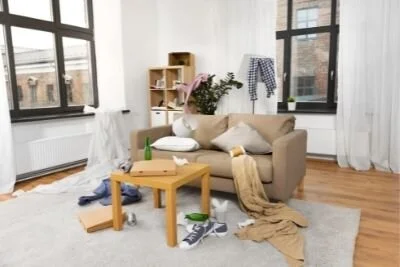
We all have a few places in the home that tend to collect unneeded items. However, some of them build more quickly than others, and many can go unnoticed until it’s too late. Fortunately, by identifying these clutter hotspots, you can make a conscious effort to organize them and keep your home cleaner in the long run. These are the most common cluttered areas in your home and how to stop the accumulation before it starts.
Clothing Closet
Clothing is one of the most prominent types of clutter homeowners struggle with. These items are easy to obtain and difficult to part with once you have them in your closet. Believe it or not, you might not even wear half of what you currently store. Make sure you occasionally sort through your garments and donate any of them that you don’t wear often.
Bathroom Cabinets
A lot of us can collect hygiene products in the same way. Our bathroom cabinets only have so much space, and it’s common for these shelves to accumulate all kinds of clutter. There’s more here than we often comprehend, from extra skin-care formulas to razors and other grooming accessories. If you want to maintain organized cabinets, purge any expired or broken items.
The Garage
Our garage space is one of the largest offenders. Tools, automotive parts, and ongoing projects can all build up over time, creating a space that’s hazardous to even walk through. In fact, cluttered garages present the most significant risk for injury if you trip and fall on unorganized items. For this reason, stay on the lookout for warning signs that your garage is too cluttered, and act before someone gets hurt.
Under the Bed
Another of the most common cluttered areas in your home that you didn’t know about is underneath your bed. Maybe you’re missing one of your slippers, or you just can’t seem to find the other half of an outfit. Somehow, they all seem to find their way under your bed, and it can overflow before you even realize it. Routinely checking this spot will prevent an abundance of clutter and help you keep better track of your possessions.
The Junk Drawer
No list of clutter spots would be complete, though, without the infamous junk drawer. The entire purpose of a junk drawer is to house miscellaneous things that otherwise don’t have a home. However, years of throwing your odds and ends into this drawer can turn it into such a mess that it’s impossible to find anything in it. Because of this, it’s best to organize this area of your home every few months.

Tidy home, tidy mind: why a clean space is important for your mental health
Here, we take a look at exactly how cleaning can be beneficial to maintaining good mental health.

Whilst it can be difficult to get out of bed or have any energy when you’re struggling with a mental illness, cleaning can be a good way of gaining control over your environment. It allows you to see a visible improvement in your space, as well as offering a task that can be done in bursts, rather than all at once.
Here, we take a look at exactly how cleaning can be beneficial to maintaining good mental health.
Clutter
For a lot of people, clutter can lead to a lack of concentration, as they get distracted by the environment around them. A study by researchers at Princeton University found that people with objects around them which were irrelevant to the task had an overload in their visual cortex, leading to a lack of concentration.
Being unable to focus when needed can then lead to feelings of irritability and stress. It can also induce a sense of a lack of control, both of which are unhelpful for those already struggling with spiralling thoughts.
However, it is important to remember that you should take care to avoid cleaning becoming a compulsion: whilst cleaning can be satisfying and will help you take control of your environment, creating a dependency on it is harmful. If you’re struggling to relax unless your surroundings are perfect, it might be time to consider if using cleaning as a method of destressing is still working for you.
If you are worried about compulsivity but still want a clean space, it could be worth considering hiring a cleaner. You shouldn’t have to sign a contract with them, so you can book a one-off clean and assess if you need them the following week, or go back to doing it yourself.
Physical and mental health

If you’ve ever felt your arms ache after holding up a duster, or from pushing the hoover around, you’ll know that cleaning is definitely a physical exercise. Exercise releases endorphins, which are chemicals in your body that trigger feelings of happiness. They also work with your pain receptors to dim your perception of pain.
Regular exercise has been shown to be an effective treatment for mild to moderate depression, as well as being beneficial for anxiety management. No matter what size your home is, there are places to clean. As well as dusting, try squatting when you put items away, lunging when you hoover or wash the floor, and using circular motions to wash plates for longer than you usually would. Adding music to your cleaning routine can be a great way of getting you moving.
Cleaning and the bedroom

Creating a tidy environment in your bedroom may also help you sleep better. As well as creating a visually calming environment, you should ensure that you air out the room so that it smells clean, and not musty. In addition to just smelling nicer, fresh air has been shown to be beneficial, because it contains more oxygen than stale air that has been trapped in the room. By doing this, you make sure that if you are spending time in bed, you’re helping your brain at the same time.
To sum up
Whilst cleaning might be the last thing you think of when it comes to mental health, they are actually closely linked. Creating a clean, safe space around you so that you can rest, whilst also getting your endorphins up through gentle exercise, can be a helpful way to support yourself at a challenging time.

Living Simple and Savvy: Downsizing Unlocks Financial Advantages
The trend toward living smaller and simpler has drawn as much notoriety for its novelty as for its utility. There’s a certain humor to the idea of full-grown adults living in homes that look like converted dollhouses. While the “tiny house” movement may represent an extreme manifestation of a much broader movement, there’s no doubt that downsizing offers many benefits, both financially and in terms of lifestyle. Those who are willing to make the transition benefit from conserving energy, saving money and more leisure time that would normally be spent on cleaning and upkeep.

The trend toward living smaller and simpler has drawn as much notoriety for its novelty as for its utility. There’s a certain humor to the idea of full-grown adults living in homes that look like converted dollhouses. While the “tiny house” movement may represent an extreme manifestation of a much broader movement, there’s no doubt that downsizing offers many benefits, both financially and in terms of lifestyle. Those who are willing to make the transition benefit from conserving energy, saving money and more leisure time that would normally be spent on cleaning and upkeep.
Back to basics
Downsizing and moving to a smaller space will discourage you from wasting money on things you don’t need. After all, there’s no point in buying expensive furniture or artwork if there’s no room for it. If you decide to downsize by moving to an apartment, keep in mind that one-bedroom apartments in and nearby Stamford rent for an average of $2160/month while two-bedrooms are an average of $2843. If apartment living isn’t for you, you can also look at buying a small home in the area.
A simpler lifestyle also means less waste and more savings, money you can use to travel, pay down your debt, or contribute to your favorite charitable causes. And it’s a good way to “go green” and show your support for the environment through a more sustainable lifestyle.
Less to clean
With a much smaller space to clean and declutter, there’s less to feel burdened by and get stressed over. Your friends and family will enjoy seeing more of you, and you can look forward to starting a new hobby or activity and spending more time exercising. Getting more exercise means your blood pressure will be lower, your cortisol levels will be reduced, and you’ll have a much easier time losing weight.
Light landscaping
If you’ve ever lived in a home with a large yard, you can probably remember how much you dreaded wheeling out the lawn mower and spending three sweaty hours cutting the grass. Then there was all the mulching, edging, trimming and pruning that goes with landscaping a big lot. Downsizing can free you from all that. You’ll actually have time to watch the ball games you used to skip because you had to rake acres of leaves before it rained.
Low-impact decorating
A smaller space makes decorating easier and less expensive than when you lived in that five-bedroom house. If home decor is your thing, you’ll enjoy a tighter, more coordinated look in a home with less space to fill. It’s more coherent than trying to tie together all those rooms and that floor space.
Cozy, not cluttered
A less spread-out floor plan means your family will enjoy a more organized mode of living and storage. If you’re a warrior against clutter, you’ll enjoy not having to venture into those hall closets that everyone tends to use as a storage purgatory for objects they don’t want to throw away but don’t know what to do with. Digitize your old photos and papers, CDs and more to preserve space. There’s also the joy of knowing where everything is and not having to ask anyone within earshot if they’ve seen your cell phone charger or your hair dryer.
When it comes to the causes of clutter, furniture is often to blame. Certainly you want to get rid of pieces that are no longer useful or pleasing, but what if you have something you truly want to keep but think it has become too soiled or worn to hold onto? Consider hiring a professional furniture cleaner to brighten up items you truly cherish. Be sure to use someone with good references and/or plenty of positive online reviews, as a poorly cleaned chair or sofa will not bring the joy you seek in a comfortable, intimate home.
Family reunion
A smaller home increases the chances that your family may spend more time together. If you’re downsizing the number of TVs in your home, everyone will have to gather in the den or living room and agree on what to watch (as unlikely as that may seem). If you’ve given up on eating dinner together, this may be your best chance to encourage true family togetherness.
If large homes and expensive belongings haven’t shown you the route to happiness, downsizing may help you find a lifestyle that suits you better. It’s an opportunity to live smarter, save money, and free up more time for the things you really want to do. You may be surprised at how easy it is to make the transition.
A smaller home means you need to be well organized. Get help from House 2 Home Organizing getting your home in tip-top shape by calling 203-571-9412 today!

5 Ways to Utilize Your Attic Space
Has your attic been collecting cobwebs for years? Want to put it to good use? Here are 5 ways to utilize your attic space.

There always seems to be a shortage of storage. We find innovative ways to pack our things, every nook and cranny of the house is cleverly utilized, but it never seems to be enough. There really are many ways to maximize the use of space, but at the end of the day, we always seem to have too many things. Until, one day, that proverbial lightbulb goes on, and you realize that, just like that, the answer has been above your head the whole time. We tend to take attics for granted. The bathroom gets new tiles, the kitchen shiny new appliances, but the poor area below your roof gets no love at all. Let us show you five ways to utilize your attic space and turn this forgotten gem into an essential part of your home.
Water, Water Everywhere, but Not a Drop in the Attic
The first thing you should do is check that there are no leaks. The primary sources of headaches when it comes to storage spaces are water and humidity. The roof is there to protect you from the elements. The roof also takes a lot of punishment. Wear and tear is normal, and if there is a leak, it is the first thing that needs fixing. A small hole may seem unsubstantial until you realize the raindrops will be falling directly on a family heirloom you moved upstairs for safekeeping. It's not hard to check; Mother Nature can help. Wait for a particularly good storm, sit it out in the comfort of your home, and once it passes, inspect the attic for any leakage. Keep a lookout for signs of rot or possible stains.
Bonus tip: make sure that any vents that go through the attic go all the way out and that the final destination for that moist air is not the attic itself.
Bonus, bonus tip: Check for condensation on any metal surfaces while you're there. Moisture is your number one enemy. Check the pipes and ducts and be content knowing you have performed a thorough search.
One Word...Insulation

For long-term storage, you will want to make sure your storage space is well insulated. It is vital to prevent any heat transfer with any bordering areas in the house. Some attics only have insulation installed on the floors, so make sure to check your roof as well. There is a reason why we put this in second place. For insulation to have any effect, it cannot be wet. Therefore, you need to take care of the leaks first. See, when you mix insulation with water, what you get is a very comfy breeding ground for mold. If you think you have mold in your home, there are specific steps you can take to solve this problem.
A Similar Word...Ventilation
Well...at least it sounds similar. Vents and attic fans are your friends in this case. They help combat those enemies we have been raving on about - humidity and heat. They will also help ensure your stored possessions can make it through all seasonal temperature changes. Proper venting is not just vital to help keep your belongings safe; without it, the buildup of moisture could cause the structure of your attic to rot.
Floor or Ceiling?
What the attic calls the floor, the room below it calls its ceiling. This means the flooring in the attic is crucial. Want to avoid that comical situation you may have seen in many a sitcom where the person's legs are left dangling from the hole in the attic floor? Take a look at the flooring, see if you have a weight-bearing floor and if the ceiling joists are not damaged or affected by rot. If you plan on storing clothes and your collection of exotic bird feathers in the attic, you could be alright. But if you plan on putting something heavier up there, make sure the floor, or rather the ceiling, is ready to handle whatever comes its way.
Creativity Goes a Long Way

You shouldn't just throw your things haphazardly into the attic without giving it a second glance. Use the space as much as possible. With modern technology, you can even access online help on how best to organize your space with the help of professionals. Attics have peculiar shapes, but you can use that to make an aesthetically pleasing room, even if it is "just" a storage area. A sloped ceiling could be an excellent opportunity to install some interesting shelves and artsy cabinets. This will help maximize the storage capacity of the attic and give it a bit of flare. We tend to associate the attic with dusky, dust-drenched chambers primarily used by horror movie directors, but there is no reason they cannot be as appealing as any other room in your home.
Bonus Way to Utilize Your Attic Space

There is another path you could take. If you lack storage areas but need a little private nook or an additional bedroom, you can convert the attic into a new room. A lot of the tips mentioned above still apply here. Maybe even more so. Who wants to be in a room that has no insulation and ventilation, with water dripping down their backs the whole time?
But...Before All Else
There is one preliminary step that you should take. Whenever you don't quite want to throw away something that really should end up in the trash, those possessions tend to have an interesting habit of ending up in the attic. They also tend to stay there for a long time. Do not worry; there are many guides for cleaning out residential junk. The first step should be to get rid of the clutter that piled up to have a good look at what you are working with. It will help make evaluating the attic and understanding how much actual storage space there is easier.
You're All Set
As you can see, the attic can be a handy space in your house if used wisely. By reading through the above ways to utilize your attic space, we hope you will be able to transform this neglected part of your house into something truly useful. Sometimes, all you need to do to find the answer is look up!

