

A resource for those seeking information on organizing and transforming spaces.

Decluttering tasks you must do if you want to sell your home
Looking for some decluttering tasks you must do if you want to sell your home? Look no more! Keep on reading to see what needs decluttering before you put your home on the market.
Decluttering your home is something you should do every so often. That is the best way to ensure you live in a healthy and comfortable environment. However, when you decide to put your home on the market and organize several open-house events, your home must look amazing. After all, that is the way to sell it quickly and for the best possible price. But, where does one start when it comes to selling a house or an apartment? Well, the first step is always decluttering. Once you declutter, cleaning and staging your home for sale will be much easier. Thus, today, we will teach you about all the decluttering tasks you must do if you want to sell your home.
The Hallway
When it comes to selling homes, the first impression is all that counts (well, almost all). So, if you want to leave the best possible first impression, make sure your hallway is clean and organized. The hallway is the first place all the potential buyers will see, and if it's cluttered, messy, and dirty, they will not like it. Thus, start decluttering it as soon as possible.
First, sort through everything - coats, jackets, accessories, shoes, paperwork, kid's and pet's stuff, etc. Leave only the items you wear every day and get rid of everything else. Of course, 'getting rid of' does not mean 'throwing away' - it means 'putting someplace else' or even 'donating' or 'selling.' Moreover, if possible, try to maximize the storage space in the hallway. Install good quality coat and shoe storage, under-the-stairs storage, hangers, etc. This will be a big plus when selling a home - all buyers appreciate a well-organized storage space!
The Living Room
The living room must always look welcoming and as comfortable as possible. Potential buyers must be able to envision themselves living there. So, the first and the most obvious way to declutter your living room is to get rid of excess furniture. If you have already found your new Connecticut home and are ready to move out yourself, let local professionals deal with this. Having fewer furniture pieces will instantly make your living room more organized, and of course, more spacious.
Then, try to depersonalize the living room! Many people think that this is an unnecessary step, but trust us, real estate agents swear by this. By depersonalizing the home's main rooms, such as the living room, you tell buyers that this home is ready for them; you encourage them to envision themselves living there. So, to do this, consider repainting the wall in a neutral color, have the carpets professionally cleaned, remove all your personal items such as family photos, memorabilia, travel souvenirs, etc.
The Kitchen and Dining Room
The kitchen and dining room must also look their best when selling a home. After all, these two areas (and the bathroom) are the ones that will either make or break your sale. No buyer wants to invest a ton of time, energy, and money in upgrading these rooms. However, if you invest just a bit of your time, energy, and cash on decluttering the kitchen and dining room, you will not only be able to sell your home quickly and easily but also increase its value by up to 10%.
When it comes to decluttering the dining room, we advise you to remove everything but the table and chairs. Make this room as spacious and as breathable as possible. Then, move onto the kitchen. It would be a good idea to have a couple of moving boxes by your side when decluttering this room. Put all the crockery, pots, pans, mugs, appliances, etc., that you plan on relocating anyway into these boxes. Be sure the work surfaces are entirely clutter-free and clean (including the horizontal and vertical ones, too - remove the magnets, the drawings, the paperwork, etc.). And, if possible, try to tidy up the drawers and cabinets as much as you can - yes, the buyers will peak.
The Bedrooms - Master and Kid's Rooms
As previously mentioned, if you have already found your new Connecticut home, you should go ahead and move out as many pieces of furniture and other personal household knick-knacks as you can. Your tiktokmoving.com movers can help you do this! But, if you still cannot move out, at least try to make these two rooms as presentable as possible. Of course, you cannot take out your personal items from there, but you can make them all organized and well-presented.
Keep all the clothing items nicely stacked and hung in the closet and wardrobe. And keep the accessories and other things inside some of those organizational boxes and bins. Of course, you already know that you should keep your beds made and other surfaces like nightstands, makeup tables, shelves, etc., clean. When it comes to your children's room, unfortunately, there is nothing you can do. Your kids will always play with the toys and books, and their rooms will always be chaotic. But, that is okay! A messy room equals happy kids.
The Bathroom – a Home to many Decluttering Tasks You Must Do if You Want to Sell Your Home
Ideally, you should present your bathroom as adequately taken care of over the years and as a place of relaxation. So, yes, this toom too must be decluttered. First, remove any unnecessary items you have in there - empty (or expired) toiletries, old rags, towels, and bathrobes you do not use anymore, old bathing sponges and loofahs, etc. Try to organize the shelves and drawers as much as you can too. All the potential buyers will open them to check how much space they offer.
And, once you have finished decluttering the bathroom, we strongly advise you to stage it properly. If you do not know how to do that, do some browsing and find out DIY organization hacks for your bathroom. A couple of nicely folded towels, a scented candle, and a few new bathroom decorations can completely change the look of your bathroom and thus increase its value!
The Bottom Line
As you can see, there are many decluttering tasks you must do if you want to sell your home. What you need to remember is that decluttering will not only help you sell faster but it will also ensure you move out more easily. In addition, having fewer items to transfer to your new home will make your relocation costs lower. So there are many benefits of decluttering and you should never neglect doing it.
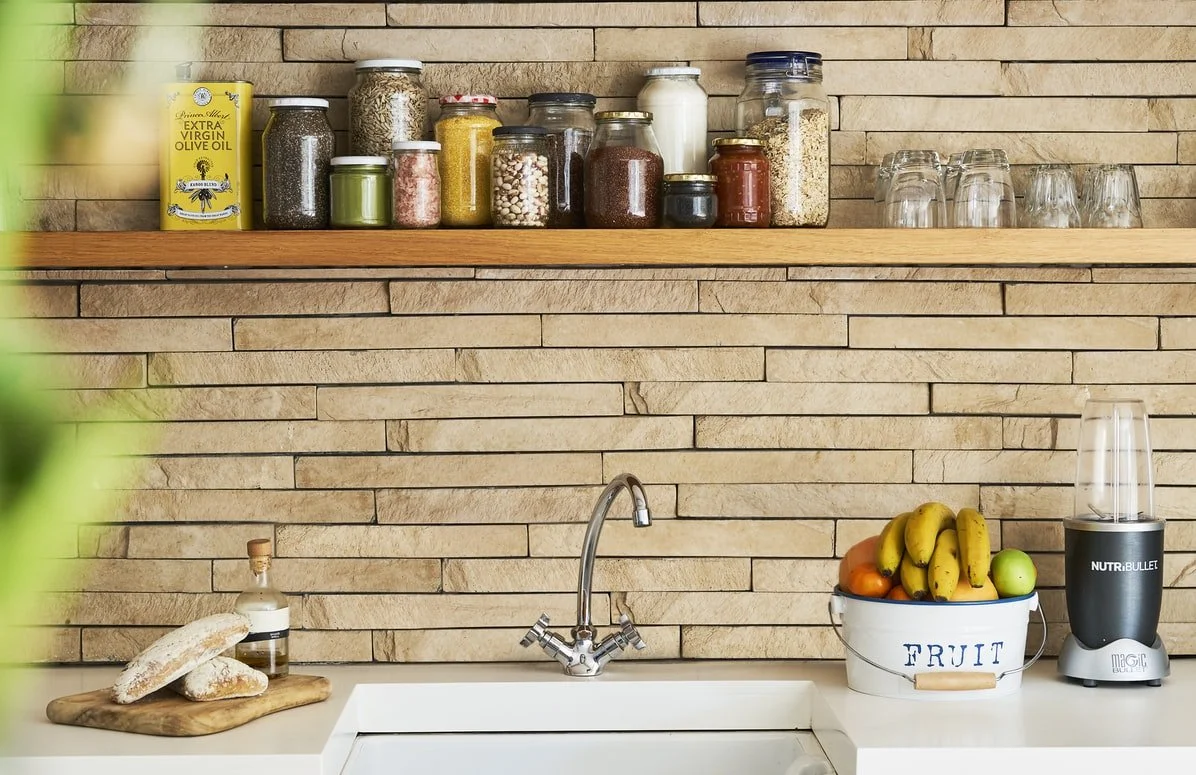
7 DIY Organization Hacks for Your Home
Organizing your home can be tricky, but it can make your life 10 times easier. Clearing up the clutter alleviates stress. It will put you and your housemates at ease. Read on for some tips on how to hack home organization and storage.
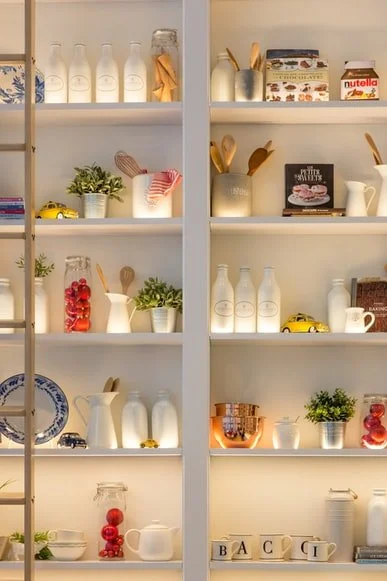
Organizing your home can be tricky, but it can make your life 10 times easier. Clearing up the clutter alleviates stress. It will put you and your housemates at ease. Read on for some tips on how to hack home organization and storage.
Hang clipboards—hanging clipboards is a great way to keep track of important information. You can either buy different types of clipboards and get creative to make your own.
Fridge magnets—if you don’t have fridge magnets, make some! Get creative, and try making your own out of bottle caps. You can also get a cute set from the store. Then, set up an organizational system for your magnets. It’s a great way to let everyone know what’s going on in the house, because everyone has to visit the kitchen at some point!
Repurpose tin cans—if you put some cute paper over a tin can, it can make for a great pencil or pen holder. It can also hold less obvious things, like flowers, scissors, or whatever fits best.
Food labels—you can make your own, or you can try out food label templates. There are different styles to choose from, ranging from vintage to minimalist. If you use a lot of bins or jars, you (and your guests) will be satisfied with this organizational system.
Bread tags for cord organization—okay, hear this one out: write on old bread tags, and wrap them around cords. You’ll know exactly which cord goes where, and you won’t waste any more time unplugging and replugging each one to see what lamp it corresponds with.
Repurpose an old drawer for underbed storage—if you have a piece of furniture you don’t use anymore and you’re lacking bins, try taking it out and using it under a bed. Chances are, it’ll look nicer than a storage bin. If you need it to move more easily, try adding padding or wheels to the bottom.
A wine rack as a towel holder—if you roll up the towels correctly, they’ll fit perfectly on an old wine rack. It's a great way to get some extra storage, especially if your bathroom is a small space.
Hopefully, you can use at least one of these to make your life a little easier. Now start storing!

Downsizing Your Home for Retirement: 6 Tips for Older Adults
For a comfortable retirement, you need a large amount of money saved. One of the most common ways older adults increase their savings is by downsizing their homes. Selling your home will most likely result in cash windfall, and a smaller home means lower monthly expenses. In addition, you’ll spend less on utility bills, renovations, and maintenance. If you haven’t paid off your current mortgage, a new home with a lower mortgage will free up space from your budget. All of these savings will add a large chunk to your retirement fund.
For a comfortable retirement, you need a large amount of money saved. One of the most common ways older adults increase their savings is by downsizing their homes. Selling your home will most likely result in cash windfall, and a smaller home means lower monthly expenses. In addition, you’ll spend less on utility bills, renovations, and maintenance. If you haven’t paid off your current mortgage, a new home with a lower mortgage will free up space from your budget. All of these savings will add a large chunk to your retirement fund.
If you’re nearing retirement and have concluded that downsizing is a great move for you, you want to do it right. You want to avoid many mistakes, such as accepting a low-ball offer for your home, keeping a piece of furniture that is too big, or not considering if you can age in place.
For people who already have a small house and can’t consider moving to a smaller one, doing essential updates for your old home and renting it out might be more advisable. Otherwise, we’ve listed our recommended practices for downsizing your home.
Take note of all the expenses
The point of downsizing is to save you money, but it doesn’t mean you won’t spend anything. There are a lot of fees you have to keep in mind if you want your downsizing to be smooth-sailing.
Moving to a new neighborhood means owing monthly home association fees. The more services and amenities the community offers, the higher the cost will be.
Preparing your house for the market means expenses, too. Repainting walls, installing new flooring, and other improvements mean you have to dish out some money.
Keep in mind that home insurance won’t necessarily decrease if you move to a smaller home. The proximity of your new home to hazards can even make insurance premiums larger than before.
Yes, you can sell your house without a realtor, but why would you? Hiring a real estate agent will take a lot of work off your hands and will speed up the process. Of course, real estate agents take commissions, and it’s an expense you have to take note of.
There are other expenses associated with downsizing. How much you will spend will vary from case to case. What’s important to remember is that keeping track of your expenses is the first step to spending money wisely.
Decide on the retirement lifestyle you want
A lot about downsizing will depend on what kind of retirement you want to have. The financial goal you have to set for yourself should be in accordance with the costs of your retirement lifestyle. Having these well thought out before making any moves will allow you to understand better how you can achieve the retirement you want.
Be realistic
Selling the home you’ve lived in for most of your life, along with all the other possessions, is not easy but might be necessary for your retirement goal. You might feel like putting a hefty price tag on your house because of the sentimental value you’ve given it, but that would only make it hard for you to sell it. This is where real estate agents come in. They will provide you with honest answers regarding your house’s value.
Donate or sell unnecessary items
You probably have plenty of items in your current house that you just left gathering dust in your basement. While you might not want to let go of them due to sentimental value, selling them off or donating them will free up space and make moving a lot easier. If you have stuff that are still in good condition, you can open a garage sale or list them in Facebook Marketplace or Craigslist to get rid of them and turn a profit. You can also just donate them to charities which will make sure someone will benefit from them.
Manage your emotions
Downsizing isn’t just a financial challenge — it can also stir up negative emotions such as sadness, anxiety, and grief. The thought of letting go of your home where you made a lot of special memories and going through all the objects that will remind you of them are likely to put you in a hurricane of emotions.
If you find yourself going through emotional turmoil while downsizing, it’s advisable to talk to your friends or relatives that you trust. They can help you go through these emotions and put you in a better state. If, by any chance, you don’t have anyone to speak to, consider getting professional help. You don’t need to be mentally ill to seek therapy.
Plan for a new routine
Moving to a smaller home might mean having an entirely new routine, especially if you’re moving far from your previous neighborhood. Before moving, plan a new routine by researching cafes you can go to, clubs you can join, or other activities you can get involved in within your soon-to-be neighborhood. Having a new routine planned will save you time trying to adapt to your new community.
Downsizing is a big retirement move that many people would have to consider when the time comes. It isn’t an easy task, and it requires a lot of planning. If you’re downsizing, give time to think about it thoroughly so you can spot anything that might become a problem. Consider all the expenses, decide on a retirement lifestyle, be realistic, sell unwanted items, manage your emotions, and prepare for a new routine. These aren’t the end-all and be-all of downsizing tips, but they will go a long way in making the move successful.
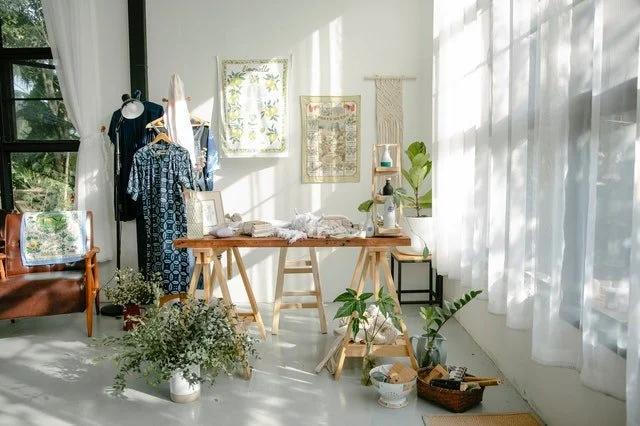
Tips for Better Hobby Organization and Storage
If you’re in need of some tips for better hobby organization and storage, this is the right place to be. Start organizing your craft room-slash-nook today!
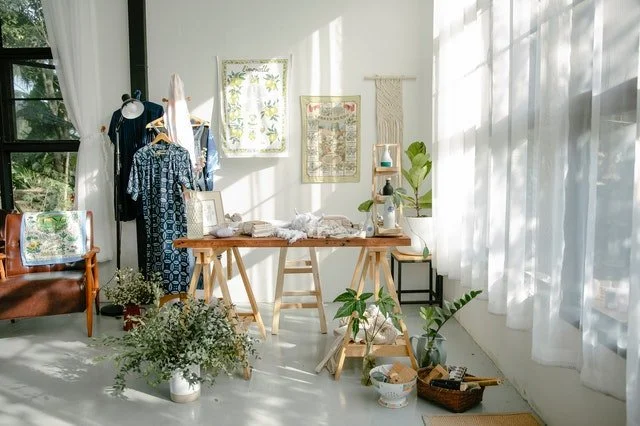
Gorgeous minimalistic craft room
In a world of full-blown technology addiction and lives structured around work rather than play, few things can be more fulfilling than a little hands-on crafting or a trip to nature. But any passionate crafter and hobbyist will tell you a hobby is far more than just a simple pastime. No matter what form it takes, hobbies can nurture our creative side, feed our soul, bring mindfulness into our lives, boost our overall health, and help us grow as a person. So, it's not hard to see why we deem our little craft nook or room a sacred place. That said, there's probably nothing that can crush creativity, motivation, and exhilaration quite as much as clutter and chaos in our personal sanctuary. If keeping your space neat is a bit of a problem area for you, like for many crafters, we give you some valuable tips for better hobby organization and storage.
Go back to square one
Do you wish to be completely thorough in organizing your hobby room? If yes, then clearing the space and starting from there may be the best approach. And by this, we don't mean just getting rid of your old materials, patterns you don't intend to complete, and leftover bits of projects. We're talking blank canvases, bare bones, and that sort of thing. Completely emptying the space allows you to look at the area through a fresh pair of eyes, which is vital for the following step.
Get building

Now that you've got everything out of the space, it's time to start planning the area and get building. If you're short on space, perhaps the most practical solution for better hobby organization and storage is to choose an empty wall to dedicate to shelving units. Shelves and cubbies can be customized according to your needs and the area's available space. It should give you plenty of space to store your tools, supplies, and other equipment in one place but also free up some floor space and the rest of the room for your actual work.
You can also opt for some hook and panel wall storage for holding all kinds of smaller items. For example, if you're designing a home gym, these work wonderfully for hanging jump ropes or resistance bands. Or, if you're setting up a sewing room, you can hang your pattern collection for display.
Other than wall storage, we've seen lots of crafters resort to a customized table or desk. The top serves as their primary workspace, whereas built-in storage drawers add the convenience of setting up the supplies right under the work surface, thus providing easy access to the most-used items.
Organize tools by craft
How do you categorize your tools and supplies when everything is crammed into random boxes or cluttering your work surface? Although a quick Google search will uncover a sea of organizing methods touted by expert crafters, organizing by craft, such as scrapbooking, painting, sewing, knitting, etc., is probably the most prevalent one. This allows crafters to whip out whatever they might need in one fell swoop. But, in the end, there is no one right way to do this. Perhaps the best thing you can do for yourself is store things in categories that make sense to you. Of course, you can always tweak your system later. So, if you want to do some experimenting with the categories, go for it.
Find everything a home

After you've gathered your tools and supplies and organized them by category, it's time to move on to the next step. Assigning a designated spot for everything may be one of the most important guidelines for effective hobby organization and storage.
While sorting the items for your current crafts, odds are your subcategories emerged as well. Now you know what you want to store. So, let this guide you as you head out to the local shop to purchase some storage solutions like Tupperware, baskets, and clear bins, as well as some organizers.
Then, start sorting the contents of each category into those smaller categories, placing your items into storage containers. For instance, if you're sorting out your knitting supplies, you would have categories like these: needles, yarn, patterns, notions, works in progress. Also, suppose you need to store and keep your camping equipment safe. Make sure to purchase bins in different sizes because you'll need bigger totes for things such as tents, chairs, hammocks, and other large camping gear. In contrast, you'd need smaller totes for items like water filters, first aid kits, and hammocks.
Don’t save things “just in case”
At this point, it's essential to include a little decluttering session. While in the sorting stage, keep a lookout for anything that no longer tickles your fancy. This could consist of supplies for the crafts or a craft you no longer do. Got it? Now kiss it goodbye. Throw it away, give it away, or sell it. Sure, it might feel painful at first, but once you've pared down to the essentials, you'll feel light as a feather – and your craft room organization will too.
Emphasize functionality and accessibility

You probably won't use your hobby area only for storing your supplies and equipment but for actual work. So, think about how your ideal space would look like, not only in terms of aesthetics but functionality as well. Consider what you might need to include in it to make it work for you. Here are some ideas:
Establish your central command area. A good rule is to establish an area where you get your crafting done. Doing so will help you avoid spreading your projects and supplies all over the house. A simple desk or table will work well.
Store frequently-used items in plain sight. Keep the containers and baskets of your frequently-used items close to your workspace and in plain sight. There are few things more frustrating than having to stop in the middle of your crafting process to look for that ever-elusive pair of scissors.
Use bins without lids. This way, you won’t find yourself stacking items on top of bins instead of opening them and putting items away. This is, of course, unless you plan on stacking bins on top of one another, which is necessary sometimes.
Think about portability. Creating kits of supplies for specific projects will make it easy for you to move from room to room, from inside to your backyard, as well as to leave the house for group projects and clubs.
Label everything. Labeling is a huge game-changer when it comes to organizing your hobby room or storage successfully. It makes both finding items and putting them away easy.
Leave extra space. Inevitably, craft supplies of any serious crafter grow exponentially over time. Regardless of how much of a minimalist you strive to be, it’s going to happen. So, do yourself a solid and remember to leave some extra space for those supplies heading your way.
Establish some ground rules for neatness
Congrats! You've successfully conquered the craft catastrophe that once was. From now on, you just have to make sure to keep it that way for more than a few hours. This may not be so easy, given you're using the space regularly, but it is crucial for better hobby organization and storage that remains in top shape. For starters, try setting a daily 5-minute tidy timer. The reason this method is so effective is that five minutes isn't at all long – so you'll stay motivated. Still, it's long enough for you to make a significant difference in your hobby room before the time is up. However, it's hardly a cure-all. So, you will need a better plan. True craft addicts might consider scheduling a deep-clean day once a week, whereas those who are only popping in the room once or twice a month could schedule it once a month.

