

A resource for those seeking information on organizing and transforming spaces.

How To Declutter in an Environmentally Friendly Way
When a new year quickly approaches, it is an excellent time to look around your home and think about how you can clean and declutter your space so you can start off on the right foot. There are likely many parts of your home that look cluttered, and as you go from room to room, you will see areas of improvement. Clearing clutter is important for staying organized, and it can also improve your mental health.
We partnered with a home improvement company. for this post. The opinions in the post are honest. All reviews and opinions expressed in this post are based on our personal views. We are excited because we know you will love it.
When a new year quickly approaches, it is an excellent time to look around your home and think about how you can clean and declutter your space so you can start off on the right foot. There are likely many parts of your home that look cluttered, and as you go from room to room, you will see areas of improvement. Clearing clutter is important for staying organized, and it can also improve your mental health.
When many of us begin to rid our homes of stuff we don’t need, we often think about throwing everything in the trash. However, all of that waste loads up our landfills and causes pollution, so it is essential that you find a more eco-friendly method. Today, we will talk a bit about decluttering and how to help the planet in the process.
How To Start Decluttering
Over the last few years, many of us have been spending more time at home, and in order to maintain our sanity, we need to declutter and organize our living spaces so that everything has its place. When our house is messy, it is not only a pain to get around, but subconsciously, we also feel like we are losing control of our lives, and that isn’t good for our family life. Clutter can also make you less productive if you work from home.
Some people quit before they even start because they feel like there is too much to do and that the mess will never go away. However, all you need to do is take it one room at a time. As you go to each new room, look at the items stored there and target the items that you have not touched or used in the last year. The chances are good that if you haven’t used a particular item in a long time, you probably won’t use it again.
Put all of those items in separate piles for donation, trash, and recycling.
You can make a lot of headway by looking through your closet. Again, think about what hasn’t moved in the last year. If you haven’t worn it during the last four seasons, then you probably won’t again. Do the same process for your shoes and accessories.
Properly Disposing of Items
While we have grown accustomed to throwing items in the trash that we no longer need, it is important to be judicious about what you toss in the trash. When we load up the landfills, the garbage just tends to sit there. When this happens, garbage can leak into the soil and waterways, polluting our lakes and oceans — a reminder of why responsible waste management is essential to protecting both our environment and our food and water sources. Also, when the garbage just stays in place, it also creates and emits greenhouse gasses that further contribute to climate change.
That is why you must pay close attention to what should be thrown in the trash and what you should recycle. By recycling, we get a chance to reuse those substances to make something new, and it doesn't hurt the environment. There are many things that you may find while decluttering that you didn’t realize could be recycled, including music CDs, DVDs, and ink cartridges, among other items.
If you are not sure what you should throw away and what to recycle, then get some help. You can contact a junk removal company that will ensure that your trash is sent to the right place or to your specifications. Just be sure to research them ahead of time to verify that they are licensed and insured and that they provide the services that you need.
Many people use this time to clear out their filing cabinets of all of the old paperwork that they no longer need. It is essential that you do not just throw the documents into the recycling bin. If you do, then criminals can find it and use the sensitive data to commit crimes like taking out fraudulent loans or setting up phishing scams. Instead, you need to shred everything so it cannot be used after the fact. Keep in mind that it is not wise to throw the shredded paper into the recycling bin because it is too small and cannot be filtered out correctly at the recycling center — and may still end up in the landfill.
Declutter By Giving to Others
When you are clearing out your house, instead of throwing everything away, think about what you can donate. If we all bought our clothing and electronics from donation centers then we would eliminate the need for factories to spew pollution into the air while making brand-new products. By bringing your stuff to the Salvation Army or Goodwill, you allow other people to continue to use what you no longer need, and you’ll be doing a great favor for the environment.
Keep in mind that there are many different companies and organizations that take unique donations. For example, you can bring your old or worn sneakers to Soles4Souls, who will give those shoes to children in need. If you have old mattresses, then you can contact IKEA’s recycling service and they will help haul them away. You can even donate your old underwear to Knickey. When in doubt, look online for a program that can help with your donation needs.
Finally, think about how you can reduce your purchasing needs, so you have less clutter in the first place. You can shop more consciously by purchasing used items, and if you do buy something, have a plan for how you will dispose of it in the future. Also, think about what you can pass down from generation to generation, like kids’ clothes and toys, so you eliminate the need to discard them altogether.
As you can see, there are many ways that you can clean your home and declutter without hurting the planet in the process. Consider these tips, and start the new year off on the right foot.

Items in Your Home You Need To Check on Regularly
To maintain your home, you’re going to need to check on everything fairly often. Here are the items in your home you need to check on regularly.
To be a responsible homeowner, you can’t simply live in your home—you must maintain it regularly. Some parts of your home require more frequent checkups, but other parts can go neglected for years that, in reality, need more regular checks. By checking on everything and ensuring it is well maintained, you keep all parts of your home in working order so nothing can surprise you later. Continue reading as we discuss the different items in your home you need to check on regularly.
The Backyard
The backyard, or yard in general, is an area people often take for granted but don’t care for properly. You may mow regularly or have lawn people come and do their regular work, but you should still get out there and look for anything out of the ordinary. Pests are a common disturbance many find in and around their homes, and by checking your yard regularly, you can start to notice signs and potentially act before it spirals out of control.
In addition to looking for signs of pests, keep your yard clean. Mowing regularly is good, but you should also get rid of leaves or move them to a compost pile, then do the same with fallen tree branches. If you throw all this debris away or keep it isolated in one area far from your home, you should be relatively safe from pests.
Your Car
While this item may not be a part of your home, it’s still something you park at your home and use almost daily. A well-maintained car can drive for years with few issues, but if you take it for granted, you will encounter some issues that lower its value and life span. For example, if you have a Toyota and you’re not regularly checking its battery and ensuring it’s in the best condition, you may end up stranded with a car that won’t start. A dead battery is just one of the reasons your Toyota won’t start, but there are things you can do. Keep an eye and an ear out for anything out of the ordinary with your car, keep your fluids topped off, and don’t drive recklessly. All these things will help keep your car in good shape for years to come.
Heating and Cooling
It’s hard not to think about this system in your home, but many people don’t need to pay too much attention to their systems. They’re able to keep the windows open and keep their system off much of the time because they don’t necessarily need it, and they want to save money on their electrical bill. The principle there is sound, but things can change as soon as the extremely cold and hot months roll around. Check on your AC and heating system periodically throughout the year so you don’t end up in a winter storm with a heating unit that doesn’t work!
Check on these items in your home regularly if you want to keep your home in top condition and prevent anything from disrupting that later. A small bit of maintenance every week or month can keep things in working order for years.
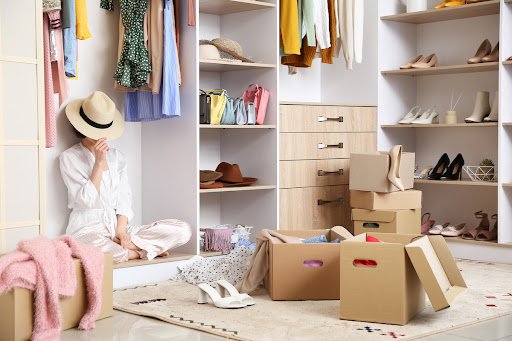
How Being Organized Can Improve Mental Health
Life can be messy sometimes - maybe you have a newborn baby, or you have a project that seems to be consuming all your time. It's natural to have moments where you won't be able to prioritize organizing your surroundings, thoughts, or plans.
Life can be messy sometimes - maybe you have a newborn baby, or you have a project that seems to be consuming all your time. It's natural to have moments where you won't be able to prioritize organizing your surroundings, thoughts, or plans.
However, when the clutter begins to affect your mood and causes you to feel anxious, burnt-out, or depressed, it may be a sign that your mental well-being is suffering.
With so many technological advancements in our current world, we now also have to keep our digital lives organized. Some people may find it stressful to have an overflowing email inbox or a phone filled with unorganized apps. Your brain associates clutter with unfinished business, so you may notice your stress levels rising when your surroundings are messier than normal.
What Are the Mental Health Benefits of an Organized Surrounding?
Research has found that cleaning and decluttering have many positive effects on your mental health. Cleaning also helps to provide a sense of accomplishment and satisfaction. Here are some of the main benefits:
Your house will look clean. The more messy your surroundings are, the more your brain will have to process, which leads to a constant reminder of how much lingering work you have after you complete your task at hand. Having a clean and tidy space allows you to focus on your current task, without distractions.
Increased productivity. People are less distracted and more productive in a clean environment and organized workspace. Since clutter limits your brain's ability to focus on a particular task, you may feel irritated that you aren't as productive as usual.
Peace of mind. A home is often a place of safety and calmness from the chaos of our everyday lives. However, when you come home to a chaotic space, you're not going to feel as relaxed. Having an organized home is a surefire method of bringing peace of your mind, which helps you unwind after long days.
Improve sleep. As previously mentioned, your brain associates clutter with unfinished business. So, if your bedroom isn't tidy before sleeping, you're creating a less peaceful environment where your brain isn't able to completely shut off before sleeping. Furthermore, lack of sleep directly affects your mental health. The more restless nights you have, the higher the impact will be on your well-being.
Reduced anxiety and stress. People often feel that cleaning allows them to take control of their environments, which helps to create a more calming space.
Saves time. Have you been in a situation where you needed something urgently, and looked for it where you thought you had left it, only to come up empty? Looking for an item you once saw becomes increasingly difficult as it gets buried under clutter. If you keep a tidy home, you'll be able to easily find things in your home and won't have to spend time searching.
Tips on Getting Organized
Even after learning the benefits of getting organized, it can be difficult to know where to start. We'll discuss some of our best tips to get your mental health back on track!
Start Small
Rome wasn't built in one day, and neither will your organizational skills. If decluttering every part of your life seems too overwhelming, then don't focus on the big picture. Give yourself time to get into the swing of things, and start by organizing one area a day. If you set manageable goals, you'll likely succeed in getting organized. Consider starting with something as small as a bookshelf, and work your way around the room when you're ready.
Set a Timer
It may be helpful to schedule a set timer while cleaning. Try setting a timer for 15 minutes to clean that bookshelf. Once you complete your first cleaning task, you'll see that you were capable of successfully finishing it, and will be more prone to clean again.
Let Go of What You Don't Need
When you're overwhelmed or anxious, it can be difficult to think clearly and see through the mental clutter. A helpful tip is to let go or donate what you no longer need.
Olivia Parks of Professional Organizer SF says, "An organized home starts with fewer things. Although a tedious process, this is possibly the most important step in organizing a home and keeping it organized. Clients see the most change in their home when they work together to remove unused and unwanted items”.
Ask yourself these questions while sorting out your items:
When was the last time I used this item?
Would it impact my daily life if I no longer owned this item?
Could someone else find benefit from gaining this item?
Is this item adding any value to my life right now?
If it's not easy to get rid of your items, try donating them to a helpful cause, or a friend or family member in need. Gifting a functional present to someone who will use your item more than you is a great way to declutter.
Hire a Professional
If you have the budget to hire someone to help you organize your space, then give it a try. Outsourcing is a wonderful way to free up your time and allow you to focus on more important projects in your life.
Final Thoughts
Being organized doesn't always have to be a burden. If you turn cleaning into a daily, weekly, or even monthly routine, it will no longer feel overwhelming. Once you have a decluttered space, let yourself truly enjoy it and reap the benefits of your improved mental well-being.

Organizing Your Tiny Home
A tiny home is supposed to be a low-cost, stress-free alternative to living in a full-sized house. With only a few rooms to keep clean, it should be easier to live a clutter-free life.
A tiny home is supposed to be a low-cost, stress-free alternative to living in a full-sized house. With only a few rooms to keep clean, it should be easier to live a clutter-free life.
However, you may find that keeping your tiny home clean is a serious challenge. Even a few out-of-place books or leftover mugs can make your whole home look dirty and disorganized. Fortunately, you can make cleaning and maintaining your home that much easier by reorganizing a few key areas.
Closet Space
Tiny homes have a surprising amount of storage space — and for good reason. You probably don’t have spare rooms for things like vacuum hoovers or washing machines, meaning everything has to fit in your immediate living space.
Making the most of your closet space is both an art and a fine science. You’ll need to come up with a way to organize the storage that works for you and your family. Fortunately, there are plenty of storage space hacks to help you get more from small closets and built-in wardrobes.
Start by purchasing some space-saving tools. Hanger chains and track shelves make a huge difference and multiply the amount of clothing you can hang up while you aren’t using them.
When you aren’t wearing seasonal clothing like heavy coats or shorts, keep them in vacuum-sealed compression bags. Compression bags can greatly reduce the amount of space you need to store seasonal clothing and can usually be stacked in a neat and tidy fashion.
External clothing racks usually take up more space than they save in tiny homes, but if you have an attic area they may be a good way to keep your best dresses and suits clean, tidy, and out of sight.
Cozy or Cluttered?
The cozy aesthetic goes hand in hand with tiny homes. Filled bookshelves, warm tones, and a small fireplace can make your tiny home feel like the getaway space you’ve always dreamed of. However, tiny homes that lean into the cozy aesthetic can quickly become cluttered if they aren’t well organized.
Keep your cozy space clean by following the core principles of tidy tiny home decor. Make use of all the wall space you have by installing floating bookshelves in favor of space-consuming bookcases. Wall hooks can also be used for items that double as cozy decors like comfy throws and patterned scarfs.
Avoid using floor space for storage. A cluttered floor detracts from your cozy aesthetic and quickly becomes a hazard. Avoid the temptation to stack books around your home, as these will quickly get knocked over and displaced.
Outdoor Storage
Outdoor storage is your best friend as a tiny homeowner. Being able to store large items like bikes and tents outside will free up space in your house and make your living space look that much cleaner.
If you have a parcel of land surrounding your tiny home, you may want to consider nontraditional outdoor storage spaces like containers. Shipping containers are ideal for storing large items and can be a versatile add-on to your current home space. Large containers can even double as a workshop or home gym area, meaning you don’t have to cram your favorite hobbies into your current living area.
Conclusion
Organizing your tiny home will help you live a clutter-free life. Even small changes, like vacuum packing seasonal clothes, can make a big difference in your home. If you have some outdoor space, consider investing in nontraditional storage like shipping containers. This should give you enough room to store everything that isn’t part of your decor or design in a safe, secure space.

