

A resource for those seeking information on organizing and transforming spaces.

4 Tips for Adjusting to Tiny House Living
Becoming a homeowner is an exciting time in your life, but it may look different from what you had imagined. Explore these tips for adjusting to a tiny house.
We partnered with an home contracting company for this post. The opinions in the post are honest. All reviews and opinions expressed in this post are based on our personal views. We are excited because we know you will love it.

As the cost of living continues to rise, you may seek cheaper solutions to lower your overall spending. On the other hand, you may choose a tiny house in an effort to adopt the minimalist lifestyle. Whatever the case is for you, it can be challenging to adapt to different living conditions than you’ve known your entire life. If you previously lived in a traditional house, you might need a few tips for adjusting to tiny house living or luxury & affordable tiny homes in Australia.
Remove Clutter From Your Life
The most important thing to do when preparing for the tiny house lifestyle is to remove clutter from your life. Clutter can come in many different forms, meaning you’ll have to look at all aspects of your life. Suppose you have tons of clothes and shoes or a massive collection of books—you can’t keep everything in a tiny house. With that said, you should go through your belongings and keep only the necessities.
Set Boundaries With Your Personal Space
Because you don’t have a large area to begin with, you must set boundaries with your personal space. Consider separating your bedroom from the other sections of the house to give yourself some privacy and a place to call your own. If you share the rest of your home with others, keeping one area to yourself is the best way to care for yourself and avoid feelings of being crowded.
Decorate Sparcely
Decorating is one of the most exciting parts of having your own home, but you can’t do quite as much in a tiny house as you could in a traditional build. Try following the dos and don’ts of decorating a tiny home to ensure you don’t go overboard when purchasing decor. Although you may spend more time outdoors since you have a smaller indoor space, you should still personalize your home—just do it minimally.
Utilize Digital Storage
It’s no secret that most people have a ton of important files and documents they can’t part with, and you’re likely no exception. You don’t have to get rid of these files, but you probably won’t have space for a file cabinet, either. With that in mind, consider utilizing digital storage. Simply scan your files and documents and save them on an external hard drive. Shred and recycle the paper and store your hard drive in a safe place.
Hopefully, these tips for adjusting to tiny house living will help you make the most of your new lifestyle. Tiny houses aren’t for everyone, but a few helpful pointers could make the adjustment period a little more bearable.

How to organize your home
Having an organized home has many benefits. It can reduce stress, help declutter your space and make it easier to find things in your daily life. But getting organized doesn’t have to be a tedious task.
How To Organize Your Home
Having an organized home has many benefits. It can reduce stress, help declutter your space and make it easier to find things in your daily life. But getting organized doesn’t have to be a tedious task.
How To Organize Your Home Step By Step
1. Assess Your Space, Items, And Needs
Make a list of everything in each room and identify which ones should stay or go depending on their condition, utility, or sentimental value.
2. Set Up Zones And Storage Areas
Create designated places for different items, so they’re easy to find when needed. Investing in organizing products such as bins, racks, drawers, and shelves will come in handy for this task.
3. Declutter And Donate
Get rid of items you don’t need anymore and donate them to charities or thrift stores. This will give your home a tidy look and make room for new things if needed.
4. Clean Thoroughly
Once you have sorted out the clutter, it’s time to clean everything well! Dust surfaces, wipe down walls and floors, and vacuum carpets to get rid of any dirt or dust left behind from the organizing process.
5. Put Everything Back In Its Place
Now that you have an organized space ensure all items are returned to their designated places after use so they can be easily found when needed.
Ways to Make Organizing Your Home Fun
Organizing your home can be enjoyable with the right attitude and approach.
Here are some tips for making organizing your home a fun activity:
Involve family members – Get everyone on board and involve them in the process. Assign tasks to each family member to make it a team effort.
Play music – Put on some upbeat tunes while you organize and have fun doing so.
Have a reward system– Set up rewards such as snacks or treats to motivate yourself and your family during the organizing process.
Best Items To Use For Organizing Your Home
To keep your home organized, you should invest in products that will help you maintain order.
Here are some of the best items to use for organizing your home:
Baskets – Baskets are great for storing and organizing items such as toys, books, and clothes.
Shelves: Installing shelves is another great way to organize items in any room of your house, from the bathroom to the kitchen. Depending on their location, you can use them for storage or display purposes.
Racks & Hooks– Wall racks and hooks are perfect for hanging jackets, coats, towels, or anything else that takes up too much space in your closet or drawers.
Drawers & Containers– Drawers and containers are great for storing items such as toiletries, cleaning supplies, or any other items you want to keep hidden away.
Benefits Of Keeping Your Home Organized
The benefits of keeping your home organized are more than just making it look tidy and aesthetically pleasing.
Here are some advantages of organizing your house:
Save time – Having an organized space means you don’t have to spend too much time looking for items when needed.
Stress relief – Tidying up can help reduce stress levels by creating a calm, clutter-free environment that is conducive to relaxation.
Clarity and focus – A neat and well-organized home can increase productivity and help you focus on important tasks.
Boost creativity – Having an organized space can help boost your creativity as you have few distractions so that you can focus on the task.
More efficient use of space – With proper organization, every inch of your home can have a purpose that suits your needs.

A Place For Everything And Everything In Its Place: Organizing Your Home & Car Inside & Out
Are you tired of frantically searching for your car keys when you are running late or trying to find an item that has mysteriously disappeared in the chaos of a cluttered home? While having too much stuff can certainly contribute to disorganization, organization is actually all about designating a spot for everything and keeping things where they belong.
Are you tired of frantically searching for your car keys when you are running late or trying to find an item that has mysteriously disappeared in the chaos of a cluttered home? While having too much stuff can certainly contribute to disorganization, organization is actually all about designating a spot for everything and keeping things where they belong.
Making some simple changes around your house and car doesn’t have to be overwhelming; with the right tips and information, anyone can learn how to maximize their space while restoring order.
As we explore the many ways that organizing our belongings will make life easier, let's begin by discussing how removing clutter from our homes can help us reclaim energy and feel less overwhelmed.
Organize your car by keeping only the essentials in the trunk and glove box
Your car is an extension of your home, so why not make it as organized and clutter-free as possible? Keeping your glove box clean and uncluttered is a great way to ensure everything you need can easily be found. Store vehicle paperwork, registration, and insurance cards in a separate folder, as well as any other items you may need in case of an emergency.
If you have small children, keep a travel bag packed with snacks, drinks, and toys to make long trips more enjoyable. For larger items like gym bags or shopping bags, designate a spot in the trunk or back seat to make sure everything stays organized.
Organizing your car can provide peace of mind, so be sure to do it on a regular basis.
Declutter your home by getting rid of anything you don't need or use
It's easy to accumulate things over time, but it also pays to take a look at your home and be honest about what you need and what has served its purpose. The idea of "a place for everything, and everything in its place" is a great one when it comes to decluttering. Doing an overall clean-out can be difficult, but start small and set incremental goals that are achievable - maybe focus on the pantry or the office first, then work up to those bigger spaces.
Having an organized space is not only visually pleasing, but it can also reduce stress levels. Taking the time to do a deep clean-out might just be one of the best investments you can make in yourself.
Create specific places for everything in your home, from the kitchen to the bedroom
Creating specific places for all items in your home is an important step in establishing organization and improving productivity. For the kitchen, it can be as simple as using drawer organizers to separate pot lids from pot holders and spoons from spatulas. In the bedroom, use shelving units to store folded clothes and closet rods to allow for hanging items.
Toys should go into a toy box, extra blankets are best stored neatly stacked on shelves or in bins, bedroom decor can be attractively hung or placed on dressers, and charging cords should be coiled up and stored away in drawers.
Each home is unique with its own organizational needs, so take some time to determine what works best for you and your family when creating specific places for everything.
Develop a routine for putting things away so that everything stays tidy.
Developing a routine for putting things away is a great way to keep your home, car, and workspace organized. If you tend to leave items in various places around your house, take some time to create a system that works best for you. For example, designating one spot for incoming mail, another for outgoing mail, and a third for magazines or catalogs can help ensure that all your papers are in their place.
Have kids? Make sure to teach them early on the importance of putting things away when they are done playing - this will make life much easier as they grow older!
Once you have your routine in place, make sure to stick with it and remind others in your house to do the same. This will help keep your home clean and clutter-free.
A functional and visually pleasing environment
Organizing can be a daunting task, but with a little bit of effort, it can make a big difference in your daily life. By having a place for everything and making sure everything is in its place, you can create an environment that is both functional and visually pleasing. Start small and set realistic goals, and soon enough, you’ll be living in an organized home that is stress-free!
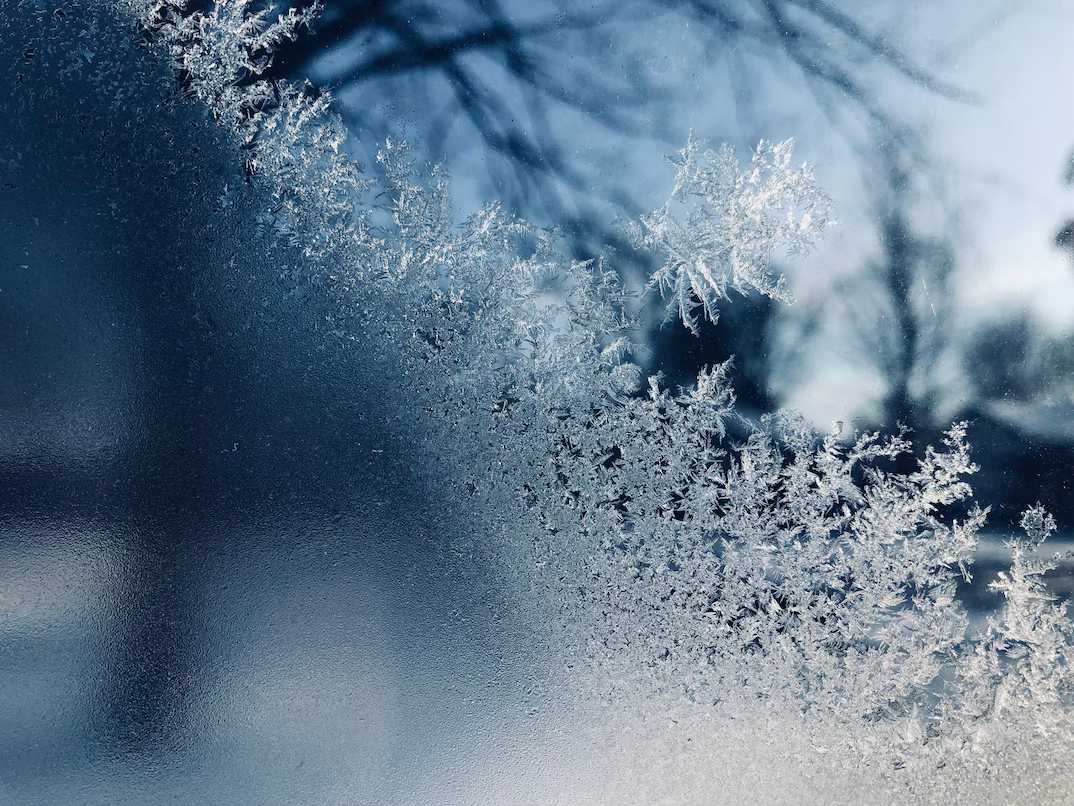
7 Ways to Stop Your Pipes Freezing this Winter
As winter sets in and the temperature plummets, the last thing you need is frozen pipes in your home. It's bad enough trying to cope without running water, but you could end up with a major leak that damages ceilings, flooring and furniture.
As winter sets in and the temperature plummets, the last thing you need is frozen pipes in your home. It's bad enough trying to cope without running water, but you could end up with a major leak that damages ceilings, flooring and furniture.
Why are frozen pipes an issue?
When pipes freeze, your supply of water might be interrupted for a while. But worse than this, a frozen pipe can split or separate at the joint. Then you could have a disaster on your hands. When water freezes, it expands. If the frozen water is inside a pipe, the expansion process either breaks the material or pushes the joints apart.
As soon as the water thaws again, it will pour out of the splits or gaps. A small amount of water can cause a lot of damage to property. Damage that is expensive to repair is stressful to deal with. Avoid all of this by reading our 7 tips for preventing frozen pipes.
7 tips for preventing frozen pipes.
1. Insulate your pipes
Lagging material for pipes is inexpensive to buy and easy to install. All the pipes in cold areas should be carefully insulated, so get to work in the attic, basement and garage. Look at where pipes enter and leave your home – if they are exposed at this point, then they should be properly insulated too.
If you’ve covered your pipes a long time ago, check them again to make sure that they are still in good order. Some insulation material perishes after a while.
2. Close down your garden
In the Fall, it’s a good idea to shut your garden down and get it ready for winter. Along with sweeping up leaves and bringing in delicate plants, spare some time to care for your pipes and faucets.
Disconnect the hose pipe and empty any trapped water before putting it away. Insulate outdoor faucets with faucet covers (these are available at DIY stores).
Cover outlets such as overflow pipes or heating drain. It’s all part of winter preparation for the home. Here are some other seasonal tips to consider too.
3. Seal gaps and cracks
Take a close look around the areas where pipes come into the property. You may find there is a gap where freezing air gets in. Check the area where the walls meet the foundations, there might be a gap that shouldn’t be there.
These openings can cause cold spots that might freeze any pipes nearby. You’ll find several products on sale that will help you seal gaps, most of these chores can be completed by a DIYer.
4. Get your plumbing updated
If you have an older house or know that some issues need attention, you should get things sorted before winter. Some of these jobs should be looked at by a plumber.
Getting these niggling jobs completed now can prevent you from suffering from a failed water supply, frozen pipes, or leaks when you need them least.
5. Set your thermostat
Although it’s tempting to turn the heating off to save money, it could be a false economy if you end up with frozen pipes. Instead, when it’s frosty outside, keep the heating on most of the day and night but with the thermostat on low.
A steady warmth will stop pipes from getting cold enough to freeze. This is a top tip if you’re going away for a few days. Leave the heating system on, but turn the temperature down to around 55 degrees F. Ensure that you have an adequate boiler in place, otherwise having a boiler replacement might be on the cards.
6. Let the warm airflow
If you know you have pipes in some of the coldest parts of the home, make sure those spaces get a warm flow of air daily. Regularly open doors to the basement, leave cabinets ajar, undo the attic hatch and unlock spare rooms. Do this on the coldest days to circulate a little heat around the whole building.
7. Leave a faucet dripping
This tip is controversial! Some swear by it and others say it doesn’t work but if you leave one faucet dripping all the time, the water inside your pipes is constantly moving. Running water doesn’t freeze, so this makes a degree of sense.
A final note
It isn’t too difficult to stop your pipes from freezing in the winter. It just takes a bit of preparation and a small budget. Using the tips above, you can prevent leaks and the devastating damage a burst pipe can cause.
If you find you have a frozen pipe, what should you do? First of all, before you attempt to thaw it out, locate your shut-off valve and isolate the water supply. You never know how much harm has been done to the hidden plumbing, so you might want to call in a professional before matters get worse.

