

A resource for those seeking information on organizing and transforming spaces.
10 Essential Tips for Organizing Your Home After a Recent Move
Moving into a new home presents the perfect opportunity to create an organized and efficient living space. As you embark on this exciting journey, implementing effective organization strategies can help you make the most of your new environment. From planning your layout to establishing daily routines, here are 10 indispensable tips to help you master home organization after a recent move.

Moving into a new home presents the perfect opportunity to create an organized and efficient living space. As you embark on this exciting journey, implementing effective organization strategies can help you make the most of your new environment. From planning your layout to establishing daily routines, here are 10 indispensable tips to help you master home organization after a recent move.
1. Begin with a Thoughtful Layout:
Creating a well-thought-out layout for each room sets the foundation for successful organization. Consider the flow of traffic, the placement of furniture, specially the Oak furniture, and the utilization of space. By planning ahead, you can save time and energy in the long run.
Visualize room layouts before moving furniture
Consider traffic flow and space utilization
Save time and energy with strategic planning
2. One Room at a Time:
The process of unpacking and organizing can feel overwhelming, especially after a move. To stay organized and prevent unnecessary stress, focus on one room at a time. This approach allows you to give each space the attention it deserves.
Prevent overwhelm by focusing on one room
Devote attention to detail and organization
Maintain motivation and order throughout the process
3. Streamline Through Thoughtful Decluttering:
Before you start organizing, take the opportunity to declutter your belongings. As you unpack, assess each item's value and functionality. Donate, sell, or responsibly dispose of items you no longer need or use.
Evaluate items as you unpack
Donate, sell, or responsibly dispose of unused items
Create a clutter-free foundation for effective organization
4. Elevate Storage Solutions:
Invest in smart storage solutions that optimize space and contribute to the aesthetic appeal of your home. Consider items like floating shelves, under-bed storage containers, and versatile furniture pieces with built-in storage.
Invest in innovative storage options
Use modular shelving, multipurpose furniture, and decorative bins
Enhance organization while adding aesthetic value
5. Curate by Functionality:
Organize your belongings based on their functionality and frequency of use. Designate spaces for specific activities and group similar items together. This approach makes it easier to find what you need when you need it.
Group items by function and usage frequency
Assign logical spaces for different categories
Simplify daily routines through strategic organization
6. The Power of Labels:
Labeling boxes, containers, and shelves is a simple yet effective way to maintain organization. Clear labels save time and prevent the frustration of searching for items. Use labels to indicate contents, categories, and even expiration dates.
Label boxes, containers, and shelves
Facilitate quick access to items
Prevent frustration and save time searching
7. Nurture Designated Zones:
Assign specific areas for frequently used items to prevent clutter from accumulating. Create zones for essentials like keys, mail, and shoes. Having designated spaces for these items ensures they're always within reach and easy to locate.
Create specific areas for frequently used items
Establish zones for keys, mail, and shoes
Minimize clutter accumulation with dedicated spaces
8. Establish a Family Space:
Set up a central hub where your family can stay organized and informed. Include a bulletin board for important announcements, a family calendar, and a filing system for documents. This command center fosters communication and coordination.
Set up a central hub for family communication
Include a bulletin board, family calendar, and filing system
Foster coordination and organization within the household
9. Master Closet:
Make the most of your closet space by using organizers, hangers, and storage bins. Arrange clothing items by type, color, and season. This not only keeps your closet tidy but also makes it easier to choose outfits.
Optimize closet space with organizers and hangers
Arrange clothing by type, color, and season
Transform closets into functional and orderly spaces
10. Cultivate Daily Rituals:
Consistency is key to maintaining an organized home. Develop daily organization rituals such as tidying up before bed or designating a specific time each day to put things back in their designated places. These small habits can prevent clutter from accumulating.
Develop consistent daily organization routines
Dedicate time for tidying up and restoring order
Prevent clutter accumulation and maintain an organized home
Conclusion:
According to Mr Safiullah Home Improvement content writer Organizing your home after a recent move requires careful planning and dedication, but the results are well worth the effort. By implementing these 10 invaluable tips, you'll create a living space that not only reflects your personal style but also promotes efficiency and comfort. From optimizing storage to establishing daily routines, each step contributes to a harmonious and clutter-free home that supports your lifestyle. As you settle into your new surroundings, remember that organization is an ongoing process – embrace it and enjoy the benefits of an organized home.

How to Organize Your Dining Room for Entertaining Guests
Discover tips to organize your dining room for entertaining guests, from seating to lighting. Make every dinner unforgettable
Entertaining guests is an art, and the heart of this art often lies in your dining space. An organized dining room exudes elegance and speaks volumes about your attention to detail. When you organize your dining room for entertaining guests, you ensure a seamless experience for them, from when they sit down to when they finish their dessert. A well-arranged space eliminates distractions, allowing guests to relax and enjoy the company truly. The connection between room organization and comfort is undeniable. It's the key to creating memorable evenings and making them feel truly at home.
Setting the Stage: First Impressions
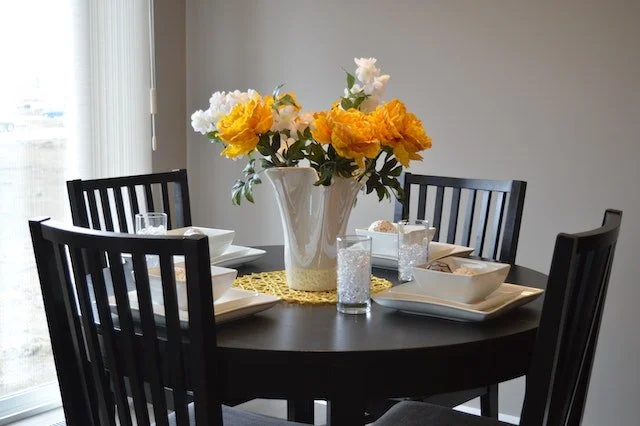
A dining room's first impression is much like a theatre's opening act – it sets the stage for the evening's main event. Decluttering tabletops and sideboards is the first step towards creating a captivating yet calming atmosphere. An uncluttered space immediately feels more welcoming, offering an unspoken promise of an organized meal ahead. Additionally, strategically arranging furniture promotes easy movement and fosters engaging conversation flows. And what's a dining table without its crown? A centerpiece acts as the focal point, and by combining aesthetics with function, you can transform a mundane table into a conversation starter, be it with candle arrangements or seasonal florals.
Maximizing Seating without Sacrificing Comfort
Maximizing seating without compromising on comfort is the delicate dance of a seasoned host. It begins with wisely selecting seating based on your guest count. The arrangement should never feel cramped, whether an intimate gathering or a larger soiree. Folding chairs and extendable tables emerge as an entertainer's best-kept secret, offering flexibility without forsaking style. But seating isn't just about chairs and tables but the experience. Cushions and throws play a pivotal role here. While seemingly simple, these additions can elevate the comfort quotient immensely, allowing you to relax in style and ensuring a memorable dining experience.
Lighting: Setting the Mood for Your Evening

Lighting is the unsung hero of a memorable evening, weaving a mood that words often can't. Ambient lighting provides the overarching glow, setting the base tone. Task lighting, however, focuses on specific areas, like the table, ensuring guests can see their plates. Accent lighting adds depth and dimension, highlighting room features. The real magic lies in creative solutions: dimmers to fine-tune brightness, candles for a touch of romance, and fairy lights for whimsy. But a master host knows the pitfalls of lighting extremes. Overly bright spaces can feel clinical, while too dim can be disorienting. Striking the perfect balance is key to an unforgettable dining experience.
Decluttering & Storage Solutions: Hide the Unnecessary
In the world of dining and moving, decluttering is paramount, according to the research conducted by SF Moving. Moving prompts a reevaluation of our possessions, and the dining room is no exception. Smart storage hacks come to the rescue for common items, ensuring your space remains functional yet chic. Sideboards, storage benches, and cabinets are not just furniture but potential goldmines of space. By prioritizing items, you simplify meal preparations and make future moves easier. That entails keeping essentials within reach and tucking away seldom-used pieces. Embrace the mantra: a place for everything and everything in its place, whether setting a table or planning a move.
Organize Your Dining Room for Entertaining Guests: Functional Buffet and Serving Stations
A functional buffet or serving station is a beacon of hospitality, seamlessly guiding guests through an epicurean journey. Designating a specific area for this purpose optimizes space and streamlines the dining experience. An organized buffet, with clear start and end points, ensures your visitors move effortlessly, avoiding traffic jams and awkward plate juggling. Beyond mere functionality, a buffet is a canvas to showcase your aesthetic. From tiered platters that maximize vertical space to thematic tableware displays reflecting the meal's essence, a well-curated buffet station marries the art of presentation with the promise of a delightful feast ahead.
Personal Touches: Making Your Dining Room Feel Like Home

When you organize your dining room for entertaining guests, it's not just about order and functionality; it's about soul. Personal touches, whether cherished family photos, eclectic artwork, or treasured heirlooms, breathe life into the space, making it uniquely yours. Such elements stir conversations and create connections. However, there's a finesse to incorporating them. Overdoing can make a room feel cluttered, detracting from its primary purpose. The trick is to find a balance—melding functionality with personal style. For instance, a vintage bowl or heirloom can serve as a fruit holder or a framed family portrait can become a conversation starter at dinners. Such thoughtful integrations ensure it doesn't just entertain but resonates warmth and memories.
Pre-Event Checklist: Your Final Touches Before Visitors Arrive
Before guests step in, the pre-event checklist acts as a host's final review, ensuring no detail is overlooked. Begin with a swift walk-through, scanning for any out-of-place items. As you set the table, every detail, from the gleaming flatware to crisply folded napkins, contributes to the overall ambiance. It's more than just aesthetics; it's about functionality. Ensure that everything is within easy reach for the visitors. Moving beyond the table, consider the room's comfort. Adjust the temperature for a cozy atmosphere. Introduce gentle scents, perhaps through subtle candles, to uplift the mood. And finally, the soft hum of background music, carefully chosen, sets the perfect tone, completing the scene for an evening of delightful memories.
Conclusion
In the dance of hospitality, the stage plays a pivotal role. A well-organized dining room becomes the foundation upon which memorable evenings are built. As we've journeyed through the nuances of how to effectively organize your dining room for entertaining guests, the interplay of functionality and style emerges as a recurring theme. While each dining space tells a unique story, reflecting its owner's flair, the undercurrent remains consistent: guest comfort. As you embark on this hosting journey, remember to mold the space in your image, but always with the guests' experience at its heart. After all, true elegance lies in a seamless blend of style and warmth.

Decluttering With A Purpose: Making The Most Of Your Dumpster Rental
The journey to a clutter-free space often involves substantial disposal of accumulated junk, outdated furniture, or remnants from renovation projects. A dumpster rental can be an indispensable tool in this process.
We partnered with a waste management company for this post. The opinions in the post are honest. All reviews and opinions expressed in this post are based on our personal views. We are excited because we know you will love it.
The journey to a clutter-free space often involves substantial disposal of accumulated junk, outdated furniture, or remnants from renovation projects. A dumpster rental can be an indispensable tool in this process.
While the thought of renting a dumpster, filling it, and then having it taken away may seem simple, maximizing the value and efficiency of that rental requires careful planning. This article dives deep into the best practices to get the most out of your dumpster rental in decluttering your home.
1. Perfectly Sizing Up Your Needs
One of the primary considerations is the size of the dumpster. Renting a container that’s too small might force you to deal with overflow or rent a second dumpster. Conversely, an overly large one wastes resources.
To avoid that, assess the magnitude of your cleanup: will a weekend suffice, or is it a month-long renovation project? Factoring in the room for unforeseen waste can prevent future headaches. Engaging with professionals and discussing your requirements can also yield valuable advice on the optimal size.
2. Navigating The Cost Complexities
Budgeting for a dumpster rental involves more than just looking at the headline price. Hidden costs can lurk in the form of weight overages, extended rental durations, and particular waste-type fees. Being informed about the dumpster's weight limit is essential.
Exceeding this limit can not only damage the container but also inflate costs significantly. Therefore, before committing, ask the rental company about all potential fees and read the rental agreement thoroughly.
3. Laying The Groundwork For Drop-Off
Efficiency starts with preparation. The designated area for the dumpster should be clear, easily accessible, and spacious enough for the delivery truck. If you’re concerned about your driveway or the surface where the dumpster will rest, protective measures like placing plywood or boards underneath can guard against damage. By prepping the area, you also ensure swift drop-off and pick-up, minimizing disruptions to your day.
4. Navigating The Tossing Terrain
A dumpster, despite its size, isn’t a catch-all. Certain items are either legally or company-specifically prohibited. This is especially true when dealing with specialized disposals like a construction waste skip bin, where materials might differ from typical household waste. Hazardous waste, certain electronics, and items like tires can often be off-limits.
To prevent the inconvenience of having to retrieve and dispose of such items separately, always consult the company’s guidelines. Furthermore, consider local regulations, as municipal laws can also influence what's permitted.
5. Efficient Loading
The way you load a dumpster can drastically affect how much it holds. Systematic loading can be likened to playing a real-life game of Tetris. Break down larger items into manageable pieces.
The mantra here is 'heavy items at the bottom,' creating a solid foundation. Fill gaps and crevices with smaller debris to optimize every square inch. This approach ensures stability, prevents the shifting of waste, and maximizes capacity.
6. Safety
While decluttering is the primary focus, safety should never be an afterthought. A filled-to-the-brim dumpster can be hazardous, with the risk of items falling out or creating obstacles. Using protective gear—gloves, safety goggles, and even protective footwear—can shield against potential injuries. Moreover, maintaining a buffer zone around the dumpster keeps curious kids and pets from harm's way.
7. The Art Of Scheduling
Timing is pivotal. The rental duration should align closely with your project's timeline. While weather is unpredictable, aim for periods less prone to rain or snow, as moisture can weigh down waste and fill up the dumpster faster.
If your project encounters unforeseen delays, communicate with the rental company well in advance. Proactivity here can often lead to flexible solutions and prevent abrupt fees.
8. Embrace Recycling And Donations
Amid the hustle of decluttering, it's essential to stay environmentally conscious. Segregating recyclables is a step towards sustainable disposal. Some companies even have provisions for separate bins or specific disposal methods for such materials.
Beyond recycling, consider the power of donation. Many items, though redundant for you, can be invaluable for others. Local charities or community centers can often benefit from gently used items.
9. The Right Partner Makes A Difference

The selection of a rental company influences the experience immensely. Factors such as transparency in pricing, responsiveness to queries, and flexibility can differentiate an average provider from an exceptional one.
Take the time to research, peruse reviews, and even seek recommendations. The right partner can ease potential stress points and offer insights to streamline the decluttering process.
10. A Race Against Time
The clock starts ticking once the dumpster is dropped off. Efficient planning, therefore, becomes crucial. Create a systematic plan to ensure that you fill the dumpster progressively over the rental period. Avoid last-minute scrambles by keeping a checklist of items and areas to address. As the end date nears, do a thorough sweep to ensure nothing gets left behind.
Concluding Thoughts
While a dumpster rental seems like a straightforward service, the difference between a satisfactory and an outstanding experience lies in the details. Whether it's meticulous planning, prioritizing safety, or making eco-conscious decisions, every choice impacts the outcome. As you set forth on your decluttering journey, remember that maximizing the potential of your dumpster rental is both an art and a science.

Organizing for Multigenerational Homes: Harmony in Shared Spaces
Discover the art of organizing for multigenerational homes. Learn to create a space where everyone thrives.
How do you blend the bustling energy of youngsters with the peaceful routines of older people? We will unveil the secrets to curating spaces that bridge age gaps, nurture connections, and transform houses into homes that echo with laughter, support, and the timeless rhythm of family. We'll guide you through the art of organizing for multigenerational homes.
Creating Functional Shared Spaces
Firstly, designing these spaces requires a masterful blend of art and intention. The cornerstone of a functional space is an open layout—an area that breathes and connects, fostering conversations that crisscross generations and an atmosphere of warmth. Yet, within this openness, we cannot overlook the need for personal retreats, alcoves of solitude that offer respite and reflection. Additionally, it's about identifying pieces that wear versatility as their hallmark, seamlessly adapting to the dynamic preferences of the young and the comfort-oriented requirements of the elderly.

The furniture weaves connections between generations, from convertible seating morphing with a twist to ingenious storage solutions that embrace function and form. If you already have great furniture you want to reuse, remember to use the right packing supplies as Zapt Movers California suggests. With high-quality furniture now in place, grandparents can regale their grandchildren with stories of yesteryears, and parents can unwind after the day's hustle. As daylight wanes and laughter fills the air, these shared spaces transcend their physical dimensions, transforming into a tapestry of shared experiences, laughter, and understanding.
Designing for Accessibility
Catering to the needs of elderly family members stands as an imperative as we embrace inclusivity within our shared spaces. That entails weaving features like handrails, ramps, and non-slip flooring into our design tapestry. These elements facilitate mobility and underscore our commitment to creating an environment where all can thrive. When considering the comfort architecture, the bedrooms' arrangement takes center stage. For older adults, a ground-floor bedroom becomes a haven of ease. This choice sidesteps the stairs challenge, ensuring their sanctuary is within easy reach. So, as sunsets paint the sky and weary bones seek rest, this thoughtful gesture resonates deeply.
Yet, accessibility extends its arms beyond the corridors. It ventures into the most intimate corners of our abode: the bathrooms. Here, installing grab bars and adjustable fixtures becomes a non-negotiable investment. Safety knows no age, and these installations stand as sentinels, guarding against slips and providing a secure foundation for all generations. So, accessibility isn't just about features; it's about fostering an environment where every member feels valued and at home regardless of age or ability. Moreover, it's about recognizing that our shared spaces embody our collective commitment to one another's well-being.
Personalizing Individual Spaces
These spaces are more than mere corners; they're canvases for identity to unfurl. When organizing for multigenerational homes, individuality is key. A harmonious home embraces diversity while upholding unity. Encouraging each family member to infuse their personal touch into their spaces fosters a sense of ownership and cultivates an atmosphere of inclusivity. You can downsize your home to personalize it without creating clutter.
Furthermore, you can keep an inventory of everything in storage for easy access. If you are unsure how to create a home inventory, remember that a list can help you maintain order easily. With a clutter-free home, you can easily achieve a conflict-free environment.

While personalization brings uniqueness, cohesion remains the heart's desire. Balancing the two is an art worth mastering. Imagine a painter using a consistent color palette across their canvas, creating a visual melody that resonates from scene to scene. In much the same way, you can highlight shared spaces with shared elements. So, add a consistent color scheme, complementary decor, or thematic accents. Overall, these threads of continuity tie the tapestry together, forming a visual narrative that's as pleasing as it is cohesive. Ultimately, personalization isn't about clashing uniqueness but about harmonizing it.
Shared Responsibilities and Chores
Next, these tasks aren't mere duties; they're the threads that stitch together the fabric of everyday life, fostering a spirit of collaboration and mutual support. A chore chart stands as a roadmap to harmony. Assigning tasks fairly among family members is like orchestrating a well-balanced composition, where each instrument plays its part to create a symphony of functionality. From sweeping floors to setting the table, each contribution is a note that resonates with the rhythm of togetherness.
So, to infuse variety and prevent the humdrum of routine from setting in, the art of rotating responsibilities comes into play. Much like seasons changing, rotating tasks keep the household dynamic and engage each family member in diverse ways. Additionally, this rotation breathes new life into familiar chores and ensures that every individual has an opportunity to contribute their unique strengths. At its core, shared responsibilities are more than just a means to an end; they're a tangible expression of care and shared investment in the household's well-being. Moreover, they remind us that everyone plays a vital part in nurturing the home regardless of age or role.
Conflict Resolution and Flexibility

Navigating conflicts requires a skillful hand and an open heart. Active listening becomes a torch that illuminates the path to resolution. By lending our ears and embracing empathy, we unlock the door to understanding each other's perspectives. Finding common ground is the compass that steers us toward unity—a reminder that shared values and aspirations lie beneath differences. Flexibility is the glue that keeps the family mosaic intact. Just as the seasons change, so does the family dynamic.
Adaptation is the secret to weathering these shifts with grace. The roles that elders once played might evolve, and the interests of the young might transform. Embracing these changes with an open mind is key to preserving harmony amid evolution. The art of conflict resolution and flexibility is a journey of growth and transformation. Once you defuse disagreements and reach compromises, the family emerges stronger, each member contributing to the rich narrative of coexistence.
Summary On Organizing For Multigenerational Homes
In the intricate dance of multigenerational living, the canvas of shared spaces becomes a masterpiece of unity. Families can harmonize diverse generations into a tapestry of connection by valuing communication, personalization, and organizing for multigenerational homes. Embracing each member's interests, boundaries, and contributions nurtures an environment where the old and the young coexist with empathy. Through conflicts navigated and bonds strengthened, the home becomes a sanctuary where generations thrive together, creating lasting memories and forging unbreakable ties.

