

A resource for those seeking information on organizing and transforming spaces.

Top 6 Tips to Organize Your Home Office For Maximum Productivity
Working from home has become the new normal for many professionals. While it has its benefits, one of the biggest challenges is staying productive and focused in your home office. With your home being a place of comfort and relaxation, it can be challenging to maintain a structured work environment. But with the right organization, you can create a productive and efficient home office that sets you up for success. Here are the top six tips for organizing your home office for maximum productivity.
Working from home has become the new normal for many professionals. While it has its benefits, one of the biggest challenges is staying productive and focused in your home office. With your home being a place of comfort and relaxation, it can be challenging to maintain a structured work environment. But with the right organization, you can create a productive and efficient home office that sets you up for success. Here are the top six tips for organizing your home office for maximum productivity.
1. Declutter and Get Rid of Unnecessary Items
The first step to organizing your home office is to declutter and get rid of anything that you don't need. This includes papers, files, office supplies, and any other items that are not relevant to your work. Be thorough and consider what you need to keep versus what you can discard or donate. This will open up space and allow you to focus on what's really important.
2. Invest in Quality Storage Solutions
Storage is key in any office space, and your home office is no exception. Invest in storage solutions that help you store your essentials in an organized and accessible manner. This includes shelves, filing cabinets, desk organizers, and storage containers. When shopping for storage solutions, consider your needs and the available space in your home office.
3. Create a Dedicated Work Zone
Creating a dedicated work zone is essential to maintaining productivity and focus. This could be a separate room, a corner of a room, or a well-defined desk area. Make sure it is comfortable, well-lit, and equipped with all the essential equipment and supplies you need to do your work effectively. Consider using partitions or screens to create some privacy and minimize distractions.
4. Keep Your Workspace Clean
The state of your workspace can have a significant impact on your productivity and mindset. Make a habit of keeping your workspace clean and tidy. This includes wiping down surfaces regularly, organizing your papers and files, and disposing of trash. By keeping your workspace clean, you create a clutter-free environment that minimizes distractions and promotes focus.
5. Create a Schedule and Stick to It
Having a schedule can help you stay on track and maintain focus. Create a schedule that outlines your workday, including breaks and task lists. This will help you stay accountable and ensure that you are making progress towards your goals. Be realistic with your schedule and be sure to set aside time for important tasks and meetings.
6. Organize Your Digital Space
In today's digital age, organizing your digital space is just as important as organizing your physical space. This includes organizing your emails, files, and digital documents in a structured and accessible manner. Consider using cloud storage solutions like Dropbox or Google Drive to store your files, and use email filters to organize your inbox. When organizing your digital space, be sure to stay secure by using strong passwords and backing up your data regularly.
In conclusion, these six tips can help you organize your home office for maximum productivity. Whether you're a remote worker, freelancer, or small business owner, a well-organized workspace is essential to your success. Remember to declutter, invest in quality storage solutions, create a dedicated work zone, keep your workspace clean, create a schedule and stick to it, and organize your digital space. With the right organization and mindset, you can create a productive and efficient home office that sets you up for success.

Designing With Purpose: Custom Garage Doors For A Clutter-Free Home
Your home reflects your inner self and can shape your life in ways you may not realize. Clutter can cause chaos in your surroundings. Aside from affecting your well-being, it can also have a psychological impact. Messy environments can cause stress, reduce productivity, and impede decision-making abilities.
We partnered with a garage door company for this post. The opinions in the post are honest. All reviews and opinions expressed in this post are based on our personal views. We are excited because we know you will love it.

Your home reflects your inner self and can shape your life in ways you may not realize. Clutter can cause chaos in your surroundings. Aside from affecting your well-being, it can also have a psychological impact. Messy environments can cause stress, reduce productivity, and impede decision-making abilities.
The human brain is excellent at processing visual information. However, a crowded space can diminish this function, making you unable to focus. Visual distractions hamper cognitive flexibility and limit innovative thinking. They may also cause negative emotions, leading to guilt, frustration, and helplessness.
Inspiring spaces foster creativity and clarity. Mental clarity helps protect you from stress and uncertainty. A clear mind can process and integrate knowledge more efficiently, making it more receptive to new information. So, instead of making impulsive purchases for your custom garage doors, you can make informed decisions based on product details and reviews.
As you declutter your physical space, you may apply similar principles to your schedule, relationships, and commitments. Being mindful can lead to a more fulfilling and purpose-driven life. Here are some pointers when designing custom garage doors for a clutter-free home:
1. Minimalist Design
One of the first factors to consider when creating custom garage doors for a clutter-free home is using a minimalist style. A clean, streamlined look enhances the garage doors’ aesthetic appeal and promotes a clutter-free environment. Avoiding elaborate details, decorative patterns, and unnecessary embellishments will help keep dust and dirt at bay.
Sleek lines, smooth surfaces, and fundamental elements are common features of minimalist garage door designs. A simple design can achieve aesthetic harmony between your garage doors and your home’s architectural design. Furthermore, choosing modern materials like glass, steel, or aluminum can create a contemporary and clutter-free look.
2. Storage Solutions
Integrating storage solutions can keep your environment organized. Add built-in shelves, cabinets, or racks to the garage door structure. Tools, sporting goods, gardening materials, and other items will have a place with these organizers.
Consider these tips:
Concealed Storage: Garage doors with hidden storage compartments are a novel way to declutter. These isolated wall parts can match your unique garage doors. You can store small items, like gardening gloves, cleaning supplies, and automotive tools.
Vertical Storage: Creating custom garage doors with vertical storage maximizes space. You can store bicycles, brooms, rakes, and other long or heavy objects. Store and organize using hooks, pegboards, or wall-mounted organizers. Vertical storage saves floor space while adding storage, visibility, and accessibility.
Custom Shelves: Custom shelving and cabinetry promote organization. These unique storage options can store sports, gardening, and automobile supplies. Consider depth, height, and accessibility when building your custom shelves. They can help keep your space clean.
Smart Storage: Ceiling-mounted storage racks can store rarely used items, saving floor and wall space. Automated lifts may safely hang kayaks, surfboards, or paddle boards from the ceiling, when not in use. Technology and ingenuity can help you organize your garage to meet your lifestyle and decrease clutter.
Labeling bins, containers, and shelves can maintain tidiness. This solution makes objects easier to find and prevents them from getting jumbled. Regular cleaning can help keep your garage area looking organized.
3. Multi-Functional Spaces
Creating custom garage doors with multiple functions requires a careful approach. Customizing garage doors to divide areas lets you have a normal garage, workshop, and specialized storage zone in one space. This idea allows you to maintain the parking space without clutter while having distinct places for specific tasks.
You can construct custom garage doors with built-in partitions or panels to access individually. This flexible design lets you modify the room to meet your urgent demands. Imagine opening the workshop area while the storage rooms remain hidden, and vice versa.
4. Reflective Surfaces
Reflective surfaces can create a sense of spaciousness and foster a clutter-free ambiance. You can use glass panels, mirrors, or shiny metal on your custom garage doors’ surface. These items can reflect natural and artificial light, making the space feel brighter and more open.
Reflective surfaces give the garage depth, making it appear larger. When paired with appropriate lighting, these surfaces can make the garage warm and inviting. Whether entering or leaving the garage, light on reflective surfaces adds refinement.
5. Use Of Neutral Colors
The color palette you choose is vital in promoting a clutter-free look. Choosing neutral or light colors for your custom garage doors can foster a sense of openness and cleanliness. Neutral colors suit a range of architectural styles. Whether you choose soft gray, muted beige, or white, your custom garage doors can complement your home’s style.
6. Sliding Or Folding Doors
Choosing the right garage door style is crucial for clutter-free living. Sliding or folding garage doors let you use the entire interior without worrying about door movement clearance. Folding doors open in parts and stack neatly, whereas sliding doors travel horizontally along tracks. Both options maintain the inside and outside clear, which is essential for a clutter-free appearance.
Conclusion
These design principles can maintain a clutter-free home environment that combines practicality, aesthetics, and organization. You may focus on simplicity and efficient storage to enhance your home’s appeal and functionality.
Creating an environment that promotes mental clarity and focus is crucial. When you declutter and organize your space, it helps clear your mind of unnecessary distractions. Hence, you can make decisions with a fresh perspective.
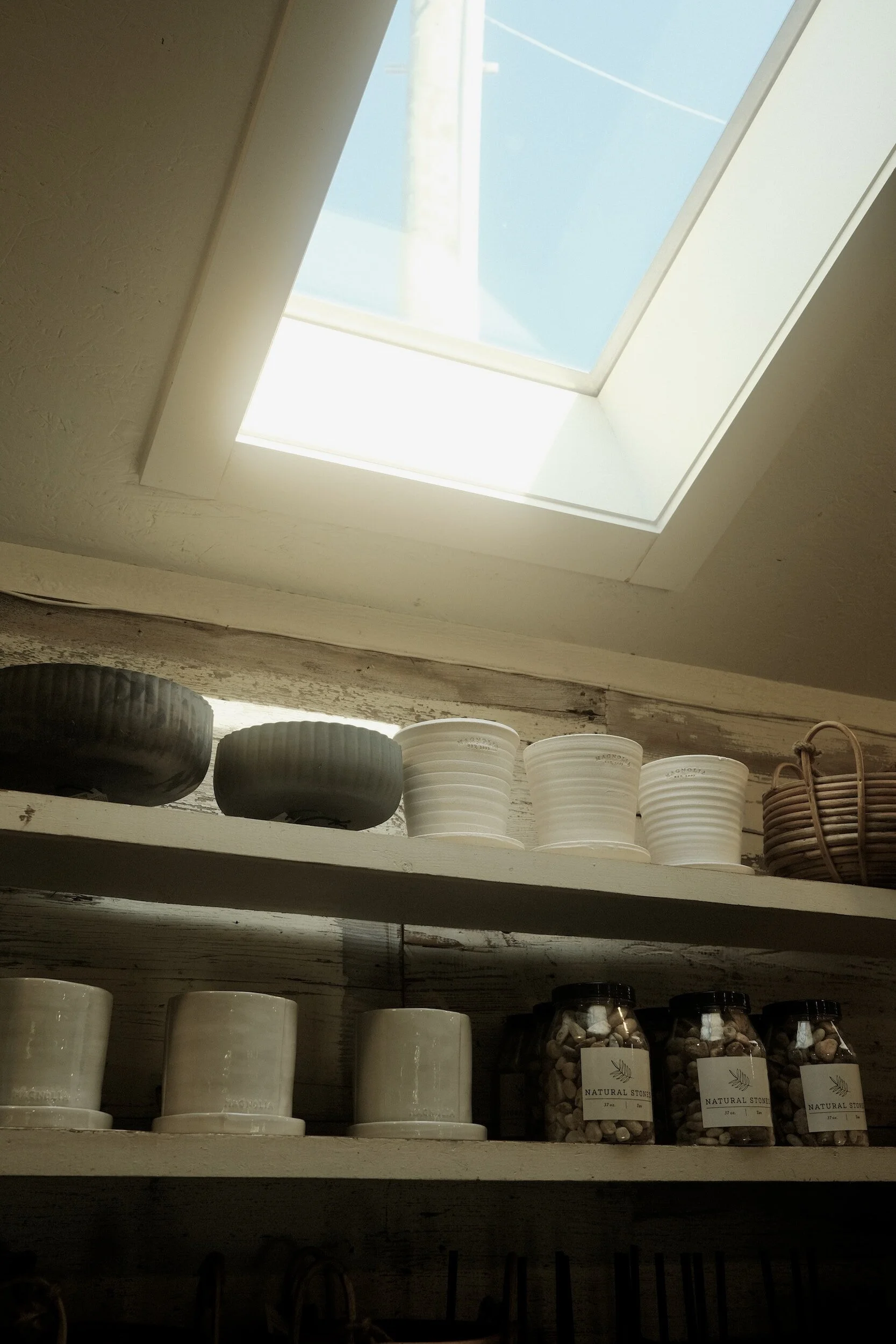
10 Essential Tips for Organizing Your Home After a Recent Move
Moving into a new home presents the perfect opportunity to create an organized and efficient living space. As you embark on this exciting journey, implementing effective organization strategies can help you make the most of your new environment. From planning your layout to establishing daily routines, here are 10 indispensable tips to help you master home organization after a recent move.

Moving into a new home presents the perfect opportunity to create an organized and efficient living space. As you embark on this exciting journey, implementing effective organization strategies can help you make the most of your new environment. From planning your layout to establishing daily routines, here are 10 indispensable tips to help you master home organization after a recent move.
1. Begin with a Thoughtful Layout:
Creating a well-thought-out layout for each room sets the foundation for successful organization. Consider the flow of traffic, the placement of furniture, specially the Oak furniture, and the utilization of space. By planning ahead, you can save time and energy in the long run.
Visualize room layouts before moving furniture
Consider traffic flow and space utilization
Save time and energy with strategic planning
2. One Room at a Time:
The process of unpacking and organizing can feel overwhelming, especially after a move. To stay organized and prevent unnecessary stress, focus on one room at a time. This approach allows you to give each space the attention it deserves.
Prevent overwhelm by focusing on one room
Devote attention to detail and organization
Maintain motivation and order throughout the process
3. Streamline Through Thoughtful Decluttering:
Before you start organizing, take the opportunity to declutter your belongings. As you unpack, assess each item's value and functionality. Donate, sell, or responsibly dispose of items you no longer need or use.
Evaluate items as you unpack
Donate, sell, or responsibly dispose of unused items
Create a clutter-free foundation for effective organization
4. Elevate Storage Solutions:
Invest in smart storage solutions that optimize space and contribute to the aesthetic appeal of your home. Consider items like floating shelves, under-bed storage containers, and versatile furniture pieces with built-in storage.
Invest in innovative storage options
Use modular shelving, multipurpose furniture, and decorative bins
Enhance organization while adding aesthetic value
5. Curate by Functionality:
Organize your belongings based on their functionality and frequency of use. Designate spaces for specific activities and group similar items together. This approach makes it easier to find what you need when you need it.
Group items by function and usage frequency
Assign logical spaces for different categories
Simplify daily routines through strategic organization
6. The Power of Labels:
Labeling boxes, containers, and shelves is a simple yet effective way to maintain organization. Clear labels save time and prevent the frustration of searching for items. Use labels to indicate contents, categories, and even expiration dates.
Label boxes, containers, and shelves
Facilitate quick access to items
Prevent frustration and save time searching
7. Nurture Designated Zones:
Assign specific areas for frequently used items to prevent clutter from accumulating. Create zones for essentials like keys, mail, and shoes. Having designated spaces for these items ensures they're always within reach and easy to locate.
Create specific areas for frequently used items
Establish zones for keys, mail, and shoes
Minimize clutter accumulation with dedicated spaces
8. Establish a Family Space:
Set up a central hub where your family can stay organized and informed. Include a bulletin board for important announcements, a family calendar, and a filing system for documents. This command center fosters communication and coordination.
Set up a central hub for family communication
Include a bulletin board, family calendar, and filing system
Foster coordination and organization within the household
9. Master Closet:
Make the most of your closet space by using organizers, hangers, and storage bins. Arrange clothing items by type, color, and season. This not only keeps your closet tidy but also makes it easier to choose outfits.
Optimize closet space with organizers and hangers
Arrange clothing by type, color, and season
Transform closets into functional and orderly spaces
10. Cultivate Daily Rituals:
Consistency is key to maintaining an organized home. Develop daily organization rituals such as tidying up before bed or designating a specific time each day to put things back in their designated places. These small habits can prevent clutter from accumulating.
Develop consistent daily organization routines
Dedicate time for tidying up and restoring order
Prevent clutter accumulation and maintain an organized home
Conclusion:
According to Mr Safiullah Home Improvement content writer Organizing your home after a recent move requires careful planning and dedication, but the results are well worth the effort. By implementing these 10 invaluable tips, you'll create a living space that not only reflects your personal style but also promotes efficiency and comfort. From optimizing storage to establishing daily routines, each step contributes to a harmonious and clutter-free home that supports your lifestyle. As you settle into your new surroundings, remember that organization is an ongoing process – embrace it and enjoy the benefits of an organized home.

How to Organize Your Dining Room for Entertaining Guests
Discover tips to organize your dining room for entertaining guests, from seating to lighting. Make every dinner unforgettable
Entertaining guests is an art, and the heart of this art often lies in your dining space. An organized dining room exudes elegance and speaks volumes about your attention to detail. When you organize your dining room for entertaining guests, you ensure a seamless experience for them, from when they sit down to when they finish their dessert. A well-arranged space eliminates distractions, allowing guests to relax and enjoy the company truly. The connection between room organization and comfort is undeniable. It's the key to creating memorable evenings and making them feel truly at home.
Setting the Stage: First Impressions
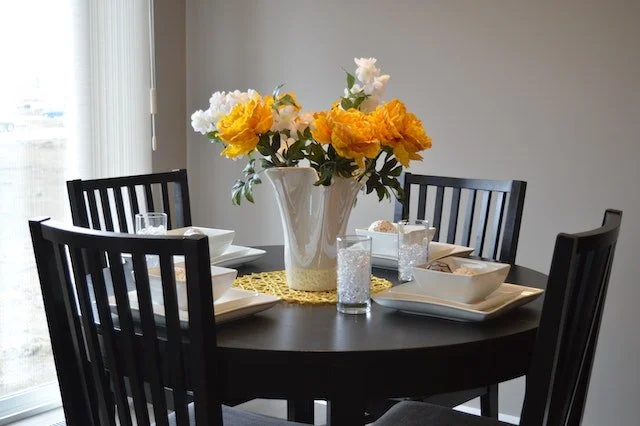
A dining room's first impression is much like a theatre's opening act – it sets the stage for the evening's main event. Decluttering tabletops and sideboards is the first step towards creating a captivating yet calming atmosphere. An uncluttered space immediately feels more welcoming, offering an unspoken promise of an organized meal ahead. Additionally, strategically arranging furniture promotes easy movement and fosters engaging conversation flows. And what's a dining table without its crown? A centerpiece acts as the focal point, and by combining aesthetics with function, you can transform a mundane table into a conversation starter, be it with candle arrangements or seasonal florals.
Maximizing Seating without Sacrificing Comfort
Maximizing seating without compromising on comfort is the delicate dance of a seasoned host. It begins with wisely selecting seating based on your guest count. The arrangement should never feel cramped, whether an intimate gathering or a larger soiree. Folding chairs and extendable tables emerge as an entertainer's best-kept secret, offering flexibility without forsaking style. But seating isn't just about chairs and tables but the experience. Cushions and throws play a pivotal role here. While seemingly simple, these additions can elevate the comfort quotient immensely, allowing you to relax in style and ensuring a memorable dining experience.
Lighting: Setting the Mood for Your Evening

Lighting is the unsung hero of a memorable evening, weaving a mood that words often can't. Ambient lighting provides the overarching glow, setting the base tone. Task lighting, however, focuses on specific areas, like the table, ensuring guests can see their plates. Accent lighting adds depth and dimension, highlighting room features. The real magic lies in creative solutions: dimmers to fine-tune brightness, candles for a touch of romance, and fairy lights for whimsy. But a master host knows the pitfalls of lighting extremes. Overly bright spaces can feel clinical, while too dim can be disorienting. Striking the perfect balance is key to an unforgettable dining experience.
Decluttering & Storage Solutions: Hide the Unnecessary
In the world of dining and moving, decluttering is paramount, according to the research conducted by SF Moving. Moving prompts a reevaluation of our possessions, and the dining room is no exception. Smart storage hacks come to the rescue for common items, ensuring your space remains functional yet chic. Sideboards, storage benches, and cabinets are not just furniture but potential goldmines of space. By prioritizing items, you simplify meal preparations and make future moves easier. That entails keeping essentials within reach and tucking away seldom-used pieces. Embrace the mantra: a place for everything and everything in its place, whether setting a table or planning a move.
Organize Your Dining Room for Entertaining Guests: Functional Buffet and Serving Stations
A functional buffet or serving station is a beacon of hospitality, seamlessly guiding guests through an epicurean journey. Designating a specific area for this purpose optimizes space and streamlines the dining experience. An organized buffet, with clear start and end points, ensures your visitors move effortlessly, avoiding traffic jams and awkward plate juggling. Beyond mere functionality, a buffet is a canvas to showcase your aesthetic. From tiered platters that maximize vertical space to thematic tableware displays reflecting the meal's essence, a well-curated buffet station marries the art of presentation with the promise of a delightful feast ahead.
Personal Touches: Making Your Dining Room Feel Like Home

When you organize your dining room for entertaining guests, it's not just about order and functionality; it's about soul. Personal touches, whether cherished family photos, eclectic artwork, or treasured heirlooms, breathe life into the space, making it uniquely yours. Such elements stir conversations and create connections. However, there's a finesse to incorporating them. Overdoing can make a room feel cluttered, detracting from its primary purpose. The trick is to find a balance—melding functionality with personal style. For instance, a vintage bowl or heirloom can serve as a fruit holder or a framed family portrait can become a conversation starter at dinners. Such thoughtful integrations ensure it doesn't just entertain but resonates warmth and memories.
Pre-Event Checklist: Your Final Touches Before Visitors Arrive
Before guests step in, the pre-event checklist acts as a host's final review, ensuring no detail is overlooked. Begin with a swift walk-through, scanning for any out-of-place items. As you set the table, every detail, from the gleaming flatware to crisply folded napkins, contributes to the overall ambiance. It's more than just aesthetics; it's about functionality. Ensure that everything is within easy reach for the visitors. Moving beyond the table, consider the room's comfort. Adjust the temperature for a cozy atmosphere. Introduce gentle scents, perhaps through subtle candles, to uplift the mood. And finally, the soft hum of background music, carefully chosen, sets the perfect tone, completing the scene for an evening of delightful memories.
Conclusion
In the dance of hospitality, the stage plays a pivotal role. A well-organized dining room becomes the foundation upon which memorable evenings are built. As we've journeyed through the nuances of how to effectively organize your dining room for entertaining guests, the interplay of functionality and style emerges as a recurring theme. While each dining space tells a unique story, reflecting its owner's flair, the undercurrent remains consistent: guest comfort. As you embark on this hosting journey, remember to mold the space in your image, but always with the guests' experience at its heart. After all, true elegance lies in a seamless blend of style and warmth.

