

A resource for those seeking information on organizing and transforming spaces.

How Does It Work And How To Use It Effectively
Self-storage is a convenient and affordable way to safely store your belongings. Learn how it works and how to use it effectively in this guide.
We partnered with a home improvement firm for this post. The opinions in the post are honest. All reviews and opinions expressed in this post are based on our personal views. We are excited because we know you will love it.
How Does Self-Storage Work?
With so many people and companies trying to get their lives in order, self-storage has become an essential service. Self-storage units are the right solution if you need to downsize, move, or just make some much-needed space in your home.
In this article, we will go over the world of self-storage and why you should consider renting a self-storage in Willerby, Hull.
What is Self-Storage?
Self-storage involves renting a storage unit at a self-storage facility, also known as a storage locker.
These facilities are secure and convenient extensions of your home, office, or business, providing a safe place to store your belongings.
In the past few years, the self-storage business has grown quickly, and now, many storage companies offer a range of storage units. There are indoor and outdoor units to meet the needs of different people.
There are a lot of storage sites across the country, so it's important to know how they work.
How Does Self-Storage Work?
When you use self-storage, you embark on a straightforward yet highly efficient process. Here's a step-by-step guide on how it all works:
1) Choosing the right unit
The first step is selecting the perfect self-storage unit that meets your requirements. Units come in various sizes, from small lockers to larger spaces that store household goods, furniture, and even vehicles. If you're looking for climate-controlled storage, there are options for that as well.
If you are unsure of what storage unit size to get, you can use an online space estimator. Reliable storage facilities like Store More offer such feature to help you get an idea of what you can fit into a specific storage unit.
2) Rental Agreement
Once you've chosen your ideal storage unit, you must sign a rental agreement. This document outlines the terms and conditions of using the storage facility, including rental rates, access hours, and other essential details.
3) Moving in
With your storage unit secured, it's time to start moving your belongings in. Many self-storage facilities offer free truck rentals to help transport your items, ensuring a smooth and efficient process.
4) Security measures
Self-storage facilities use several types of protection to keep your things safe. These include video surveillance, gate hours, and climate control, which are crucial for keeping fragile things safe.
Rest easy knowing that your stuff is secure in your chosen self-storage unit. These spaces are equipped with sturdy locks and monitored by staff, providing peace of mind regarding the safety of your possessions.
5) Access and long-term storage
Most facilities offer extended access hours, allowing you to retrieve or store items conveniently. Whether you need to keep your items for a short time or an extended period, self-storage facilities can accommodate your needs.
What to Look For in a Self-Storage Facility
When searching for a prominent self-storage facility in the UK, you should consider the following factors:
Diverse unit sizes
Choose a facility that provides a variety of unit sizes. This will ensure that you’ll find the perfect space for your belongings, whether it's a dining table, wooden furniture, or other items.
Climate control
One of the standout features of many storage facilities is the availability of climate-controlled units. These specialised spaces regulate temperature and humidity, creating an environment ideal for preserving sensitive items like wooden furniture or antique collections. Think of it as a protective shield against the ravages of time.

Top-notch security
Besides alarms, look for video monitoring and stringent security measures, as these will help guarantee the safety of your possessions.
Convenient access hours
Choose a storage facility offering flexible access hours. That way, you can visit your unit at a time that suits you.
Rental trucks
Find a storage facility in the UK that offers free van hire. This will make the moving process to your storage unit hassle-free. At the same time, it will help you cut costs on hiring moving trucks for hauling your belongings.
Long-term storage
If you need to store items for a long time, like a few weeks or months, look for a facility that allows you to do so. Consider also how they will ensure that your items remain safe and damage-free while in storage.
Easy rental process
The rental agreement of your chosen storage facility must be simple and transparent, ensuring a hassle-free experience.
Final Thoughts
In a limited room, self-storage units have become very useful. But you need to find a reliable self-storage facility that offers various storage services and cares about the safety of your belongings. Regain your living or working space after removing clutter and other things that take up room space; check out Store More’s storage units today!

The Art of Downsizing: Moving House When You're Sentimental
Moving can be an exciting new chapter in life, but it can also be challenging, emotional, and even therapeutic. Especially when you have lived somewhere for many years, you have accumulated belongings, memories, and stories that are part of your identity. However, moving requires downsizing your belongings, which can be a daunting task. How do you decide what to keep or let go of? How do you manage the emotional attachment to the things you own? How do you make the process of downsizing efficient and enjoyable? In this heartfelt guide, I will share with you some tips, stories, and insights on how to downsize your belongings and make the most of your move.
Moving can be an exciting new chapter in life, but it can also be challenging, emotional, and even therapeutic. Especially when you have lived somewhere for many years, you have accumulated belongings, memories, and stories that are part of your identity. However, moving requires downsizing your belongings, which can be a daunting task. How do you decide what to keep or let go of? How do you manage the emotional attachment to the things you own? How do you make the process of downsizing efficient and enjoyable? In this heartfelt guide, I will share with you some tips, stories, and insights on how to downsize your belongings and make the most of your move.
Embrace the Opportunity To Declutter and Simplify
Moving is not only about moving your physical belongings but also about moving your mindset. It is a chance to evaluate what truly matters to you, and what you can let go of. Whenever you feel stuck or overwhelmed, remind yourself of the benefits of downsizing: less clutter, more space, more clarity, and more freedom. Make a list of your priorities and values, and use them as a guide for your decisions. Ask yourself: does this item align with my values? Does it serve a practical purpose? Is it worth the cost and effort of moving it? You might be surprised at how liberating it can be to let go of the things you no longer need or love.
Start Early and Tackle One Room at a Time
The best way to downsize your belongings is to start early and do it gradually. Don't wait until the last minute and try to do it all at once. Instead, make a plan and schedule time for decluttering each room or category of items. For example, start with the items you rarely use or haven't used in a year. Then, move on to the items that are duplicates, broken, or expired. Next, focus on the items that are sentimental or emotionally charged. Finally, sort out the items that you want to keep, sell, donate, or discard. By breaking down the process into manageable chunks, you can prevent burnout, make better decisions, and enjoy the process more.
Involve Your Family and Friends
Downsizing your belongings can be a solo endeavor, but it doesn't have to be. Consider involving your family and friends in the process, especially if they have an attachment to some of the items. You can make it a bonding experience, a trip down memory lane, and a chance to share stories and laughter. You can also invite them to help you with the logistics of selling, donating, or discarding the items. They might have suggestions, connections, or skills that can make the process smoother and more enjoyable. Moreover, you can give some of the items as gifts or souvenirs to your loved ones, so that they can keep a part of your story with them.
Be Mindful of Sustainability and Social Impact
Moving is not just about downsizing your belongings; it's also about taking responsibility for their environmental and social impact. Before you decide to discard or donate an item, consider its condition, quality, and potential for reuse. You can sell or donate some of your belongings online, at garage sales, or through consignment stores. You can also donate them to local charities or organizations that support causes you care about. Some items, such as electronics, batteries, or hazardous materials, require special disposal methods. When you're ready to start disposing of items, consider getting a dumpster rental to help you collect everything that can't be donated in one place. By being mindful of the sustainability and social impact of your downsizing decisions, you can contribute to a better world and feel good about it.
Celebrate the Memories and the Future
Finally, when you have downsized your belongings and are ready to move, take a moment to celebrate your memories and the future. You can create a memory album, a scrapbook, or a digital collage of your favorite memories and stories. You can also create a vision board or a goal list of what you want to achieve in your new home. Moving is not just about leaving behind what you have; it's also about embracing what's to come. By focusing on the positive aspects of your move, you can turn a potentially stressful experience into a meaningful and empowering one.
Downsizing your belongings can be a challenging but rewarding experience, especially when you are moving after living somewhere for many years. By embracing the opportunity to declutter and simplify, starting early and tackling one room at a time, involving your family and friends, being mindful of sustainability and social impact, and celebrating the memories and the future, you can make the most of your move and enjoy the process. Remember, your belongings are not just physical objects; they are part of your story, your identity, and your legacy. So, choose wisely, and embrace the new chapter with open arms.

How To Make the Most of a Walk-In Closet
Walk-in closets are great until they spin out of control with too much unorganized clutter. Make the most of your walk-in closet space with an organized system.

A walk-in closet space is different than a traditional closet. It’s usually like a small room you can walk into, and its purpose is to hold the clothing and shoes of at least one and often two people. This kind of closet is a great option for storage and can sometimes even contain more than your apparel when there’s enough room. The trick to having a walk-in closet you enjoy is to keep it clean and organized. If yours has you more stressed than happy, consider the following tips for making the most of a walk-in closet.
Clean and Purge
You can’t organize anything without a thorough cleaning and purging party. It’s true—to make space and reorganize, you must start over by emptying the closet. Here are a few helpful steps for cleaning out and purging your walk-in closet:
Empty the entire space and create piles for trash, donations, keeping, and selling.
Take care of the piles by running the donations to the place they belong, throwing out trash, placing items on a marketplace site, and neatly piling or folding what you’re keeping. Don’t put anything back in the closet yet.
Scrub the walls and shelves in the closet and vacuum out any dust bunnies. Clean the light fixture if you have one.
Now is a great time to consider downsizing your wardrobe. Consider a capsule wardrobe to make more use of less clothing as you decide what to keep and what to give away. With a capsule wardrobe, you only choose clothes that all work well together, giving you plenty of options with fewer unnecessary pieces. You can then build back up carefully from there.
Maximize the Space
Next, you must maximize the space with shelves, bins, and hooks. Keep any you have, but look around the closet for more space. Use the wall spaces up to the ceiling for additional shelving. Can you squeeze in another rod anywhere? Hooks don’t take up a lot of room and are great for hanging scarves, belts, and purses. You can also use corners, walls, and the floor to create more storage.
Gather any empty baskets, bins, and boxes around the house and use them on the shelves and the floor against the walls for organized storage.
Move Things Back In
Great—you did the tough cleaning, purging, and maximizing of the space. Now you can start to put back what is staying. With all your new boxes, bins, shelves, and hooks, consider these ideas to give everything a place:
Hang tops, dresses, jumpsuits, and pants.
Use hooks for scarves, purses, ties, and belts.
Use clear plastic shoe boxes to organize shoes.
Containers on the floor are great to stow away out-of-season clothes. Keep them pushed against the wall under your hanging clothes.
If you have a lot of space left, as well as bins, you can use the storage for memorabilia, gifts for upcoming holidays, photos, and anything you don’t use often.
Making the most of a walk-in closet is a great way to bring order to a messy space and relieve stress.
Guest Post - How To Make Your Home More Accessible If You're Living With A Disability
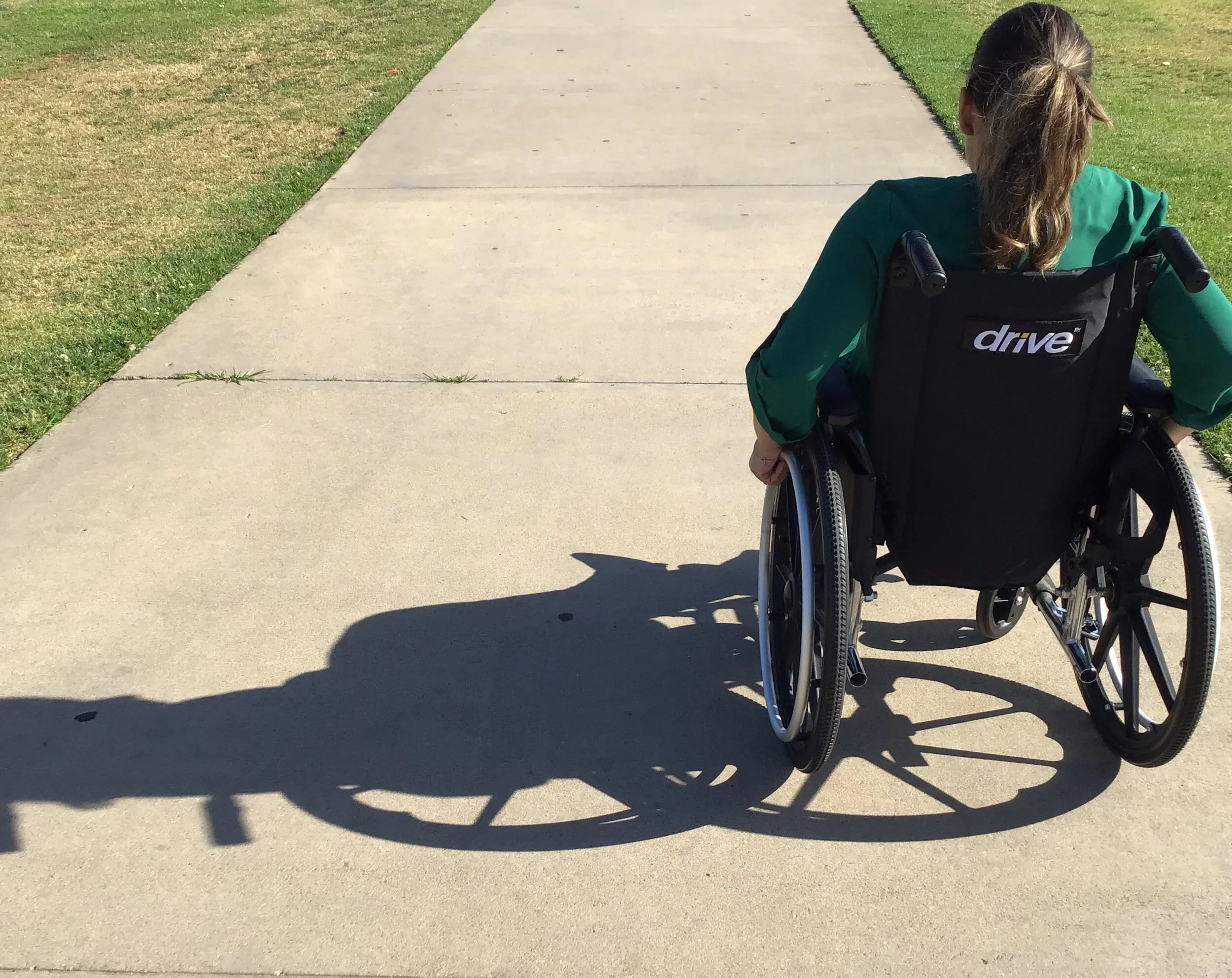
“I have a Disability yes that’s true, but all that really means is I may have to take a slightly different path than you.”- Robert M. Hensel. When living with a disability, everyday activities – such as getting dressed, bathing and even preparing food – can become difficult. To make your home more organized, accessible and provide a safe environment for you to feel comfortable in, there are some steps that need to be taken into consideration.

“I have a Disability yes that’s true, but all that really means is I may have to take a slightly different path than you.”- Robert M. Hensel. When living with a disability, everyday activities – such as getting dressed, bathing and even preparing food – can become difficult. To make your home more organized, accessible and provide a safe environment for you to feel comfortable in, there are some steps that need to be taken into consideration.
Why it is important to organize your house to make it more accessible
The importance of a safe and accessible home cannot be understated, particularly for those living with a disability. The fact remains that falls are the leading cause of injury-related deaths among Americans aged 65 and up. Tragically, every year about one-third of seniors and disabled endure at least one fall. These accidents can create further health complications that may result in serious injuries like hip fractures, head traumas and sadly enough - even death. One of the effective ways to combat this issue is maintaining an organized home environment. Home clutter usually leads to hazardous situations which can easily result in trips and falls. Take your living room as an example: Excess furniture could potentially pose a risk when placed too close together causing mobility difficulties especially for disabled individuals. Similarly, another accident-prone area is your bathroom medicine cabinet filled with expired medications. To someone with cognitive impairment, it becomes increasingly difficult to differentiate between current prescriptions and old ones thereby posing serious health threats.
Accessibility and Rental Property Guide for Landlords
It is important to understand accessibility laws outlined by ADA or Americans with Disabilities Act. A crucial provision within this act highlights that landlords do not have any lawful right whatsoever to inquire regarding their prospective tenant's alleged or visible disabilities during application stages for a rental space. What does this mean? Put simply, no matter how conspicuous indicators there might be- usage of canes or wheelchairs owing to mobility impairments; looping hearing aids snaking around ears due to hearing impairments; some visor caps obscuring vision stemming from visual impairments - all remains the private concern and business of respective individuals facing themselves firsthand. When we ponder about disabilities, the first to come to mind are physical ones. But it's equally important that landlords keep in mind "invisible" illnesses or so-called mental disabilities. Regardless of whether one ambles around on two feet or wheels oneself through life seated on a wheelchair, both should receive equal consideration in the eyes of an unbiased landlord or property manager.
The idea behind this legislation is simple: potential tenants must be evaluated based on behavior - have they ever been evicted? Can they maintain choice relations with previous landlords? Is punctual payment of rent within reach? Has indebtedness marred past easeful liaisons? If careful research were to reveal a prospect thoroughly capable of holding up standards expected by any diligent landlord within reason – then those gates opening rental doors to persons living with physical or mental impairments must be a standard procedure. This process should have no bearing on their disability but instead, focus primarily on their positive track record as conscientious tenants.
How smart home technologies contribute to a more accessible living environment?
Smart home technologies offer ways to better accommodate the needs of disabled individuals, contributing dramatically towards an accessible household. It incorporates elements like lighting, music and temperature control that all communicate with other smart gadgets around the house. It's fascinating how much convenience comes packed in these smart tools! One such beauty of this technology is it enhances accessibility throughout your home. controlling doors or appliances solely using your voice! For individuals dealing with mobility issues, these healing touches cut back on their struggle significantly. Independence often escapes from grasp when disability steps in; however, these technological marvels help reclaim it bit by bit. Managing tasks independently at home becomes less daunting due to the assistance provided through cutting-edge software built into our humble homes.
Smart tech unfolds its magic within safety and security measures for disabled inhabitants - especially if medical emergencies arise out of nowhere. Not being able to get up from your place during a smoke or carbon monoxide increase? Smart detectors come to the rescue. They don't just sit idle but alert caregivers or emergency responders, averting imminent danger. Furthermore, these smart devices can help prevent unwanted accidents by setting up quick reminders for essential tasks like taking medication. Technology bridges gaps and brings forth convenience that was earlier unimaginable.
Outcomes of having a house adapted to your specific disability
Adaptation is key when living with a disability. It all begins with modifications - small or big changes in your household that aim at combating any risks related with injuries and enhance safety measures. Evidence affirms their positive influence on how people rate their capacity for staging normal lives amidst existing disabilities. Installing well thought-out safety equipment around key areas of the house diminishes chances of hurtful rotations or accidental slips occurring during routine endeavors within one’s own house walls. Therefore, undeniably pivotal it becomes advocating around reconfiguring our homes' characteristics towards liberating accessibility arrangements particularly targeted at catering to person-specific needs incited by encountered impairments.
A simple yet beneficial modification could be the difference between grabbing onto that rail before stumbling down the stairwell versus having nothing there. At a basic level, this means enabling them to easily access goods and services within their homes that many take for granted. A well-placed ramp, wider doorways or lowered countertops can make a crucial difference. More significantly, these adaptations pave the way towards normalcy in daily routine. Enabling individuals with disabilities to navigate around their living space unaided aids in empowering them with self-esteem.
Organizing our houses allows us to maximize space and use it efficiently while also providing tips for landlords on how renters must not discriminate against tenants who require modifications within an apartment due facilities disabled individuals confront every day. Technology advances are paramount when it comes to easing someone dealing with a condition or impairments in order to move around freely at home; from platforms like Amazon Alexa which alleviate tasks like switching lights off/on via voice command allow Individuals overcome certain mobility limitations without having seek assistance from family members & friends which is everyone should always aim attempt.
Written by Jennifer Hope

