

A resource for those seeking information on organizing and transforming spaces.

Downsize Without the Drama: A Step by Step Guide to Simplified Living
Are you getting ready to downsize but are worried about the process? Here is a guide that will make it simple to downsize without the drama.
We partnered with a storage company for this post. The opinions in the post are honest. All reviews and opinions expressed in this post are based on our personal views. We are excited because we know you will love it.

Are you feeling overwhelmed, bogged down by too much stuff in your home? Does the thought of decluttering and downsizing fill you with dread? It's time to downsize and you know it.
Downsizing doesn't have to mean deprivation - with the right approach it can free up more space (both physical and mental) for cultivating meaningful experiences and creating deeper connections. In this guide we'll take a look at how to prioritize what's important while trimming away excess so as to downsize without any drama.
Assessing Your Current Situation
What are your reasons for downsizing? Is it to save money, simplify your life, or simply declutter and find a sense of ease? Perhaps you're an empty-nester seeking to trade your spacious family home for something more snug.
Before embarking on the downsizing journey, it's important to understand the task at hand. It's time to thoroughly examine all your belongings. Open those closets, glance under the beds, and investigate the forgotten corners of your garage. You might be surprised by the accumulation over the years.
In a nutshell, assessing your current situation involves scrutinizing your belongings, comprehending your motivations, and establishing meaningful goals.
How to Declutter Your Home Before Downsizing
When we have an excess of belongings, it can feel overwhelming. Clutter not only makes it hard to locate things but also hinders movement within a space.
Decluttering room by room is a practical way to regain control of your living space and here’s how to do it.
Kitchen
The kitchen commonly serves as the heart of a home, but it can also become a clutter magnet. Begin by assessing your kitchen cabinets and drawers. Discard any old, broken, or duplicate kitchen gadgets and unused dishes. Sort through your pantry and discard expired or unwanted food items. Keeping your kitchen free from clutter enables effortless cooking and meal preparation.
Living Room
The living room should provide a comfortable space to relax. Remove any unnecessary knick-knacks and decorations that fail to bring joy. Organize your bookshelves and cabinets. Consider utilizing a storage ottoman to conceal blankets and remote controls. A well-organized living room is more inviting and tranquil.
Bedrooms
Your bedroom should serve as a sanctuary. Sort through your clothes, shoes, and accessories. Donate or discard items that haven't been worn in a while. Declutter your nightstands and dressers. A clutter-free bedroom can enhance your sleep quality and morning routine.
Garage and Storage Areas
Garages and storage spaces often accumulate items that are seldom used. It's time to organize your tools, sporting equipment, and holiday decorations. Donate or sell items that you no longer require. Arrange your belongings on shelves or in clear storage bins for easy accessibility.
When to Use a Storage Unit While Downsizing
Are you planning to downsize and wondering if a storage facility is a good idea? It's a common question, and the answer depends on your specific situation. Let's break it down in simple terms.
Seasonal Items
If you have things like holiday decorations, camping gear, or winter clothes that you only use seasonally, a storage unit can be really helpful. It keeps these items out of the way until you need them, making your smaller living space less cluttered.
Sentimental Items
We all have items with sentimental value, like family heirlooms, childhood keepsakes, or special mementos. If you can't get rid of these treasures but don't have space for them in your new home, a storage unit can provide a safe place for your cherished memories.
Transitional Period
When you're moving to a smaller place, you might go through a transitional phase. For example, you could be selling your old house before moving into your new one, and there might be a gap in between. Or you might be testing out your downsized lifestyle and want a safety net in case you change your mind. In these situations, a storage unit can be a temporary solution.
Furniture and Large Items
If your big furniture doesn't fit in your new place, instead of selling it all off, you can store the pieces you love but can't fit. Just make sure the cost of storage is worth it.
Future Plans
Consider your future plans. If you think you'll need those items again, like when your adult kids move out or when you decide to upsize again, keeping them in storage can save you the trouble and expense of buying everything again.
Seasonal Residents
For seniors who spend part of the year in a warmer or cooler climate, a storage unit can be a convenient way to keep your belongings nearby without cluttering up your second home.
Packing and Moving Into Your New Home
Oh, packing – it's the part of moving that most of us would rather avoid, but it's a necessary task. To make it less stressful, here are some helpful suggestions:
Start Early: Don't leave packing until the last minute. Begin with things you use the least, like seasonal items or belongings in storage.
Label Everything: Clearly label your boxes with their contents and the specific room they belong in. It will make unpacking much easier.
Use Quality Boxes and Packing Materials: Opt for sturdy boxes and reliable packing materials to ensure the safety of your belongings. It's worth the investment.
Pack Essentials Separately: Prepare an "essentials" box with items you'll need on the first day in your new place – toiletries, a change of clothes, important documents, and some snacks.
Decision between hiring professional movers vs doing it yourself is a tough one. Here’s the lowdown on both options:
Hiring Professional Movers:
Advantages: They handle the heavy lifting, possess expertise, and excel in efficient packing.
Disadvantages: It can be costly, and you're entrusting unfamiliar individuals with your belongings.
DIY Moving:
Advantages: It's cost-effective, and you have full control over the entire process.
Disadvantages: You're accountable for everything, from lifting heavy objects to driving the large truck.
If you have money, professional movers can alleviate a great deal of inconvenience. However, if you're seeking a self-guided adventure and have the time and energy, opting for the do-it-yourself approach can be a money-saving alternative.
Settling into Your Simplified Life
Imagine this: you're in a cozier, more manageable home, and it's likely lighter on the wallet, too. So go ahead and delight in the serene atmosphere of having less clutter and a simpler living space. The stress is reduced, and life feels more peaceful.
When it comes to settling in, don't forget to personalize your space. Embellish it with cherished family photos, that artwork you love, and those items that hold a special place in your heart. These little touches help your new place feel like home quickly, providing a comforting sense of familiarity amidst all the changes.
New routines may accompany the downsizing process. Perhaps you're adapting to a smaller kitchen, a different commute, or getting to know your neighbors. It's okay to cut yourself some slack and take your time adjusting to these changes. Change can be a gradual dance, and it's completely natural to have mixed emotions as you shape your daily routine in your downsized home.
Final Thoughts
Congrats on taking steps towards a more simplified lifestyle! Downsizing is about creating space for meaningful experiences and deeper connections, rather than letting go of things you cherish. Just make sure to assess your situation, organize each room, utilize storage effectively, plan your move thoughtfully, and gradually embrace your downsized life. We promise you’ll love it!

How To Decide What To Keep or Toss When Decluttering
Decluttering sounds like a good idea until you can’t decide what to keep or toss. Don’t stress over this; use our help to make deciding what to keep a breeze.
Do you ever feel overwhelmed by the clutter in your home? It's easy to collect an assortment of items that eventually take up valuable space. But how do you decide what to keep or toss when decluttering? Ease your stress around this decision-making process with our helpful tips. Soon, your home will be an organized oasis!
Reflect on the Purpose and Value of Each Item
Start by considering the usefulness of each item in your home. Ask yourself if you need it, if you truly love it, or if it holds significant sentimental value. Sometimes we hold on to items out of obligation, guilt, or a fear of letting go. Be honest with yourself and make a judgment based on what truly serves a purpose or brings joy to your life.
Apply the One-Year Rule
Have you used the item in the past year? If not, it may be time to part ways. If you haven't needed it in the past 365 days, you likely won't need it moving forward. This rule helps maintain a tidy and practical living space where the items present are ones that you actively use and appreciate.
Categorize Items for Organizing
Group your belongings into categories. You could put clothing, kitchenware, and items associated with a specific hobby into different groups, for instance. Organize your storage unit shelving in a way that’s easy to access and visually pleasing. Creating designated spaces gives you a clear idea of where everything belongs, facilitating the decision-making process when decluttering.
Consult the Five-Box Method
The five-box method offers a straightforward way to separate your items. Mark five boxes with the following labels: “keep,” “toss,” “donate,” “sell,” and “unsure.” As you sort through your belongings, place them in the corresponding box. This method provides a visual representation of your progress and helps keep things organized.
Consider Downsizing Duplicate Items
Look around and identify any items that serve the same purpose. Do you need three can openers or five black T-shirts? Keep the best or most sentimental of the duplicates, but let the others go.
Decluttering can be daunting, but it's ultimately about making your home more enjoyable and functional. Through these guidelines, you should know how to decide what to keep or toss when decluttering. So start your decluttering journey today and enjoy the benefits of a more organized, comfortable, and serene living space.
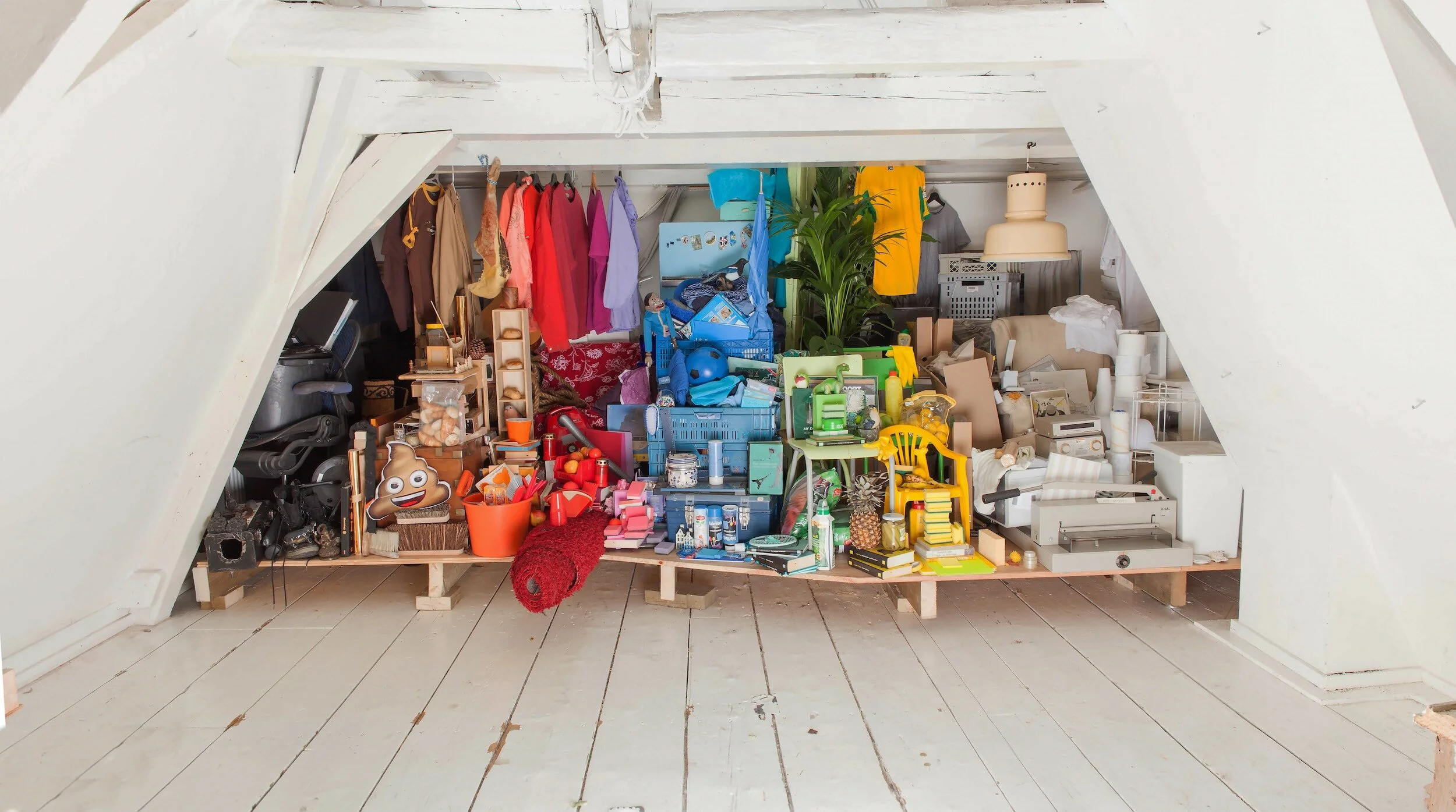
Double Duty: Home Organizing Tips for Those Who Buy Before They Sell
Navigating the real estate market can be daunting, especially when you're planning to buy a new home before selling your current one. While advantageous in certain market conditions, this strategy brings unique challenges in organizing and preparing your home for sale. In this article, we'll explore practical home-organizing tips that cater to homeowners in this situation. Drawing insights from industry experts and integrating practical advice, we aim to make your transition as smooth and stress-free as possible.
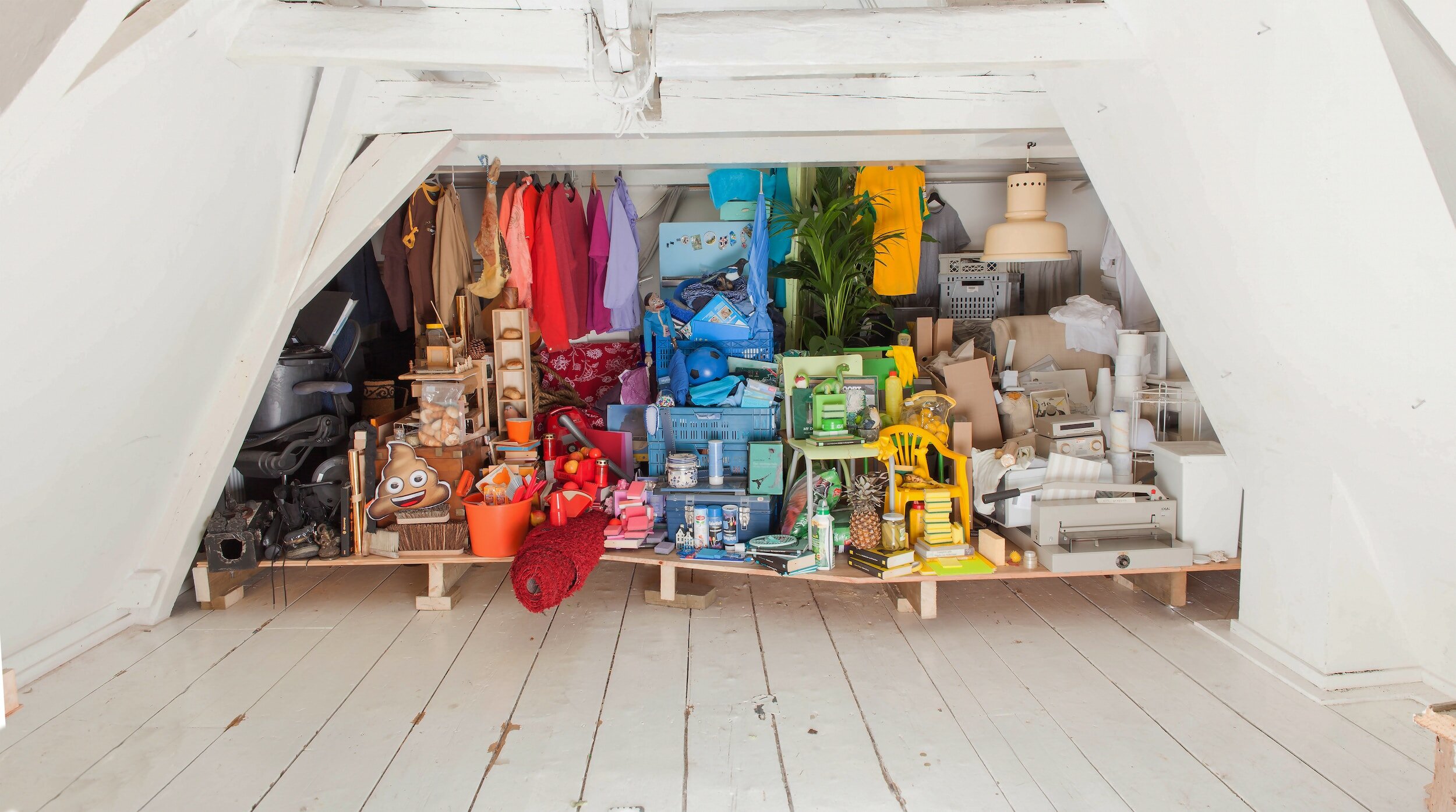
Navigating the real estate market can be daunting, especially when you're planning to buy a new home before selling your current one. While advantageous in certain market conditions, this strategy brings unique challenges in organizing and preparing your home for sale. In this article, we'll explore practical home-organizing tips that cater to homeowners in this situation. Drawing insights from industry experts and integrating practical advice, we aim to make your transition as smooth and stress-free as possible.
Decluttering: The First Step to a Smooth Move
The National Association of Professional Organizers (NAPO) highlights the importance of decluttering in their 2022 guide, "Decluttering and Organizing for a Smooth Move." They recommend starting with one room at a time, making the process manageable and less overwhelming. This step is not just about tidiness; it's about making your home more appealing to potential buyers. Donating or selling items you no longer need or want clears space and simplifies your eventual move.
Staging Your Home to Sell
The Real Estate Staging Association (RESA) provides valuable insights in their guide, "Staging Your Home to Sell: Tips and Tricks from the Pros". They emphasize the need to depersonalize your home. Removing family photos and personal items helps potential buyers envision themselves living in the space. Additionally, staging each room to reflect its intended use can significantly enhance the appeal of your home, making it more attractive to a broader range of buyers.
Efficient Packing Strategies
Moving.com's "The Ultimate Guide to Packing for a Move" offers a comprehensive approach to packing. They suggest accumulating necessary supplies like boxes, tape, and bubble wrap. Tackling one room at a time and labeling boxes clearly can make unpacking in your new home much more accessible. This organized approach reduces the chaos of moving day and ensures that nothing important is left behind.
Special Considerations for Buying Before Selling
"Decluttering and Organizing: A Guide for People Who Buy Before They Sell" by Better Homes & Gardens offers tailored advice for your unique situation. They recommend creating a staging area for items not moving to the new home. This strategy helps segregate what needs to be sold, donated, or thrown away. Additionally, decluttering in stages, starting from the least important areas of your home, can make the task more manageable.
Leveraging the Buy Before You Sell Program and Expert Help
Programs like "buy before you sell" are becoming increasingly popular in the current real estate landscape. These programs offer the flexibility to secure your new home without the immediate pressure of selling your current one. However, it's essential to approach this strategically. Interviewing a realtor who understands such programs' nuances can provide valuable insights and guidance. Their expertise can help you navigate the market effectively while ensuring your current home is organized and presented in the best light.
Conclusion
Organizing and preparing your home for sale, especially when buying a new home concurrently, requires careful planning and execution. You can make this transition smoother by decluttering systematically, staging your house effectively, packing efficiently, and considering specialized advice for your unique situation. Remember, leveraging the expertise of real estate professionals and utilizing programs like "buy before you sell" can provide additional support and ease during this complex process. With these tips, your journey to your new home can be an organized and successful adventure.

How to Enrich a Senior’s Quality of Life Through Home Organization
In the journey of aging gracefully, the environment we inhabit plays a pivotal role in maintaining not just our physical well-being, but also our mental and emotional health. For seniors and individuals with specific care needs, an organized and clutter-free living space isn't just a matter of aesthetics; it's a crucial factor that significantly enhances their quality of life. In this collaboration between 4 Seasons Home Care of Atlanta and House to Home Organizing, we delve into the profound impact that effective organization and thoughtful decluttering can have. This guide is more than a mere set of tips; it's a pathway to empowering seniors with a sense of control, safety, and tranquility in their living spaces. Let's embark on this journey of transforming spaces into nurturing, supportive environments, tailored to the unique needs and comforts of those in their golden years.
We partnered with a senior care company for this post. The opinions in the post are honest. All reviews and opinions expressed in this post are based on our personal views. We are excited because we know you will love it.

In the journey of aging gracefully, the environment we inhabit plays a pivotal role in maintaining not just our physical well-being, but also our mental and emotional health. For seniors and individuals with specific care needs, an organized and clutter-free living space isn't just a matter of aesthetics; it's a crucial factor that significantly enhances their quality of life. In this collaboration between 4 Seasons Home Care of Atlanta and House to Home Organizing, we delve into the profound impact that effective organization and thoughtful decluttering can have. This guide is more than a mere set of tips; it's a pathway to empowering seniors with a sense of control, safety, and tranquility in their living spaces. Let's embark on this journey of transforming spaces into nurturing, supportive environments, tailored to the unique needs and comforts of those in their golden years.
The Impact of Clutter on Well-being
Clutter, often dismissed as a minor inconvenience, holds a more profound impact on our well-being than we might realize, especially for seniors. Various studies have established a link between cluttered environments and increased stress, anxiety, and even depression. In the context of seniors, who may already be navigating the complexities of aging, clutter can exacerbate feelings of overwhelm and helplessness.
For older adults, clutter isn't just an aesthetic issue—it's a safety hazard. Navigating through a cluttered home increases the risk of falls, which are a leading cause of injury among the elderly. Moreover, clutter can hinder the effectiveness of caregivers and make daily routines more challenging.
The psychological effects of clutter are equally significant. A cluttered space can lead to cognitive overload, making it harder for seniors to focus and remember important tasks or medications. It can also evoke feelings of guilt and embarrassment, leading to social isolation as individuals become reluctant to invite others into their homes.
Addressing clutter and organizing living spaces becomes not just a task of tidying up but an essential step towards creating a safer, more comfortable, and mentally stimulating environment for seniors. It's about simplifying the space to enhance clarity, ease, and joy in their daily lives.
Practical Organization Strategies
Organizing a living space for seniors or individuals with specific care needs requires both empathy and efficiency. Here are some practical strategies to create a harmonious environment:
Start Small and Simple
Begin with manageable tasks, like organizing a single drawer or shelf. This approach avoids overwhelming the individual and provides a sense of accomplishment.
Create Clear Zones
Designate specific areas for different activities – a reading nook, a place for medications, and a spot for daily-use items. Clear zones help reduce confusion and enhance the ease of locating essentials.
Prioritize Safety
Remove tripping hazards and ensure that walkways are clear. Use lower shelves for frequently used items to minimize the need for reaching or bending.
Use Labels and Visual Aids
Labeling shelves and containers can be particularly helpful for individuals with memory issues. Visual cues aid in maintaining organization and finding items quickly.
Involve the Individual
Whenever possible, involve the senior in the organizing process. This ensures that the system aligns with their preferences and needs, and also gives them a sense of control and participation.
Regular Maintenance
Establish a routine for regular decluttering and reorganizing. This helps maintain the organization system and adapt it to changing needs and seasons.
Leverage Organizing Tools
Utilize tools like drawer dividers, baskets, and hooks to maximize space and keep items accessible.
Remember, the goal of organizing for seniors is not to create a showcase home but to craft a living space that is functional, safe, and comforting, catering to their unique lifestyle and needs.
Benefits of an Organized Space
Creating an organized living space is about more than just tidying up; it's a step towards a more peaceful and fulfilling lifestyle, particularly for seniors. When a home is free from clutter, stress and anxiety naturally diminish. This calm environment allows for easier navigation and accessibility, greatly impacting emotional well-being.
Safety is a key concern as we age, and a well-organized home addresses this directly. Clear walkways and strategically placed furniture and items reduce the risk of falls and accidents, enhancing safety.
For seniors, especially those facing memory challenges, an organized environment can be a boon to mental clarity. A tidy space helps in reducing cognitive overload, making daily decisions and routines simpler and more manageable. This thoughtful approach to organization goes beyond just creating order; it builds a supportive and empowering living space that respects the unique needs and lifestyles of older adults.
Collaboration with Professional Organizers
For those who might find the task of organizing a bit daunting, professional organizers like House to Home Organizing (H2H) can be invaluable. These experts bring not just their skills in creating orderly spaces, but also an understanding of how to tailor environments to individual needs, particularly for seniors and those with care requirements.
Their expertise lies in assessing a space and devising a plan that maximizes functionality and ease of use. They can offer innovative solutions for storage and organization that might not be immediately apparent. Additionally, their experience with a variety of clients allows them to suggest modifications that accommodate specific health or mobility issues.
Engaging a professional organizer can also be a collaborative and educational experience. They can provide tips and strategies for maintaining an organized space, ensuring that the benefits last long after their work is done. For families or caregivers, this guidance can be especially helpful in understanding how to support their loved ones in maintaining an organized and safe living environment.
In sum, professional organizers offer more than just a service; they offer a partnership in creating a living space that is not only organized but also nurturing and supportive, perfectly aligned with the unique needs of each individual.
Enrich a Senior’s Life Today With Home Organization!
The journey to creating an organized and nurturing living space, particularly for seniors and individuals with specific care needs, is one filled with both challenges and rewards. Embracing the principles of organization and decluttering can profoundly impact one's quality of life, offering a sense of control, safety, and mental clarity. Through the thoughtful application of organization strategies and possibly the assistance of professionals like House to Home Organizing, these environments can become havens of tranquility and ease.
We encourage our readers, whether they are seniors, caregivers, or loved ones, to recognize the importance of an organized living space. It’s not just about arranging items neatly; it’s about creating a supportive environment that caters to the unique needs and comforts of each individual. For those looking for assistance or guidance, resources and services provided by 4 Seasons Home Care and H2H offer a great starting point. Together, we can transform living spaces into nurturing sanctuaries that enhance everyday life.

