

A resource for those seeking information on organizing and transforming spaces.

Seasonal Storage Solutions: Preparing Your Home for Changing Weather
As seasons change, so do our home needs. Transitioning from one season to another involves not just a change in lifestyle but also a shift in the items we use daily. Seasonal storage solutions are crucial for keeping your home organized and making the transition smoother. This article will explore effective ways to store seasonal items, from clothing to holiday decorations, ensuring your home remains clutter-free and functional. Additionally, we'll touch upon the importance of seasonal home maintenance, including a quick check for drafts or leaks.
We partnered with a home improvement company. for this post. The opinions in the post are honest. All reviews and opinions expressed in this post are based on our personal views. We are excited because we know you will love it.

As seasons change, so do our home needs. Transitioning from one season to another involves not just a change in lifestyle but also a shift in the items we use daily. Seasonal storage solutions are crucial for keeping your home organized and making the transition smoother. This article will explore effective ways to store seasonal items, from clothing to holiday decorations, ensuring your home remains clutter-free and functional. Additionally, we'll touch upon the importance of seasonal home maintenance, including a quick check for drafts or leaks.
Organizing Seasonal Clothing
Storing seasonal clothing efficiently can free up a significant amount of space in your wardrobe. Start by sorting clothes into categories: keep, store, donate, or discard. Use vacuum-sealed bags or clear bins to store clothes you won't need for the next few months. Label each container for easy identification next season. Consider the climate conditions of your storage area; avoid damp or overly dry places to protect your garments. Placing cedar balls or lavender sachets in storage bins can help keep clothes fresh and deter moths. It's also a good time to clean your closet, dust each corner.
Handling Seasonal Decorations
Seasonal decorations, like Christmas lights or Halloween props, need special care when storing. Firstly, declutter your decoration collection by discarding broken or unused items. Use sturdy, labeled containers for each holiday to keep things organized. Wrap delicate items in bubble wrap or tissue paper to prevent damage. For items like string lights, use cardboard pieces to wrap the lights around to prevent tangling. Store these containers in an easily accessible but out-of-the-way place, like a top shelf or a dedicated corner in the garage. While organizing these, ensure that storage areas near windows are not overly exposed to sunlight, which can damage sensitive decorations.
Managing Seasonal Sports and Hobby Gear
Sports and hobby equipment can take up considerable space if not stored properly during off-seasons. Group similar items together – skiing equipment in one container and beach gear in another. Use wall-mounted racks or ceiling hooks for larger items like bicycles or surfboards. Clear labeling on each container or rack will make it easier to find items when the season changes. If space allows, designate a specific area of your home, like a garage or basement corner, for this gear. Ensure that this area is dry and well-ventilated to prevent any moisture damage. Also, check nearby windows to ensure they are properly sealed, protecting your gear from humidity and mold.
Seasonal Bedding and Linen Storage
Switching bedding with the seasons can improve sleep comfort and enhance the ambiance of your bedroom. Store off-season bedding in breathable cotton bags or bins, preferably in a closet or under the bed. Fold items neatly and include sachets of lavender or cedar to maintain freshness. Rotate the stored items so the ones used most recently are on top for easy access next season. If storing linens in a basement or attic, ensure the area is dry and free of pests. Regularly airing out stored linens can also help maintain their quality and freshness.
Storing Seasonal Tools and Equipment
Garden tools, snow blowers, and other seasonal equipment require proper storage to ensure their longevity. Clean and perform any necessary maintenance on the equipment before storing it. Use wall-mounted hooks or shelves in your garage or shed to maximize space. Cover larger equipment with tarps to protect them from dust and moisture. Battery-operated tools should be stored with the battery charged to a medium level and in a cool, dry place. Organizing these tools in a way that they are easily accessible for the upcoming season saves time and effort. Also, while organizing your garage or shed, take a moment to inspect doors for any needed repairs, replacement, or weatherproofing, ensuring your storage space remains secure and dry.
Preparing Your Home for the Upcoming Season
As you store away seasonal items, it's an ideal time to prepare your home for the upcoming weather changes. This includes checking insulation, cleaning gutters, and ensuring heating or cooling systems are functioning properly. A key aspect of this preparation is inspecting your windows. Look for any signs of drafts or leaks, as these can significantly impact your home’s energy efficiency, and comfort; if any of these are present, it may be beneficial to consider a replacement. This is also a good time to thoroughly clean your windows, both inside and out, to maximize natural light during the shorter days of fall and winter.
Effective seasonal storage is more than just organizing items; it's about preparing your home for comfort, efficiency, and enjoyment in the upcoming season. By properly storing clothing, decorations, sports gear, bedding, and tools, you not only keep your home organized but also protect your belongings. With these tips, you can embrace each new season with a well-prepared, organized, and comfortable home.

Navigating Chaos: How to Stay Organized During a Roof Renovation Project
A roof renovation can be a major undertaking, often fraught with logistical challenges and unexpected hiccups. It is an endeavor that demands meticulous planning, relentless organization, and a fair bit of patience. This guide will provide you with practical tips and strategic insights to navigate the chaos and keep your renovation project on track. By following these recommendations, you can ensure a smoother, more manageable experience throughout the process and a satisfactory outcome.
A roof renovation can be a major undertaking, often fraught with logistical challenges and unexpected hiccups. It is an endeavor that demands meticulous planning, relentless organization, and a fair bit of patience. This guide will provide you with practical tips and strategic insights to navigate the chaos and keep your renovation project on track. By following these recommendations, you can ensure a smoother, more manageable experience throughout the process and a satisfactory outcome.
Establish a Comprehensive Renovation Plan
Before embarking on your roof renovation project, it is crucial to develop a well-thought-out and detailed plan. This plan should encompass various aspects, including a thorough scope of work that outlines the specific materials to be used, an estimation of costs, and a realistic timeline for completion. It is also prudent to incorporate contingency measures to address any unforeseen challenges that may arise during the renovation process, such as hidden damages or unexpected structural repairs. By having a comprehensive plan in place, you can ensure a smoother and more successful roof renovation project.
Hire Reputable and Experienced Contractors
Finding reliable and experienced contractors is essential to ensure the success of your roof renovation. Take the time to thoroughly check their credentials, ask for references from previous clients, and verify that they possess the necessary licenses and insurance. If you're looking to renovate a slate roof, ensure you find contractors with specific expertise in this area, such as those at https://shakeguys.com/slate-roof-repair/ who are known for their work with slate roof repairs. This specialization is crucial as the unique characteristics of slate require specific handling and installation techniques to ensure a long-lasting, resilient roof. A reputable contractor with a proven track record can greatly reduce the stress and uncertainty often associated with renovation projects, providing you with peace of mind and confidence in the quality of the work being done.
Create a Realistic and Detailed Budget
A realistic and detailed budget is of utmost importance when it comes to keeping your roof renovation project on track financially. Take into account every expense involved, including not only the cost of labor and materials but also potential additional costs that may arise, such as unexpected repairs or necessary upgrades. It's also wise to include a contingency fund within your budget to account for any unforeseen expenses that may arise during the renovation process. By meticulously creating a comprehensive and thoughtful budget, you can better manage your finances and ensure that you have allocated sufficient resources to complete the project.
Maintain Clear and Open Communication
Maintaining clear and open lines of communication with your contractor throughout the entire renovation process is vital to the overall success of the project. It is highly recommended to regularly schedule meetings or check-ins to discuss the progress of the project, address any issues or concerns that may arise, and collaboratively find solutions to keep the project on track. Effective and transparent communication can help prevent misunderstandings, ensure that everyone involved is on the same page, and ultimately lead to a smoother and more successful renovation experience.
Manage Time Effectively and Allow for Flexibility
Creating a well-structured work schedule in close coordination with your contractor is crucial to ensure that the renovation process doesn't significantly disrupt your daily activities. However, it's important to bear in mind that weather conditions and unforeseen challenges can potentially impact the timeline of the project. Therefore, it's essential to allow for flexibility in your schedule and be prepared to adapt if necessary. By effectively managing time and being adaptable, you can navigate any unexpected delays or changes and keep the project moving forward without major disruptions.
Stay Organized and Document Everything

Throughout the roof renovation process, it is of great importance to stay organized and maintain a centralized location for all relevant documents, invoices, and contracts. This includes keeping track of any permits or approvals required for the project, as well as documenting any changes or modifications made along the way. By keeping organized records, you can easily track costs, monitor progress, and have a clear overview of the entire renovation journey. Staying organized not only helps you stay on top of the project but also provides valuable documentation for future reference or potential insurance claims.
Embarking on a roof renovation can seem daunting, but with careful planning, clear communication, effective time management, and organization, the process can be significantly smoother and more manageable. Remember, flexibility is key in navigating any unforeseen challenges, and keeping a comprehensive record of your journey provides invaluable reference material for future projects or claims. With these strategies in mind, you're well-equipped to oversee a successful roof renovation that enhances your home's value and longevity.

How to Organise and Store Your Belongings if Your Home Has Limited Space
Living in a home with limited space doesn't mean you need to compromise on comfort or functionality. Even the smallest spaces can be transformed into organized, clutter-free havens with a little creativity and strategic thinking.
Living in a home with limited space doesn't mean you need to compromise on comfort or functionality. Even the smallest spaces can be transformed into organized, clutter-free havens with a little creativity and strategic thinking.
Our guide will provide you with practical and innovative ideas for storing and organizing your belongings. Learn how to utilize every inch of your home efficiently, making your space feel larger, more comfortable, and easy to manage. Let's embark on this journey of transforming your small home into a big treasure of neatness and order!
Invest in a Facility
If you own a vehicle that you don't use regularly, it's time to step up the game. Instead of leaving your car, motorbike, or RV to occupy precious outdoor or garage space, a dedicated vehicle storage facility can provide a secure, weather-protected home for your vehicle. These facilities often come with a range of services, such as regular maintenance checks and comprehensive security systems, ensuring that your vehicle remains in prime condition.
It is an option that can free up space at home for other necessary storage or living purposes and maximize the usability of your limited space. This strategy is particularly useful for residents in urban areas where parking space is often limited and can be relatively expensive.
Maximize Vertical Space
When your home has limited floor space, you want to make use of the vertical space available. Traditional bookshelves and storage units are great, but they can take up a lot of floor space. The solution? Invest in tall shelving units that go all the way to the ceiling so that you can have plenty of storage space for books, decorations, and other items.
In addition to tall shelves, consider utilizing wall space for storage by installing floating shelves or hanging organizers. These options are sure to provide storage and add visual interest to your walls. You can use them for storing small items like kitchen utensils, bathroom essentials, and even plants!
Use Dual-Purpose Furniture
Dual-purpose furniture serves more than one purpose. For example, a sleeper sofa can double as both seating and a bed for guests. A coffee table with hidden storage can provide a place to put your feet up and also store items like blankets, books, or board games.
Other dual-purpose furniture options include ottomans with hidden storage, bed frames with drawers, and even dining tables that can be converted into work desks. These furniture pieces are excellent for maximizing space while still keeping your home functional and stylish.
Declutter Regularly
It's easy for things to accumulate over time, especially in a small space. To avoid feeling overwhelmed, you must declutter regularly. Set aside time every few months to go through your belongings and get rid of things you no longer need or use.
Consider donating or selling items that are in good condition but no longer serve a purpose in your home. For items that are no longer usable, make sure to dispose of them properly. Decluttering regularly will be a constant reminder to only keep the essential things and bring value to your home.
Utilize Underutilized Spaces
There are often spaces in our homes that we underutilize or overlook in terms of storage, including the space under your bed, stairs, and even ceilings. Invest in storage containers that can slide under your bed for storing out-of-season clothing or linens.
You can also install shelves or cabinets underneath staircases for additional storage. For high ceilings, consider installing overhead storage racks or utilizing hanging storage options for items that are not frequently used. Once you adopt a little creativity and think outside the box, you can make use of these underutilized spaces and free up space in other areas of your home.
Use Bins and Boxes

Bins and boxes come in a variety of sizes and materials, such as plastic, fabric, or wicker, so you can choose what suits your space and style. Use small bins for tiny items like jewellery, craft supplies, or toiletries. Larger boxes can be used for storing clothing, toys, or seasonal items. Labelling each box will also make it easier to find your belongings when you need them.
To further maximize space, consider stackable storage bins or boxes that can be neatly placed on shelves or inside closets. This way, you'll be able to make the most out of your limited space, keeping your home tidy and well-organized.
Small living spaces do not mean you are destined for clutter and disorganization. With a little creativity, strategic thinking, and regular decluttering, your home can be transformed into an organized and functional space, regardless of its size. A well-organized home is sure to create a peaceful and stress-free living environment.

What to Toss and What to Keep: The Ultimate Decluttering Checklist
Our home is our haven, but with the hustle and bustle of everyday life, it's easy for clutter to accumulate. Clutter not only takes up physical space, but it can also cause mental stress and anxiety. That's why decluttering has become such a popular trend in recent years. It's a way to clear out the old to make room for the new and create a more organized and calming environment.
Our home is our haven, but with the hustle and bustle of everyday life, it's easy for clutter to accumulate. Clutter not only takes up physical space, but it can also cause mental stress and anxiety. That's why decluttering has become such a popular trend in recent years. It's a way to clear out the old to make room for the new and create a more organized and calming environment.
But where do we start? The thought of tackling all the clutter in our homes can be overwhelming. That's why having a decluttering checklist can make the process much more manageable. With a clear plan in place, you'll know what to toss and what to keep.
1. Assess Your Space
The first step in any decluttering journey is to assess the space you want to declutter. It involves taking a careful inventory of each room, identifying areas of congestion, and determining what items are necessary or expendable. This exercise allows you to visualize your space with a fresh, critical eye, highlighting the areas that require immediate attention.
Before decluttering, consider taking pictures of each room. These will remind you of your progress and motivate you to keep going. Take your time to understand the purpose of each item. The goal is to create a harmonious and functional living environment that reflects your lifestyle.
2. Seek Junk Removal Services
Once you've identified the items that no longer serve a purpose in your home, the next step is to seek a junk removal service. Hiring professionals can make the decluttering process smoother, more efficient, and less stressful. They are equipped with the right tools and know-how to remove large, bulky items or potentially hazardous materials safely.
Plus, many junk removal services prioritize environmentally friendly practices, ensuring that recyclables are properly sorted and that items in good condition are donated or repurposed. For instance, the junk removers at livejunkless.com can help you simplify the decluttering process and dispose of your unwanted items responsibly. It's a great solution for those who need more time, ability, or inclination to handle the disposal process themselves.
3. Donate or Sell Items
As the saying goes, one person's trash is another person's treasure. Just because an item no longer serves a purpose for you doesn't mean it can't bring joy or usefulness to someone else. Consider donating items that are still in good condition to charities or organizations that accept donations. This way, your unwanted items can find a new home and serve a new purpose.
You can also sell items that are in good condition but no longer hold value for you. Online marketplaces, garage sales, or consignment stores are great options to make some extra cash from your decluttering efforts. Plus, selling items not only helps clear out your space but can also be a fulfilling and rewarding experience.
4. Create an Organizational System
Once you've decluttered and disposed of unwanted items, it's time to create an organizational system for the remaining items. This will help prevent future clutter and make it easier to maintain a tidy space. Consider using storage solutions such as bins, baskets, or shelves to keep similar items together and easily accessible.
Labeling containers can also help you quickly find what you need without creating a mess trying to locate it. Remember, organization is not one-size-fits-all. Find a system that works for your lifestyle and habits. And feel free to make adjustments as needed - organizing should be an ongoing process, not a one-time task.
5. Focus on High-Impact Areas
If decluttering your entire home seems daunting, start small by focusing on high-impact areas. These are spaces that, when tidy and organized, can significantly enhance the overall appearance and function of your home. These could be areas often visited by guests, like the living room, or spaces where efficiency is paramount, such as the kitchen or home office.
Start with these areas to see immediate results that motivate you to continue decluttering. With a solid plan, create a clutter-free and peaceful home. Adopt habits to prevent clutter: reassess regularly, dispose of unwanted items, and maintain an organized system for a junkless lifestyle.
6. Update Your Checklist Regularly
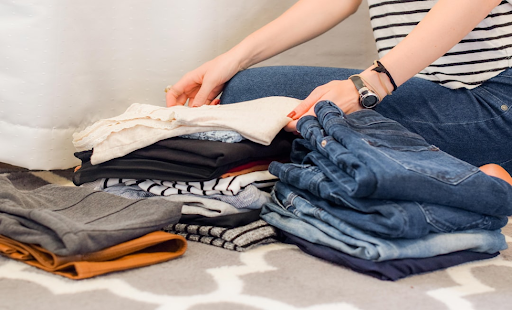
Decluttering is not a one-time task; it's an ongoing process. As life circumstances change and possessions accumulate, clutter can return. To maintain a clutter-free and stress-free home, update your decluttering checklist regularly. Reassess your space every few months, get rid of unnecessary items, and organize new ones. By doing this, you'll create a haven that brings calm and order, allowing you to enjoy your time fully.
While this checklist can be a guide, remember that each decluttering journey is unique. What's clutter for one may hold value for another. Assess your belongings and keep what brings joy. Decluttering doesn't mean throwing everything away. Consider donating or selling items in good condition that no longer serve a purpose. It reduces waste and benefits others in need.

