

A resource for those seeking information on organizing and transforming spaces.
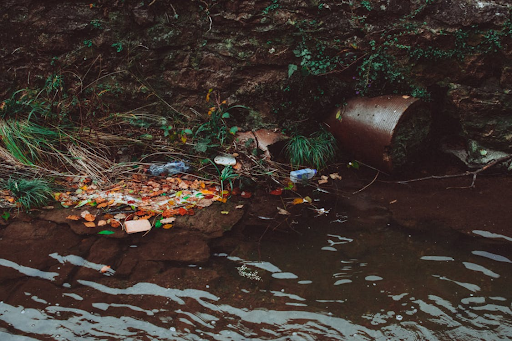
The Ultimate Decluttering Guide: When to Organize and When to Remove
Decluttering your home or office space can be a transformative experience, offering physical and mental relief. It’s about making room for what matters, enhancing functionality, and creating a serene, inviting environment.
We partnered with a waste removal company for this post. The opinions in the post are honest. All reviews and opinions expressed in this post are based on our personal views. We are excited because we know you will love it.
Decluttering your home or office space can be a transformative experience, offering physical and mental relief. It’s about making room for what matters, enhancing functionality, and creating a serene, inviting environment.
However, the challenge often lies in deciding what stays and what goes. This ultimate decluttering guide will explore the nuanced decisions between organizing and removing items to help you achieve a balanced, harmonious space. Remember, the journey to a clutter-free space can be made easier with professional help, such as albany dumpster rental services, especially when removing the excess.
Understanding Organize Versus Remove
It is crucial to comprehend when organizing makes sense and when removing items is better. Organizing involves rearranging and categorizing belongings for better aesthetics and usefulness. It means each item has a proper place, creating a harmonious environment. Removing, on the other hand, means getting rid of items that no longer serve a purpose or bring joy.
Organizing Time
Organize items vital for daily routines or with sentimental value. Regularly used things should be accessible, keeping your space functional and inviting. For instance, organize kitchen utensils for meal prep or office supplies for streamlined work—display or store mementos respectfully, preserving memories without clutter.
Removal Time
The removal process is as much about saying goodbye to the past as it is about making room for the future. It's an opportunity to reevaluate what's truly important and merely take up valuable space in your life. When we hold onto items with no utility or relevance, we're not just cluttering our physical space but also our mental landscape.
Start by addressing items that have been neglected or have lost their purpose. This includes clothing that doesn't fit, whether due to changes in size, style, or lifestyle. Consider the space and freedom you can gain by letting these items go. Outdated gadgets, too, fall into this category. Technology evolves rapidly, and holding onto old electronics can prevent you from embracing newer, more efficient solutions. As for redundant clutter—those multiple sets of the same item, unused gifts, or impulse purchases—acknowledge that they serve no real purpose in your life and can be better utilized elsewhere.
Broken items can be tough to part with, primarily if we associate them with fond memories or have procrastinated fixing them. However, if something has been sitting idle for months or years with the intention of repair, it's time to accept that its presence is more burdensome than beneficial. Removing these items can lift a weight off your shoulders, creating a cleaner, more organized space.
When it comes to expired products, from food in your pantry to medications in your cabinet, the risks they pose are not worth the space they occupy. Consumables have a shelf life for a reason, and using them beyond that can harm your health. Regular checks in these areas can prevent accidental consumption and ensure that everything in your space is safe and beneficial.
But removal doesn't have to be a negative experience. See it as an act of liberation, a way to cleanse your environment and mind from the unnecessary. By discarding items that no longer serve a purpose, you're not just decluttering your space but also opening up new possibilities for order, tranquility, and joy. This is not just about getting rid of things; it's about focusing on what truly matters and creating a sanctuary that reflects your current life and aspirations.
Decluttering Strategies for Success
Would you like your home to feel spacious and calm? Decluttering can seem overwhelming, but having a plan is key. Break it down, do one area at a time, and set small achievable goals. Sort items into categories: keep, donate, sell, or toss. Be honest with yourself—hold each item and decide if you truly need or love it.
One helpful trick is the "one-in-one-out" rule. For every new thing you bring home, get rid of something old. This prevents buildup and keeps your space clutter-free. Custom organization systems that fit your lifestyle also work wonders. Maybe you need more shelves, baskets, or labels to maintain order easily.
Conclusion
Decluttering is about far more than cleaning—it's self-care and investing in your wellbeing. Having a tidy, joy-filled space can boost productivity and reduce stress. While organizing makes your home functional and attractive, decluttering is letting go of what no longer serves you. With an open mindset and help like dumpster rental if needed, you can transform your surroundings to reflect your best self. It's a journey of mindfulness.

Are You Wasting Energy? How Decluttering Can Lead to a Greener Home
Most people with organized homes understand that a clean house is a happy house. Often, the best way you can maintain cleanliness is by decluttering first. In addition to always finding what you need and avoiding uncleanliness, decluttering can also save energy and help the planet.
Most people with organized homes understand that a clean house is a happy house. Often, the best way you can maintain cleanliness is by decluttering first. In addition to always finding what you need and avoiding uncleanliness, decluttering can also save energy and help the planet.
Numerous Benefits Of Decluttering
Various benefits of home organization can improve your life. For one, you’ll generally be happier when your house is cleaner. Messy environments can make you feel stressed because the worse the clutter gets, the more impossible it seems to remedy. You’ll be happier when everything has its place, and you can focus on other things, including your sustainability goals.
Another perk of home organization is that it makes your home more appealing, which can be important if you plan to sell it in the future. Cleanliness and order can also improve your home's value. To further increase the value, you can add energy-efficient appliances and other sustainable features, so you’ll have a highly desirable property.
Decluttering Can Improve Your Home’s Energy Efficiency
If your house is cluttered, you probably use more electricity and resources than necessary. There are a couple of potential energy-wasting problems you can consider and remedy.
Improving Air Flow
If your house is so cluttered that you have piles of boxes and items on top of each other and lining the hallways, then those blockages can decrease airflow, and your heating and cooling systems may be overworking. At the end of the day, you’ll likely find that you’re wasting energy and seeing higher utility bills.
Once you clean up those messes, you can continue to save energy and money by installing a smart thermostat. You can use it to set personalized temperature control at different parts of the day. As an example, during the summer, you can set it at a higher temperature while you’re out of the house at work and then have the AC run cooler when you arrive home. That way, it's always the optimal temperature, and you’re not wasting energy in an empty house.
Cut Down On Lighting
It’s possible to have the lights on longer when your house is cluttered and you can’t find what you need. You could spend hours looking for a certain item or working longer in a disorganized room. If the room was organized, you wouldn’t need to be in there as long, so you’d reduce your energy bill as far as your lighting use.
Another issue is that if your house is so cluttered that items are blocking the windows, you will get less natural light into the space. Since it will be darker, you’ll be more prone to turn on the lights and waste energy. In addition to solving your clutter problem, you can continue reducing the effects of energy usage on your utility bill through solar power.
Many wonder if solar panels are worth the investment, and the answer depends on your particular situation. If you still spend a lot on energy even after you clean the clutter, then going solar can give you the same amount of energy while cutting down drastically on the monthly cost. Plus, you could be eligible for tax incentives. Of course, you also need to live in a property with a roof that can hold the weight of solar panels, but you can consult with an expert for the answer.
Tips For Decluttering Sustainably
Even the act of decluttering can benefit the planet and help yourself and others to cut down on energy usage.
For instance, while you’re organizing your space, you’ll likely find at least a few items you no longer need. When you do, you can donate them to a local organization or thrift store. By allowing other people to buy your used goods, you reduce their desire to buy brand-new items. Factories waste a lot of energy producing products, so you can cut down on those resources simply by decluttering and passing your belongings onto others.
You may also find items in your house that you like, but if they’re broken, you may have the urge to throw them out and repurchase them brand new. Instead of doing that, you can continue your sustainable decluttering by repairing or repurposing those items so you can continue to use them and not waste energy driving to the store or adding to the landfills.
Conclusion
If you know your house is more cluttered than it should be, chances are good that you’re wasting energy at home. Consider these tips and changes, and you’ll help yourself and the planet.
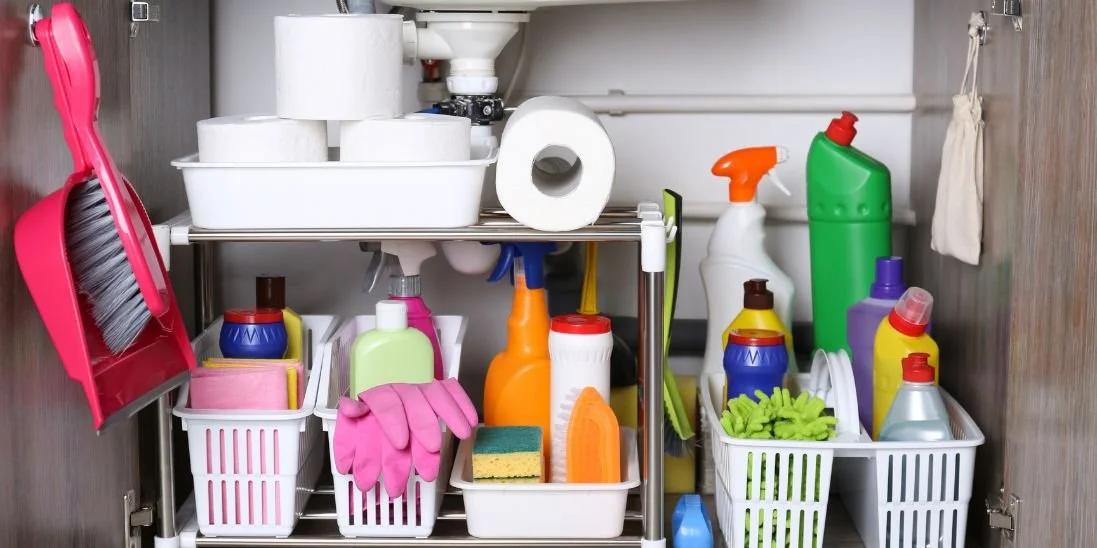
How To Use the Space Under Your Bathroom Sink
Using the space under your bathroom sink is more than a hidden place to stash your items. It’s how you use it that can make all the difference in the world.
With bathrooms often the smallest rooms in our homes, every inch of space is valuable real estate. Yet, more often than not, the area beneath the bathroom sink becomes a neglected space, home to a jumble of cleaning products, mystery cords, and various odds and ends. Reclaiming this space and transforming it into a functional and organized area can dramatically improve the look and feel of your bathroom. We teach you how to use the space under your bathroom sink in this brief read.
Assessing Your Unique Storage Needs
The first step in utilizing the space under your bathroom sink is a thoughtful inventory of your needs. What do you need immediate access to? How can you make the best use of the awkward and cavernous space around plumbing?
The area under your sink might just be the best-kept secret of your home, with hidden storage solutions perfect for a clutter-free bathroom. Stackable bins maximize vertical space, while pull-out trays and baskets provide easy access to daily essentials. It’s important to keep the solutions adaptable; your storage needs might evolve.
Getting Creative With DIY Solutions
For those with a touch of craftiness, this is an opportunity to create custom solutions tailored to your specific space. DIY shelves and cubbies to fit around odd pipes to maximize every nook and cranny.
Think outside the box—or, in this case, the cabinet—and repurpose items like tension rods for a clever hanging storage solution. Not only does this add an extra level of organization, but it also reinforces the room’s decorative theme.
Stylish and Functional Design Tips
You shouldn’t sacrifice the aesthetic appeal of your bathroom for the sake of organization. By opting for transparent containers, you maintain a sleek look and the ability to easily find what you need.
Coordination is key; ensure that your storage solutions complement your existing bathroom decor. For that extra touch of order, incorporate labels or color-coding, transforming a chaotic jumble into an appealing and efficient space.
Long-Term Organization
Creating a storage system that works for you is just the first step. Regular decluttering and dusting off the back of the cabinet door keeps your bathroom looking its best. More importantly, it avoids the accumulation of unused or expired products. A sanitary routine for your bathroom as a whole and the storage specifically is essential—think of it as an act of self-care for your home’s heart.
Rethinking the space under your bathroom sink opens a world of organizational possibilities. That space can contribute to your morning routine in a way you might not have thought possible, providing an extra dose of tranquility and a sense of order that beautifully complements your other self-care rituals.

Storing Your Gear for an Adventurous and Full Life Outdoors
Any outdoor enthusiast new to the community goes through a series of canon events. You may remember (or still experience) going to the outdoor equipment store, wandering through the aisles completely lost. And even once you get that equipment, you may feel lost on not only how to use this equipment properly, but where to store it. After all that, you want to turn to someone with an empathetic ear, but unless they’ve gone through these circumstances, they may not understand. There’s a common theme in all these events: a desire for community and a feeling of hopelessness when it comes to your gear.

Any outdoor enthusiast new to the community goes through a series of canon events. You may remember (or still experience) going to the outdoor equipment store, wandering through the aisles completely lost. And even once you get that equipment, you may feel lost on not only how to use this equipment properly, but where to store it. After all that, you want to turn to someone with an empathetic ear, but unless they’ve gone through these circumstances, they may not understand. There’s a common theme in all these events: a desire for community and a feeling of hopelessness when it comes to your gear.
This is the plight of life in the outdoors — even when you’re not outdoors. However, all of these experiences are a rite of passage and can be easily assuaged with the following tips.
Forming Friendships With Outdoor Enthusiasts
Whether you’re just getting into the outdoor scene or you’ve been a nature lover for years, one of the best ways to learn more about the kind of gear you need and to take part in new, unique adventures is to become part of a community of like-minded people. Think about the kind of experience you want. If you look at your outdoor life as a hobby, you’re going to want to be around people who are just as relaxed.
If you’re ready for more fun-filled adventures and you’re looking for people to share them with, your best bet might be to start your search online. Or, join a local meetup or attend a community event. You might even form friendships by taking a rock climbing class or receiving training for other types of outdoor sports.
When you build an adventure friend group, you’ll do more than just meet fellow enthusiasts. You’ll likely end up learning a lot, too. Everyone has a unique perspective on outdoor living, and even if you’ve been at it for a while, it’s never too late to pick up some new tricks from others.
Storage Solutions
There’s no denying that outdoor gear is an investment. Storing it properly is essential for ensuring it lasts for years to come. How you store your gear depends on what you have and how long you’ll need to put it away. For example, if you’re packing up your camping equipment at the end of the season, make sure you clean everything, wash your textiles, and repair what’s necessary now so you don’t have to worry about it next year.
Gear should be sorted in an organized fashion. Not only will it make it easier to navigate the things you have, but it will also make it easier to see what you can get rid of and what you need. No matter what you’re storing, everything should be clean, dry, and in a place where it can “breathe” so it doesn’t acquire mold.
There’s no right or wrong location when it comes to storing your gear as long as it’s safe and dry. A closet, shed, storage unit, or even an indoor cabinet can all come in handy. If you’re worried about not having enough space, get creative with shelving, hooks, or other vertical solutions.
Storing More Than Just Gear
Don’t be afraid to let your love of nature become something you passionately pursue as a career. Maybe you have helpful tips you can share with the world. Maybe you have interesting stories to tell. Or, maybe your travels around the world are something people would like to see. While diving into the digital world might seem contradictory to an outdoorsy lifestyle, it’s a great way to get more people interested in spending more time adventuring.
One of the best ways to do that is to become a content creator. There are so many unique niches you can dive into if you’re an outdoor enthusiast. You could provide camping tips. You could shoot documentary-style content about traveling. Or, you could become a social media influencer sharing your love of certain outdoor products. Having a niche is one of the most important things you can do if you want to start a blog or video channel. From there, you’re likely to find success if you:
Stick to a schedule
Promote yourself
Run ads
Partner with brands
Sharing your outdoor content online gives you the unique opportunity to become an even bigger part of a community. Blogs often open up social opportunities. You can connect them to your social media platforms, accept and respond to comments, and invite other outdoor enthusiasts to become regular guest writers for you. Even if you never end up meeting these people in person, establishing an online community can help you feel supported and can encourage those who might just be getting started with outdoor adventures.
If you’re able to turn it into a career, it also allows you to purchase more professional gear for content creation and travel to unique and interesting places.
If you do start building up an arsenal of content creation equipment, including cameras, tripods, and sound equipment, it might be worth it to rent a storage unit that stays safe, dry, and is monitored by security systems throughout the year so you never have to worry about your expensive gear being compromised.

