

A resource for those seeking information on organizing and transforming spaces.

Ways to Declutter Your Home and Make Money While Spring Cleaning
Spring is the perfect time to declutter your home and get rid of items you no longer need or use. Did you know that you can actually make money while doing so? With a little bit of effort, you can turn your unwanted items into cash and create a more organized living space at the same time. In this blog post, we'll discuss some creative ways to declutter your home and make some extra money in the process.
Spring is the perfect time to declutter your home and get rid of items you no longer need or use. Did you know that you can actually make money while doing so? With a little bit of effort, you can turn your unwanted items into cash and create a more organized living space at the same time. In this blog post, we'll discuss some creative ways to declutter your home and make some extra money in the process.
Sell Items Online
One of the easiest ways to make money while decluttering is by selling items online. Websites like eBay, Facebook Marketplace, and Poshmark make it simple to list items for sale and connect with potential buyers. Take some time to go through your closets, drawers, and storage spaces to find clothing, accessories, electronics, and other items that you no longer need. If you have bigger furniture you know you’re going to sell but don’t have the time at the moment, you could always invest in a self storage unit to hold your items temporarily. By selling these items online, you can not only make some extra cash but also free up valuable space in your home.
Have a Garage Sale
Hosting a garage sale is another great way to declutter your home and make money at the same time. Gather up all of your unwanted items, set up tables in your driveway or yard, and advertise your sale in advance to attract shoppers. You'll be surprised at how much money you can make by selling items that are no longer serving a purpose in your home. Plus, garage sales are a fun way to interact with neighbors and enjoy the fresh spring air.
Donate Items for Tax Deductions
If you have gently used clothing, furniture, or household goods that you no longer want, consider donating them to charity instead of throwing them away. Not only will you be helping those in need, but you can also receive a tax deduction for your donation. Be sure to keep track of all donated items and ask for a receipt from the charity so that you can claim the deduction on your taxes next year.
Upcycle Old Furniture
Instead of getting rid of old furniture that no longer fits your style or needs, consider upcycling it into something new and useful. With a little bit of creativity and DIY skills, you can transform an old dresser into a trendy bar cart or repurpose an outdated table into a stylish desk. By giving new life to old furniture pieces, you'll not only save money on buying new items but also reduce waste and clutter in your home.
Rent Out Storage Space
If you have extra storage space in your home or garage that is currently filled with clutter, consider renting it out for extra income. There are websites like Neighbor.com where you can list storage space for rent by the month or year. This is a great way to declutter your home while making passive income from unused space.
Decluttering your home doesn't have to be a daunting task – it can actually be quite rewarding when done right! By following these creative ways to declutter your home and make money while spring cleaning, you'll not only create a more organized living space but also put some extra cashback in your pocket. So gather up those unwanted items, clear out the clutter, and enjoy the benefits of a cleaner and more profitable home this spring!
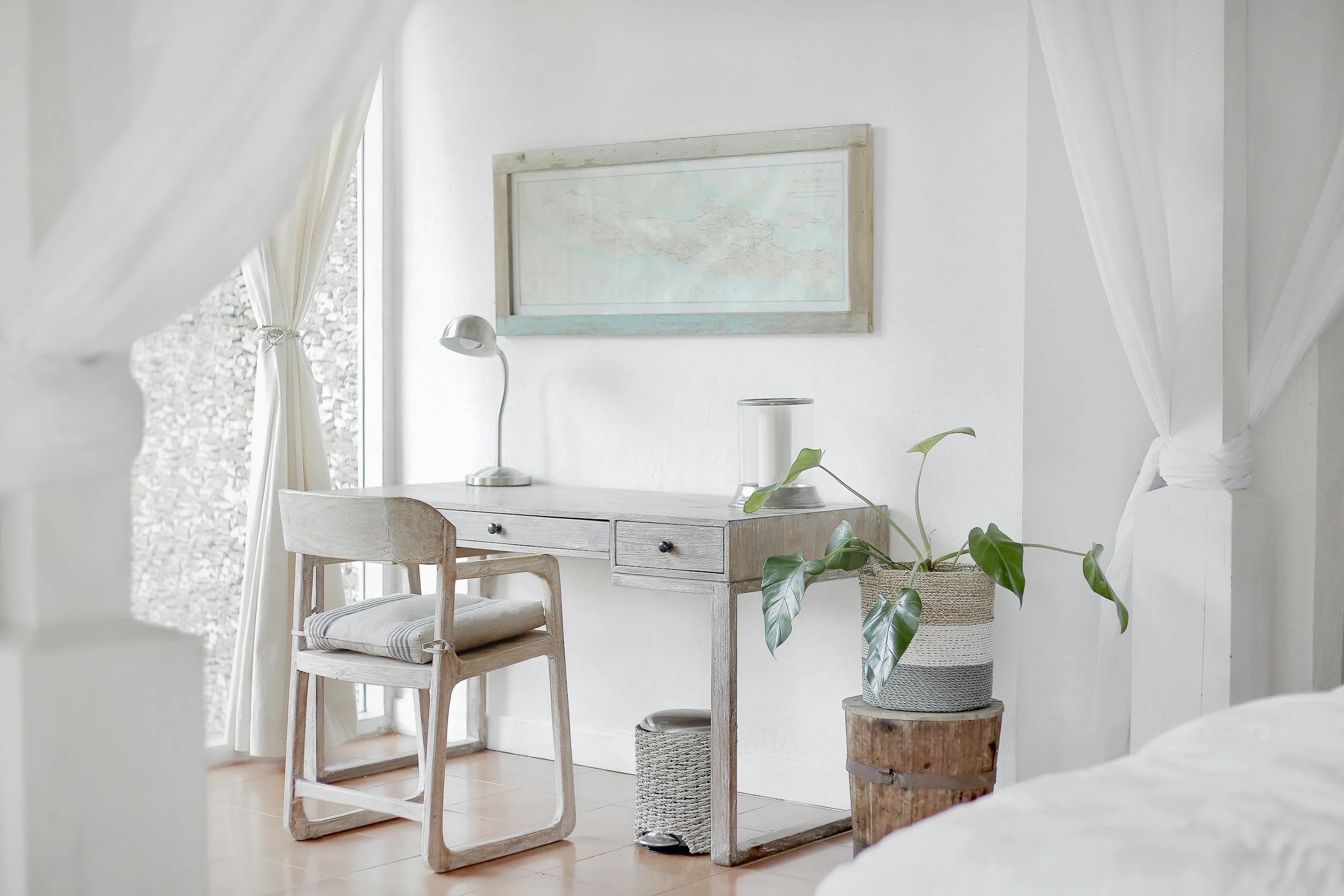
A Comprehensive Step-by-Step Guide to Decluttering Your Home Office
Decluttering your home office is a transformative process that not only enhances the aesthetic appeal of your workspace but also significantly boosts your productivity and mental clarity. The Harvard Business Review even reported that cluttered workspaces can exacerbate feelings of anxiety and stress. This guide will offer you a step-by-step process for decluttering your home office, incorporating efficient disposal of unnecessary items, all with the goal of creating your dream office space.
We partnered with a cleaning company for this post. The opinions in the post are honest. All reviews and opinions expressed in this post are based on our personal views. We are excited because we know you will love it.
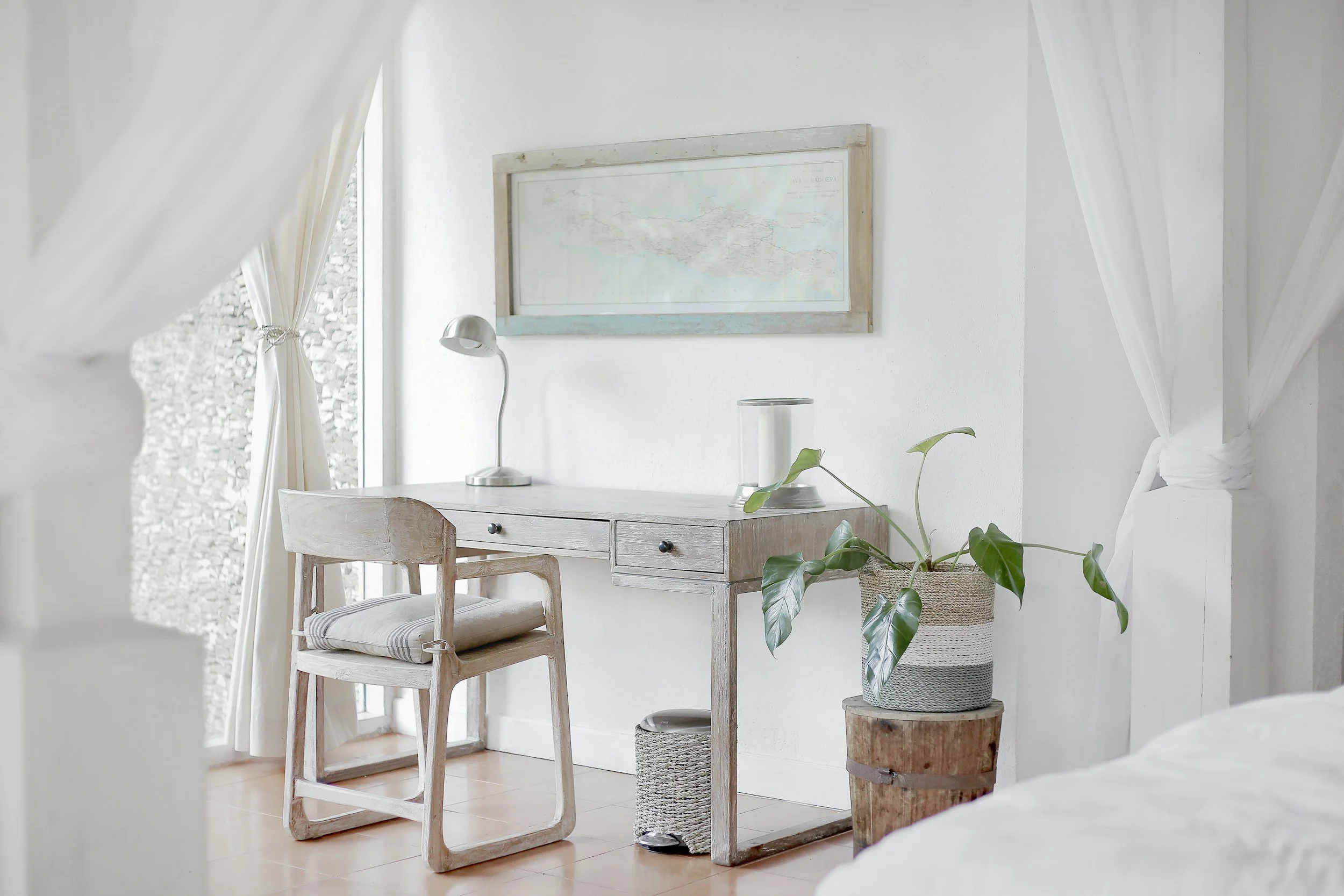
Decluttering your home office is a transformative process that not only enhances the aesthetic appeal of your workspace but also significantly boosts your productivity and mental clarity. The Harvard Business Review even reported that cluttered workspaces can exacerbate feelings of anxiety and stress. This guide will offer you a step-by-step process for decluttering your home office, incorporating efficient disposal of unnecessary items, all with the goal of creating your dream office space.
Step 1: Set Clear Goals
Envision your ideal workspace. What does it feel like? What functionality does it offer? Setting clear, tangible goals will guide your decluttering efforts and keep you motivated throughout the process.
Step 2: Prepare for Decluttering
Arm yourself with the necessary tools for a smooth decluttering process: garbage bags for waste, boxes for donation items, and containers for things you intend to keep. This preparation is crucial for maintaining momentum and avoiding distractions.
Step 3: Sort Your Items
Empty all storage areas and sort through every item on a large surface. Make decisive choices about what to keep, donate, recycle, or throw away. For items that are no longer useful but cannot be recycled, consider options for eco-friendly rubbish removal to ensure an eco-friendly disposal.
Step 4: Organize Documents
Paper clutter can be overwhelming. File away necessary documents, digitise what you can, and prepare the rest for recycling or secure disposal. For sensitive documents that cannot be easily recycled, seek out services that specialize in secure rubbish removal in London.
Step 5: Address Digital Clutter
Digital clutter can be just as distracting as physical clutter. Organize your digital files, clear your desktop, and streamline your email inbox to enhance your digital workspace’s efficiency.
Step 6: Reassess Office Supplies
Critically evaluate your office supplies and keep only what you regularly use. Excess supplies can be donated, or if no longer usable, disposed of responsibly. For large quantities of non-recyclable materials, look into bulk rubbish removal services, or hiring a dumpster.
Step 7: Optimize Storage Solutions
After decluttering, invest in appropriate storage solutions. Use organizers, labels, and strategic placement to keep your office tidy. This step is crucial for maintaining the clarity and efficiency of your workspace.
Step 8: Designate Zones
Creating specific zones for different tasks can greatly improve your productivity. A well-thought-out layout with clear areas for work, supplies, and personal items can streamline your work process and keep your space organized.
Step 9: Implement a Maintenance Routine
Decluttering is an ongoing process. Establish a daily routine to tidy up and a more thorough weekly routine to prevent clutter from accumulating. This habit will keep your workspace in optimal condition for productivity.
Step 10: Personalize Your Space
After decluttering, personalize your space with elements that inspire you. A workspace that reflects your personality and work style can significantly enhance your motivation and satisfaction.
Additional Tips for Success:
Embrace Minimalism
A minimalist approach can reduce clutter and distraction, promoting a focus on your work and creativity.
Utilize Vertical Space
Take advantage of vertical space with shelves and wall organizers to keep essential items accessible without cluttering your workspace.
Tackle Cable Clutter
Manage cable mess with organizers or clips to enhance the visual cleanliness of your office.
Reflect and Adjust
Regularly assess the functionality of your space. Be willing to adjust your setup as your needs change to maintain a productive and satisfying workspace.
Conclusion
By thoroughly decluttering your home office and employing a disciplined approach to maintenance, including the responsible disposal of waste, you can create an environment that fosters productivity, creativity, and well-being. A clutter-free office is not just about aesthetics; it's about creating a space where your best work can happen.

Staying Organized on Moving Day: 5 Tips for Managing Logistics and Minimizing Stress
After moving enough times, you'll start to see a pattern. The initial excitement is when you gather packing supplies, move cartons, and prepare yourself for days of hard labor. You realize that what you thought was going to be a ten-minute job is going to actually take 30 minutes, and that you're going to have to work for five hours instead of an hour.
We partnered with a home improvement company for this post. The opinions in the post are honest. All reviews and opinions expressed in this post are based on our personal views. We are excited because we know you will love it.
After moving enough times, you'll start to see a pattern. The initial excitement is when you gather packing supplies, move cartons, and prepare yourself for days of hard labor. You realize that what you thought was going to be a ten-minute job is going to actually take 30 minutes, and that you're going to have to work for five hours instead of an hour.
Moving day is finally here, after a sweaty, long day of heavy lifting and the odd last-minute hiccup. After all the work is done, you can relax for a moment before looking at your boxes to see how much more is needed. Then you go online and start browsing for storage facilities near me. Sound familiar?
Well, millions of people face the challenges of moving day, but the important thing is how to approach the situation. Finding a reliable storage facility close to you can save you a lot of headaches and allow you to streamline the moving process so as to not waste much time going back and forth.
And for other tips for managing logistics and minimizing stress on moving day, continue reading below.
Create a Comprehensive Moving Plan
Create a thorough moving plan that addresses every facet of your relocation, including packing, moving, and unpacking. Make sure to divide work into digestible portions and establish due dates to ensure that you don't miss anything.
Declutter your belongings before packing to minimize the number of goods you'll need to move. Sort through your stuff, designating what to keep, donate, sell, or throw away. Packing will go more quickly if you arrange items by category.
Collect all the packing materials you'll need, such as sturdy boxes of different sizes, packing tape, bubble wrap, packing paper, and markers for labeling. Try to use eco-friendly products whenever you can to reduce waste.
Consider Professional Movers
Most of the people moving choose to hire professional movers to avoid the hassle of packing, lifting, loading, and unloading boxes. Due to high demand, there are more and more moving services across the world. For instance, the moving services industry in Canada reached $1.4 billion in 2023.
You can reduce the stress associated with moving by hiring a professional moving service. Moving companies can help you with heavy lifting, but they can also wrap and transport difficult-to-pack items such as lamps and artwork. This means less work for you and less stress.
Allow Yourself Plenty of Time
Time can be the single greatest source of tension during any move. Although no amount of preparation or planning can make the experience stress-free, giving yourself plenty of lead time will make the whole process simpler. Furthermore, making decisions early will reduce last-minute anxiety, so keep this in mind.
Start Small
If you feel overwhelmed by moving stress or don't know where to begin, take baby steps toward the beginning. Even something as small as packing one kitchen drawer could help alleviate pressure, or gathering all your books into boxes could do the trick. Don't fret over everything having to be packed all at once; instead, focus on accomplishing one thing at a time.
Pack each room separately, beginning with goods you don't use often and working your way up to everyday necessities. Cushion breakable items with blankets or bubble wrap, and name boxes with the room they're going to be in and its contents to make unpacking easier. Choose a moving strategy for getting your stuff to your new house.
You can hire a moving container or use a freight shipping service for long-distance moves, or you can reserve a rental truck well in advance to guarantee it will be available on a moving day.
Stay Organized

Moving can be stressful, so proper organization is paramount to making it less of a headache. That means sorting and labeling boxes to make unpacking simpler as well as keeping any documents you might require such as contracts from movers or lease agreements in one easily accessible place; getting all these out early will save you headaches later.
The Final Say: Achieve a Stress-Free, Organized Moving Day
Stress is a common part of life, and relocating is no exception. Accept the situation for what it is and make proper organization a priority at all times. Make a detailed plan about what you’ll do and everything you’ll need. Make sure you have all the packing supplies you need and a storage space to use before you start piling boxes. Small considerations go a long way.

How to Create a Packing Timeline for a Seamless Move
Discover how to create a packing timeline for a seamless move and make your relocation stress-free with our expert tips and strategies.
When planning a move, the secret to keeping stress at bay is to create a packing timeline for a seamless move. This approach simplifies the process and brings a sense of control and efficiency to what can often feel like a chaotic event. Much like the principles of home organizing, establishing a clear and actionable plan ensures that everything has its place, from your belongings to the tasks needed to move them. With a well-thought-out timeline, the move feels less intimidating and more like a series of manageable steps.
Try To Understand Your Moving Timeline

To tailor your move perfectly, consider factors like the distance, the size of your household, and your commitments. For instance, a local move might require less preparation time than an international relocation. A larger household or a busy work schedule might mean you need to start the process earlier. On average, people spend six weeks to two months preparing for a move. This time frame is crucial for sorting, packing, and addressing logistical concerns without rush.
Create a Packing Timeline for a Seamless Move
Moving is a goal that people reach by moving step by step - and packing is the one that takes the most time and effort. But if you create a packing timeline for a seamless move, your road to that goal will be more organized.
Six Weeks Before the Move: Planning and Sorting
At this stage, your focus should be on decluttering. Like spring cleaning, this process involves making decisions about what to keep, sell, donate, or throw away. Now is also the time to research and decide whether you'll hire moving services. Start gathering moving supplies, such as boxes, packing tape, and bubble wrap. By doing so, you avoid the last-minute rush and potential shortages.
Professional Movers Will Make All the Difference
Hiring professional movers significantly eases the moving process. When you choose a reputable company like Royal Moving Co, you're not just getting a team to transport your belongings; you're getting peace of mind. Since 2012, they have been working relentlessly hard, and with an unwavering dedication to customer service, they earned the title of Los Angeles's #1 moving company. Opting for their packing services means you won't have to worry about a single aspect of your move. They handle everything with precision and care, allowing you to focus on the excitement of starting fresh in your new home. Visit royalmovingco.com to see how they can streamline your next move.
Four Weeks Before the Move: Begin Packing Non-Essentials
Now, pack items you rarely use. Think about seasonal clothing, books, and decor. Clearly label each box with its contents and the room in which it belongs in your new home. Additionally, creating an inventory helps track your belongings, ensuring nothing gets lost or forgotten.
Three Weeks Before the Move: Tackle the Living Areas
Focus on the living room, dining room, and items in the kitchen that you don't use daily. Special care should go to plants and items needing special handling or packing. If you're selling or donating large furniture or appliances, now is a good time to finalize those arrangements.
Two Weeks Before the Move: Focus on Bedrooms and Personal Items

Pack most of your clothing, leaving out only what you need for the next two weeks. It's also wise to secure personal documents and valuables. Consider using a small, portable safe or a lockbox for items like birth certificates, passports, and expensive jewelry. This step is about ensuring the essentials remain accessible and secure.
One Week Before the Move: The Final Countdown
With only a week left, pack an essentials box. This step ensures you have everything needed for the first few days after the move without searching through dozens of boxes. For example, when packing the bathroom for relocation, include toiletries, a few towels, and medications. This approach simplifies the first night in your new home and eases the stress of needing something you can't immediately find.
A Few Days Before the Move: Last-Minute Tasks
Dismantle large furniture.
Pack suitcases for each family member, like you're taking a short vacation—this keeps daily wear accessible.
Clean the house or arrange for a cleaning service to do so. This is especially important if you need to ensure the return of a security deposit.
Moving Day
On the big day, keep your essentials box and personal suitcases handy. You'll want easy access to these items. Before the movers arrive or you start loading the truck, do a final walkthrough of your home. This last look ensures nothing is forgotten. When you move out of state, checking each room carefully is even more critical due to the distance involved.
Post-Move: Unpacking and Settling In
After the move, start with unpacking essential items. Setting up the kitchen, bathroom, and bedrooms first makes the new place functional. Here are some quick tips:
Unpack the kitchen so that you can cook or at least make coffee.
Set up the bathroom so everyone can freshen up.
Assemble beds to ensure a good night's sleep from day one.
Tackle the boxes room by room. Each item you unpack should have a designated place in your new home.
Additional Tips for a Smooth Move
To ensure a seamless move, keep these tips in mind:

Stay organized with a detailed checklist. It's a simple tool that keeps you on track.
Avoid common mistakes, like underestimating the time needed for packing.
Maintain a positive attitude. Stress is normal, but staying positive helps you tackle challenges more effectively.
Final Thoughts
A packing timeline is more than just a strategy; it's a roadmap to a successful transition into your new home. This approach minimizes stress and maximizes efficiency, ensuring that you feel prepared and in control from the moment you decide to move through the moving day and into the process of settling in. If you invest time and know the right way to create a packing timeline for a seamless move, your move will be just that - seamless, effortless, and enjoyable!

