

A resource for those seeking information on organizing and transforming spaces.

10 Simple Home Organizing Hacks to Transform Your Space and Boost Productivity
Do you ever feel overwhelmed by the clutter in your home and struggle to stay organized? Would you like your living environment to be neater, increasing your efficiency and reducing stress? Sometimes, there’s no need for complicated organizational solutions—simple tools can make a big difference.
We partnered with a home improvement company for this post. The opinions in the post are honest. All reviews and opinions expressed in this post are based on our personal views. We are excited because we know you will love it.

Do you ever feel overwhelmed by the clutter in your home and struggle to stay organized? Would you like your living environment to be neater, increasing your efficiency and reducing stress? Sometimes, there’s no need for complicated organizational solutions—simple tools can make a big difference.
In this article, I’ll share ten practical organizing hacks that can help transform your space into a place where you can live, work, and relax comfortably.
1. Declutter Regularly
Organization is the first step towards achieving a well-arranged home that will meet the needs of the inhabitants. Take some time each week, month, or year to effectively sort through your items, clothes, and shoes that you rarely use or haven’t used for years.
Donate usable items that are still in good condition. Dispose of those that are broken beyond repair. Again you enhance the ability to arrange the things that are remaining since you have removed as much clutter as easily.
2. Create a Command Center
This is probably the most popular and effective organizational tip; assign a space in your home that will deal with schedules, bills, and other important papers. A call center software may be used for a more detailed and seamless call transfer. However, you may also get a wall-mounted telephone mail stand with sections for letters, keys, and pending chores.
Lastly, add a calendar and pen holder where people can make notes on appointments, etc. so that they are not out of place and order.
3. Embrace Vertical Storage
Holistically optimize space by using the vertical space available and it will further your storage abilities. Place shelves above each door, put up tall bookshelves or cabinets and you can place hooks or peg boards for items such as coats, hats, or kitchen utensils.
Vertical storage not only helps eliminate traffic congestion at ground level but also saves the effort of having to retrieve items that are used regularly.
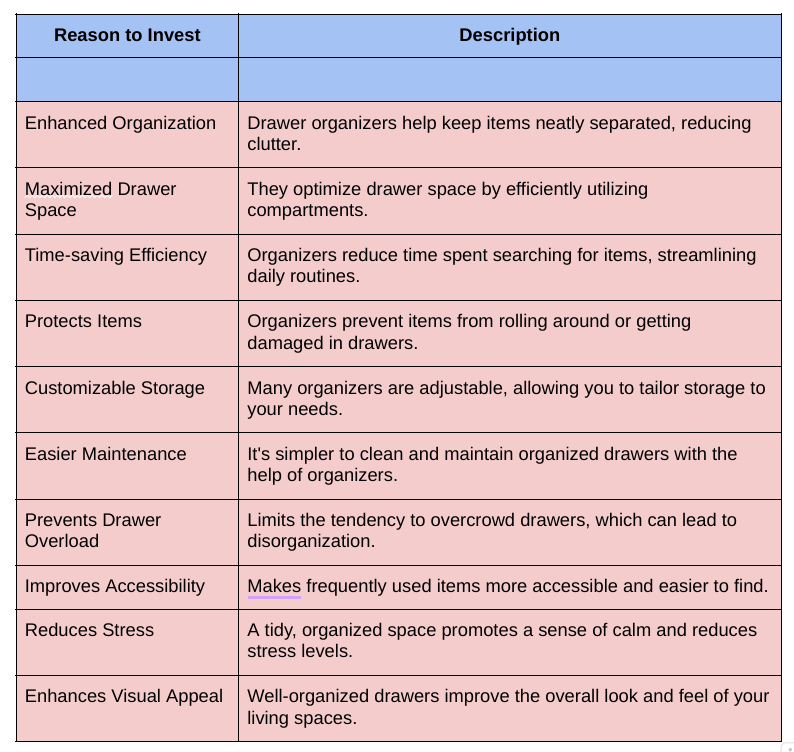
4. Invest in Drawer Organizers

Dividers are the best inventions that can help maximize the space in every drawer irrespective of the size of the drawer. Retractable dividers work well for separating socks from underwear, utensils in the kitchen, and writing instruments in an office.
They are adjustable and can contain a wide variety of items, preventing chaos and making it easier to find what you need.
5. Label Everything
Staying on top of things requires one to use labels as much as possible. Purchase a label maker or read adhesive label to label boxes, bins, and shelves to label. This saves you hours of searching for items and ensures that everyone in the house puts things back in their proper places.
6. Utilize Under-Bed Storage

Beneath the bed is another useful area since it is not a doormat section where items not frequently used can be stored. Buy bed frames with built-in storage bins or drawer systems. If possible, seasonal clothes, additional blankets, or extra shoes, should not be placed within the bedroom or closet space they should clutter the area.
7. Optimize Kitchen Cabinets
Learn how you can manage space in your cabinetry: Maintaining Kitchen Organization. Stackable shelves or lazy Susans can be used in deep cabinets, making items in the back easily accessible.
Attach hangers on the inside of cupboard doors to conveniently store utensils like measuring cups, kitchen potholders, and cleaning hands. For pantry storage, plastic containers can be used so that when you are restocking you can see what is in stock and its preservative stage.
8. Adopt the One-In, One-Out Policy
For a cleaner house, it is important to avoid letting things get to the house in the first place and for this, the one in one out rule is beneficial. Every time you shop for new clothes, accessories, kitchen utensils, or books, get rid of similar items you no longer use.
For instance, make it your rule to get rid of one or more similar items that you last used a while ago. The best part of this practice is balancing and avoiding the spaces where you store unused items to get cluttered.
9. Categorise by Level of Usage
Separate belongings at home based on how often you use them for everyday tasks so that they become simple routines. Store frequently used items, such as toothbrushes, soap, kitchen spoons, forks, or pencils, within easy reach.
Conceal products that are bought and used during certain seasons or festive occasions in hard-to-reach places, thereby ensuring that products with first-class storage locations are likely to be popular items.
10. Schedule Regular Maintenance
In homes with children, pets, and daily hustle and bustle, cleaning is never a one-time event. It is also important to have periodic, perhaps weekly or monthly, cleaning and re-strategizing sessions to scrub up your list and other organizational frameworks.
Engage in 15 to 30 minutes of sustained and purposeful action, like sorting through piles of clutter or identifying and dealing with mail. Such weekly cleanouts also mean more focused and methodical cleaning and tidying-up processes to maintain the efficiency of your home.
Reasons to Invest in Drawer Organizers
Conclusion
Applying these ten practical ideas for a home organization can ensure your space becomes a significantly more efficient area. On the same note, decluttering, smart use of vertical and hidden space, and proper organization of areas will not only improve the look of a home but also minimize stress at work and increase efficiency.
It is advisable to embrace a few hacks before gradually adding more to your daily practice to end up with a home that is well-ordered to maximize comfort and well-being.
FAQs
1. How can home organizing hacks benefit me?
Implementing organizing hacks can reduce clutter, enhance productivity, and create a more pleasant living environment.
2. What is the best way to start organizing my home?
Begin by decluttering regularly and creating designated spaces for frequently used items.
3. How can vertical storage solutions help in organizing my space?
Vertical storage maximizes space by utilizing walls for shelves, hooks, and cabinets, keeping floors clear.

The Importance of Decluttering on a Regular Basis
Decluttering on a regular basis is much more than folding laundry and clearing the counters. Understand the rules to live by and the benefits in this read.

Decluttering has become more than just a trendy buzzword; it’s a lifestyle change that can significantly impact your mental and physical well-being. The process involves removing unnecessary items from your living space to create a more organized and harmonious environment. Below, we’re discussing the importance of decluttering on a regular basis with a few rules to live by.
The Importance of Regular Decluttering
Clutter accumulates quickly, often without us even realizing it. Unused items, old clothes, and miscellaneous knick-knacks quickly pile up and lead to a cluttered, disorganized home.
Regular decluttering is crucial because it prevents this accumulation and ensures your living space remains functional and pleasant. Real-life examples abound; think of the last time you couldn’t find an important document or tripped over a stray object. These minor inconveniences build up and contribute to stress and overwhelm.
Tips for Effective Decluttering
Getting started with decluttering is usually a challenge for many, but it doesn’t have to be. Begin by tackling one room or even one drawer at a time. This makes the task more manageable and less overwhelming.
Maintain your progress by adopting the “one in, one out” rule: for every new item you bring into your home, remove another. These simple guidelines will keep your space clutter-free over time. Remember, consistency is key; make decluttering a regular part of your routine rather than a one-time event.
Decluttering To Make Your Home Feel Bigger
Decluttering doesn’t just make your home look cleaner; it can also make it feel more spacious. This is especially beneficial for homeowners and minimalists who may struggle with limited space. Specific strategies can help, such as using multi-functional furniture and keeping surfaces clear.
Even if you live in a small space like a yurt, there are tips for making a yurt feel bigger. For example, use vertical storage solutions and keep the floor area as open as possible. These techniques can make any living area feel larger and more comfortable.
Decluttering Rules to Live By
Incorporating some basic decluttering rules to live by can make the process much more straightforward. One essential rule is to handle items only once; when you pick something up, decide immediately whether to keep, donate, or discard it.
Another rule involves setting time limits for decluttering sessions. Avoid getting bogged down by working in short, focused bursts. These principles are easy to integrate into daily routines and make decluttering less of a chore and more of a habit.
The benefits of decluttering on a regular basis are numerous, from reduced stress to a more organized and aesthetically pleasing home. Regular decluttering is essential for maintaining these benefits over time. Start your journey today by implementing some of the tips and rules discussed here.

Embracing Your Cozy New Space: Organizational Tips for Recent Downsizers
Downsizing comes with many benefits. You can live in a space that’s less cluttered, adopt a more minimalist lifestyle, and potentially save money. In fact, a survey from Homes.com found that 62% of people who downsized said spending less was a big upside to their decision.
Downsizing comes with many benefits. You can live in a space that’s less cluttered, adopt a more minimalist lifestyle, and potentially save money. In fact, a survey from Homes.com found that 62% of people who downsized said spending less was a big upside to their decision.
But, transitioning to a smaller home can feel a bit overwhelming when you’re trying to hang on to the things that are important to you from a larger space.
Thankfully, there are things you can do to make the transition easier. By optimizing your space and putting strategies in place to keep things organized, you can thrive in a more compact environment and enjoy the peace and coziness it brings. Not sure how to get started? Let’s cover a few tips you can start using right away.
Start Decluttering Now
You’ll have a much easier time moving into a smaller space if you declutter before you leave the larger one. While decluttering might seem a bit overwhelming, at first, it can actually be quite liberating to let go of the things you no longer use, want, or need.
Downsizing before you move has many benefits. You’ll have less to load and unload, it’s less stressful, and you’ll save money by making fewer trips. You might even be able to make money if you’re able to sell things like furniture, clothing, or appliances online before you move.
The decluttering process is easy. Make three piles as you go through each room:
Keep;
Donate/sell;
Trash.
When you narrow down your decluttering into categories, it’s much easier to decide what to do with everything, and it streamlines the process so you’ll only take what you need to your smaller home.
Space-Saving Solutions
Even if you’re able to do some de-cluttering, one of the best ways to keep your new home from feeling cramped is to become an organization guru. Every inch of usable space should be made as functional as possible.
If you want to make sure you feel right at home after moving in, be mindful of each room before you start unpacking. Where do you see things going? How do you want to decorate? How are you going to make sure everything has its place? Unpack your essentials for each room first and make sure they have a “home,” since you’ll likely be using them the most. Then, you can start to add the rest of your belongings, even if you have to get creative with storage and organization.
First, maximize vertical space so you don’t have clutter on the floor. Hang floating shelves to add decorative interest to each room. Or, invest in tall bookshelves that go all the way to the ceiling. Yes, you can use them to store books, but they can also display pictures and small pieces of decor. It will add to your cozy aesthetic and keep things in a designated place.
If you sold some of your old furniture, consider investing in new pieces that are both functional and fashionable. You can find ottomans with hidden storage, and coffee or dining tables that can convert into desks, which are especially helpful if you work from home.
Finally, consider which spaces you aren’t using to their fullest. For example, if you don’t have a lot of closet space, purchase a few long plastic bins that can store your winter clothes when they’re out of season. You can slide them right underneath your bed, and those bulky sweaters won’t take up space in your closet.
Organizing a smaller home takes a bit of patience and creativity, but it can also be a lot of fun if you’re willing to think outside the box. Keep these tips in mind and enjoy the freedom of living a simpler, less cluttered life in your new space.
The Cost of Clutter
The financial impact of clutter goes beyond mere inconvenience; it can have significant consequences on your finances. Understanding how clutter affects your financial well-being is the first step toward minimizing its impact.
The financial impact of clutter goes beyond mere inconvenience; it can have significant consequences on your finances. Understanding how clutter affects your financial well-being is the first step toward minimizing its impact.
One of the most obvious ways clutter affects finances is through storage expenses. Renting additional space or purchasing storage containers can add up over time, draining your wallet without offering any tangible benefits. In fact, 11.1% of U.S. households resort to renting additional storage space, contributing to unnecessary monthly expenses.
Clutter also leads to reduced productivity, as valuable time is wasted searching for items amidst the chaos. Americans collectively spend $2.7 billion each year replacing lost items, highlighting the financial toll of disorganization. Furthermore, clutter can pose potential health risks, from accidents caused by tripping over clutter to allergies triggered by dust accumulation. In fact, 55% of Americans cite their home's disorganization as a major source of stress, potentially leading to increased healthcare costs in the long run.
Moreover, clutter can decrease property value by as much as 5-10%, deterring potential buyers and resulting in lower resale prices. Additionally, accumulated clutter often requires professional cleaning services, incurring additional expenses that could have been avoided.
From a behavioral perspective, clutter can lead to increased impulse purchases and delayed bill payments, further exacerbating financial strain. The stress and anxiety caused by a cluttered environment can also impact financial decision-making, potentially leading to poor money management and overspending.
To prevent clutter accumulation and mitigate its financial impact, practical steps can be taken like hiring Stand Up Guys, junk hauling experts in Kennesaw. Setting clear decluttering goals, sorting and organizing items, and implementing storage solutions are essential steps to maintaining an organized space. Adopting a minimalism mindset and practicing mindful consumption can also help limit unnecessary purchases and reduce clutter over time.
Furthermore, selling unused items, donating to charity for potential tax deductions, and optimizing future spending based on household needs can result in significant savings. By decluttering your living space, you not only create a cleaner and more organized environment but also pave the way for better financial health and well-being.

