

A resource for those seeking information on organizing and transforming spaces.

How to Time Your Move to Avoid Delays and Get the Best Rates
Concerned about moving delays and expenses? Get the best rates and a hassle-free experience with our essential timing tips for your move.
We partnered with a moving company for this post. The opinions in the post are honest. All reviews and opinions expressed in this post are based on our personal views. We are excited because we know you will love it.
The stress of moving can be overwhelming, especially when facing high costs and scheduling issues.
Imagine struggling with last-minute movers' schedules and inflated prices just because you didn’t pick the right time. Plus, the chaos of packing and the uncertainty of your move can add unnecessary pressure.
But you don't have to worry because you can avoid all these complications with a bit of strategic planning. By carefully choosing the best time to move, you can sidestep the most common pitfalls of relocation.
Let’s explore how you can turn your move into a well-coordinated and hassle-free experience.
Seasonal Pros and Cons
Each season presents its own set of advantages and challenges when moving.
Spring is often ideal due to mild weather, which makes packing and transportation more manageable. Additionally, moving companies are less busy, offering lower rates and more flexible scheduling. However, spring's unpredictable rain can sometimes disrupt plans.
Summer is the peak season for moving, favored for its warm weather and school vacations, which is convenient for families. But, this popularity results in higher costs and reduced availability.
Fall offers cooler temperatures and fewer crowds, but regions prone to early snowfalls may face complications.
Finally, winter, while offering potential savings and less demand, brings challenges such as bad weather and holiday scheduling.
Month-by-Month Breakdown
January and February: These months are generally the least expensive for moving due to lower demand. However, the cold weather and possible snow storms can create additional challenges.
March and April: As temperatures start to rise, moving becomes easier, but demand also begins to increase.
May through July: These are peak moving months due to school vacations and favorable weather, but higher demand often leads to increased costs.
August: Rates might drop slightly as the summer ends.
September and October: Cooler temperatures and reduced competition make these months ideal for moving.
November and December: Though rates can be lower, the holiday season and cold weather may pose challenges.
Weekday vs. Weekend Moves
Choosing between a weekday and a weekend move can significantly impact your experience.
Weekdays often offer advantages such as lower rates and greater availability of movers, as fewer people move during the week. This can also mean quicker loading and unloading times. However, weekdays might require taking time off work or disrupting school schedules.
Weekend moves, on the other hand, are more convenient for those who cannot take time off work. Friends and family are often more available to help, which can make the process smoother. Yet, the higher demand on weekends can lead to increased costs and less flexibility with scheduling. Traffic congestion is also more likely, particularly on Saturdays.
Best Time to Move Around Personal Schedules
Aligning your move with personal schedules can reduce stress and make the transition smoother.
For work commitments, try scheduling your move during a less busy period, such as during a vacation or after major projects. This minimizes work-related stress and allows you to focus on the move.
For families with children, moving during school holidays or summer breaks is ideal to minimize disruption. If a mid-year move is necessary, plan it around school breaks to help your children adjust before starting at a new school.
Additionally, avoiding major holidays can prevent complications related to family commitments and moving service availability.
The Best Time to Move Based on Finances
Timing your move with financial considerations in mind can help manage your budget effectively.
Moving during off-peak seasons like late fall and winter often results in significant savings due to reduced demand. Movers tend to offer lower rates during these times, and scheduling flexibility can further help avoid last-minute costs.
Be aware of potential hidden costs, such as weather-related expenses in winter, like snow removal or delays. Conversely, summer moves, while more convenient for many, come with higher rates due to increased demand.
Also, consider the cost of overlapping utilities and rent if your move-in and move-out dates do not align.
Finding Your Perfect Moving Date
Selecting the optimal time for your move involves considering various factors, including seasonal weather, demand fluctuations, personal schedules, and financial constraints. By evaluating these elements, you can find the ideal moving date that suits your needs.
Each situation is unique, so weigh what aspects are most important to you, whether it’s cost savings, scheduling convenience, or favorable weather conditions.
When it comes to finding reliable movers, Germantown, MD, residents rely on early booking to secure their preferred dates and rates. Thoughtful planning will lead to a smoother and more successful relocation, making the process less daunting and more manageable.
Conclusion
Timing is everything when it comes to a successful move.
Assessing seasonal benefits, monthly trends, and scheduling options allows you to plan effectively and avoid common moving challenges. By aligning your move with favorable conditions and personal needs, you can reduce both stress and expenses.
Now that you have a clearer understanding of how to time your move, you can make informed decisions that set you up for success.
The Benefits of Professional Home Organization for Real Estate Success
In the highly competitive world of real estate, one must really present a property at its best in order to make a sale that is successful. One of the most powerful but overlooked strategies is professional home organization availability.
We partnered with a home improvement company for this post. The opinions in the post are honest. All reviews and opinions expressed in this post are based on our personal views. We are excited because we know you will love it.

In the highly competitive world of real estate, one must really present a property at its best in order to make a sale that is successful. One of the most powerful but overlooked strategies is professional home organization availability.
The benefits of a well-organized home, beyond the added aesthetic value, are manifold and crucial in selling a house. This article explores the myriad benefits of professional home organization and how it can lead to success in real estate.
Better Visual Appeal
Idaho offers the best of the best rental homes and properties, with its mountain terrain, and being a great place for people who love outdoor activities, the place is a heaven filled with adventures..
Professional home organization plays a crucial role in enhancing the appeal of any property, especially those listed as homes for sale in Teton Valley Idaho. By meticulously organizing and staging a home, sellers can showcase its best features, making it look more spacious and inviting.
One of the key benefits of professional organization is enhancing the appearance of the house. An orderly and well-organized home implies an appealing environment. An organized home performs better in listings and showings. Attracts more potential buyers hence more chances of disposing of property faster.
Staging and Presentation
Home staging services by a professional organizer, the presentation of a home's good points, uses the most beneficial attributes of interior design to make spaces seem larger and more useful. They will arrange chairs, furniture, and artwork to create a cohesive space that minimizes unwanted views.
Flaunt Key Features
An organized room and clutter-free space ensures all key features of the home are flaunted. It may include spacious closets, an open floor plan, and unique architectural features.
Rise in Property Value
Organizing homes professionally can add value to property. Increasing a property's perceived value can lead to higher selling prices and better returns on investment.
Perceived Space and Functionality: Homes appear more spacious and more functional when they are arranged neatly. This indicates that it can spur increased offers, for which buyers are ready to pay a premium because houses appear well taken care of and ready to move into.
Value Investment: Professional organization services can be a huge return on investment. An organized house typically sells for more compared to the one full of clutter, as it results in an enhanced value of the property.
Faster Sales and Reduced Time on Market
A well-organized home usually leads to a quicker sale and ultimately cuts down the time a property might take during listing. A quicker sale time means more money in the seller's pocket, and less time paying for the carrying costs of owning the property.
Streamlined Viewing
An organized home is easier to show, making the process more effective and efficient. Potential buyers are more impressed with clean and organized homes, thereby quickening the decision process.
More Likable First Impression
First impressions in real estate are everything. A neat property welcomes a good first impression, hence increasing the likelihood of offers to come in early and minimizing the number of days the property will stay on the market.
Improved Buyer Perception
When one does professional organization of a home, it sets the right condition to influence the perception of potential buyers. Making your home more buyer-friendly through organization will make it more sellable. This will attract buyers who are not just looking but actually serious about it.
Emotional Appeal: When arranged, the house becomes a very attractive place, comfortable and intimate, whereby the buyers are able to connect emotionally with it, and a foundation of the likelihood of an offer on the property is laid.
Move-In Readiness: Homebuyers are more likely to view an organized home as move-in ready. As a result, the house becomes very attractive and more desirable compared to those homes that would need heavy cleaning or much-needed organizing after closing.
Efficient Use of Space
Good design and efficient use of space cuts down on frustration and stress of needing to organize and maintain a home.
Functional Layouts
They can reorganize furniture and storage solutions to make rooms appear larger and more functional. This can prove especially valuable for homes that have a lack of space or odd layouts.
Optimized Storage
Organizers equip the house with extremely efficient storage, appreciating the home's capacity and utility. This makes a property easy to sell, showing prospective buyers how space can be used efficiently.
Alleviation of Stress for Sellers
Getting a home prepared for sale is a stressful process. But part of a good professional organizer job is taking some of that stress out of the equation. Sellers are able to maintain better focus and increased positivity throughout the sales process that concludes in a successful and far less stressful experience.
Expertise and Efficiency: Professional organizers bring in the expertise and efficiency that it takes to take care of all the nitty-gritty involved in decluttering and home staging so sellers can focus on the different components of the process of selling a home.
Streamlined Process: Handling the organization process, professionals will take away some of the stresses related to getting the home ready to sell, ensuring a much smoother, less intimidating experience for the seller.
Better Opportunities for Marketing the Home
A clutter-free home equals more effective marketing and better materials. Better marketing activities ensure more closely matched ads to prospects and tenant interest.
Photographs
Professional organization ensures that homes look their best in photographs and online listings; thus, high quality in visually appealing pictures can appeal to more potential buyers.
Better Listings
A well-organized house can also be well described in better listings. Descriptions of features and benefits can be made in listing copy, which will attract more buyers.
Long-Term Benefits to Homeowners
Long after professional home organization, the benefits remain. The overall long term active advantages of professional organization allow continual satisfaction and functionality in processes of both selling and moving.
Moving and Settling In: Sellers who are also moving to a new home may use their organizer's services for their move. Organizations can help in preparing for the move, and then settling into their new home with ease.
Continual Organization: Ability for professional organizers to provide strategies and systems that give the homeowner continued organization in the new space, with ongoing benefits, while enjoying the space where they now live.
Competitive Advantage in the Market
The overall long term active advantages of professional organization allow continual satisfaction and functionality in processes of both selling and moving. In a competitive real estate market, having an organized home can provide a significant advantage.
Having this competitive edge could further a sale in the market, realize higher offers, and really be able to sell.
Differentiation
An organized home stands out from competitive other homes', particularly in a market where many other properties are quite similar. This differentiation means that a given property becomes far more appealing to buyers and is therefore likely to sell.
Higher Perceived Value
Organized properties tend to be seen as more valuable, thereby being a catalyst that brings in offers and helps bargain for better terms.
Increased Visibility
A well-maintained home will have more appeal than a property in poor condition, so it will garner more attention in the marketplace, specifically from buyers.

Professional Guidance and Expertise
Professional home organizers come with significant experience and knowledge base in the process. The kind of help professionals can provide and advice they are able to share makes the selling process much more efficient and effective largely to the desired satisfaction of the seller.
Strategic Planning: They do the strategic planning and execution of how to organize and stage the whole house so that no stone is left unturned in carrying out this process effectively and perfectly.
Design Insights: Organizers add their design insights and recommendations to enhance the beauty of a property, leaving it more appealing and prime in the market.
Conclusion
House preparation for sale with organization, as has been highlighted, has loads of benefits and, in return, much impact on the success of selling by real estate. It boosts visual appeal, real property values, and buyer impression, and it minimizes stress to sellers.
Sellers can realize a quicker sale, higher offers, and more successful real estate transactions through investing in professional organization services. Whether preparing for a move or looking to maximize the value of a property, professional home organization is a valuable strategy helping overall success in the real estate market.
FAQs
1. How does professional home organization increase the value of the property?
Strategic organization not only makes their house more functional and puts it in the best possible light but gives a buyer an impression that the property is more spacious and maintained, therefore resulting in a higher perceived value and attracting more and better offers.
2. How does professional home organization benefit from a reduction in time on the market?
A well-organized home will be more pleasing and show much better, usually taking less time for people to come through, thus reducing the time that it will remain on the market.
3. What is the impact on buyer perception when a home is professionally staged?
An organized home presents a much more inviting atmosphere and will make a prospective buyer feel that it is move-in-ready, possibly triggering an emotional response in them to make an offer since it highlights the best features and usability in the home.
How To Increase Storage Space in Your Living Room
Are you running out of places to stow your belongings in the living room? You can maximize storage space with these simple but effective tips.
Ever feel like your living room is bursting at the seams? As a homeowner, you might find yourself occasionally accumulating more than you can store. But don’t worry, there’s hope! Discover how to increase storage space in your living room.
Declutter and Organize
The first step to increasing storage space is to declutter and organize. Start by going through all the items in your living room and getting rid of things that you no longer need or use. This will free up space and make it easier to organize the items that you want to keep.
Once you’ve decluttered, start organizing your remaining items by grouping them into categories. This will help you determine how much storage space you need for each category.
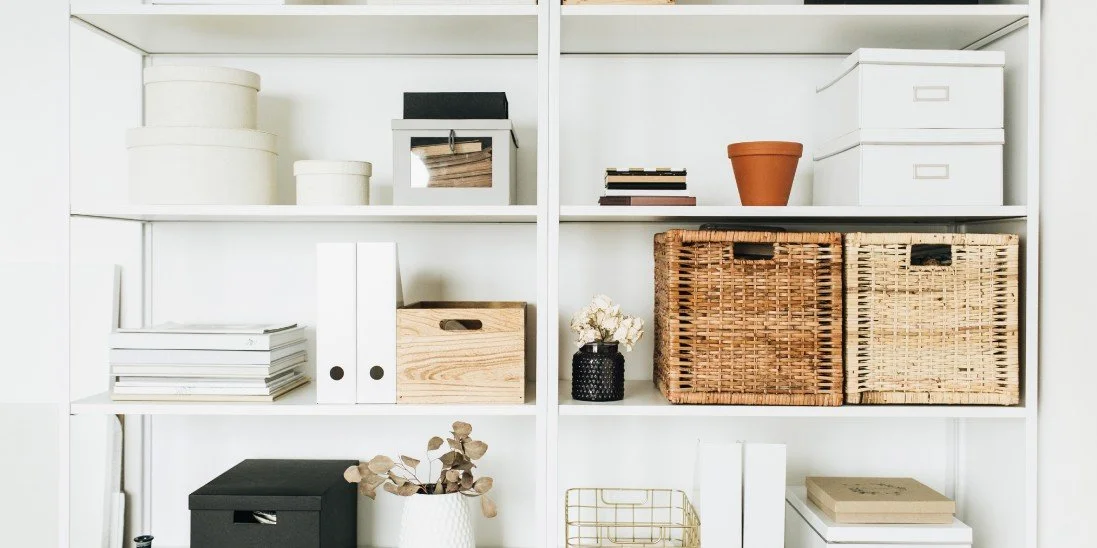
Utilize Vertical Space
You might usually think about storage in terms of floor space, but utilizing vertical space can greatly increase the amount of storage available in your living room. Invest in tall bookshelves or wall-mounted shelves to store books, decor items, or even small baskets to hold various items. You can also use floating shelves above furniture pieces like sofas or desks to create additional storage without taking up any floor space.
Another great way to utilize vertical space is by installing a pegboard on your wall. This versatile storage solution allows you to hang items like hats, bags, and even small shelves to hold knick-knacks.
Find Dual-Purpose Furniture
Investing in dual-purpose furniture can save you both space and money. Look for pieces that come with hidden storage compartments to hold anything from extra blankets and pillows to board games and magazines.
Coffee tables are a must-have for living rooms with limited storage space. Consider a coffee table with a lift-top or drawers to stow away items you want out of sight but still accessible. Ottomans are also great multifunctional furniture pieces, as they provide extra seating and hidden storage.
Invest in Baskets and Bins
Baskets and bins are excellent options for providing storage space while also adding style to your living room. Use larger baskets with lids to store items like extra throw pillows or blankets.
You can place smaller baskets on shelves or coffee tables to hold remotes, magazines, or other small items. And if you have open shelving units, use woven bins to conceal clutter and keep things looking neat.
Maximize Underutilized Spaces
Consider the potential of underutilized spaces in your living room. For example, you can transform the space under your stairs into a storage closet. You can also add shelves or cabinets above door frames or windows to maximize vertical space in these areas.
And don’t forget about the space behind your sofa. You can turn this empty wall into a storage area with the addition of shelves, cabinets, or even a built-in desk.
With some creative thinking and a little effort, you can increase storage space in your living room. And with more room to store your belongings, you can enjoy a clutter-free, cozy living space.

Simple Tips for Organizing and Decluttering Your Home
Missouri, with its sprawling plains and vibrant cities, embodies a spirit of order and accessibility that can inspire homeowners to bring the same level of organization into their living spaces. Embracing the practice of decluttering and organizing in Missouri can transform a chaotic home into a serene and efficient environment. Just as the state efficiently manages its diverse landscapes from the Ozarks to the bustling streets of St. Louis, you too can manage your home space to optimize tranquility and functionality.
Missouri, with its sprawling plains and vibrant cities, embodies a spirit of order and accessibility that can inspire homeowners to bring the same level of organization into their living spaces. Embracing the practice of decluttering and organizing in Missouri can transform a chaotic home into a serene and efficient environment. Just as the state efficiently manages its diverse landscapes from the Ozarks to the bustling streets of St. Louis, you too can manage your home space to optimize tranquility and functionality.
Start with a Plan
Before diving into organizing, develop a clear plan. Begin by setting goals for each room in your home, determining what you need from each space. A plan acts like a roadmap, guiding you through each step of the decluttering process. Decide on deadlines to keep yourself accountable and track your progress. This approach not only streamlines your efforts but also helps keep you motivated, as you can clearly see the results as each area is tackled.
Assess Your Storage Needs
Effective storage solutions are crucial for maintaining a clutter-free home. Assess your current storage areas and think about what items you need to access regularly versus those you do not. For residents of Joplin Missouri storage options are readily available to safely house items that are infrequently used but still necessary. This could include seasonal decorations, out-of-season clothing, or extra furniture. Using offsite storage facilities can greatly free up space in your home and reduce daily clutter.
Use the Four-Box Method
The four-box method is a practical approach to sorting items efficiently. As you go through your belongings, use four boxes labeled: keep, donate, sell, and throw away. This method forces you to make a decision for each item, preventing unnecessary items from lingering without a place. It's a simple yet effective way to ensure that everything in your home has a purpose and a place, or else it finds a new home or is discarded.
Go Room by Room
Tackling an entire house at once can be overwhelming. Instead, focus on one room at a time. This allows you to give each space the attention it deserves, leading to more thorough cleaning and organizing. Start with high-traffic areas or rooms that cause you the most stress. Completing one room provides a sense of accomplishment and motivates you to move on to the next, making the process more manageable and less daunting.
Maximize Vertical Space
Utilizing vertical space can dramatically increase your storage capacity without cluttering your living areas. Install shelves or cabinets that reach up high, and use hooks on the backs of doors to hang coats, bags, or jewelry. This strategy makes use of often-overlooked space and helps keep your floors clear, creating a more open and airy environment in your home.
Digitize What You Can
To further reduce clutter, consider converting physical items to digital formats where possible. This applies especially to paperwork, photographs, and media like CDs and DVDs. Scanning documents and storing them on a computer or in the cloud not only saves physical space but also makes it easier to access and organize important files. Going digital can also help secure your data, as cloud storage often includes backup options to prevent loss.
Implement Storage Solutions
Once you’ve decluttered, it’s time to organize what remains. Implementing smart storage solutions can make a big difference. Use drawer dividers for utensils or office supplies, install closet organizers for clothes, and use labeled bins for toys or seasonal items. These systems help maintain order by ensuring everything has a specific place, which discourages the buildup of new clutter.
Establish a Maintenance Routine
Maintaining order in your home is an ongoing process. Establish a routine to periodically reassess and tidy up spaces. This could be a quick weekly tidy-up or a more thorough monthly check. Regular maintenance prevents clutter from accumulating and helps keep your home organized long-term. It also allows you to adapt your organization systems to any changes in your lifestyle or family needs.
Teach Household Members
To keep your home organized, it’s important to get all household members involved. Teach everyone where items should go and encourage them to maintain the organization systems you’ve set up. Assign specific tasks or areas for each person to manage, making it a shared responsibility. This not only keeps your home tidy but also fosters a sense of teamwork and respect for the shared space.
Optimize with Labels and Signs
Using labels and signs within your home can streamline your organizing efforts dramatically. Labeling shelves, bins, and drawers clarifies where items belong and helps prevent misplacement. In the kitchen, labels can distinguish spices or differentiate between flours and sugars. In a child’s room, labels on bins can guide them on where to store toys, books, or crafts, promoting independence and responsibility. This simple practice not only maintains order but also saves time during cleanup, as everyone knows exactly where things go. Effective labeling transforms chaotic spaces into models of efficiency, making daily routines smoother and more manageable.
In conclusion, organizing and decluttering your home is not just about cleaning up once; it’s about creating systems that ensure your space remains free of clutter in the future. By following these simple tips and involving the whole family in the process, you can maintain a tidy, stress-free home. These habits not only improve the look and feel of your living areas but also enhance the overall quality of life for everyone in the household. These simple steps can transform any chaotic home into an oasis of calm and order. As you continue to apply these principles, you'll notice a significant reduction in stress and an increase in productivity. Remember, a decluttered space leads to a decluttered mind, enhancing your overall well-being and happiness.

