

A resource for those seeking information on organizing and transforming spaces.

How to Make Moving Fun for Kids
Moving with kids can be both exciting and a little nerve-wracking. But what if moving day could be a fun-filled adventure for everyone? With the right attitude and a sprinkle of creativity, you can turn moving into a memorable experience for your whole family. Here’s how to transform your move into a fun adventure for the little ones while making the process a breeze.
Moving with kids can be both exciting and a little nerve-wracking. But what if moving day could be a fun-filled adventure for everyone? With the right attitude and a sprinkle of creativity, you can turn moving into a memorable experience for your whole family. Here’s how to transform your move into a fun adventure for the little ones while making the process a breeze.
The Art of Turning Relocation into an Adventure
It’s normal kids often feel scared about moving, but you can make it fun for them. Turn the move into an adventure they'll remember forever and focus on the new starts, making memories during the move.
Embracing the excitement of new beginnings
Chat with your kids about all the cool things they have to look forward to, like making new friends or exploring the neighborhood. Get them excited about the change by discussing fun hobbies they can try out or new places they’ll get to explore. These conversations can shift their focus from the stress of moving to the excitement of a fresh start.
Creating lasting memories amidst the chaos
The move can be busy, but it's a chance to make memories. Let your kids help pack their boxes or sort their stuff. Plan fun activities like a scavenger hunt or a picnic on moving day. These activities make the move fun for kids. Remember to be patient in this process, it will be a lasting family memory.
Engaging Kids in the Moving Process
It’s easy for kids to feel left out or overwhelmed during a move. Including them in the process can make them feel empowered and connected to the experience.
Start by letting the kids help plan the move. Have a family meeting to discuss the move. Let them share their thoughts and worries. This will make them feel like they own the move and understand the changes better.
Look up the new area and find fun activities or places they like.
Let them make a list of what they want for their new room or shared space.
Make them part of choosing the moving company or planning the moving day.
When packing starts, let kids join in. Give them tasks they can do, like sorting their stuff or labeling moving boxes. This keeps them busy and creates a sense of responsibility and involvement.
Give them a special box for their most loved items, letting them make it their own.
Challenge them to make a "moving day survival kit" with their favorite things to keep them happy during the move.
Encourage them to take photos or keep a moving diary, capturing the fun of the move.
Getting kids involved in the move reduces stress and builds excitement for the new chapter. These activities make them feel more connected, powerful, and ready to take on a new adventure.
Packing Up with Playful Creativity
Packing doesn’t have to be a chore—infuse some creativity into it to make it enjoyable for everyone. Turn cardboard boxes into forts or canvases for your kids to decorate. This not only keeps them engaged but also helps ease any anxiety about leaving behind their familiar surroundings.
Moving Day: Focus on Fun and Feelings
Moving day isn’t just about logistics; it’s also about making sure your kids feel comfortable and excited about what’s ahead. Let them pack their own “moving day” bag with their favorite toys and activities. This keeps them busy and makes them feel included in the move.
Set up a special “kid zone” on moving day with snacks, games, and movies. This will keep them entertained and reduce the stress of the day. Most importantly, take the time to listen to their feelings—whether they’re excited or nervous—and offer reassurance as needed.
Transforming the New Home into a Magical Playground
The real fun begins when you arrive at your new home. Turn the setup process into a chance for your kids to express their creativity and make the space their own.
Decorating their space with personal touches
By making the space their own you are helping them feel more at ease and comfortable in their new home. Get your kids involved in making their new space fun, and let them show off their creativity and personality by decorating their room as they want. Here are some ideas:
Let them pick the colors and bedding
Let them hang up their artwork and posters
Add shelves for their favorite things
Include their hobbies and interests in the room decor
Exploring the Neighborhood: A Scavenger Hunt Adventure
Make exploring the new neighborhood fun with a family scavenger hunt. Create a list of clues to guide your kids around the area, finding interesting spots like parks, cool trees, or unique houses. Let them take photos and create a scrapbook of their new surroundings. This activity familiarizes them with the area and helps them feel like they belong.
Moving is more than just a change of address—it’s the start of a new chapter in your family’s story. With a little creativity and by involving everyone in the process, you can turn a potentially stressful event into a fun and memorable experience. Happy moving!
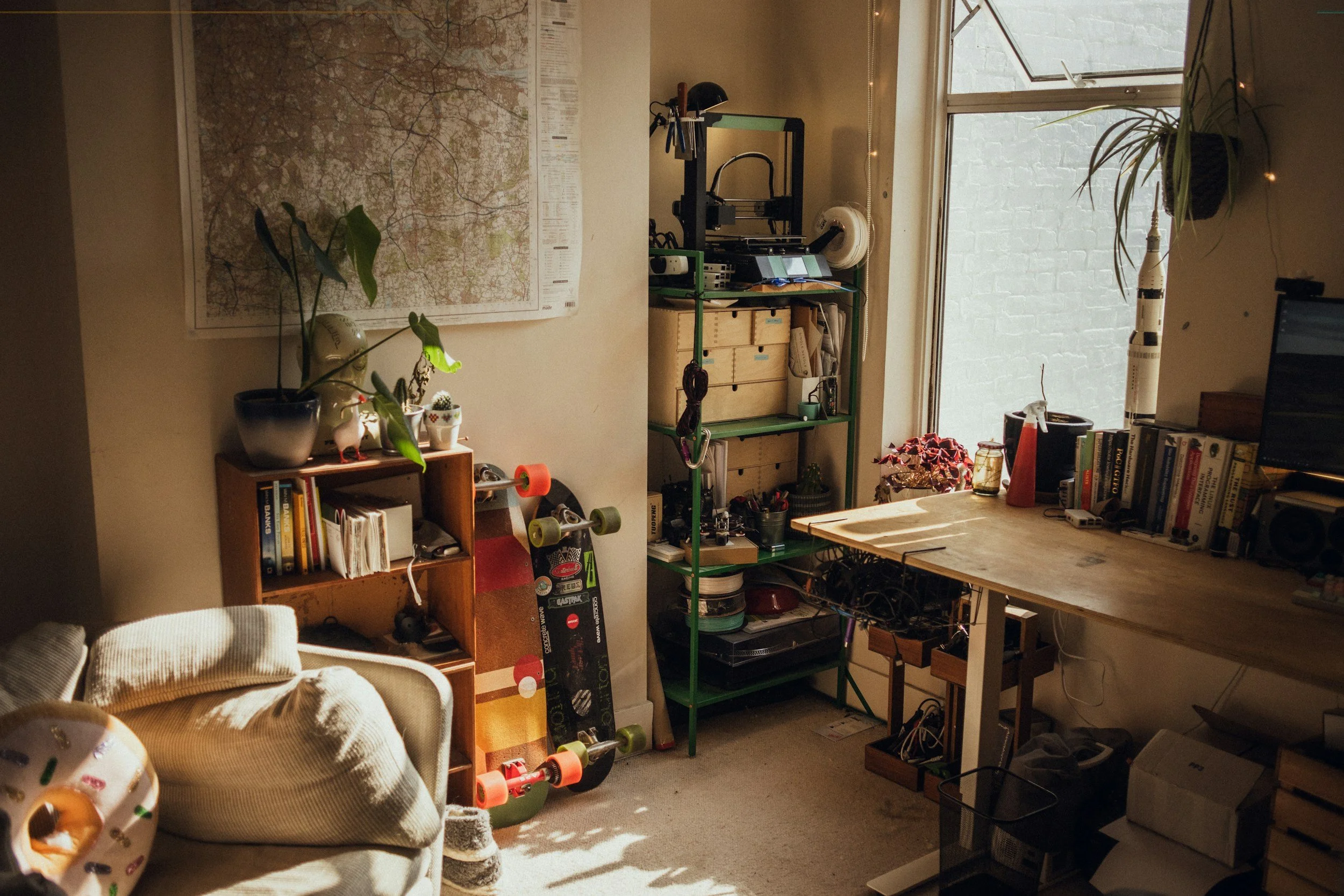
Transform Your Home with a House Clearance
Organising your home can feel like a daunting task, especially when you’ve accumulated years’ worth of belongings. Whether you're planning a big move, downsizing, or simply craving a more organised space, the first step towards a clutter-free home is a house clearance.
We partnered with a home improvement company for this post. The opinions in the post are honest. All reviews and opinions expressed in this post are based on our personal views. We are excited because we know you will love it.
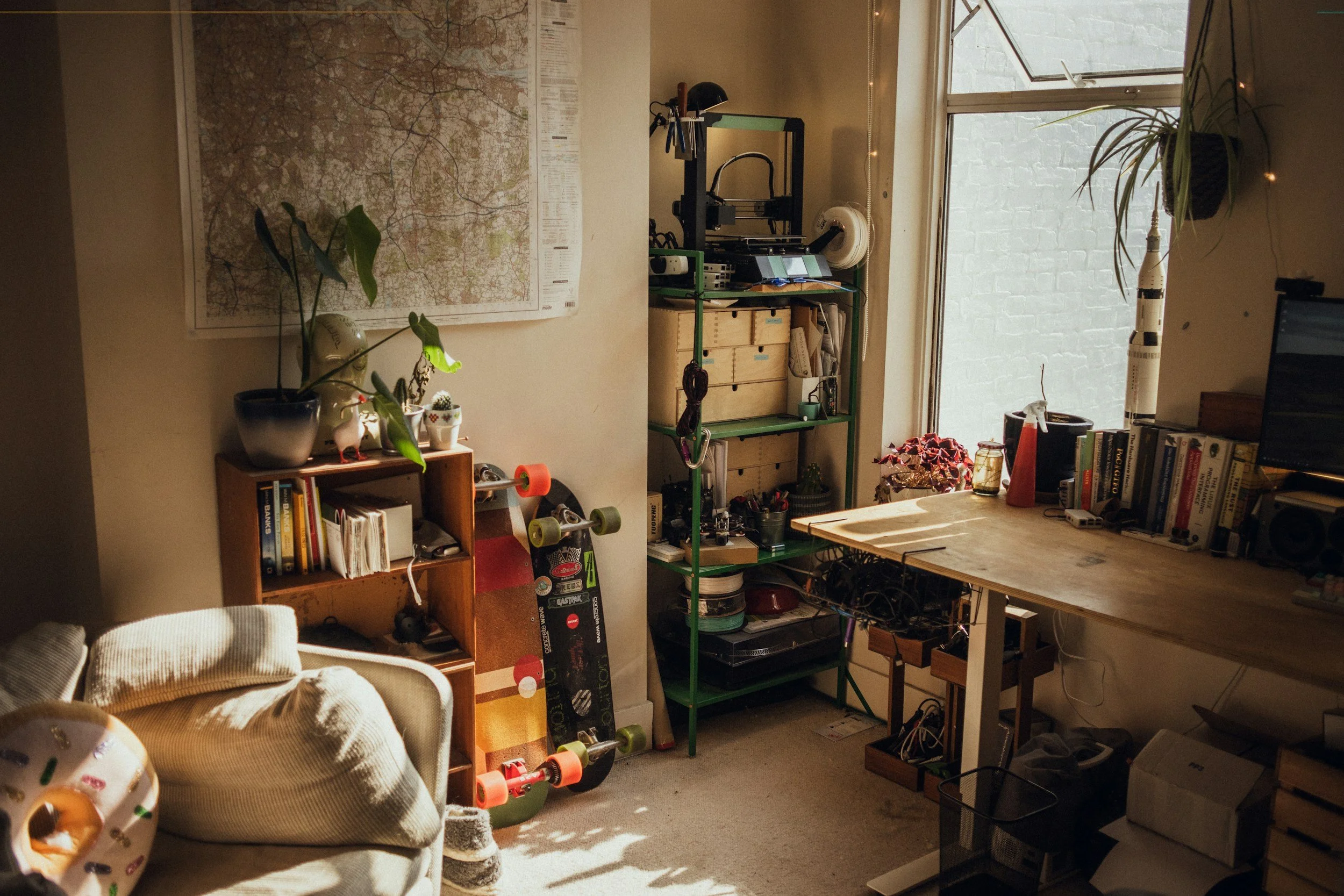
Organising your home can feel like a daunting task, especially when you’ve accumulated years’ worth of belongings. Whether you're planning a big move, downsizing, or simply craving a more organised space, the first step towards a clutter-free home is a house clearance.
Why Start with a House Clearance?
Before diving into fancy storage solutions or rearranging furniture, it’s essential to clear out the clutter. A house clearance involves getting rid of items you no longer need or use. This process not only frees up space but also makes it easier to organise what’s left.
Here are some compelling reasons to begin your home organisation journey with a house clearance:
1. Creates Space: By removing unnecessary items, you’ll instantly create more room, making it easier to organise.
2. Reduces Stress: Clutter can be overwhelming and stressful. A clear space often leads to a clearer mind.
3. Simplifies Cleaning: With fewer items to dust and tidy, cleaning becomes a much simpler task.
4. Increases Efficiency: Knowing where everything is saves time and makes daily routines smoother.
Step-by-Step Guide to an Effective House Clearance
Now that you’re convinced of the benefits, let’s get into the nitty-gritty of how to conduct a house clearance effectively.
1. Plan and Prioritise
Start by creating a plan. Decide which rooms or areas need the most attention. It might be the attic filled with old boxes, the garage packed with forgotten tools, or simply the kitchen overflowing with gadgets.
2. Sort Your Belongings
Go through each item and ask yourself:
Do I use this regularly?
Does it hold sentimental value?
Is it in good condition?
Sort your items into four categories: Keep, Donate, Sell, and Dispose of. The “Keep” pile should only include things you genuinely need or love.
3. Donate or Sell Unwanted Items
Items in good condition can be donated to local charities, shelters, or even friends and family. Alternatively, consider selling valuable items online or through a garage sale. This not only helps others but also gives your items a second life.
4. Dispose of Responsibly
For items that are broken or beyond use, ensure they are disposed of properly. Recycle electronics, paper, and plastics where possible, and take hazardous materials like old paint or batteries to a proper disposal facility.
5. Organise What’s Left
With the clutter gone, organising becomes a much easier task. Use storage solutions that work for you—shelves, bins, or baskets can help keep everything in its place. Labelling boxes and containers can also save you time searching for items later.
6. Maintain Your Space
The key to a well-organised home is maintenance. Regularly go through your belongings and repeat the house clearance process as needed. This ensures that clutter doesn’t build up again.
Tips for Staying Organised
One In, One Out: For every new item you bring into your home, try to remove one. This helps prevent clutter from accumulating.
Daily Tidying: Spend just 10-15 minutes a day tidying up. Small daily efforts can keep your home in top shape.
Set Reminders: Schedule regular reminders for tasks like decluttering your closet or cleaning out the pantry.
A well-organised home starts with a thoughtful and thorough house clearance. By eliminating clutter, you create a more functional and serene living space. Remember, organisation is an ongoing process, so take it one step at a time, and enjoy the newfound clarity and calm in your home. Happy organising!

4 Ways To Maximize Efficiency in Your Kitchen Layout
If you do a lot of cooking, you need a kitchen that favors efficiency as much as it encourages inspiration and deliciousness. Here’s how to streamline it.
A well-organized kitchen is a happy and inspirational kitchen. You can improve breakfast, lunch, dinner, and snack preparation with a kitchen space that flows perfectly. But beyond basic decluttering, how can you give your kitchen the sort of layout favored by professional kitchens? Here are four ways to maximize efficiency in your kitchen layout.
The Kitchen Work Triangle
When you think of kitchen efficiency, think of a triangle. The kitchen work triangle is a long-time concept in the culinary industry you can easily apply to your space. The triangle has three points or work areas: stove, sink, and refrigerator. Keep the distance between each point no more or less than four to nine feet. This allows for easier movement and flow and keeps appliances and other tools in easy reach. Of course, make sure these distances are free from obstacles and obstructions to prevent unnecessary detours. The kitchen work triangle promises freedom even in a smaller space.
Counter Space Optimization
Here’s where decluttering comes into play. Don’t have enough space? Make some! Keep counter space clear by storing tools in cabinets and getting rid of anything you rarely, if ever, use. Add a movable multipurpose island for extra surface space as well as a terrific place to store equipment. Finally, think vertically. Add wall-mounted shelves, hooks, hanging racks, and similar accoutrements to keep utensils, pots, pans, and more up and out of the way. Continuing the drive toward freeing up space, look for creative storage solutions through multipurpose furniture. One big difference between kitchen and dining room tables is that kitchen tables and nooks offer storage and food preparation space. Find a table with hidden drawers to keep tools handy yet out of the way. You can’t create without counter space!
In the Zone(s)
Separate your kitchen into zones for specific tasks. Have a prep zone for cutting, mixing, and other techniques, preferably near the sink, for easy access to water. Keep cutting boards, knives, mixing bowls, and similar equipment in and around this area. The cooking zone should be nearer to the stove and oven, microwave, and other cooking appliances. Keep pots and pans and utensils around here and within reach. Finally, establish a cleaning zone, in or around the sink, with the trash can, cleaning supplies, and dishwasher nearby.
Light It Up
The last of our four ways to maximize efficiency in your kitchen layout provides several bright ideas. Ensure your prep and cooking spaces are properly illuminated for safety and efficiency. Under-cabinet lights keep countertops well-lit—a necessity while cutting, chopping, and measuring.
Maximizing kitchen efficiency involves thoughtful planning and strategic organization. Apply these tips to create a more functional and enjoyable cooking space and take your kitchen to the next level!

5 Tips for Downsizing Your Home Furniture
Downsizing your home furniture is a practical journey that many people face at various stages of life. Whether moving to a smaller space, seeking simplicity, or aiming for a more functional environment, making decisions about what to keep can be challenging. This article provides five straightforward tips to help you navigate the process effectively. From evaluating your needs to seeking feedback from others, these strategies will support you in creating a comfortable and organized living area that reflects your lifestyle.
Downsizing your home furniture is a practical journey that many people face at various stages of life. Whether moving to a smaller space, seeking simplicity, or aiming for a more functional environment, making decisions about what to keep can be challenging. This article provides five straightforward tips to help you navigate the process effectively. From evaluating your needs to seeking feedback from others, these strategies will support you in creating a comfortable and organized living area that reflects your lifestyle.
Evaluate Your Needs
When downsizing, it's important to consider how your lifestyle has changed and what your current needs are. It can be helpful to start by listing out the activities you engage in at home, such as entertaining guests, working from home, or pursuing hobbies. This will help you determine which pieces of furniture support your daily life. Think about whether you need large dining tables for gatherings or smaller, multifunctional pieces to save space. Understanding your needs can guide you in making informed decisions about what to keep or let go of.
Assess Furniture Conditions
Take a close look at your furniture and assess its condition. Items that show signs of wear and tear may not be worth keeping, especially if they no longer serve their purpose or fit your aesthetic. Consider factors like functionality, comfort, and durability in your evaluation. If a piece is still useful but in need of repair, weigh the cost and effort of fixing it against the option of purchasing something new. Knowing the condition of your items will help you make clearer decisions about what to retain.
Consider Space and Scale
Reflecting on the size of your new living space is key to deciding which furniture to keep. Evaluate how much room you have and how each piece fits within that space. Larger items may overwhelm a small room, while smaller pieces can fill gaps without cluttering. Measure areas in your home to visualize where furniture will go, and consider how often you will use each piece. Keeping balance and proportion in mind will aid in creating a comfortable environment.
Seek Feedback from Others
Sometimes, getting an outside perspective can help clarify your choices. Friends or family members can provide insights into your furniture's functionality and aesthetics that you may overlook. Their opinions can also shed light on any emotional attachments you may have to certain items, making it easier to understand what’s truly necessary. Involving others can lead to more objective evaluations, and you may find encouragement or suggestions you hadn’t considered. Keep an open mind and use their feedback as a tool for your decision-making process.
Move Items Out
Moving select furniture items out of your house can greatly enhance your ability to visualize the available space. By temporarily removing bulky pieces, you can better understand how your home flows and identify areas that may feel cramped or open. This process allows you to see how smaller items fit in the new arrangement and can highlight pieces that no longer serve a purpose. Working with professionals, like those at Hunt Removals & Storage, to handle heavy furniture can ease the strain of this task, ensuring safe and efficient removal. Ultimately, this step can be a turning point in your downsizing journey.
Downsizing your home furniture can be a tough experience, it it leads to a more organized and enjoyable living space. By evaluating your needs, assessing the condition of your items, considering the space you have, seeking feedback, and moving items out, you can make thoughtful decisions that suit your lifestyle. Remember, the goal is to create a home that feels comfortable and reflects who you are. Embrace the process, and don’t hesitate to ask for help when needed. With a clear plan and a positive mindset, you’ll find joy in creating a space that is not only functional but also welcoming.

