

A resource for those seeking information on organizing and transforming spaces.
Protect Your Floors from Scratches and Scuffs
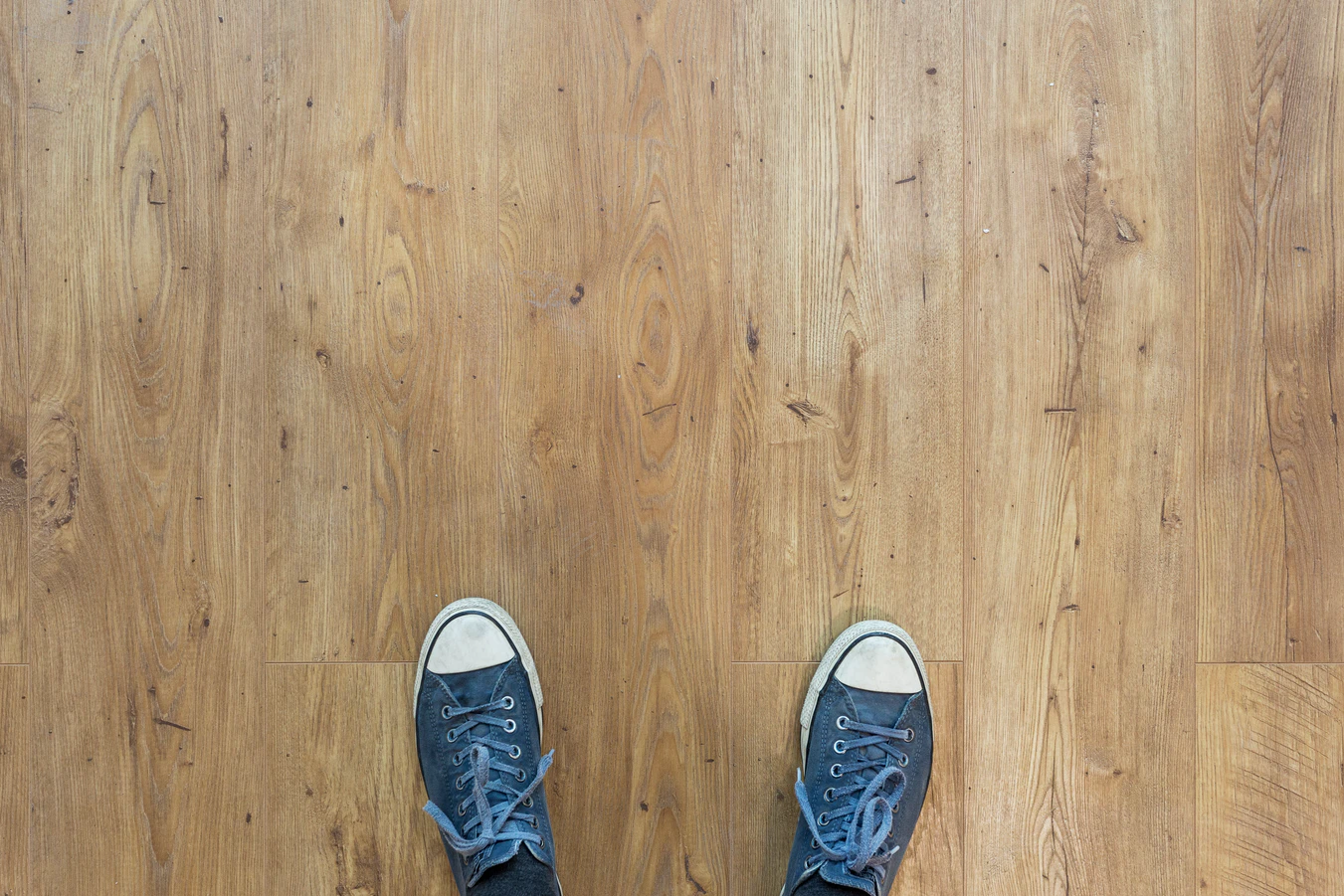
Flooring is one of the most important part of your house. These days, flooring has taken different forms and formats. Right from wood flooring to natural stone flooring, you can ask the building planner your wish to make your dream house adorable in every sense. No matter whatever you use to make your floor it is very essential to protect it from scratches, scuffs, and other wear and tear. Take some essential steps to keep the flooring as vivacious as the new one.
Flooring is one of the most important part of your house. These days, flooring has taken different forms and formats. Right from wood flooring to natural stone flooring, you can ask the building planner your wish to make your dream house adorable in every sense. No matter whatever you use to make your floor it is very essential to protect it from scratches, scuffs, and other wear and tear. Take some essential steps to keep the flooring as vivacious as the new one.
Protect your floor from unwanted scratches
Nowadays most people use engineered wood flooring as it is incredibly strong, durable, and look great. But it also shows signs of wear and tears over time and hence it is essential to take appropriate precautions. Other types of flooring are also susceptible to such unwanted scratches and scuffs if not given enough attention or take necessary precautions:

The following are some steps that you can follow for protecting your floor from scratches and scuffs:
Take off your shoes: Shoes can have a very bad impact on your floor and hence the first thing that you need to do for protecting your floor from scratches is to remove your shoes whenever you walk over the floor. You should never walk over the floor with spiky shoes, stilettos, and cleats as these things can easily dig into the woods and can cause scratches on the floor.
Add entry mats at the door: The areas by the door generally wear down quickly because of water. Hence it is very essential to keep two mats - one for going out of the room and another for entering into the room.
Avoid chairs with rollers: The chair with rollers has a huge chance to scratch the floor as dirt and grit can easily get caught in them. That is the reason why you should avoid using them or if you need to use that type of chair you should keep mats under the area where you have placed the chair otherwise it may destroy your floor. Dragging and sliding these ty4pe of the chair can also put scratches on the floor and so it is always better to avoid dragging or sliding the chair or any furniture over the floor.
Clean your floor regularly: It is also very essential to clean your floor regularly to get the dirt and grit up. You must use hardwood cleaner for cleaning your floor especially if you use engineered wood flooring.
Place area rugs: You can put the area rugs in those areas where the chairs or any other furniture are moved very frequently. Area rugs become very handy for the dining room and it also reduces the noise when your drag or move your chair or other furniture.
These are some steps that you can consider if you want to protect your floor from scratches and scuffs. However, the type of flooring also matters a lot when it comes to scratches. Engineering wood flooring can is a better option if you want to avoid scratches as it is highly durable and easy to maintain. The installation process of engineering wood flooring is also easy and it can be installed using both nail-down methods.
Tips on How to Build Your Own Indoor Woodwork Shop
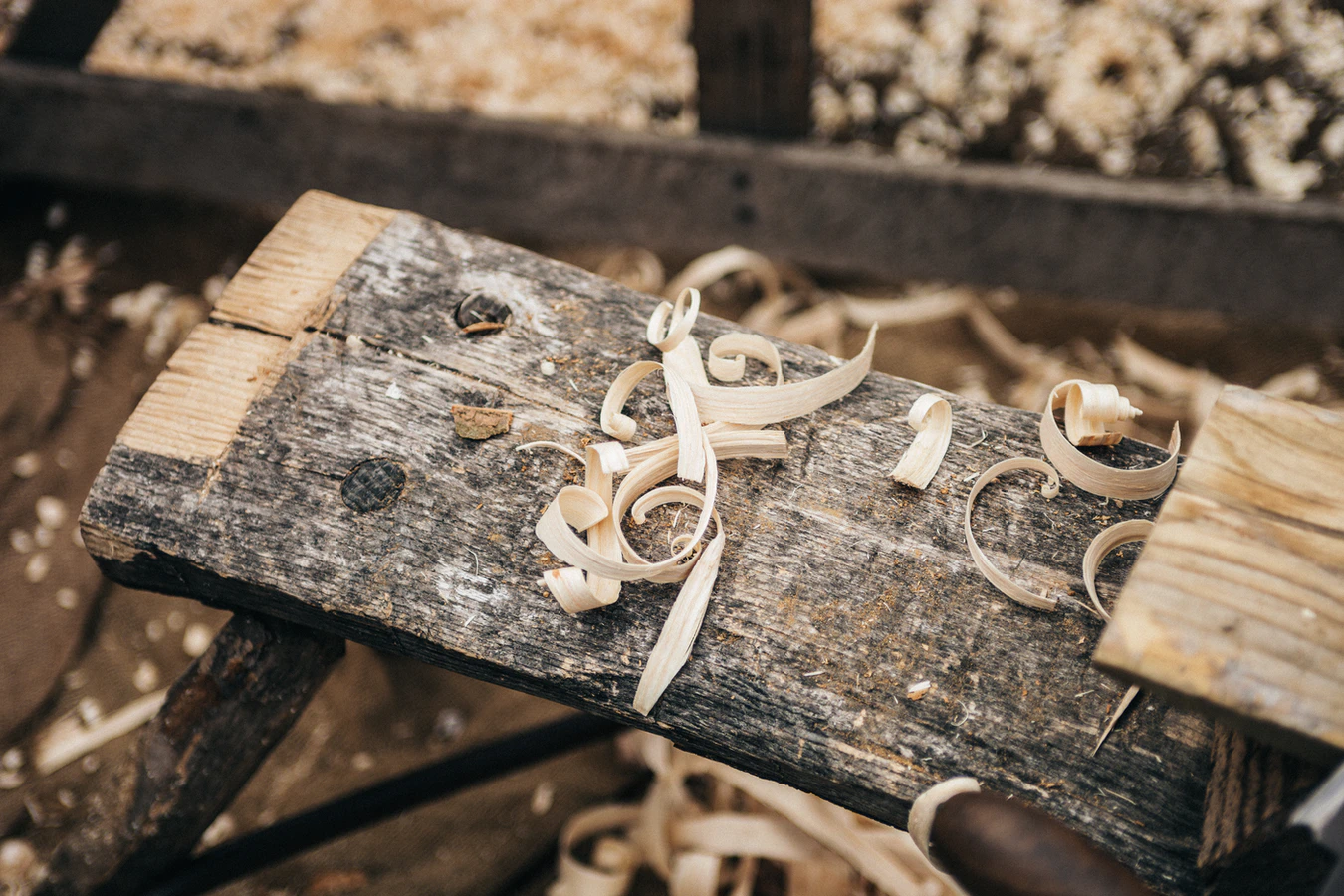
Television and radio commercials have usually been starting with something along the lines of “in these troubling times”, and, while true, they can be annoying and probably an unpleasant reminder of the not-so-cool predicament we find ourselves in. However, this pesky pandemic has changed much of our habits or even completely turned our whole lives around, new hobbies have been adopted and some of them transitioned from hobby to an actual occupation. If you’re reading this, then you know exactly what I’m talking about: woodworking. Maybe you got into it out of boredom and, luckily, you had some woodworking tools at your disposal; now you’ve grown to love it and are looking to have your own shop to make whatever your heart desires. If you’re looking for tips, you’ve come to the right place.
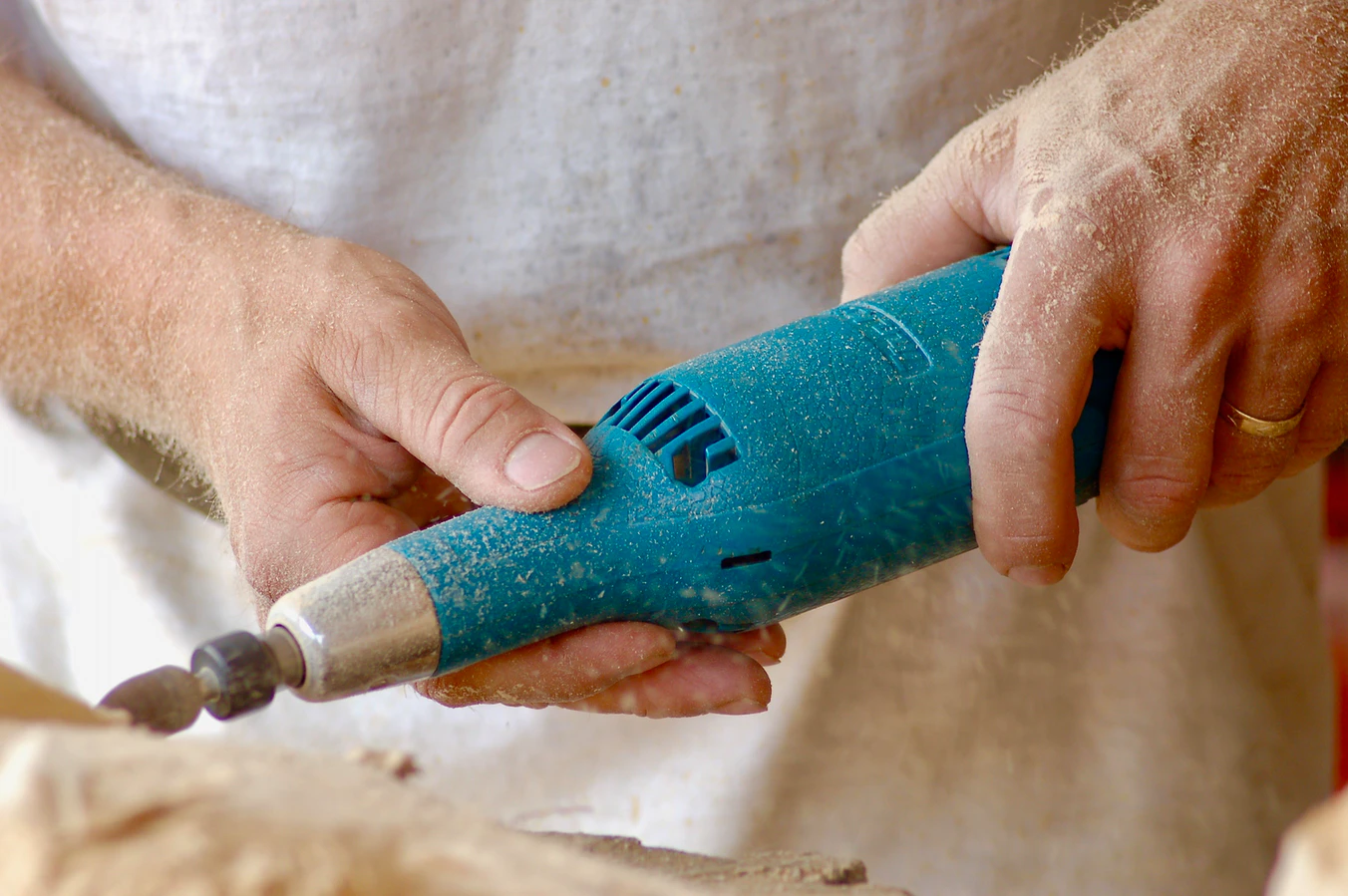
Television and radio commercials have usually been starting with something along the lines of “in these troubling times”, and, while true, they can be annoying and probably an unpleasant reminder of the not-so-cool predicament we find ourselves in. However, this pesky pandemic has changed much of our habits or even completely turned our whole lives around, new hobbies have been adopted and some of them transitioned from hobby to an actual occupation. If you’re reading this, then you know exactly what I’m talking about: woodworking. Maybe you got into it out of boredom and, luckily, you had some woodworking tools at your disposal; now you’ve grown to love it and are looking to have your own shop to make whatever your heart desires. If you’re looking for tips, you’ve come to the right place.
Air Filtration System
A person is only as good as their health, which means that the absolute first thing you should think about putting in your idealized woodworking shop is an air filtration system. Working on and with wood creates a lot of incredibly thin dust which, in addition to being a health hazard in and of itself, may contain dangerous pollutants. A shop air filtration system is primarily for safety reasons, but it also functions as a workshop facilitator since it would be pretty hard to concentrate on what you’re doing with dust everywhere.
If an air filtration system doesn’t suit you or fit within your budget, we recommend using face masks and protective glasses to avoid inhaling any major airborne debris, albeit less successfully.
Size and Layout
Working wood requires a lot of space and proper organization. To begin, the ideal size for a shop is up to debate, there’s no straight answer because every shop is different and depends on the individual needs and objectives of its owner. However, if you don’t have much space to manage, the bare minimum should be a 75 square foot room. It all depends on the number of tools you’re going to have around and their respective sizes as well as the materials, which brings us to the next point. Aside from the main workshop space, we heavily recommend having an additional, smaller room dedicated exclusively to the storage, because - and this only applies if you’re serious about this, which you are - you’re going to be moving around a lot with plenty of material. And this absolutely mandatory “moving around” we’re mentioning can only happen if you manage your space successfully. Drawing a blueprint of the room with all the tools incorporated is the ideal facilitator of space management, you should always be aware of how much wiggle room you have. Also, consider larger doors and windows than those you have at home.
Cleaning Dust

We’ve finally arrived at the fun part: cleaning! Having your workspace consistently clean is a priority, you need to make sure no dust sits on your tools for too long and especially while they’re working. Dust is a health hazard for you and your tools. So, make sure you keep everything clean from the most obscure corner to yourself. This means that you’re going to have to get rid of the dust right at its origin: the woodworking machines. To make the cleaning process easier and less dreadful in prospect, you should consider acquiring a dust collection system which you can attach to the machines so that the produced dust goes directly into the central dust collector instead of the ground or your other machines.
Lighting
Efficient working requires efficient lighting - in order to see exactly what you’re doing, not make mistakes that can be traced back to you, and, most importantly, not harm yourself in the process, you need to keep the entirety of your shop well lit. You should consider ceiling lights and individual or portable lamps that you can adjust depending on the task at hand. Everything is better if you see absolutely everything.
Final Touches
With your new woodworking shop up and running, there’s one last thing to keep in mind: safety. Make sure you always, without exception, use protective glasses, as wood can become dangerous especially when being tampered with. Gloves may be equally important, your hands are the driving force of your woodworking, and keeping them protected will go a long way. Earmuffs are optional but still needed, its use depends entirely on the noise produced by the machines, some are loud and some are deafening. Regarding safety, the last but not less important things we recommend are: always read the instructions, be focused, practice, keep everything dry, remember to unplug machines, keep a fire extinguisher in the shop, and lastly, be confident!
From this point on, you’re ready for woodworking and woodworking is ready for you.
That’s it from us, we hope this guide was helpful and if you need anything else, just read this article again!

Guest Post - 5 Ways to Balance Space and Style in Your Home
Balance space and style in your home! This guide will discuss 5 design tips to help you fit your breakfast equipment and other essentials in your living space.

Now that the market is more active than ever, consumerism is at an all-time high. Thanks to bright entrepreneurs and the latest technological advancements, businesses across all sectors are continuously able to produce a myriad of products. While the constant entrance of new goods may be a good thing for the economy, rapid consumption has led to a lot of people buying too many things.
If you’re living in a small home, having too much stuff can be a bit troubling. Considering that your space is limited, fitting everything in your apartment while making it look appealing can feel like such an impossible task. The good news is, you can solve this issue by taking note of some simple design tips.
To help you fit, say, your breakfast equipment with your other home essentials, our guide will teach you how to create sensible spaces without sacrificing your desire for a stylish home.
1. Live and breathe minimalism
The first step to balancing your home’s function and appeal is to tweak your mindset. Now that buying products can be done as quickly as a click, you’ll need to practice restraint and prevent yourself from impulse shopping. While an online sale may tempt you to splurge, make it a point to ask yourself if you truly need the things you’re getting.
The best way to avoid a messy home is to prevent clutter from filling it. With this in mind, practicing minimalism is ideal since it will keep your space tidy and help you save up for more important items.
2. Designate zones
One good way to know which item goes where is to designate zones. Keeping your work essentials in your bedroom may be convenient, but it can eventually lead to a messy living space. Creating partitions will help you specify where a particular piece of furniture should be placed, and this can be productive in several ways. Other than giving your home a stronger sense of order, assigning a certain function to an area will make a huge difference in your overall productivity.
3. Remember that smaller isn’t always better
People who live in an apartment tend to settle with smaller furniture and belongings. While going for tinier pieces can let you save up a great deal of space, it can have the opposite effect on your home’s overall ambiance. Too many cups, tables, and knick-knacks can create visual clutter and this can prevent you from making your space look clean.
With that said, always remember that smaller isn’t always better. As long as you measure the things you’re buying and space things out in advance, you shouldn’t hesitate to buy big furniture and other statement pieces for your home. A big couch in your living room will look and feel a lot better as compared with dozens of small chairs just scattered around.
4. Follow a specific color scheme
Following a color scheme doesn’t necessarily solve your spacing issue but it can make all the difference in your home’s atmosphere. Matching colors can add a sense of unity within all your household items and spice up your apartment significantly. Paired with excellent lighting, this should help you emphasize certain areas of your home and make your living quarters look a lot bigger.
5. Purchase multi-functional furniture
When selecting furniture, make sure that the pieces you’re buying can serve multiple functions. Tables that have drawers, couches that have storage areas, and coffee tables with hidden compartments are ideal since they all reduce the number of things in your home. At the same time, getting pieces that are upright or vertical will significantly increase your floor space and allow you to store your belongings more efficiently.
Try these tips and let us know how it worked for you!
Author Bio
Marla Mendoza is the Marketing Manager of Filigree. She has been handling the marketing and communication initiatives for the high end brand of Filinvest Alabang Inc. Prior to managing the brand, she was in charge of focused residential and township developments. Marla has been in the marketing industry for over 10 years both in the hospitality and real estate industry.
Guest Post - Top 5 Most Popular Home DIY Projects
There are many different kinds of DIY home improvement projects. Some are smaller, inexpensive weekend activities while others can cost thousands of dollars and take weeks to complete.
If you’re a homeowner, chances are you’re going to consider doing a project yourself at some point in the future. When you get the itch to improve your abode, here are five of the most popular DIY projects to consider.
There are many different kinds of DIY home improvement projects. Some are smaller, inexpensive weekend activities while others can cost thousands of dollars and take weeks to complete.

If you’re a homeowner, chances are you’re going to consider doing a project yourself at some point in the future. When you get the itch to improve your abode, here are five of the most popular DIY projects to consider.
Paint Your Home
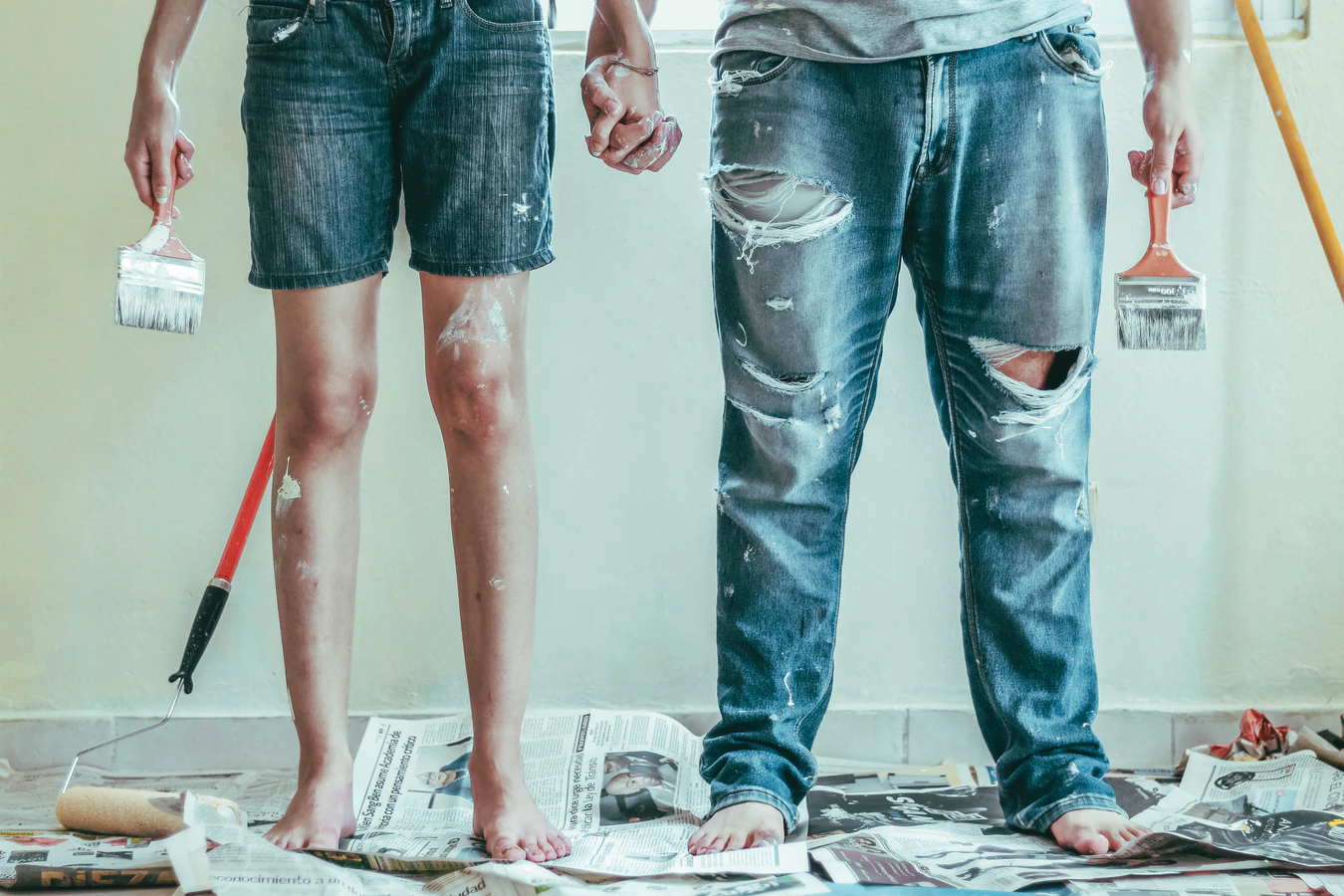
The most iconic home improvement project has to be painting. Whether you’re giving the outside of your home a fresh coat of stain or you’re overhauling the interior with a menagerie of new colors, painting is an easy activity for homeowners to do themselves.
Be warned, though; the process does get a bit involved. For one thing, painting can take a very long time. If you’re going to paint a large outdoor area, consider renting a paint sprayer or even buying a small one outright. Additionally, you’ll want to factor in time to choose the right color, test it beforehand, and clean up properly afterward.
When you’re finished painting, don’t forget to store your leftover paint in an easy-access Mason jar to keep it fresh and ready for any touch-up work you may have in the future, as well.
Replace Hardware
One of the quickest home improvement projects is replacing hardware. All that is required is choosing new hardware at the store and then going around your home with a screwdriver. Pop off old handles, attach new ones, and, hey presto, you’re all set.
New hardware is a quick and easy way to spruce up a space like your kitchen or bathroom with minimal effort. Be warned, though, quality hardware can be pricey — especially when you commit to buying 10 or 20 pieces at the same time.
Address Windows and Doors
Most homeowners are aware of basic window and door care. Things like cleaning windows and maintaining window wells are important aspects of home maintenance.
If you’re looking for a more ambitious DIY project, though, you can take things with your windows and doors a step further. For instance, you can:
Seal up leaks with caulk and weatherstripping.
Hang barn wood doors in your home.
Add or replace trim.
Paint existing door and window trimming.
Replace old or leaky windows with easy-to-install retrofit windows.
By tending to your windows and doors you can improve both the look and functionality of your home.
Add New Flooring
Flooring is another great DIY project. There are numerous options easy for homeowners to learn on their own. This includes things like:
Using vinyl planking.
Laying down bathroom tiles.
Refinishing hardwood floors.
Installing carpet.
Regardless of the specific kind of flooring, remember to carefully calculate the square footage of the space that you’re working in. Remember to order extra flooring as well.
Improve Storage
When home improvement is discussed, it typically invokes images of kitchen remodels and additions. However, sometimes the smallest, most effective remodels can be the most effective.
Improving your home’s storage options is a great DIY remodeling option. It gives you more space to store temporarily unneeded items and can be a great way to improve your home’s organization. A few of the most common storage DIY remodels include:
Adding a pantry in the kitchen.
Installing an organizer into your closet.
Adding a medicine cabinet or cabinetry in the bathroom.
Putting up shelves in any area of the home.
Storage is the unsung hero of a quality living space. The fact that it’s also a popular and easy DIY home project makes it that much better.
Improving Your Home on Your Own

There are many popular improvements that you can make in your own home. Anything from lighting and hardware to flooring, painting, windows, and doors can make a huge difference in your home’s overall look and feel.
So take a look at the list above, select something particularly relevant to your home, and then have fun setting your plans in motion. Before you know it, you’ll be relaxing in your fresh, new space.
Author Bio: Noah Rue is a freelance writer.

