

A resource for those seeking information on organizing and transforming spaces.

What are the factors you should consider while carpeting your house?
Are you planning a new carpet for your home? It is an exciting experience for all of us. Making the right choice brings in that extra energy, freshness and glitz. You can literally transform the look and the feel of the space.
Are you planning a new carpet for your home? It is an exciting experience for all of us. Making the right choice brings in that extra energy, freshness and glitz. You can literally transform the look and the feel of the space.

Now there can be many reasons for getting a new carpet for your house. It can warm up your room and enhance the décor of the living area. However, choosing a carpet can be challenging and making the right decision is vital to get the desired results.
It would be best if you considered several factors ranging from budget to the look and the maintenance. Let's help you with the important ones here.
Types
There are different types available in the market, and the carpet that you choose necessarily needs to depend on your budget and requirements. The carpets differ based on density, fibre type and twist type. While the carpet's density determines its thickness, it's the twists in the carpet that determines its quality. Higher the twists in the rug, better is the quality.
Colours
It is important primarily from two aspects. The first one is that the colour of the carpet can augment your house's overall décor if chosen right. It has to go well with everything else in the room: the furniture, wall paint or even the decorative items. Generally speaking, the light colours will make your room look more extensive, and dark colours will make it look small. The second aspect comes into play when you have to clean your carpet. The lighter tones require frequent cleaning compared to the darker ones.
Patterns
When it comes to carpets, there can be as many patterns as you may ever think of, and that poses a lot of challenges when you go about picking one. Think of an ideal design for your home that goes well with it. Remember, choosing the right pattern will add to the beauty of the space and manipulate its size. It can make your room look cosier as well.
Cost
When considering this factor, think about the upfront cost and the expenses that you will bear in its maintenance. The upfront cost will include every expense associated with the carpet itself, its installation, among other things. You also need to pick the right material as the softer textures and lighter tones, require frequent maintenance, which adds to the overall cost.
Maintenance
You will never like to buy a carpet that won't last for a reasonable time and gives you headaches when it comes to maintenance. Ideally, you should consult an expert or the store salesperson for the relevant inputs. Also, consider the traffic in the area where the carpet will be installed. Certain tones and material are more prone to stain and odour and its best to avoid those. Find out if the maintenance of the carpet can be done on your own or requires professional services. The new carpets come with warranties, therefore make sure that you know the details that entail it.

4 Eco-Friendly Updates That Also Improve The Appearance Of Your Home
As a homeowner, you of course want to do all you can to keep your home looking great inside and outside. But along with having a great-looking home, you will also be increasing your property's value along the way. Like many other people, you are also becoming more aware of environmentally-friendly ways to do various things. This also includes updating your home, and to help with that here are four eco-friendly updates you can do to improve the appearance of your home.

As a homeowner, you of course want to do all you can to keep your home looking great inside and outside. But along with having a great-looking home, you will also be increasing your property's value along the way. Like many other people, you are also becoming more aware of environmentally-friendly ways to do various things. This also includes updating your home, and to help with that here are four eco-friendly updates you can do to improve the appearance of your home.
New Landscaping
If you want to draw attention to your home and also improve its appearance, implement some new landscaping around your yard. By planting some new trees, bushes, and flowers, you'll be doing such things as preventing soil erosion, giving shelter to wildlife, and also sending more oxygen into the atmosphere.
Add New Siding
For more and more homes, adding vinyl siding is an affordable option that is also very eco-friendly. Since most of today's siding is far more advanced than that of years past, home siding replacement can provide much better insulation, resulting in your home being cooler in the summer and warmer during the winter. With many colors and styles from which to choose, this home improvement option continues to grow in popularity.
Add Square Footage
If your family is growing and you feel the time has come to make your home bigger, consider adding more square footage by purchasing a prefabricated metal building. These buildings, which can be used as standalone buildings or actually connected to your home, are made to be extremely energy-efficient. Very affordable, you can expect to choose from many different colors, styles of architecture, and placement of windows.
Non-Toxic Carpeting
As for how you can improve the appearance of your home's interior, you can do so by adding non-toxic carpeting to your living room and other areas. In doing so, you'll be accomplishing many things. For starters, you'll have carpeting made with all-natural fibers and no harmful chemicals. Also, the carpeting will add extra insulation that will help to better regulate your home's temperature. Ultimately, this produces less energy usage and lower utility bills.
Whether you are looking to sell your home in the future or have no plans to leave for decades, taking advantage of these eco-friendly updates both inside and outside your home will pay off in many ways. From making your property more valuable to helping the wildlife outside, you'll know your updates have made a difference.
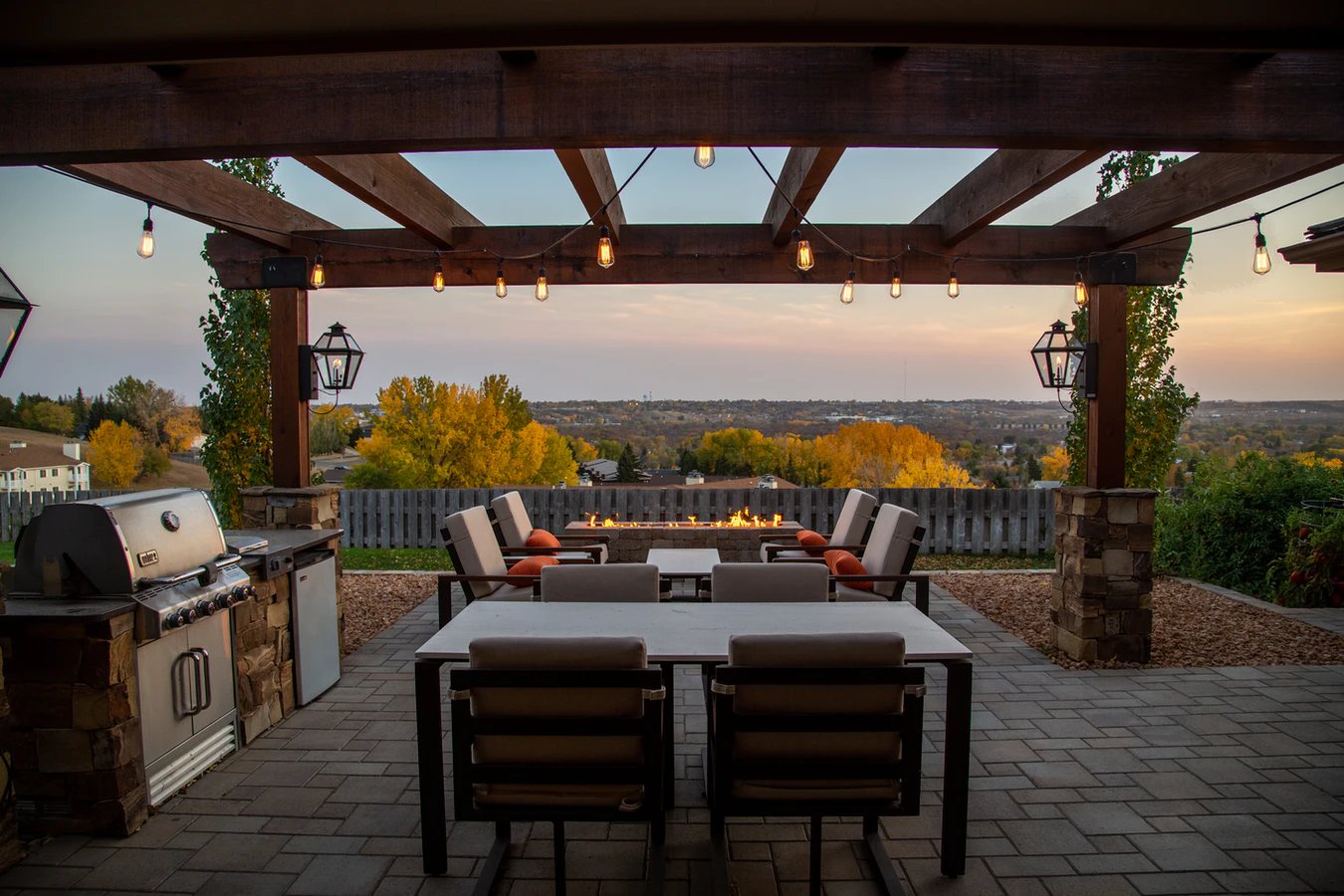
Guest Post - 7 Tips For A More Comfortable Outdoor Space
However, if grass, plants, and trees aren’t enough to fit your idea of what’s comfortable, here are a few ideas for a cozier outdoor space.
The idea of what’s considered comfortable may vary from one person to another.
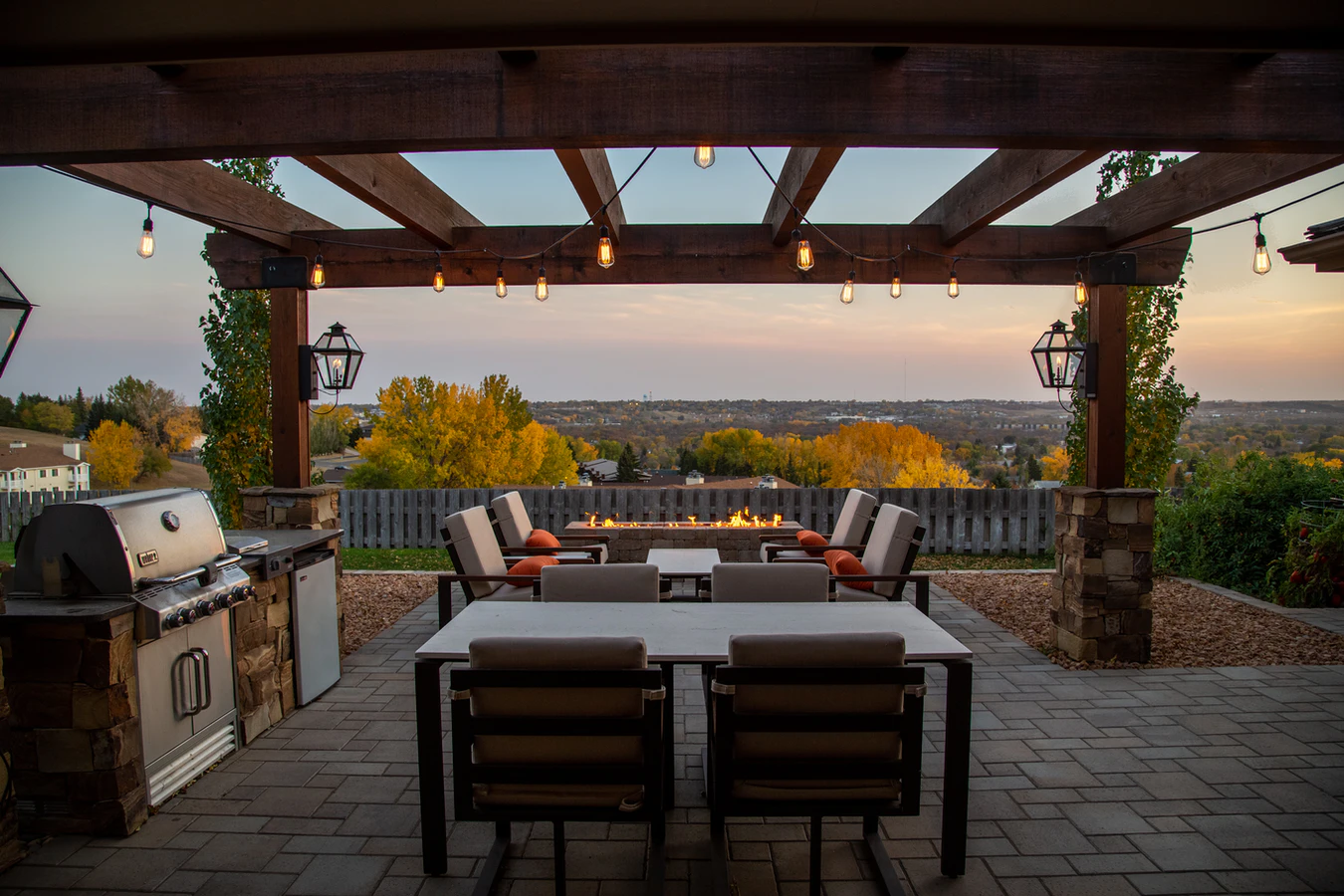
Some homeowners with outdoor spaces have yards or lawns without the trappings of comfort like furniture or customized solutions for outdoor cooling, but consider them cozy just the same, and that’s okay.
However, if grass, plants, and trees aren’t enough to fit your idea of what’s comfortable, here are a few ideas for a cozier outdoor space.
1. Build A Patio
Few things are as great as having a patio taking up part of your outdoor space.
With a patio, you’ll have a spot in your home dedicated to making you feel as comfortable as you want to be. You’ll have access to fresher outdoor air, you can soak up the sun, or you can just spend the better part of your day there taking in the view or finishing a book.
Patios are also excellent places to entertain guests. Barbecues, parties, or simple dinners with friends on your patio make for memorable days or nights for everyone in attendance.
A patio also helps boost your home’s value, which means you will likely get a good price for your home should you decide to put it on the market in the future.
2. Buy Patio Furniture
Of course, a patio wouldn’t be that comfortable if it doesn’t have the right furniture.
There are many types of outdoor furniture to choose from, including metal, aluminum, wood, wicker, or plastic. Whatever type you go for, you would do well to have them come with seat cushions to make you and your guests even more comfortable.
3. Consider Installing An Outdoor Misting System
Without a doubt, you’ll be spending as much time as you can on your patio throughout the summer.
However, keep in mind that summers are getting hotter. There’s a very real possibility that your patio time won’t be as comfortable as you hoped, not when temperatures are rising.
You can install outdoor fans if you want, but if you want a better way to stay cool outdoors in the summer, you should consider putting up an outdoor misting system.
Outdoor misting systems use the principles of evaporative cooling to lower the temperatures in your patio. A pump will force water out of nozzles at high pressure, generating a mist of water droplets that transform into vapor, which will then cool your outdoor space.
4. Create Plenty of Shade
You may love the sun, but you can’t have too much of it. Your outdoor space needs plenty of shade to make you comfortable even in the middle of the day.
Trees provide good shade, but you can augment them by putting up patio umbrellas, drop shades, or drapes. You can be sure that all of the above will keep you covered no matter how hot the sun gets.
5. Light It Up
If you love spending evenings on the patio, you need to make sure the place has ample lighting.
There are plenty of lighting options for your patio. If trees surround it, then try hanging string lights from them. If you use your patio as an alternate dining area, have outdoor pendant lights suspended from an overhang. Installing garden path lights or globe lights in or near hedges are also good patio lighting ideas.
6. Install A Hammock
It sounds simple enough but taking naps on a hammock that hangs between two trees is probably the most comfortable thing anyone can do while in their outdoor space.
Install a hammock in your backyard, and you’ll have a quiet retreat that you won’t have anywhere else in your house.
7. Get Some Privacy
Good for you if you’re comfortable with the idea that neighbors and passersby can see you while you do whatever it is you do in your outdoor space.
If you aren’t, then put up something that will give you the privacy you need.
A fence is a common privacy solution, but you can also opt for tall hedges.
If your fence isn’t enough, you can always set up privacy screens around your yard.
The tips listed above are not, by any means, the only things you can do for a more comfortable outdoor space, but you can start with them. Over time, you should be able to think up more ideas that will make your outdoor space the coziest place for you and your loved ones.
About the Author
Anna Fox is the Content Marketing Strategist of Señor Mist, a Phoenix, Arizona-based company that provides high pressure misting systems/fog effects, comfort heaters, patio drop shades, hvls fans and more. When not writing, she makes use of her spare time reading books and hiking with her dog, Blaze.

5 Ways To Create a More Energy-Efficient Home
When is the last time you’ve done an audit of your home’s energy efficiency? Inefficiencies can show up in a variety of areas, costing you money and even contributing to environmental damage. The good news is that there are many improvements you can make that can have a big impact on your energy consumption and bills. If you’re ready to tackle a few items on your efficiency to-do list, grab your toolbox, construction level, measuring tape, and a step ladder to get started on these five tips:

When is the last time you’ve done an audit of your home’s energy efficiency? Inefficiencies can show up in a variety of areas, costing you money and even contributing to environmental damage. The good news is that there are many improvements you can make that can have a big impact on your energy consumption and bills. If you’re ready to tackle a few items on your efficiency to-do list, grab your toolbox, construction level, measuring tape, and a step ladder to get started on these five tips:
1. Replace Your Old Windows With Energy-Efficient Ones
Though it certainly isn’t an inexpensive fix, replacing your old windows can save you up to 50% on your energy bills. Look for low-E, argon gas insulated windows if you want to get the most bang for your buck. If you are planning to install the windows yourself, make sure the window openings will fit the new ones without any modification. Use a T-square and construction level to see that they’re level and square and follow a step-by-step installation guide from a reputable source — This Old House, for instance. This is a fairly advanced DIY project, however, so most homeowners choose to call in professional installers for this job.
2. Insulate Your Water Tank
If you have a traditional water heater, you could be losing heat through the tank if it’s not wrapped with insulation. If you can afford it upgrade to a tankless water heater that only heats water on demand and never runs out of hot water when you need it. It is also a pricey solution for energy efficiency, but as with window replacement, it could save you a significant amount of money in the long run.
3. Switch Out Your Lightbulbs
Here’s an easy, relatively inexpensive fix: replace all your incandescent bulbs with ENERGY-STAR© rated LED ones. LEDs use 75% less energy than their incandescent counterparts and last up to 50 times longer. It might not have as noticeable an impact on your electric bill as one of the major replacements, but every little bit helps to bring down your total cost.
4. Change Your Filters
Another quick-and-easy fix is to change the filters in your HVAC system and furnace. Filters should be changed at least every three months — more if anyone in the home has allergies. Clogged filters make your equipment work harder with less output, adding needless costs to your energy bills. If your home uses an oil furnace or window air conditioners, check into the possibility of upgrading to gas or radiant heat, as well as central air or ductless air conditioning. These climate-control systems are considerably more energy-efficient and cost less to run, even if it’s a big investment initially.
5. Install a Ceiling Fan or Two
Not only are ceiling fans effective for cooling in warm weather, but they also help to distribute heat in the colder months. Just make sure you use the directional switch on the side of the fan to pull the air up during winter and down in the spring and summer. To install one yourself, you’ll need a step ladder, cordless screwdriver, construction level, and basic knowledge of how to hardwire. Turn off the power first, and check to see if the existing junction box is fan-rated. If it’s not, you’ll have to install a brace to support the weight of the fan between the ceiling joists. Be sure that the fan is level and attached securely so you won’t have any rocking once you turn it on.
Making your home energy-efficient makes good sense for you, for the environment, and for resale, if you ever put it on the market. Visit Engineer Supply for the tools and equipment you need to get your home in top shape.

