

A resource for those seeking information on organizing and transforming spaces.

The Dangers of Volatile Organic Compounds in the Home
Volatile organic compounds are useful but dangerous chemicals that exist on store shelves and in our walls and floors—you must seek to avoid releasing them.

The “better living through chemistry” that the 20th century promised us has not always been the truth. Take, for instance, volatile organic compounds, or VOCs. These are chemicals that easily shift from solid or liquid to vapor. The term “organic” may lead you to believe that VOCs occur naturally, but this really refers to their chemical makeup involving hydrogen and carbon. Most are actually created in laboratories. Some VOCs that you may recognize are known carcinogens such as benzene, formaldehyde, and toluene.
Look around your home—you won’t see the VOCs themselves, but you’ll see plenty of things that contain them. Wood flooring, whether natural or artificial, surely contains VOCs. So too does the upholstery of your furniture and the paint on the walls. The dangers of volatile organic compounds in the home are numerous, and VOCs can affect your body in many ways. Here are some of the concerns you should have and the cautions you should take to prevent their release as best you can.
Breathing Problems
Home products that have been treated with VOCs are designed to be safe at room temperature and low humidity. When those conditions shift, the volatility of volatile organic compounds comes into play. High heat and humidity cause a process called off-gassing, in which products release these VOCs into the air. These compounds commonly cause breathing problems by irritating nose, throat, and lung tissue. Keep your home at manageable heat and humidity levels to avoid releasing and inhaling these chemicals.
Headaches and Nausea
What may seem like a bad migraine or sinus headache may actually be acute exposure to VOCs. Inhalation of volatile organic compounds in spray paints, cleaning solvents, and wood treatments can cause headaches, dizziness, and nausea. When you’re working with these chemicals, be sure to optimize your ventilation if you cannot work outdoors. The VOCs these products emit can exist in high concentrations.
Eye Irritation
Exposure to VOCs, whether from use of products containing them or household off-gassing, can irritate the eyes, causing dry, red, and itchy eyes. Consider using eye protection if you’re working with solvents and you notice irritation from the fumes. If you can’t identify a source of eye irritation, off-gassing may be the culprit, requiring you to take a serious look at your HVAC system’s ability to mitigate heat and humidity.
Nervous System Damage
Most alarming and severe among the dangers of volatile organic compounds in the home is the neurotoxicity many of these chemicals exhibit. Long-term exposure to VOCs may cause damage to the central nervous system, including recognizable brain damage such as dementia. Avoid long-term use of products containing VOCs in unventilated areas—the serious and irreversible damage is not worth the enjoyment of any hobby.
Guest Post - Eco-Friendly Storage Tips
Today, preserving the environment is now one of our foremost priorities. One of the easiest ways to lessen our impact is to use the 3Rs in our everyday lives: reduce, reuse, and recycle.

Today, preserving the environment is now one of our foremost priorities. One of the easiest ways to lessen our impact is to use the 3Rs in our everyday lives: reduce, reuse, and recycle.
This sounds like a tired, old environmental campaign but, up until today, it is still proven to be one of the most practical ways to reduce waste. So, by simply following the 3Rs, we can give the environment a huge break. As an added benefit, it’s also best to focus on eco-friendly storage to further reduce waste production. This article outlines some practical tips for upcycling used items as eco-friendly storage.
How to Upcycle Used Items for Eco-Friendly Storage
According to new waste generation and recycling statistics, the world will have reached an estimated population of 8.5 billion people. This also means that more and more resources will be extracted and thrown to satisfy the needs of these people. This growing population and increased production and disposal of materials highlight the absolute need to reduce, reuse, and recycle items.
As an individual person, you can do your part by starting with your habits, routines, and organizational systems such as re-thinking how you store simple household items. So, instead of buying yet another plastic bin to store toys or getting new pots for your plants, here are some tips on how to organize things in your home in an eco-friendly way.
Don’t throw away plastic bags
Single-use plastic bags are among the most numerous waste materials dumped into the environment. That’s why it’s best to use a recyclable bag so you can store groceries and other items in it. There’s no need to use plastic bags which you’ll just throw away after emptying its contents.
But you can reduce the dumping of plastic bags by giving them a second life. Here are some common ways:
Use them as a liner for your trash bin.
Use them as a waterproof pouch for your cell phone, batteries, headphones, and other small electronics.
When taking out your dog for a walk, bring a couple of plastic bags with you; you can use them as poop bags.
Plastic bags are quite tough. So you use a plastic bag over and over again. For example, if you’re a prolific camper or traveler, you can use the same plastic bag to keep your fresh clothes dry.
You can also get creative and take on DIY projects using plastic bags or grocery bags.
COVID-19 Tip: Reusable grocery bags are usually made out of synthetic fiber material called low-density polyethylene. According to this how-to video from CBC News: The National, reusable grocery bags can be cut and used as a 2nd or 3rd protective lining for fabric or 2-ply face masks.
Reuse plastic bottles
Like plastic bags, single-use plastic bottles take up a lot of landfill space and contribute to the global plastic pollution problem. The best way to deal with plastic bottles is to lessen their use in the first place. For example, you may want to bring along your own reusable water bottle or thermos so you don’t have to buy bottled water.
If you have empty plastic bottles though, you can use them to store household liquids such as dishwashing liquid, all-purpose cleaner, or liquid floor wax. Just make sure that you’re storing a liquid that doesn’t eat through the plastic.
Bring plastic bottles with you if you’re going to a zero-waste store. Use it to refill stuff such as shampoo, lotion, body oil, and soap. By using a plastic bottle, you don’t have to buy pots and jars that zero-waste stores often sell.
Finally, if you’re a hiker, use plastic bottles to store foodstuffs such as grains, sauces, spices, or raw de-shelled eggs for scrambling. By closing the lid securely, you can prevent any kind of spill, no matter how vigorous your adventure is.
Repurpose empty boxes
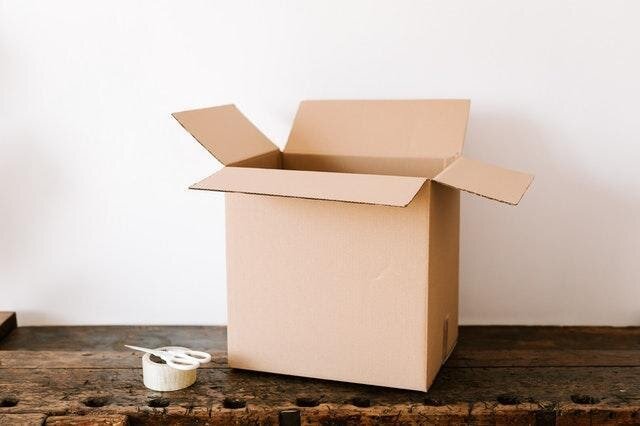
Empty boxes are almost ubiquitous in your home. They came along when you bought shoes, clothes, appliances, and many other things. Use them as storage units rather than buying new storage bins. You can store tools, craft supplies, beauty products, jewelry, and many other household items in those boxes. Think about it: you get readily available storage units---for free!
Reuse empty glass or plastic jars
Have you recently run out of coconut oil, pickles, or mayonnaise? Peel off the label, wash them thoroughly and dry them. Once dry, you can use these jars to organize items such as pens, kitchen utensils, and art brushes. You can also reuse them to store foodstuff and ingredients such as cereal, grains, oats, and spices.
If you have a crafty side, you can use these jars as decorative holders for scented candles, pendant lights, chimes, and more. Check out this link for creative ideas about repurposing empty jars.
Reuse empty bottles
Do you have empty glass bottles at home? Don’t throw them away, especially if they look really interesting. After taking off the label and washing them, you can use empty bottles as cool-looking flower bases. The long narrow neck and the small opening of the bottle make them ideal for securely holding a bunch of stems.
Glass bottles are also perfect for storing liquid kitchen ingredients such as cooking oil, soy sauce, vinegar, and more.
Search for unused cabinet spaces and drawers
Check your cabinets or shelves; it’s likely you’ll find an empty or underutilized space. Use this space to store towels, washcloths, bed sheets, curtains, and other linen. Smaller drawers can be used to store and organize table napkins, tissue papers, blotting papers, boxes of wipes, and more.
Repurpose empty baskets
Woven or rattan baskets are perfect storage spaces. Place one at the front door where people can put their shoes and flip-flops in. You can also put one beside the living couch where you can store magazines, books, and other reading materials. Or you can use one to store dirty clothes to be laundered.
Use strips of cloth or strings as cable ties
Messy cables and wires only provide clutter to workstations and home entertainment centers. Organize tangled keyboards by using ties. Now, you don’t have to buy those plastic one-use ties. You can use strips of cloth from old shirts or jute strings to tie down those cables.
Conclusion
Many items that we have in our homes and offices that we deem ready to throw away can be reused. The tips above are just some of the ways in which you can use such items rather than chucking them in the trash bin. By repurposing and upcycling these items, we exercise the 3Rs, reduce waste, and preserve Mother Nature.
About the Author:
Brett is a writer at ID-Mag. An enthusiast and expert when it comes to sleep products, Brett dedicates a lot of his time reading, researching, and reviewing about both traditional and emerging sleep brands that manufacture varied types of sleep products – from eco-mattresses, smart pillows to cooling sleep systems, Brett has probably reviewed them all. Brett also finds sleep especially important since he juggles a small business which he runs from home, makes sure he spends time with his daughter and he also writes during his spare time – you can definitely see that he needs a great forty winks all night, every night so he’ll make sure that you get great sleep, too!

Home Organization Techniques for the Modern Homeowner
These days, it seems it’s harder than ever before to keep a home properly organized. We’re all super busy with our work and family obligations, leaving us little time to organize the home. What’s more, it seems our houses fill up with junk automatically without us even noticing. Under such circumstances, it’s especially important to have an effective organizing plan. You can keep your home neat and tidy, but it requires some handy tricks. Here’s some tips to keep in mind as you organize your home.

These days, it seems it’s harder than ever before to keep a home properly organized. We’re all super busy with our work and family obligations, leaving us little time to organize the home. What’s more, it seems our houses fill up with junk automatically without us even noticing. Under such circumstances, it’s especially important to have an effective organizing plan. You can keep your home neat and tidy, but it requires some handy tricks. Here’s some tips to keep in mind as you organize your home.
Give Every Item Its Place
In order to keep a house organized, you have to understand what “organized” looks like. If you don’t even know where your belongings are meant to be stored, you won’t be able to consistently put them where they belong. Pick a day when you have plenty of free time, and then give the house a thorough cleaning. As you do so, put everything away in a place that seems to make sense. Then, give the whole household a tour and insist that, from now one, these are the items’ new homes.
Enlist the Entire Household
Keeping a house organized is a big job that requires teamwork and cooperation. If you try to do it yourself without the rest of the household’s help, you’ll only find yourself running around after them, cleaning up their messes. Make it clear to everybody what their responsibilities are, and hold them accountable. You could even hold a household meeting to delegate weekly tasks.
Make a Schedule
Create a plan for tackling disorganization before it gets out of hand. In many cases, messes work like fires. If you get to them in time, they’re easy to take care of. If you arrive too late, they’ll consume your entire home. By scheduling weekly tasks for you and your housemates, you’ll stay on top of the situation and keep the house as organized as possible.
Furnace Installation
Part of keeping a house organized is making sure that all its features and amenities are functioning properly. If your heating system and hot water are out of whack, then your house is hardly in perfect order. Calling someone in for furnace installation is your first step toward getting the house back to its best.
You want your home to be organized. If you follow this advice, you should have no problem achieving this simple, universal goal.
4 Ways Winter Ice is Damaging Your Home
When it comes to the cold winter months, many of us picture the beautiful white snow falling down. The reality is that ice tends to be the end result of that snow after it goes through the freeze and thaw process multiple times. Ice can be a very dangerous substance that can harm your home in many ways.
When it comes to the cold winter months, many of us picture the beautiful white snow falling down. The reality is that ice tends to be the end result of that snow after it goes through the freeze and thaw process multiple times. Ice can be a very dangerous substance that can harm your home in many ways.
Ice Dams
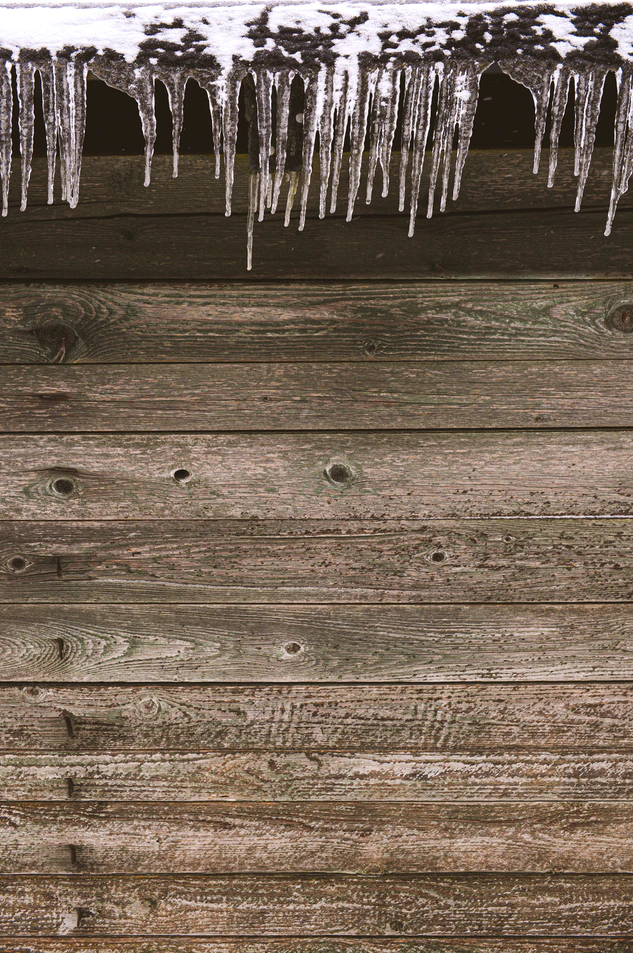
One of the most well-known ways that ice can damage your roof is through ice dams. These happen when the snow starts to melt from your roof in an uneven pattern. Some of the melted snow finds itself backed up in your gutters as it refreezes. This creates solid ice in the gutters. The existing water trying to get off of the roof can't exit due to the blockage in the gutter. This leaves unwanted pools of water all over your roof, which can result in damaged shingles, gutters, and roofing underlayment.
Damaged Gutters from Icicles
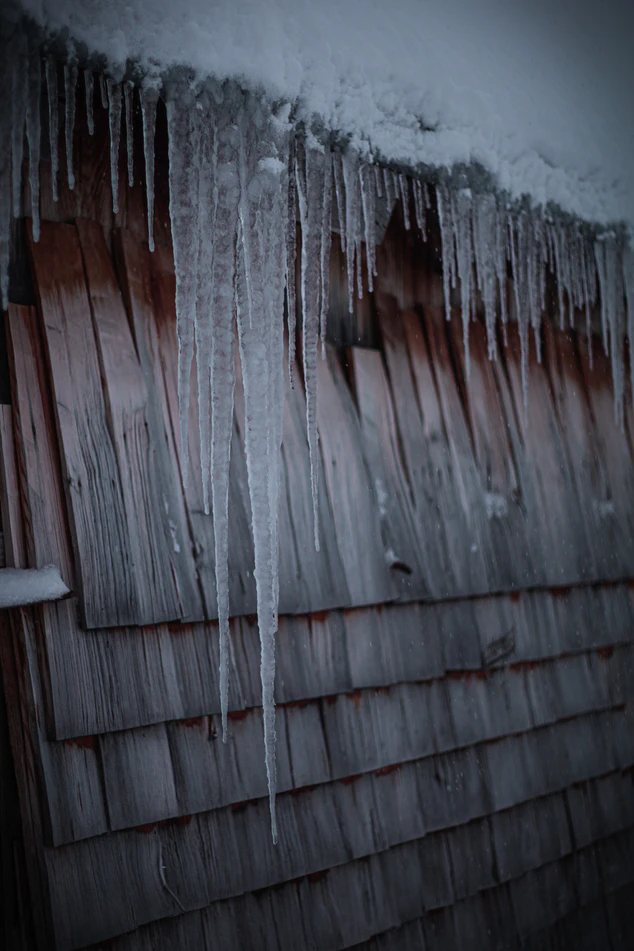
Icicles tend to be a beautiful creation of nature. However, when they hang off of your gutters, they can create a real problem for your overall roofing system. If you've ever picked up an icicle, you know they can be super heavy. Imagine the weight of all the icicles hanging from your gutters. It soon becomes clear just how damaging those icicles can be to your gutters.
Ice Expands Existing Foundation Gaps
Ice is a pesky problem that can exponentially increase existing cracking in your home's foundation. It is not uncommon to see a slight crack or two in a foundation over time. These tiny cracks aren't usually an issue as long as they're tended to in a timely manner. However, when water gets into those cracks and freezes in the cold temperature, it creates a whole other store. The ice will actually push out on the material and make the crack larger than it initially was.
Freezing Pipes
Every homeowner should be prepared to deal with freezing pipes. If you plan on leaving your home in the winter months, it can be a common thought to turn the temperature down. However, this can quickly turn into a disaster. If the piping that runs throughout your home is not kept above freezing, the water in the pipes can start to turn to ice. When this happens, the ice expands and causes the pipes to burst open.
Winter ice can wreak havoc on your home if you're not careful. It's important that you do what you can to mitigate the problems above. It's always best to try and prevent any winter problems instead of just responding to them once they happen.

