

A resource for those seeking information on organizing and transforming spaces.

9 Benefits of Renting vs. Owning a Home
There is a lot of talk about the benefits of owning a home, but not much is talked about renting one. A lot of young people are struggling with the decision. They are unsure whether they should be renting or owning a home, and to be fair it is an understandable problem to have. Both of these choices have their advantages and disadvantages, and the factors I’m writing in this article are something you should keep in your mind if you are having this choice.

There is a lot of talk about the benefits of owning a home, but not much is talked about renting one. A lot of young people are struggling with the decision. They are unsure whether they should be renting or owning a home, and to be fair it is an understandable problem to have. Both of these choices have their advantages and disadvantages, and the factors I’m writing in this article are something you should keep in your mind if you are having this choice.
Both renting and especially buying are big financial commitments, but in different ways and also in different degrees. So when you should consider renting? I’m listing the 9 benefits for renting a house vs owning a home you should always consider should you be making your move.
It’s Way Less Expensive Up Front
Non-refundable application fees, security deposits, last month’s rent at signing are just some of the financial hurdles renting has. But all of them together, do not even compare to closing costs and the steep requirement of a down payment. And even though your monthly rent rate might be a bit higher than a monthly mortgage cost, you do not have to be concerned about fronting for things such as taxes or home repairs.
It’s Not So Risky
Buying a home should be considered as an investment, and investments do carry risk. When you rent a house, you do not need to worry about the market crashing or that a costly and unexpected home repair on your house will cost you a lot of money from your savings accounts. Whether you’ll be happy with the place you rent is the biggest risk you take on when renting. And that’s a risk most of us can afford to take.
You Have More Flexibility
The freedom that it provides you is definitely one of the biggest benefits of renting against owning. When you want to pack and move across the country it is harder to sell a house than to break a lease. It is a lot quicker too. Renting sets some defined terms that you can base a big living decision around, even if you don’t cut out early.
Repairs are Someone Else’s Problem
Broken dishwasher? Running toilet? Warped window trim? These repairs, when you rent, costs and other accompanying costs are the responsibility of your landlord or management company, and not you. But of course depending on your terms of lease, you may have to contribute to some of the repairs of your living space, and there are some hidden charges when you buy a home.
No Property Taxes at all
One thing that makes a major expense on homeownership is property taxes...which affects the buyer's price range. But in terms of paying the property taxes on your part, when you are renting the space you have no obligation, unlike owning the property that you should pay. In some states the property taxes are high, and that can be a huge burden off your back— and that means a lot more money in your wallet every year.
You Know What You’re Paying Each Month
We all know that the benefits of renting a home are mainly financial - that is no surprise.
Homeownership is a variable cost endeavor. That depends on the terms of a contract, interest prices may change over time — going up or down without the input of the owner. The same goes for property taxes, which almost always fluctuates. When you rent, you have to leave aside a monthly amount for the entire term of your lease so that is the only 'variable cost' you have to worry about.
Some Utilities May Be Included
When renting, you may end up with free internet, water, or heat - most owners cover these specific utility costs for their residents. But, for those utilities that aren’t included with the rent, they’re normally a lot cheaper than when you buy them since many rentals have less square footage than family homes.
Don't pay attention to the details
Things like chipping paint and yellowing grass aren’t the end of the world...but they do require a lot of time and effort to deal with. You do not need to think twice about the things that make homeownership a big day to day responsibility, actually, often you will not even notice. So if you enjoy spending your weekends hanging out with friends instead of clearing leaves out the drain, then renting might be one of the best options you have chosen so far.
There Is No Pressure to Upgrade
When you choose to rent a space, you should keep in mind that it's not that easy to be satisfied with an old kitchen or badly designed bathroom. Homeowners are in it for a long time, however, the upgrades aren’t just part of the experience, they’re also usually expected if you want to make a good return when you want to sell.
As a renter, you can be happy with the fact that what you’ve got is not going to stay forever.
Ultimately, the decision of renting versus buying comes down to what you can afford and how much responsibility you want to have when it comes to your home. There’s nothing wrong with the flexibility that comes with renting, neither is there anything wrong with going all in and buying a home. Just be sure to make the right decision for you and your finances, and you should be happy with wherever you end up.

Common signs your ducted air conditioner has leaks
Leaks can occur in the ducts of an air conditioner. However, because these are hidden in the room or basement, they are challenging to inspect. There may be leaks, and you are entirely unaware of them. Repairing leaking ducts is the easy part – how do you know there are leaks? Here are some commons signs you can look out for.

Leaks can occur in the ducts of an air conditioner. However, because these are hidden in the room or basement, they are challenging to inspect. There may be leaks, and you are entirely unaware of them. Repairing leaking ducts is the easy part – how do you know there are leaks? Here are some commons signs you can look out for.
The aircon isn’t keeping you comfortable
You had an air conditioner installed to keep your house cool on hot days. So it's frustrating as a homeowner when you feel the system is running, but the temperature never reaches a comfortable level. Your aircon surely should be able to make your hot home more comfortable than it is within an hour or two, right?
If you’re not getting the relief from the heat you want, even when the aircon's been pumping for hours, it's a sign that something's not right with it. One possibility is that there is an issue with the air ducts connected to your ducted air conditioning system. When these ducts have leaks, the entire system's seal is essentially broken, and you're going to lose cold air.
When this occurs, the air conditioning system will not be able to cool your home or warm it, with ease. You'll should call in an air conditioning technician to investigate possible leaks and repair them.
Individual rooms never get cool enough
If you find that there are particular rooms in your home that never seem to cool off or others that are ice-cold compared to the others, you need to investigate the cause. Ideally, your A/C system should distribute cold air evenly throughout the home to cool it. Each room in your home should get cooler at a similar rate.
When rooms cool unevenly, it's a sign that there could be leaks in the air ducts. The holes or gaps prevent sufficient cool air from reaching the rooms in different parts of your home. If the rooms on the second floor are warmer, don’t be concerned as they will always be slightly warmer on the floor below.
Your energy bills are higher
There are peak times you will use your HVAC system, and it's accepted that you will see an increase in energy usage in those months. However, if the bills suddenly skyrocket, it's worth investigating if your ducted aircon is behind it. When air ducts are leaking air, the aircon is forced to run for more extended periods to cool your home off.
Your house is getting dusty
Every home accumulates dust, but if you're noticing your surfaces are getting extra grimy, something could be up with your air ducts. Leaky air ducts can make a home dustier than usual because they allow dust to enter ductwork and travel throughout a home.
Your air conditioner keeps breaking down
As A/C system ages, more regular repairs will be needed. However, if your unit is only a few years old and you're calling technicians in all the time, it could be a sign you have leaking air ducts. Find the leaky air duct, and you'll soon discover that you no longer have to call out a team for repairs as regularly.
When your system is aging
Air ducts aren't designed to last forever, and experts estimate they should be replaced every 15 years. By ensuring your air ducts are correctly maintained as part of your annual air condition service for your ducted air-con, you'll extend their life expectancy. The technicians will inspect, repair, and clean the air ducts during maintenance. Ignore them at your peril. Air ducts that are leaking and damaged could lead to further damage to the A/C compressor and other parts.
Know your ducts
There are multiple types of ducts in use in the aircon business. Here are a few:
Flexible ductwork
Made of a wire coil.
Covered with a bendable, plastic, surrounded by insulation.
Tube shaped.
Used for best tricky spaces where rigid ducts can’t be installed.
Need to be secured correctly so there are no kinks or other issue that reduce airflow.
Rigid ductwork
Can be cylindrical or rectangular.
They are often insulated.
Hardy, enduring, and reliable.
Sheet metal ducts
Usually galvanized steel and aluminum.
Light and easy to install.
Have non-porous surfaces.
Fiberboard ducts
Made from fiberglass strands compressed and bonded with a resin
Covered with a sheet of foil laminate
Suitable for cooling and heating systems because well insulated.
It is not recommended for ventilation in humid climates because of mold and mildew buildup.
When installing an air conditioning system, ask your contractor which is the best type of duct to use for your home or property. They will also recommend a maintenance program that will keep the ductwork in good condition and free of leaks.
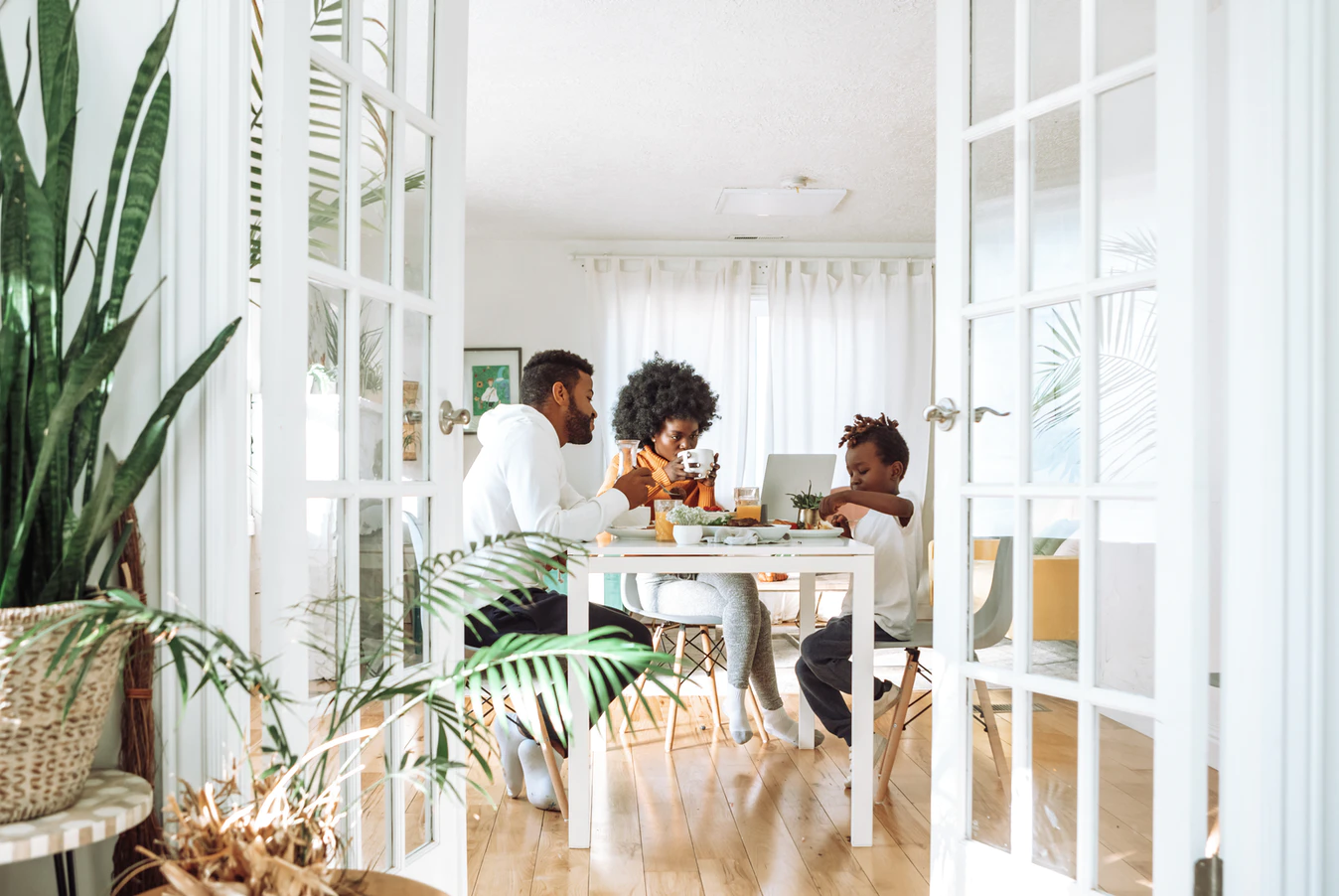
Buying a House for Your Growing Family? 4 Things You Should Consider
When it's time to buy a house for your growing family, there are several things you'll need to think about. A house is probably the largest single purchase you'll ever make, so it's important to go about it the right way. Here are four things you should consider before buying a home to accommodate your expanding family.

When it's time to buy a house for your growing family, there are several things you'll need to think about. A house is probably the largest single purchase you'll ever make, so it's important to go about it the right way. Here are four things you should consider before buying a home to accommodate your expanding family.
Financing
The largest single consideration when it comes to buying a home is paying for it. In order to set yourself up for the best financial situation, it's a good idea to save up a down payment of about 20 percent before you decide to purchase. While you're saving, you should also eliminate any other existing debts that could be a drain on your finances. This process will help to improve your credit score and make you eligible for a low-interest mortgage when you're ready to buy.
School District
If you're buying a house for your family, it's also very important to consider the school district a property is in. Unless you're willing to pay for private school, the location of your home will determine where your children attend school. Look at publicly available test scores and school report cards to see what kind of education your kids will be getting. If possible, you should also try to talk to other parents who live in the same district, since they may have useful insights.
Home Insurance
Although it's often overlooked, insuring your new home is critical. Home insurance can protect you from various kinds of property damage and liability costs. Find a good insurance broker and see what the best policy is for your particular situation. Don't be afraid to shop around, since you may be able to get a better price by doing so.
Size and Amenities
Finally, you'll need to have some idea of the size of the home you want to buy before you go looking. A lot of this will depend on how large you intend your family to eventually be. Sit down with your spouse and talk about how large the house should be and what amenities you both want it to have.
Once you've thought through these four things, you'll be more or less ready to start actively looking for a home to buy. Of course, you may not find the right property the moment you start looking. If necessary, wait until a home that fits all of your needs comes along.

Guest Post - How to Keep Your House Warm and Your Heating Bill Low
Everyone wants to feel warm and cozy during the winter season — but that can be costly for some families. If cold weather causes your energy bill to skyrocket each year, then it may be time to make some changes in your home. Air leaks and a lack of insulation can cause you to lose the precious heat in your house and make your systems work overtime.
Everyone wants to feel warm and cozy during the winter season — but that can be costly for some families. If cold weather causes your energy bill to skyrocket each year, then it may be time to make some changes in your home. Air leaks and a lack of insulation can cause you to lose the precious heat in your house and make your systems work overtime.
Instead of maxing out your energy bill and patience, try these four tips.
1. Seal Air Leaks Around Windows and Doors
Start with one of the most significant problem areas — your doors and windows. Cracks and gaps allow hot air to escape and provide an opening for cool air to enter. This is the reason it sometimes feels cold when you stand by a window during the winter. To fix the problem, you’ll need to locate the leaks and fill them in using weatherstripping, foam or caulk. Sealing these areas will reduce your energy loss and lower your heating bill while keeping your home warm.
2. Insulate Your Attic and Garage
Insulation is a gamechanger. The Environmental Protection Agency (EPA) estimates that property owners can save approximately 15% on their annual heating and cooling costs by filling in air leaks and insulating their houses. However, these numbers come from strategic insulation installation, so it pays to make a plan before hiring a contractor.
You should prioritize sealing and insulating the outer walls, doors, windows and other openings. This includes a particular focus on your garage and attic spaces to improve energy efficiency and reduce noise. You can seal most areas on your own with the help of DIY kits or contact a professional. It’s also possible to order pre-insulated walls, windows and garage doors directly.
3. Program Your Thermostat
Thermostats regulate the temperature in your house, and ineffective use can lead to high energy bills. To improve your home’s comfort level and maintain a reasonable heating bill, program your thermostat to stay at a lower temperature while the house is empty or while everyone is asleep.
While you want to make sure your pipes do not freeze, it’s unnecessary to keep your home at a balmy 72 F all year. If you bundle up, you can lower the temperature — and your heating bills — without sacrificing your comfort.
4. Utilize a Space Heater
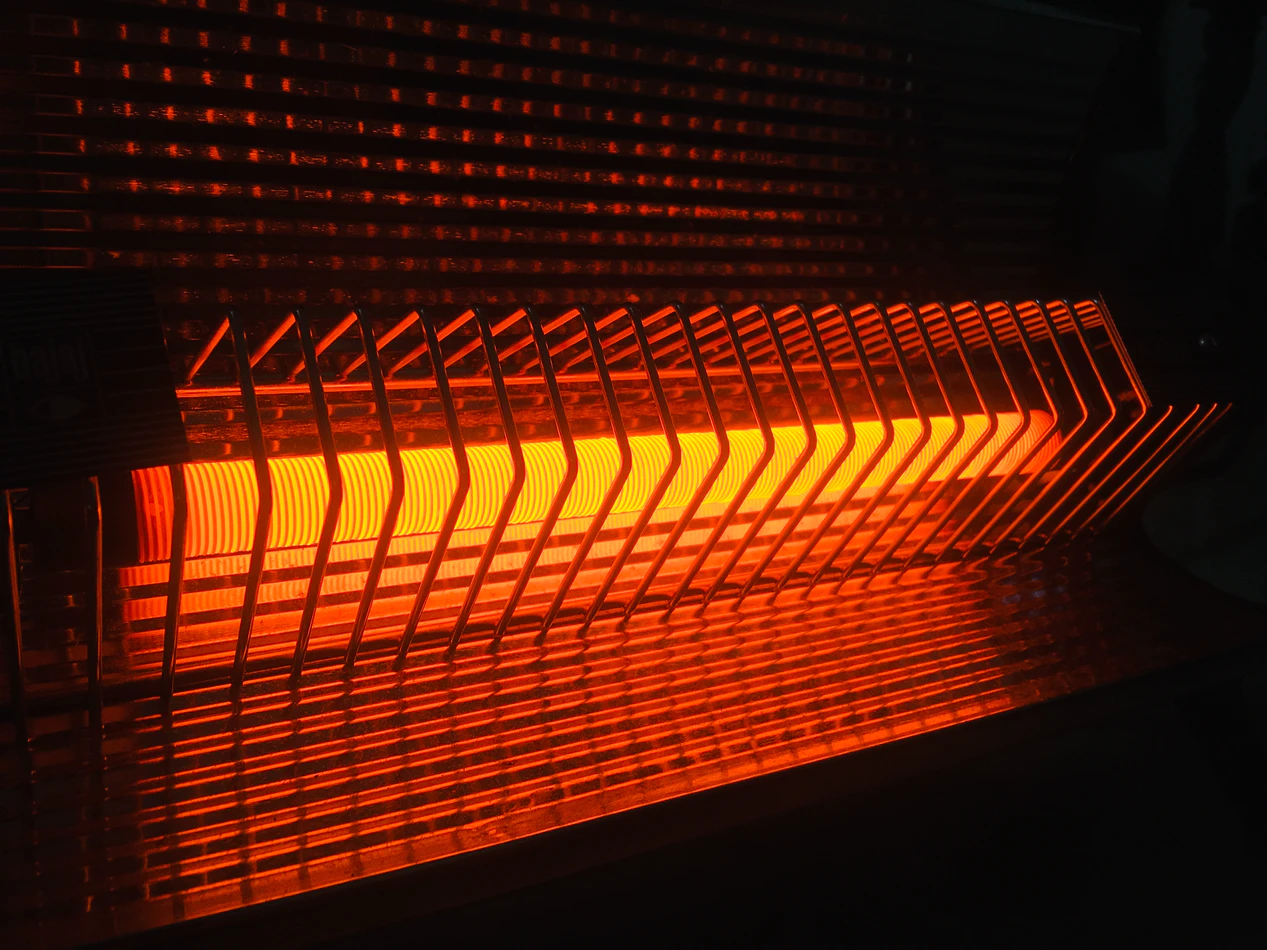
If you’re feeling chilly, utilize a small space heater rather than raising your thermostat. This will prevent heating the entire house unnecessarily. You’ll have a lower energy bill, and you’ll still feel toasty during the winter months.
Stay Warm and Save Money
If you utilize these four tips, you can keep your house warm and your heating bill low. Winter weather forces you to find a balance between energy efficiency and personal comfort. Use your best judgment when following these steps because every home is different.
Author bio: Rose Morrison is the managing editor of Renovated, where she offers advice on home renovation, maintenance, and organization.

