

A resource for those seeking information on organizing and transforming spaces.
Guest Post - Showing Off Potential in Your Home Staging
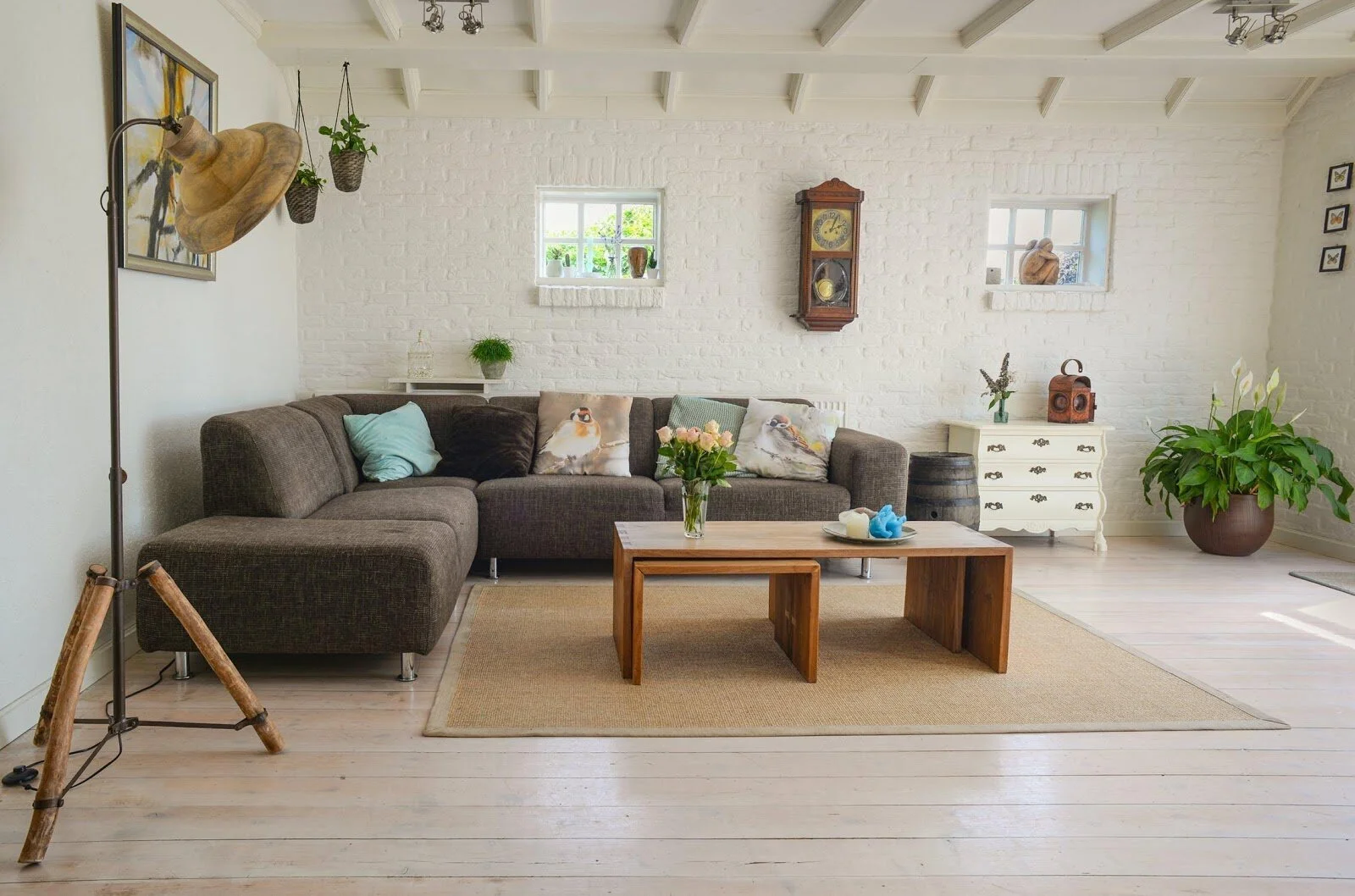
One of the main purposes of home staging is to help potential buyers visualize themselves in your space. Though decorating your home and presenting it a certain way is great for making it look “lived in,” it’s more important to show off its potential if you really want to intrigue buyers.

One of the main purposes of home staging is to help potential buyers visualize themselves in your space. Though decorating your home and presenting it a certain way is great for making it look “lived in,” it’s more important to show off its potential if you really want to intrigue buyers.
Remember, when you’re trying to sell your home, it’s no longer about you and your tastes. It’s about what potential buyers might want.
Thankfully, there are plenty of tips and tricks you can use in your home staging endeavors. Not only will they make your space more appealing, but they can help anyone who walks through to see themselves building a life there.
Let’s cover a few of those tips you can use to show off your home’s potential.
Showcase Your Space by Clearing the Clutter
You don’t want your home to look empty and plain, but you also don’t want it to look cluttered. People want to be able to see themselves in that space. So, while having personal design choices laid out is a good thing, getting too personal might turn someone away.
One of the best things you can do to show off your space is to clear away any excess clutter and make your home look fresh. Taking a minimalist approach can be a great way to go. It makes your home look inviting and warm, but also offers somewhat of a clean slate to potential buyers. Some ideas for minimalist staging include:
Painting the walls warm, neutral colors.
Using live plants in each room.
Setting up streamlined furniture instead of random selections.
Replacing family photos with art pieces.
You can also make a point to show people how easy it is to keep your home clutter-free. If you have closets, a mudroom, or even an entryway, make a point to keep it clean and organized. Install a bench in the mudroom and have a pair of boots underneath it. Or, put a coat rack by the door and hang a jacket on it. If it works with your space, you might even consider setting up industrial-looking lockers to store everyone’s belongings. When a buyer knows there are things in the home that will make it easier for them to keep it clean, they may be more interested.
Know Your Neighborhood
Obviously, you don’t know who is going to be interested in your home. Nowadays, most people use the Internet to start their home-buying search. In fact, 93% of people look at homes online before going to see them in-person. So, someone from a completely different state could be looking at your home if they’re planning a move.
But, you do have an idea of the kind of neighborhood you’re in. Is your neighborhood attractive because it’s within a good school district? If so, you might want to stage your home to appeal to families. Is it in an area known to attract retired individuals who want to downsize and relax? If so, consider selling to senior buyers by adding luxurious touches and staging the home to look as comfortable as possible.
It’s also a good idea to make your home accessible to everyone. No matter who you end up selling to, people have different needs. If a potential buyer comes into your home and immediately feels like the space won’t work for them or someone in their family, they’ll move on. So, focus on universal design when you’re setting things up. Universal design focuses on functionality and making the most of the space that is provided. The benefits of setting things up this way include:
Inclusivity for everyone
Adaptive flexibility
Safety
Contentment
Independence
Universal design is meant to be helpful and make things comfortable without going over the top. So, no matter who you think might be interested in your home, make sure it’s a space where people can see themselves living and working without discomfort or distraction
Don’t Forget First Impressions
One of the biggest mistakes you can make is spending so much time on the interior staging of your home that you completely ignore the outside. Remember, your home’s exterior is the first thing buyers will see. So, make sure to stage it in a way that looks appealing from the moment they first pull up.
Though you don’t necessarily need to repaint or get new siding, it’s important to make sure that your home exterior looks clean, with no obvious signs of wear, tear, or damage. Adding a few tasteful decorations to your front porch, maintaining the landscape, and power washing your home before putting it on the market are all fantastic ways to boost its curb appeal and show potential buyers how creative they can get with the exterior.
It can even be worth it to stage your garage. People use garage spaces for a variety of different things. Some simply want to store their cars. Others want to use it as a workshop, or even transform it into something completely different. To effectively stage your garage, there are a few things to keep in mind, including:
Maximizing the space
Making sure it’s clean
Showing off storage space
Making sure the door works
Staging your home to show off its potential means putting yourself in the mind of a potential buyer. If you’re not sure where to get started, consider what would feel welcoming to you if you were looking for a new place to live. You know your home’s potential better than anyone. So, don’t hesitate to show that off in as many ways as possible once it’s on the market.
Author Bio: Noah Rue is a freelance writer.

Signs Your Furniture Needs To Be Reupholstered
After having our furniture for many years, it can be easy not to notice when they need a little maintenance. There are times when your furniture is too far gone to be salvaged, but typically the easiest and cheapest option is to reupholster it. Stains and smells are just two of the main signs your furniture needs to be reupholstered, and it’s something you need to consider when redecorating.

After having our furniture for many years, it can be easy not to notice when they need a little maintenance. There are times when your furniture is too far gone to be salvaged, but typically the easiest and cheapest option is to reupholster it. Stains and smells are just two of the main signs your furniture needs to be reupholstered, and it’s something you need to consider when redecorating.
Odor
The fabric of furniture tends to hold onto smells for a very long time. The smells can be transferred over the years without us noticing, and these odors can come from people or pets sitting on the couch. There’s not much we can do to prevent smells from attaching to the furniture other than replacing the fabric.
Visible Stains
Some stains can be removed before they permanently set into the fabric; other stains are a little harder to remove. Over the course of its life, a piece of furniture will be subject to all kinds of spillages, from adults, to kids, and even pets. Some stains can blend into the fabric, so giving the couch a good once over to find any hidden stains is a good idea.
Damaged Fabric
The most obvious sign that your furniture needs to be reupholstered is if the fabric itself is visibly damaged. The fabric is coming apart, has been torn due to an accident, or a pet accidentally clawed it too hard—these are all common occurrences over the years.
Check To See If It Can Handle Reupholstery
The final task on your checklist for refurbishing your furniture is to inspect if it’s even suitable to fix in the first place. Depending on the age or the quality of construction, it may not be worth reupholstering to begin with.
Check the Sturdiness
Grab each arm of your sofa and give it a few good shakes back and forth. If it is constructed well, then it won’t feel lose or shaky. But if it does feel wobbly, then its construction may be of lower quality and may not be worth saving.
Check the Frame
A quality couch frame will be built out of hardwood, and there are a few ways to check if you can’t see the wood inside. Take off the cushions and lift the couch. If it’s heavy, then there is a good chance it’s constructed out of hardwood or another quality material.
Longevity of Your Furniture
A piece of furniture can still be of high quality—it just needs a quick switch of fabric. And reupholstery doesn’t have to be an expensive investment; it can be something you do yourself. If you decide to remodel it yourself, keep some reupholstery tips in mind.

Choosing a Decorating Aesthetic
Something you may see everywhere on social media recently is the emphasis on choosing a decorating aesthetic for your home. A home decorating aesthetic is one cohesive feel you implement in your home through a color palette, decorative object styles, and more. Here are a few unique aesthetics to consider and tips for knowing if they fit your personal style.

Something you may see everywhere on social media recently is the emphasis on choosing a decorating aesthetic for your home. A home decorating aesthetic is one cohesive feel you implement in your home through a color palette, decorative object styles, and more. Here are a few unique aesthetics to consider and tips for knowing if they fit your personal style.
Minimalist
There are so many popular interior design styles right now, and minimalist may feel like it’s on its way out. Minimalism may have fallen from the most popular home décor scene, but the trend and calm feeling that accompanies it are far from over. The minimalist aesthetic emphasizes keeping only what you need and putting everything out of sight unless you’re actively using it. You may be the right person for the minimalist feel if:
Clutter gives you anxiety.
You like everything to have a place.
You love cleaning out closets and drawers.
You don’t hesitate to throw things out or donate them.
Bright, open spaces make you feel at ease.
Art Deco
It’s officially the roaring ‘20s again, so the art deco style is coming back. While it’s not the go-to style of mainstream homes quite yet, this trend is sure to catch some traction. The art deco trend emphasizes luxury and glam. It’s the perfect blend of over-the-top decor, color, and excitement. The art deco aesthetic might be for you if:
You love mirrored surfaces.
Pops of color are your favorite.
You can’t imagine having to downsize your closet or your décor.
Feathers, sequins, glitter, and anything daring are your go-to decoration items.
You have a bold, outgoing personality and want your home to reflect that.
Moody
The moody aesthetic is one that’s just beginning to emerge on the home design scene. The moody feel is the perfect blend of minimalist, cottage, art décor, and other top home design trends. It focuses on color contrasts, natural wood and elements, and a balance of natural and artificial light. The moody aesthetic might be for you if:
You love using black and white together.
Accent walls speak to your soul.
You love stained wood furniture and a bit of the rustic look.
Metal accents make you happy.
Your personality is continually developing, and you want a home that can adjust to you.
While choosing a decorating aesthetic may feel like a huge commitment, you can change yours at any time. It’s surprisingly easy to switch aesthetics by simply painting a wall, swapping out small trinket decors, and rearranging furniture.

Guest Post - 12 Ways to Save on Home Renovation Costs
The process of home renovation is never simple, and it’s never cheap, either. The costs of major upgrades quickly rack up, even when you think you’re spending carefully. We can’t get rid of surprise costs, but we can take steps to reduce costs overall. Follow these twelve ideas and you may be able to save a good chunk of money on your home remodel.
The process of home renovation is never simple, and it’s never cheap, either. The costs of major upgrades quickly rack up, even when you think you’re spending carefully. We can’t get rid of surprise costs, but we can take steps to reduce costs overall. Follow these twelve ideas and you may be able to save a good chunk of money on your home remodel.
1. Establish Your Budget
It seems obvious, but homeowners frequently fail to set up their budgets. Most have set aside savings and assume that it will be enough to cover the costs of home renovation.
Savings are a great starting point, but if you want to save as much as possible, you’ll need to create a budget that reflects how much you’re willing to spend when those unexpected costs show up. Determine how much you can afford and then some, so you can play it safe.
2. Be Creative with Material Costs
Where you go to purchase materials will make or break your budget. If you need help finding recycled materials, contact your local lumber supply shop to find affordable options.
You can also find reused materials on ad placement sites by people who have leftover scraps from their previous projects. Aged materials are some of the most beautiful and durable options around, so you’ll be getting high-quality materials for less money.
3. Look for Discount Essentials
For your most important pieces, search high and low for the best bargains you can find. If you want a soapstone countertop, wait until materials go on sale. The same idea applies to anything else you have your heart set on purchasing. Look for deals on windows, doors, bathroom tile, etc.
These are the aspects you’ll want to show off the most when your remodel is complete, but that doesn’t mean you need to spend excessive amounts of money to get the look you want.
4. Rely on Cash for Materials and Builder Expenses
By paying cash for these crucial aspects of home renovation, you will avoid interest charges. You might also earn a break in prices when your contractor learns that you’re willing to pay in cash.
5. Take Your Time

Renovating your home is undoubtedly exciting, but it’s not something to rush. You’ll like the results so much more if you take your time and purchase the materials you genuinely want. Don’t settle on subpar materials to get the job done faster.
You’ll also avoid the need for credit if you wait for things to go on sale. The same idea applies to contractor fees: do not settle for the builder with the best availability if what they charge doesn’t fit your budget. Take this extra time to plan out precisely what you’re looking to create in your remodel.
6. Be Your Own Handyman
Certain repairs will require a hired professional but, with that being said, there are some DIY jobs you can accomplish on your own. Rather than paying someone extra money to complete simple repairs, use your muscle and handle these smaller projects yourself. You could look into sealing subway tiles yourself or practice screaming, “Here’s Johnny!” for when it comes time to knock out a door.
7. Reuse. Reuse. Remodel.
Reuse materials instead of throwing them out. If you find that you have extra pieces of cabinetry or isolated appliance parts, use these guys to your advantage. Instead of replacing things, you can save time and money by using what you already have at your disposal.
8. Sell Appliances You Plan to Replace
Are you updating your appliances? Sell your old fridge and stove. If your devices are in poor working condition, you can likely sell them for parts.
You may be able to find interested buyers online, but if no fish bite, try contacting a used appliance store in your area. They may be willing to purchase your used appliances for a fair price.
9. Be Selective About Who You Hire
Even neighborhood referrals and recommendations can end up being the total opposite of what you’re looking for in a contractor. Everyone has different style preferences and ideas to build their dream homes, so it’s essential to consider the most competent builders for your designs and ideas.
10. Find a Balance Between High and Low Quality
Splurge on those new items you can’t live without. Maybe you want a quartz countertop or an amethyst coffee table. It’s okay to have a few luxury items but be sure to balance these pricey goodies with lower quality or previously used items, too. Utilizing a budget means you’re making the most of your money, so you will likely need to find a happy medium between smart home updates and luxurious items for that to work.
Even when it comes time to purchase lower-quality items, you don’t have to get the worst of the worst. Just look for affordable options. For example, someone might be selling reclaimed wood that you can use to create custom headboards. Interested in a glossy finished concrete floor? Consider DIY epoxy-resin flooring.
11. Always Price Match
You might be comfortable shopping at a few select stores, or maybe you even prefer to do all your shopping online. Even though the familiarity of these shopping preferences keeps things simple, you must venture out so that you can price match and find the best deals for the items you want in your remodel. You might be surprised to see that there are many more options out there when you shop this way.
12. Hey Macklemore, Can We Go Thrift Shopping?
The $300 you plan to spend on vintage drawer pulls might already be waiting for you at a thrift store for $5. Don’t let the idea of remodeling become a frenzy of buying brand-new everything. Blending some gently used items in with newer pieces is a great way to give your home a welcoming feel, and you’ll save a bunch in the process.
Home remodeling is pricey. However, implementing upgrades can both increase your satisfaction with your living space and boost the value of your home. Be smart and follow these guidelines for a makeover that doesn’t break the bank.
Author Bio
Matt Casadona has a Bachelor of Science in Business Administration, with a concentration in Marketing and a minor in Psychology. He is currently a contributing editor for 365 Business Tips. Matt is passionate about marketing and business strategy and enjoys the San Diego life, traveling and music.

