

A resource for those seeking information on organizing and transforming spaces.

How To Revitalize a Boring Bedroom
These three straightforward steps can help homeowners successfully breathe new life into an uncomfortable, unappealing, or otherwise boring bedroom.

Although you might want to design the perfect bedroom when moving into a new house, that ambition doesn’t always yield successful results. Given how many factors you must consider when moving, it’s understandable if you put your lavish bedroom design ideas to the side for the time being. Once you’re finally ready to transform the bedroom from boring to brilliant, some critical decor choices can help you do it. These three tips will show homeowners how to revitalize a boring bedroom with style.
Install a Stylish Headboard
A bed without a headboard is incomplete. Sure, you can still sleep on the bed without issue, but the headboard can become a stunning focal point of the bedroom. Don’t just grab any random headboard; find one that mixes with your color palette and other interior design choices successfully. Whether it’s echoing your paint color in a gorgeous way or adding the perfect touch of contrast to the area, installing a headboard is a simple and successful method for breathing new life into the bedroom.
Roll Out a Rug
When you’re trying to figure out how to revitalize a boring bedroom, inspect your floor. A good rug ties the room together in the same way a lovely headboard does. Rugs can be great tools for adding contrast or bringing together specific patterns and colors from the room in a vivid, lively way.
One attribute that sets rugs apart from headboards is the warmth the former brings to the environment, especially if you have wood flooring. A stylish silk rug can simultaneously boost the visual appeal of a bedroom, make the floor more comfortable, and provide an all-around cozy atmosphere whenever you walk through the door.
Grab Some Throws
Another method of imbuing a bedroom with a warm atmosphere and rich visual depth is setting up throw pillows. The great thing about throw pillows is that they come in many patterns, fabrics, colors, and sizes, which means finding the right set for your bedroom shouldn’t be difficult. One thing you should take the time to learn about is how to pair different pillow sizes.
Learning the basics of throw pillow sizing will help you achieve the right level of visual depth in any living space. A delightful set of throw pillows can immediately catch the eye of anyone who walks in, as long as you properly set them up. Although they’re mainly used for decoration, throws can provide an extra level of comfort while you read, watch TV, or relax in bed.

How to Save Water at Home
Before the pandemic, the average American family was already using more than 300 gallons of water a week. Now, as many of us are spending more time at home, we’re using even more water resources to keep our households running.
Before the pandemic, the average American family was already using more than 300 gallons of water a week. Now, as many of us are spending more time at home, we’re using even more water resources to keep our households running.
While cooking at home is a great way to save money, it also means more dishes to clean. Household water use is up by 21% since the onset of the pandemic however there are small, water-conscious habits you can form at home to make a positive impact on the environment and on your wallet. Below are a few ways to save water in each room of your home.
In the Kitchen
It may seem counterintuitive, but washing dishes by hand uses a lot more water than running full loads in a dishwasher — even more so if you have a water-conserving model. Another hack for saving water in the kitchen is to designate one glass for your drinking water each day. This will cut down on the number of glasses to wash.
In the Bathroom
Turning off the water while brushing your teeth can save 25 gallons a month. Also be mindful of turning off the water when washing your face or shaving. You use about 2.5 gallons of water per minute by taking a shower, so try shaving just three minutes off your shower to help reduce your water footprint.
In the Laundry Room
Concentrated detergents save water, as manufacturers avoid the expense of adding water to the bottle. Non-concentrated liquid laundry detergents contain 60% to 90% water, so choosing a concentrated detergent can save you hundreds of gallons of water a year.
In the Backyard
Cleaning outside walkways with a broom saves around 30 gallons of water for every five minutes you don’t use the hose. The average homeowner can save more than 3,000 gallons a year by sweeping and not by washing.
For more ideas on how to save water at home, the folks at Zolo created this visual room-by-room guide. Finding ways to conserve water is easy and a great way to do your part for the environment while spending more time at home.

Guest Post - Showing Off Potential in Your Home Staging
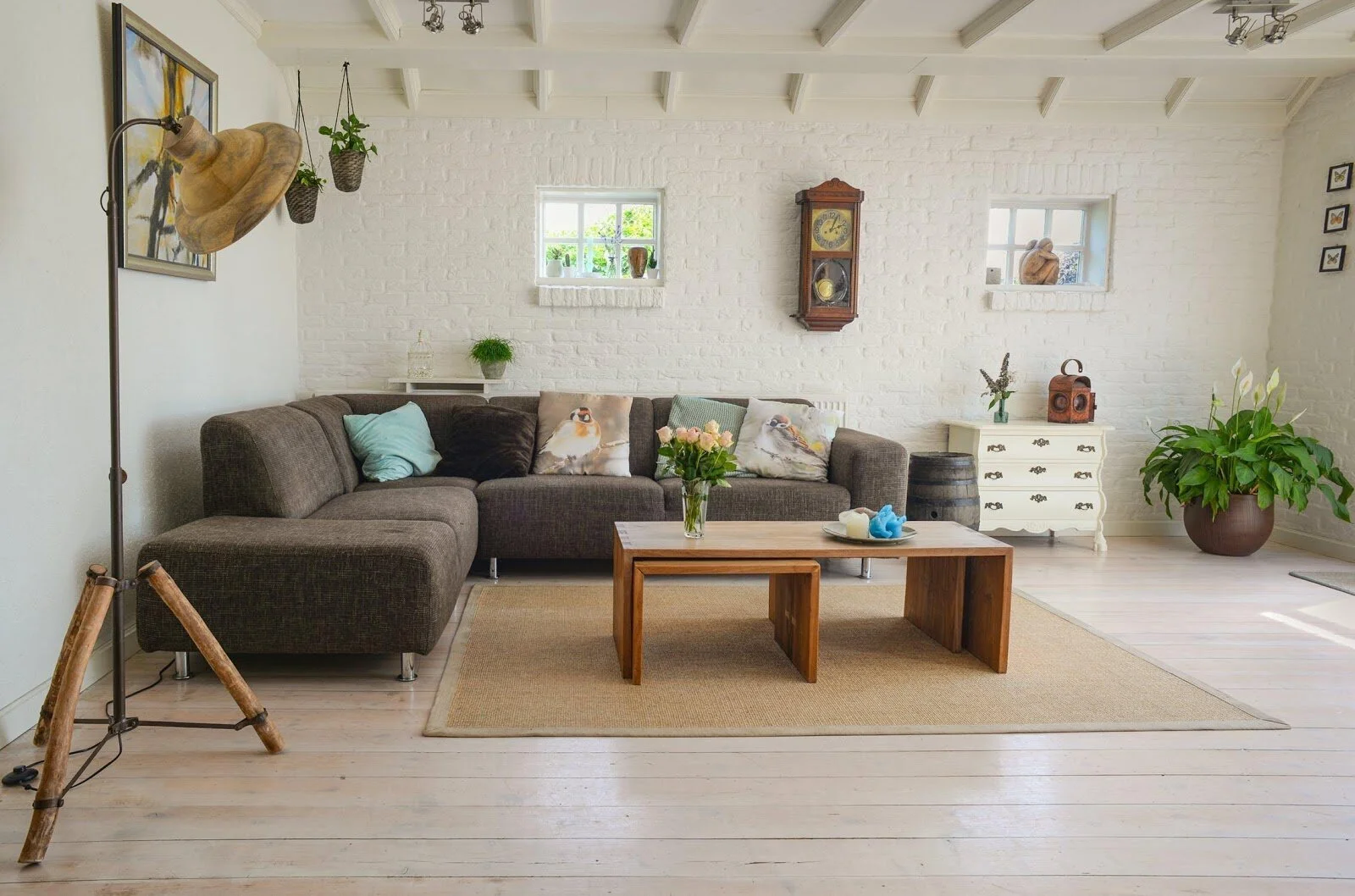
One of the main purposes of home staging is to help potential buyers visualize themselves in your space. Though decorating your home and presenting it a certain way is great for making it look “lived in,” it’s more important to show off its potential if you really want to intrigue buyers.

One of the main purposes of home staging is to help potential buyers visualize themselves in your space. Though decorating your home and presenting it a certain way is great for making it look “lived in,” it’s more important to show off its potential if you really want to intrigue buyers.
Remember, when you’re trying to sell your home, it’s no longer about you and your tastes. It’s about what potential buyers might want.
Thankfully, there are plenty of tips and tricks you can use in your home staging endeavors. Not only will they make your space more appealing, but they can help anyone who walks through to see themselves building a life there.
Let’s cover a few of those tips you can use to show off your home’s potential.
Showcase Your Space by Clearing the Clutter
You don’t want your home to look empty and plain, but you also don’t want it to look cluttered. People want to be able to see themselves in that space. So, while having personal design choices laid out is a good thing, getting too personal might turn someone away.
One of the best things you can do to show off your space is to clear away any excess clutter and make your home look fresh. Taking a minimalist approach can be a great way to go. It makes your home look inviting and warm, but also offers somewhat of a clean slate to potential buyers. Some ideas for minimalist staging include:
Painting the walls warm, neutral colors.
Using live plants in each room.
Setting up streamlined furniture instead of random selections.
Replacing family photos with art pieces.
You can also make a point to show people how easy it is to keep your home clutter-free. If you have closets, a mudroom, or even an entryway, make a point to keep it clean and organized. Install a bench in the mudroom and have a pair of boots underneath it. Or, put a coat rack by the door and hang a jacket on it. If it works with your space, you might even consider setting up industrial-looking lockers to store everyone’s belongings. When a buyer knows there are things in the home that will make it easier for them to keep it clean, they may be more interested.
Know Your Neighborhood
Obviously, you don’t know who is going to be interested in your home. Nowadays, most people use the Internet to start their home-buying search. In fact, 93% of people look at homes online before going to see them in-person. So, someone from a completely different state could be looking at your home if they’re planning a move.
But, you do have an idea of the kind of neighborhood you’re in. Is your neighborhood attractive because it’s within a good school district? If so, you might want to stage your home to appeal to families. Is it in an area known to attract retired individuals who want to downsize and relax? If so, consider selling to senior buyers by adding luxurious touches and staging the home to look as comfortable as possible.
It’s also a good idea to make your home accessible to everyone. No matter who you end up selling to, people have different needs. If a potential buyer comes into your home and immediately feels like the space won’t work for them or someone in their family, they’ll move on. So, focus on universal design when you’re setting things up. Universal design focuses on functionality and making the most of the space that is provided. The benefits of setting things up this way include:
Inclusivity for everyone
Adaptive flexibility
Safety
Contentment
Independence
Universal design is meant to be helpful and make things comfortable without going over the top. So, no matter who you think might be interested in your home, make sure it’s a space where people can see themselves living and working without discomfort or distraction
Don’t Forget First Impressions
One of the biggest mistakes you can make is spending so much time on the interior staging of your home that you completely ignore the outside. Remember, your home’s exterior is the first thing buyers will see. So, make sure to stage it in a way that looks appealing from the moment they first pull up.
Though you don’t necessarily need to repaint or get new siding, it’s important to make sure that your home exterior looks clean, with no obvious signs of wear, tear, or damage. Adding a few tasteful decorations to your front porch, maintaining the landscape, and power washing your home before putting it on the market are all fantastic ways to boost its curb appeal and show potential buyers how creative they can get with the exterior.
It can even be worth it to stage your garage. People use garage spaces for a variety of different things. Some simply want to store their cars. Others want to use it as a workshop, or even transform it into something completely different. To effectively stage your garage, there are a few things to keep in mind, including:
Maximizing the space
Making sure it’s clean
Showing off storage space
Making sure the door works
Staging your home to show off its potential means putting yourself in the mind of a potential buyer. If you’re not sure where to get started, consider what would feel welcoming to you if you were looking for a new place to live. You know your home’s potential better than anyone. So, don’t hesitate to show that off in as many ways as possible once it’s on the market.
Author Bio: Noah Rue is a freelance writer.
Signs Your Furniture Needs To Be Reupholstered
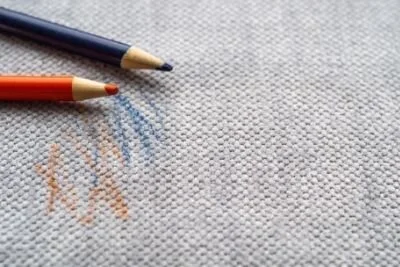
After having our furniture for many years, it can be easy not to notice when they need a little maintenance. There are times when your furniture is too far gone to be salvaged, but typically the easiest and cheapest option is to reupholster it. Stains and smells are just two of the main signs your furniture needs to be reupholstered, and it’s something you need to consider when redecorating.
After having our furniture for many years, it can be easy not to notice when they need a little maintenance. There are times when your furniture is too far gone to be salvaged, but typically the easiest and cheapest option is to reupholster it. Stains and smells are just two of the main signs your furniture needs to be reupholstered, and it’s something you need to consider when redecorating.
Odor
The fabric of furniture tends to hold onto smells for a very long time. The smells can be transferred over the years without us noticing, and these odors can come from people or pets sitting on the couch. There’s not much we can do to prevent smells from attaching to the furniture other than replacing the fabric.
Visible Stains
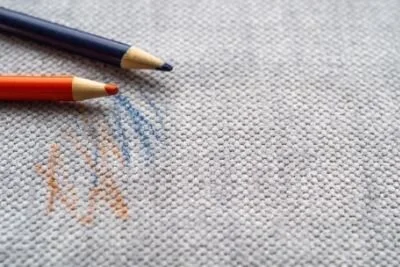
Some stains can be removed before they permanently set into the fabric; other stains are a little harder to remove. Over the course of its life, a piece of furniture will be subject to all kinds of spillages, from adults, to kids, and even pets. Some stains can blend into the fabric, so giving the couch a good once over to find any hidden stains is a good idea.
Damaged Fabric
The most obvious sign that your furniture needs to be reupholstered is if the fabric itself is visibly damaged. The fabric is coming apart, has been torn due to an accident, or a pet accidentally clawed it too hard—these are all common occurrences over the years.
Check To See If It Can Handle Reupholstery
The final task on your checklist for refurbishing your furniture is to inspect if it’s even suitable to fix in the first place. Depending on the age or the quality of construction, it may not be worth reupholstering to begin with.
Check the Sturdiness
Grab each arm of your sofa and give it a few good shakes back and forth. If it is constructed well, then it won’t feel lose or shaky. But if it does feel wobbly, then its construction may be of lower quality and may not be worth saving.
Check the Frame
A quality couch frame will be built out of hardwood, and there are a few ways to check if you can’t see the wood inside. Take off the cushions and lift the couch. If it’s heavy, then there is a good chance it’s constructed out of hardwood or another quality material.
Longevity of Your Furniture
A piece of furniture can still be of high quality—it just needs a quick switch of fabric. And reupholstery doesn’t have to be an expensive investment; it can be something you do yourself. If you decide to remodel it yourself, keep some reupholstery tips in mind.

