

A resource for those seeking information on organizing and transforming spaces.

How to stay organized when unpacking your new home
Arriving in a new home is a fantastic feeling. Everything is new but ready for you to make it your own. However, settling in is a process. It takes time and effort, and it’s something you can’t do overnight. Still, just because the whole ordeal is demanding, it doesn’t mean it has to be hard. If you stay organized when unpacking and use proper home organization techniques, you’ll settle into your new home in no tim
We partnered with a home improvement firm for this post. The opinions in the post are honest. All reviews and opinions expressed in this post are based on our personal views. We are excited because we know you will love it.
Arriving in a new home is a fantastic feeling. Everything is new but ready for you to make it your own. However, settling in is a process. It takes time and effort, and it’s something you can’t do overnight. Still, just because the whole ordeal is demanding, it doesn’t mean it has to be hard. If you stay organized when unpacking and use proper home organization techniques, you’ll settle into your new home in no time.
Prerequisites for organized and easy unpacking

To stay organized when unpacking, it’s essential to be organized before unpacking. And we mean way before. Ideally, you want to think about settling in during the early stages of your relocation.
Here are the factors that will impact smooth unpacking:
Your choice of movers;
Whether or not you make an inventory list;
Efficient decluttering;
Propper packing and labeling of moving boxes.
If you do a good job handling these tasks, you’re looking at swift and easy unpacking.
Having great movers can make all the difference
Your choice of movers will define your relocation experience. Trained professionals can make your life so much easier. They can help you with every moving task, from planning to unpacking. Therefore, having them by your side is something you should definitely consider, especially if you’re moving long-distance or interstate.
For instance, let’s say you’re moving to Connecticut from Florida. That’s almost 20 hours by plane. 44 if you decide to make it a road trip. After such a long journey, you’ll want to jump right back into a familiar routine. Reputable movers can immensely speed up this process. They’ll take the most difficult and tedious tasks upon themselves. Hence, you can focus on enjoying your new life. So, when you research interstate moving companies, don’t just pick the cheapest one. Instead, choose the best option – a team that will guide you through the process and cater to all your needs.
An inventory list will help you keep track of your belongings

Taking inventory is something no one looks forward to. It’s tedious, it’s boring, and it takes a lot of time. Still, it is something that will help you stay organized when unpacking. An inventory list doubles up as a checklist. Therefore, you will have a perfect way to verify if all your things are present and accounted for when you finish unpacking.
Decluttering has many benefits
This one is pretty obvious. The fewer things you have – the less time you’ll spend unpacking. So don’t avoid this part of the process. Take the time to declutter and get rid of unnecessary belongings. Not only will you make unpacking faster – you’ll significantly cut the cost of the relocation.
Propper packing = easy unpacking
Packing is much more than stuffing things in boxes and taping them shut. This part of the moving process will define whether you unpack in days or months. With that said, three crucial things to be mindful of are:
Do not overfill the boxes. This will make them hard to move and can lead to injuries. Furthermore, it can compromise their integrity, leading to damage to your belongings during transport or loading/unloading.
Do not mix things from different rooms. Dedicate each box to a single area of your house only. This will allow for focused and, thus, quick unpacking.
Take the time to label the boxes. It will let you avoid rummaging to find things you need. Ideally, you want to list the contents in the label. But, if you don’t have time, at least mark up the room where the box belongs.
Onward to unpacking!
Now that you took care of all the prerequisites, it will be all too easy to stay organized when unpacking. But there’s still room for improvement. You can make unpacking even easier and faster with the guidelines below.
Children are the priority

The hectic environment of moving can be taxing on your little ones, especially for toddlers and pre-teens. Their needs take precedence above everything else. Therefore, set up the nursery and/or their room immediately upon arrival.
If they are old enough to unpack themselves, it’s excellent to encourage them to do so. That way, they will feel included and have the opportunity to make the place their own.
Lastly, it’s a great idea to have something to keep them occupied, too. So, if they love cartoons (what kid doesn’t?), be sure to plug in the TV and cable. It will keep them entertained and out of the way while you unpack.
Set up essential areas first
You want to make your home functional ASAP. Getting back into the familiar routine is excellent to help you accommodate to the new environment. With that said, the best thing you can do is make essential areas available for living. This includes the kitchen, bathroom, and bedroom.
#1 Kitchen
Even pizza gets boring if you’re having it for breakfast, lunch, and dinner every day for a week. Therefore, make sure to secure at least the basic functionality of your kitchen. It doesn’t have to be perfect or to look nice. You’ll get to that. But make basic utensils readily available, as well as essential appliances, because nothing says “home” as a warm, home-cooked meal.
#2 Bathroom
The good thing about the bathroom is that you’ll spend the least time unpacking it. It’s practically functional the moment you arrive. All it takes is some finesse to be ready for use. Shower curtains, towels, hygiene products, and you’re good to go. Later down the line, you’ll make your bathroom both stylish and functional to the maximum. For now, it’s enough that you can take a long, relaxing shower after a long day.
#3 Bedroom
Settling in is an arduous process. You need to be well-rested to take care of it efficiently. Therefore, the bedroom should be one of your top priorities. So, have your movers assemble the bed upon delivery. That way, all you need to do is break out the linens and have a revitalizing shuteye after daily chores.
#4 Living room

The living room is the centerpiece of your home and one where you’ll spend the most time. That’s why it’s next on our list. Your primary focus here is to make it available for some much-needed R&R. So, stage the furniture, and plug in the TV and sound system. When you have a place to take a break, you can move on to finesse and choosing decorating aesthetics.
#5 Home office
In the wake of the ongoing pandemic, a lot of people switched to working from home. If you are one of them, you should set up your home office next. Sure, getting back to work is not a relaxing activity. However, it is an essential part of your daily routine. It will help you get a sense of normalcy in a hectic environment and slide right back into everyday life.
Your new life can begin
As you can see, it’s not too difficult to stay organized while unpacking your new home. With proper preparation and a good plan, you’ll settle in virtually without effort. Of course, there’s more work to be done. But once you’re functioning unobstructed, the pieces will fall into place on their own.

6 Creative Ways to Store Your Pup’s Food And Treats
Dogs have been man's best friend since time immemorial. They offer great companionship, and we even consider them as a part of the family. Dogs go as far as being therapeutic, as some are even used to brighten up sick patients' moods. Having these furry friends means figuring out how to share a living space with them. And this also translates to storing their food and treats. Devising creative, even Pinterest worthy-ways to store your dog's food goes a long way to feeling good about your space and your dog while ensuring the freshness of your dog’s food

Dogs have been man's best friend since time immemorial. They offer great companionship, and we even consider them as a part of the family. Dogs go as far as being therapeutic, as some are even used to brighten up sick patients' moods. Having these furry friends means figuring out how to share a living space with them. And this also translates to storing their food and treats. Devising creative, even Pinterest worthy-ways to store your dog's food goes a long way to feeling good about your space and your dog while ensuring the freshness of your dog’s food.
Personalized metal milk bucket
This is for the folks who are leaning more on the side of having an industrial look in the houses. Having a metal milking bucket with a bit of stencil work for labeling as a form of storing your dog's food works well because the metal ensures the food stays fresh and crispy while maintaining a posh look for a simple thing such as storing dog food. This method is not expensive which works well on a low budget. You can choose to pour the dog food directly into the metal bucket or have it in its original packaging.
Wicker laundry baskets
Now here's a creative way to store food without making it too obvious a destination for dog food. You can have it in the kitchen, hallway, or even pantry, and it would work as a great addition to the interior décor while helping to maintain the cluster of having dog food packets and feeding bowls lying around. This is such a simple yet sophisticated look for your home and your pet's food.
Plastic storage containers
These are those simple plastic drawers that you can use for storing things around the house, such as old magazines or organizing any bundles of heaps like toys in the house. Most of them are stackable, offering options to store more than one type of food and being transparent gives you a nice view of what is inside. They also work well for storing dog food. You can go the extra mile with some do-it-yourself artwork using sticky labels and stickers of little doggy bones for aesthetics.
Furniture units
This comprises of little custom-made furniture specifically for storing your dog's food. The furniture can double up as decoration around the house and still serve as your dog's feeding companion. These small furniture units work best if you don’t want your pup’s food to be visible around the house, especially when you have visitors around. Saving on space, most of them come with a storage compartment where the dog food is stored and both a feeding and watering bowl at the top.
Fixed up metal tins
There are always some metal tins lying around the house waiting for us to figure out how to put them to fair use. And here come our furry friends and their foods, and voila, we have storage tins. Upcycling these storage tins sends us to an arts and crafts space, all for our canine buddies. A little bit of spray paint here and stencil there, some more stickers and the old metal tins are transformed into creative boxes to put our dog’s food. These metal tins can be stacked, which makes them more appealing and saves you some space.
Do it yourself mason jars
Here’s another posh style for storing dog food. Having more than one mason jar to store your dog's biscuits, treats and kibble makes it easy to know what food to feed your dog and when. Color coordinating the jars using different colored lids and creatively personalized figurines on the lids adds more glamour to such a simple storage idea. It is such a lovely and thoughtful way to showcase your dog’s space owing to the multi-colored figurines, and it is also an easy do that requires minimal effort for a beautiful end product. Another upside to mason jars is the fact that they can last quite a while with proper care, and they ensure your dog's food remains fresh and crunchy.
How To Build a Household Emergency Kit
The most important rule of thumb in life is “be ready for anything.” Here’s how to build a household emergency kit to be ready for everything!

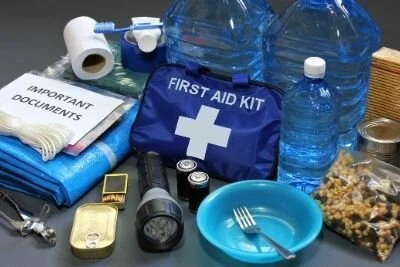
Stuff happens. Whether it’s a minor fire in the kitchen or a full-blown disaster in your community, you need to be ready to react to danger and either tackle it yourself or prepare for the worst. Here's how to build a household emergency kit containing items that can help make the bad times a little easier to handle.
Water Supply
We take water for granted, expecting it to pour out whenever we turn a handle. But what if it wasn’t that easy? Droughts, tornadoes, and other disasters can stem the water supply or make it undrinkable. Just in case, store a three-day supply of water somewhere in your home that’s cool and dry. Food-grade containers, in 55-gallon drums and other sizes, are the best because they don’t transfer toxic materials to the water. You’ll need a gallon of water per person per day for drinking and sanitation. You shouldn’t store tap water for more than six months before changing it.
Food Supply
Put aside a three-day supply of non-perishable food including canned meats, canned fruits and vegetables, canned chili, peanut butter, jellies and jams, dry or canned soup, fruit and protein bars, granola and cereals, and baby food (if necessary). Avoid foods that can spoil or cause thirst. Check cans for damage or corrosion and replace them. Also, if you must leave your home, canned goods provide their own “pots” for cooking over a fire.
First Aid Kit
Always an indispensable tool—from minor cuts to greater injuries—as long as you remember to keep it stocked. Also, a portable kit with a shoulder strap is easier to grab and go than a slick plastic box with no handle. You could make your own kit, but premade ones are available at reasonable prices. The Red Cross sells one containing necessities like aspirin, disinfecting wipes and antibiotic ointments, gauze pads, tape, an emergency blanket, a CPR kit, bandages in all shapes and sizes, and vinyl gloves, among other equipment.
Basic Tools and Comforts
A 10-in-1 multipurpose tool is an invaluable and portable way to be ready for anything. Small battery-operated radios will keep you updated on the news while flashlights keep you safe in the dark (bring extra batteries for both). Paper maps beat apps when the power goes out and you need to find a safe place to stay. Wet wipes are good for everyone’s basic sanitation and hygiene, but don’t forget to pack for specific individuals with certain needs (medication, syringes, eyeglasses, and so on).
Get the Car Ready To Go
When learning how to build a household emergency kit, don’t forget your car. In an emergency, your car won’t just be your transportation; it may serve as your temporary home/headquarters. Ensure it gets regular checkups, keep it filled with gas and topped off with fluids, and pack a car emergency kit along with an empty gas can, water container, and any other tools you might need on the road.
Shaker Kitchens: A Timeless Trend
Combining sleek elegance and functional simplicity, Shaker style kitchens have stood the test of time for over two centuries. An emphasis on quality craftsmanship and classic style cements these kitchens as a firm favorite among kitchen designers. In our latest article, we take a closer look at the Shaker kitchen trend and what makes it so enduring.

Combining sleek elegance and functional simplicity, Shaker style kitchens have stood the test of time for over two centuries. An emphasis on quality craftsmanship and classic style cements these kitchens as a firm favorite among kitchen designers. In our latest article, we take a closer look at the Shaker kitchen trend and what makes it so enduring.
A History of Shaker Style
The Shaker style originated in the mid 18th century. Its creators were a small religious sect which emerged from the Quakers. The group, known to many as ‘Shakers’ prized honesty, simplicity and utility as core values amongst their community. Many embraced communal living and self sufficient practices, growing their own food and making their own furniture.
‘Beauty Rests on Utility
A popular Shaker maxim, ‘beauty rests on utility’ depicts the Shaker belief that simple is stylish. And that too much adornment is a show of ‘pride’. Instead of lavish ornamentation, Shakers focused on function and the belief that all things should hold a purpose. Their lifestyle avoided unnecessary waste. Off cuts of wood would be used for kindling or making matches.
Shaker Signature Style: Shaker Cabinets
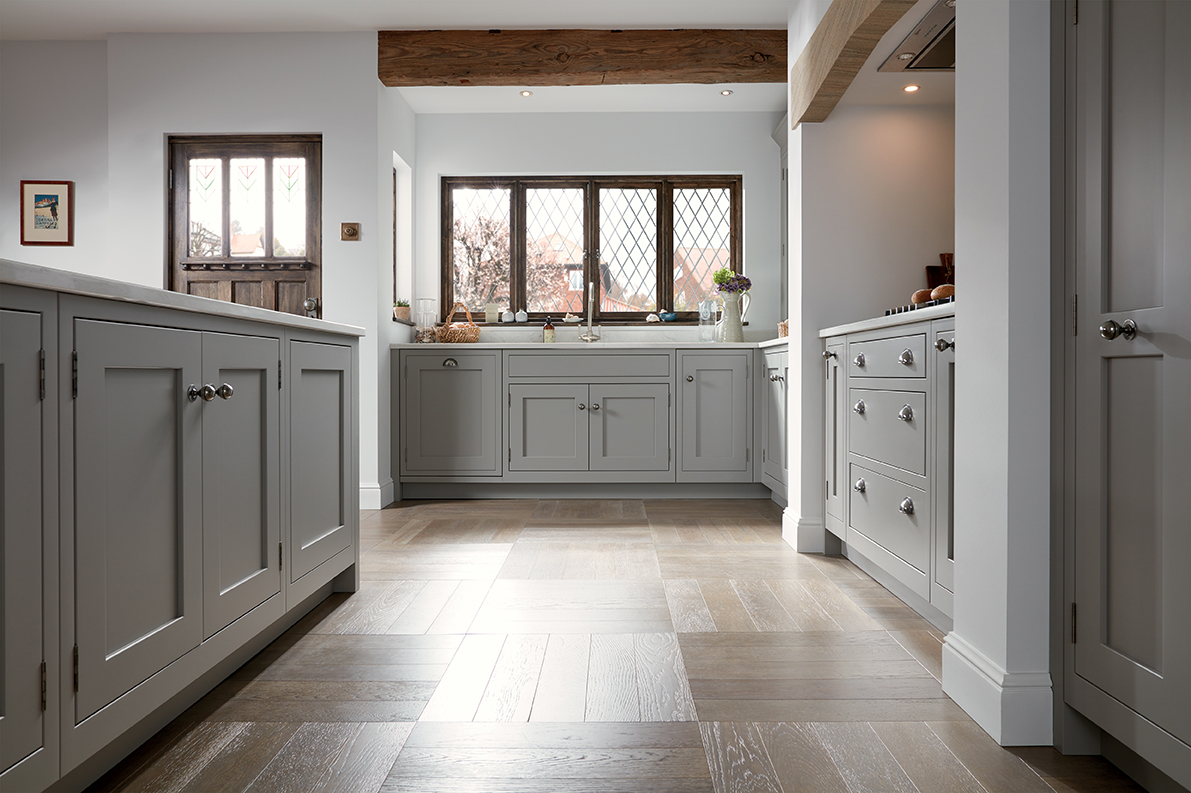
Perhaps the most well known element of Shaker style is their cabinets. Renowned for their solid, well built cabinets, in particular their doors, these are a key feature in any Shaker kitchen.
Shaker style cabinet doors will typically comprise a square frame, with panels and rails. Made from robust, locally sourced wood, they are truly built to last.
Rather than importing wood for their cabinets, Shakers opted for locally sourced materials, preferring woods such as cherry, oak and maple. These woods have the added benefit of the grain showing through paint layers to give that traditional look.
While the Shakers were known for their love of function and simplicity, their choice in color schemes was certainly not lacking in aesthetic appeal. The original Shaker kitchens used primary colors such as red, yellow, green or blue. Shakers used natural plants and dyes to mix their palettes, which created beautiful naturally inspired tones, providing a welcome contrast to the traditional plain white walls.
The Importance of Storage
With their desire for function came the importance of adequate storage. They believed that space should be uncluttered (a common theme in modern day minimalism design trends), with everything in its place. Within Shaker design you will find plenty of functional storage. Tables with drawers for cutlery, peg hooks or rails for displaying utensils, dried herbs and cookware and large dressers all feature. In modern day Shaker kitchens, designers use kitchen islands to provide additional storage.
The beauty of the Shaker style kitchen is that it is perfect for both period and modern style properties. The sleek, modern minimalism reminiscent of the contemporary kitchen combined with traditional values and natural materials is the ideal mix. If you are a lover of minimalist or Scandinavian style design, both of these have been heavily influenced by Shaker style.
Key Elements of a Shaker Kitchen
Neutral Colors
To start with, a Shaker kitchen needs a neutral color base on which to build. Most designers prefer classic or warm white, as it perfectly complements the overall style and makes the most of natural light. However, others have been known to opt for darker colors such as navy for their kitchen backdrop.
Sturdy Cabinets
At center stage should be solid timber cabinets, with the classic Shaker style structure. Oak is a sturdy, reliable wood that will stand the test of time, while acting as a perfect base for your chosen color scheme.
Color Contrast
Many Shakers chose to leave their cabinets unpainted, instead just oiling them. However, if you desire a little more color, be sure to pick a contrasting shade to your white walls. Opt for earthy tones, like the Shakers themselves. Alternatively, go bold with a darker, more dramatic shade. Deep navy and forest green are popular seasonal color trends.
Natural Materials
When it comes to worktops, solid, natural materials are best. Stone, marble or granite are all popular choices. While another stylish option is wood such as oak or walnut.
Simple living and beauty in functionality. Shaker style is sophisticated and timeless - built to last.

