

A resource for those seeking information on organizing and transforming spaces.

Installing a Pool This Spring? 4 Design Ideas to Consider
You’ve made the decision to add a swimming pool. A pool will increase the value of your home or business in many ways. Here are four different design options to help you decide which pool is best.

You’ve made the decision to add a swimming pool. A pool will increase the value of your home or business in many ways. Here are four different design options to help you decide which pool is best.
Above Ground Pool
The first type of pool is the above ground pool. As its name suggests, it sits on top of the ground. On the pro side, this type of pool is less complicated and less costly to install. On the con side, above ground pools don’t always have the durability or overall visual appeal of a quality in-ground installation.
Types of In-Ground Pool Designs
The next and most diverse category of pool installation is the in-ground pool. There are three major types of in-ground swimming pools. Your new in-ground pool can have a flexible vinyl liner. It can also have a rigid fiberglass liner, or it can be constructed from concrete.
Frameless Glass Pool Fencing
As you decide which type of pool you want to install, it’s important to consider your fencing requirements. A professionally designed and installed fence gives you an unchallenged sense of safety and security while adding to the overall appeal of your entire pool area. There are many design choices when it comes to pool fencing. One of the most durable and beautiful is frameless glass pool fencing. This style of pool fencing provides you with excellent safety and security while allowing you to preserve and enjoy the unbroken design of your pool and surrounding landscape. Frameless glass pool fencing can also be designed to accommodate a wide variety of pool shapes and sizes.
Vinyl Liner Pool
An in-ground pool can be installed with a flexible vinyl liner. The main pro of the vinyl liner is the variety of designs available for the pool. The flexible vinyl can be constructed to fit almost any design. The con of the vinyl liner is durability. A vinyl liner can be torn, requiring repair. Also, any vinyl liner will eventually need to be replaced.
Fiberglass Liner Pool
An in-ground pool can also have a rigid fiberglass liner. The pros of a fiberglass liner are ease of cleaning and durability. The cons of the fiberglass lined pool are that it is generally more expensive than a vinyl lined pool and has fewer design options.
Cement Pool
The fourth style of pool design is the cement pool. This style of pool has the pros of being open to almost any design concept and also extremely durable. It has the cons of being more expensive to install and if needed, repaired.
So if you’re thinking of installing a pool this spring, consider these four different designs. Whichever design you choose, enjoy your beautiful addition to your home.
Household Items You Need To Replace
There are some parts of our homes that we think are invincible, but in reality, they're not. Let's check out some household items you need to replace.

You might be surprised to learn that certain household items are less durable and permanent than you originally thought. We tend to think our home's windows, the fireplace, and even our furnace are invincible, but they can wear down and become less effective over time, leading to inefficiency, higher bills, and damage. To improve your home's safety and function, it's a good idea to look through this list of household items you need to replace and swap out any out-of-date fixtures and items in your home as necessary.
Smoke and Carbon Monoxide Detectors
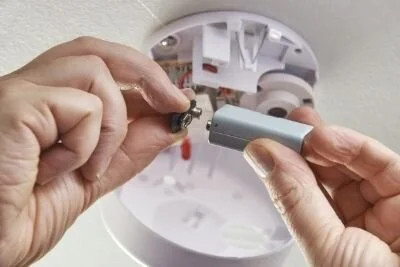
We might not think much of our home's smoke and carbon monoxide detectors, but they're invaluable features. They're designed to keep us safe in case the unthinkable happens. A smoke detector will last up to ten years, and a carbon monoxide detector will last up to seven. Having a working smoke detector will increase your house fire survival chances by 50 percent, according to the National Fire Protection Association (NFPA). Even if you don’t need to replace your detectors, you might want to inspect and replace their batteries on an annual basis.
Fire Extinguisher
Your fire extinguishers have a shelf life. A rechargeable fire extinguisher will last up to six years, and a disposable fire extinguisher will last up to twelve. You should check your fire extinguisher's pressure gauges monthly to ensure they're still charged or full, and recharge or replace them as necessary.
Baseboard Heater Cover
A well-designed and well-maintained baseboard cover can last you a lifetime, but less durable models might wear out sooner. On average, a baseboard cover will last around twenty years. When you're picking out a new cover, you'll want to pick out the right size and make sure to remove and replace the existing cover correctly.
Air Conditioner
Another household item you need to replace is your air conditioner. Your air conditioning unit will start to wear down over time, with the average unit lasting anywhere from eight to ten years. Regular maintenance can help prolong its lifespan, but eventually, you'll need to replace it. If you're experiencing humidity issues, temperature fluctuations, or excessive noise signals, the source could be an air conditioner that's on its last legs.
Windows
Depending on the manufacturer, vinyl windows can last twenty-five years or longer. If you notice minor leaks around the window, you can repair them with caulk or weather-stripping. A rotted frame or broken seal, on the other hand, are signs that you should have your windows replaced.
Guest Post - 5 Factors to Consider Before Starting a Home Remodeling Project
Thinking about embarking upon a home remodeling project can be so exciting! Whether it's turning an unfinished basement into a home movie theater, transforming an outdated bathroom, or renovating a kitchen, home remodeling can add extra comfort and usability to your living space.
But remember, remodeling projects can often go awry or way over budget, so before you start, be sure to consider these five factors. Understanding these now can save you time, money, and stress later on.

Thinking about embarking upon a home remodeling project can be so exciting! Whether it's turning an unfinished basement into a home movie theater, transforming an outdated bathroom, or renovating a kitchen, home remodeling can add extra comfort and usability to your living space.
But remember, remodeling projects can often go awry or way over budget, so before you start, be sure to consider these five factors. Understanding these now can save you time, money, and stress later on.
1. Will Your Home Remodeling Project Be a Sound Investment?
There's no doubt that remodeling projects often add a touch of beauty and glamour to your home, but even the smallest of projects could have a large price tag. Will the cost of what you'd like to have fit within your current budget? It'll be hard to enjoy the new space if you're worried about paying off your loan or credit card bills. Also, consider your home's current value and the value of the homes in your neighborhood. If you're remodeling because you'd like to put your home up for sale soon, this information will be helpful since you may not want to spend money on a remodeling project if it doesn't increase the property's value.
2. Consider the Timing and Space
Before moving forward with a home remodeling project, you need to make sure you have sufficient space for what you'd like to accomplish. For example, if you want to transform your basement into an in-law’s apartment, you first need to make sure there is ample space for a family member to live comfortably.
Timing your remodeling project is also an important factor. Depending on where you live and the nature of the project, some work may depend on the weather and the season. Outdoor projects such as building a deck or a garage may need to be done during a warm and dry time of the year.
3. Set a Realistic Timeline
Be sure to allocate ample time for every step of your remodeling project. The fact is that for nearly every large-scale project, you will likely come up against at least one unexpected delay. Delay-causing events can range from discovering unknown structural problems with your house to delays in shipping for appliances to unpredictable, lousy weather.
Some time may also need to be spent moving displaced furniture or belongings. Dealing with these problems is made easier with the use of units at a long and short-term storage facility (depending on the duration of your work). Rather than cluttering up other rooms for weeks or months, moving those items into a climate and access-controlled space can make life easier for everyone in your home.
4. Understand the Work that Happens Before the Remodeling Process
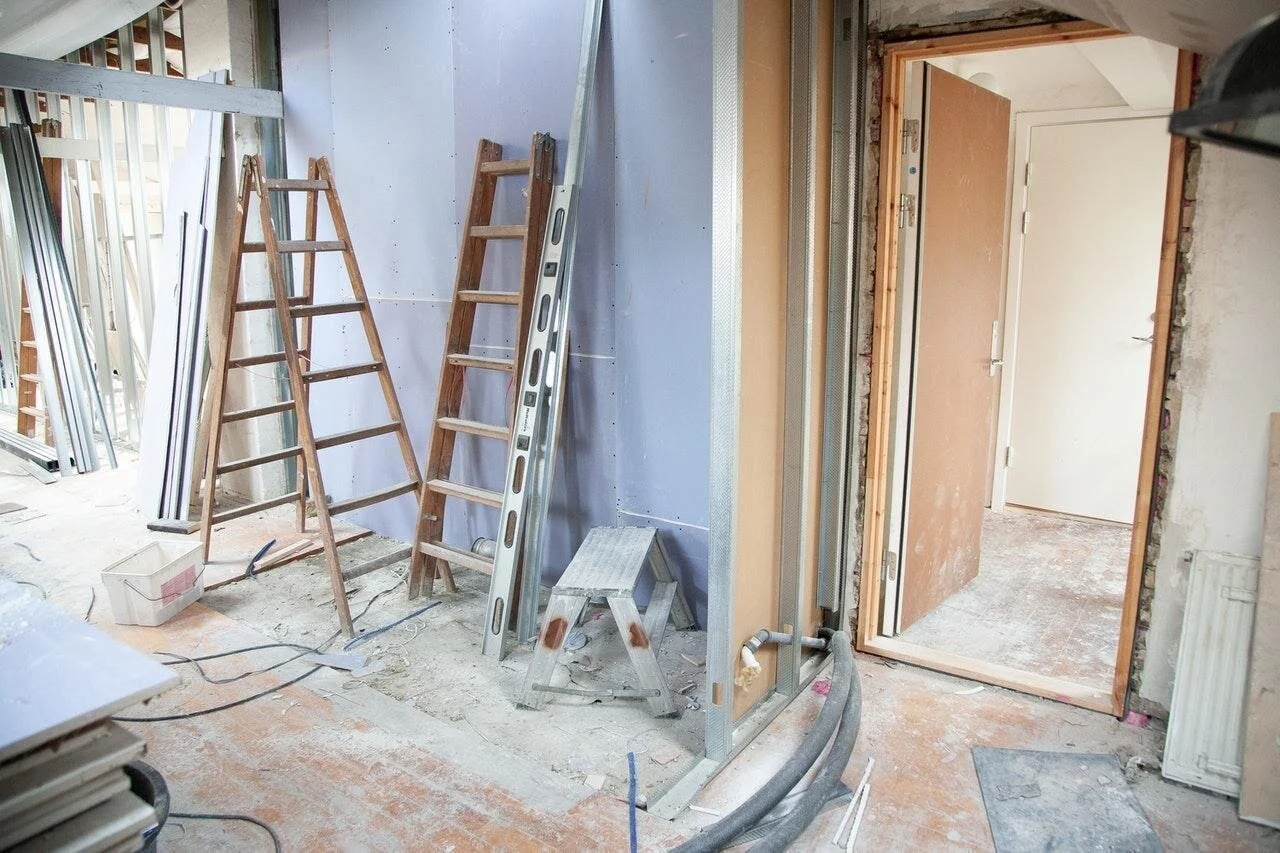
Before the contractors and remodeling professionals (if you’re outsourcing labor) start to work, you'll need to make sure the space being remodeled is ready for them. As you’re packing up belongings and small items, use the time to declutter and get rid of things you haven't thought about or used in years. Donate items that are in good condition to a local charity for those in need. Items that can't be donated can be recycled or put out with the trash.
You'll also want to do some research and understand what types of building permits and inspections your city or town requires. Laws differ from one municipality to the next, but typically, more extensive projects such as building an addition, garage, or installing a new HVAC system will require a permit. Smaller remodeling jobs such as painting interior rooms, or changing fixtures and appliances do not. Your local permit office will be able to tell you what is required.
5. Take the Time to Contract Reputable Remodeling Experts and Quality Building Suppliers
Nothing can ruin remodeling plans faster than fly-by-night contractors or poor-quality building supplies. Take the time to ask friends and co-workers for references for reputable remodeling experts in your local area. Interview several different companies before making a decision. Evaluate each on qualities such as the satisfaction of previous customers, how they will communicate with you, and the clarity of their explanations. Look at photos of remodeling projects that have been completed in the past to identify their level of craftsmanship and get their feedback on your budget for the project. You want to make sure you have 100% trust and confidence in the team you hire.
When it comes to your project's building supplies, fixtures, and appliances, you also want to invest in the best quality that your budget will allow for. Ensure you or your contractor source all materials from vendors that sell products meeting the highest quality standards. Also, be aware of your state's warranty regulations for all purchased goods. These laws vary, but they'll offer you a certain degree of protection in the event something malfunctions or breaks through no fault of your own.
Finally, if your remodeling project is substantial and will involve multiple contractors, workers, and interior designers coming to your home, you may want to consider purchasing and installing a key lockbox or "smart" door hardware. This way, you don't have to wait at home to let every person in and out of your house whenever they come by to work.
Starting a home remodeling project can be a fantastic way to freshen up a tired or outdated living space. When you take the time to plan your project, you'll be prepared for every step of the process. In no time at all, you'll be enjoying your new space – and thinking about the next project you want to tackle.
About the Author: Carolyn Mitchell is a freelance writer and content strategist with a passion for home décor and maintenance. She can often be found re-painting and updating the furnishings in her home, and she is also a dedicated cat mom to two adorable kitties.

How to Clean up the Exterior of Your Home in 4 Simple Steps
The cleanliness of your home is the first impression that people have about you. You need a clean exterior that consists of the siding, windows and roof. You can do the cleaning yourself by following these four simple steps.
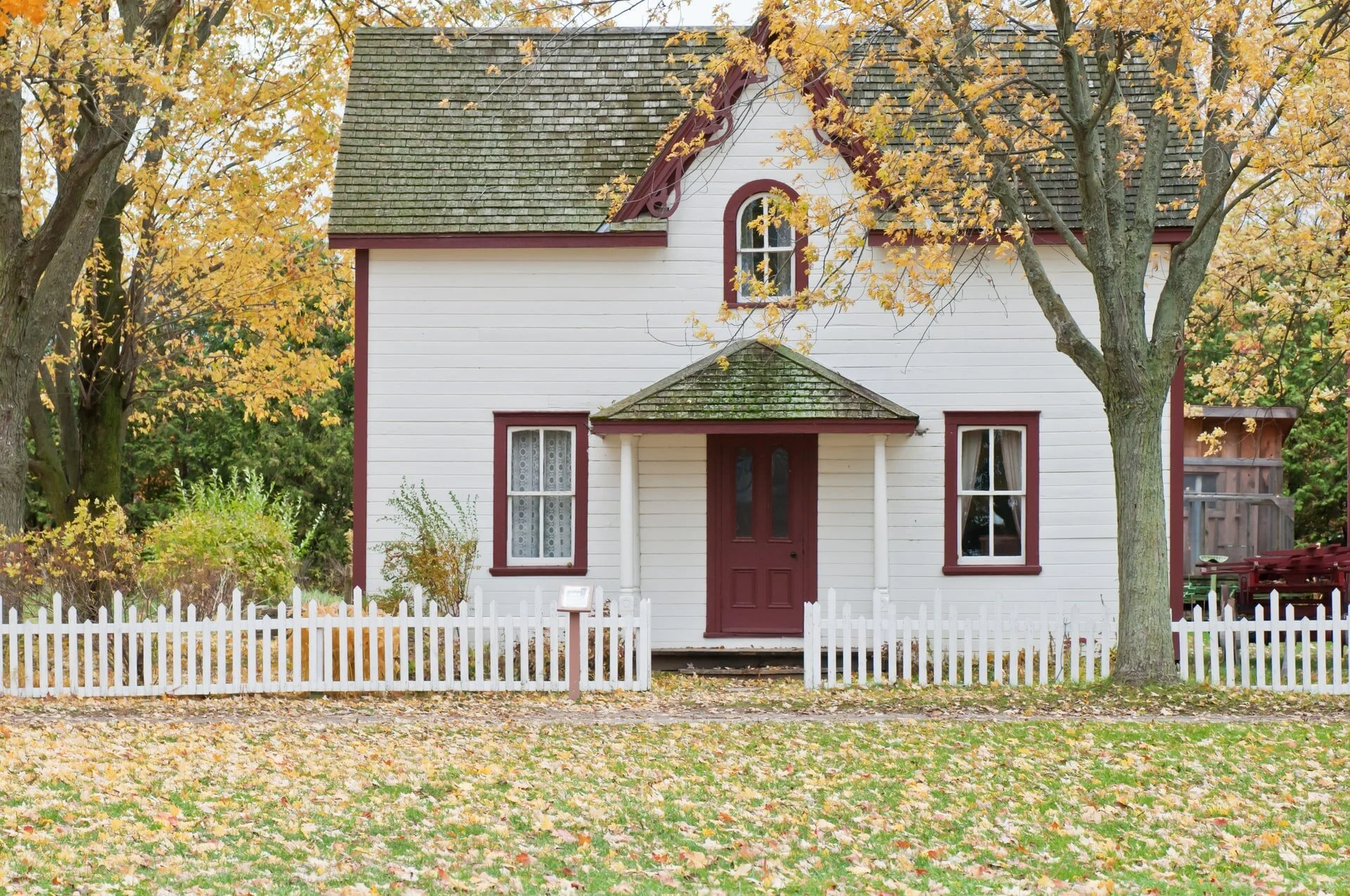
The cleanliness of your home is the first impression that people have about you. You need a clean exterior that consists of the siding, windows and roof. You can do the cleaning yourself by following these four simple steps.
Choose the Right Pressure Washer
A pressure washer varies by the level of speed and water pressure. Choose the right features based on the strength and intensity of the cleaning. A low pressure is needed to clean small items like a car or furniture. Increase the pressure to 2,400 psi or more to clean a large area like a patio or driveway or to remove tough stains on siding.
Choose the Soap
There are detergents that are designed for power washing all surfaces from vehicles to buildings. Lather combined with water helps to remove the toughest stains and leave the area disinfected. You have numerous choices, such as multipurpose cleaners, concentrate solutions, house and deck cleaners and vehicle detergents. Some people claim that mixing bleach with dishwasher soap is equally effective. It's recommended that you use oxygen bleach that is weaker than chlorine bleach, which is damaging to colors and destructive to plants.
Determine the Extent of Coverage to Clean
Every homeowner has different areas of coverage to worry about. You may want to clean one side of the house, both sides or the patio only. Consider the different areas that you need cleaned in the front and back yards. There is the siding, roof, windows and patio along with the driveway and walkways.
Clean the Worst Stains First
Every home exterior has openings where dirt and debris settle in without coming back out. Start by power washing the siding, and continue to the windows where stains are most visible. Then, look for other parts of the exterior where stains are seen from afar or up close. An effective method is to rinse the area first, scrub the stains off with a brush and then rinse again.
Like many people, you're tired of looking at the dull, filthy covering of your home when you approach the driveway. Taking one look at a clean exterior is a relief from seeing the typical buildup of dirt, mildew and debris. When you set out to clean the home yourself, know there are proper tools and techniques that all professional house cleaners use.

