

A resource for those seeking information on organizing and transforming spaces.

How to Create an Organized Multipurpose Space in Your Home
It seems that every home could use an extension, from compact studio apartments to sprawling suburban houses. The best way to do this is by creating a multipurpose space. Chances are, you already have a multipurpose space in your home. These spaces are not hard to make and might have been made accidentally, like adding a desk in the bedroom or a bookshelf to the dining room. But while multipurpose rooms are not difficult to create, they can be tricky to maintain, keep organized and tidy. And in time, these areas can become cluttered and, eventually, even slightly dysfunctional. But with these thoughtful tips and design strategies, you can create an organized multipurpose space in your home.
We partnered with a houseware company for this post. The opinions in the post are honest. All reviews and opinions expressed in this post are based on our personal views. We are excited because we know you will love it.

It seems that every home could use an extension, from compact studio apartments to sprawling suburban houses. The best way to do this is by creating a multipurpose space. Chances are, you already have a multipurpose space in your home. These spaces are not hard to make and might have been made accidentally, like adding a desk in the bedroom or a bookshelf to the dining room. But while multipurpose rooms are not difficult to create, they can be tricky to maintain, keep organized and tidy. And in time, these areas can become cluttered and, eventually, even slightly dysfunctional. But with these thoughtful tips and design strategies, you can create an organized multipurpose space in your home.
Take Advantage of Walls and Go Vertical
One of the easiest ways you can create an organized multipurpose space is to go vertical. Make use of your walls, adding design features that eliminate clutter and open up your floor’s square footage. For instance, you could install decorative shelf brackets along with open shelving, offering easy-to-reach items sorted by boxes or bookends.
Another way you can take advantage of vertical wall space is to install a sliding barn door, which offers lots of creative applications. It can act as a privacy screen between a larger multipurpose area or conceal a distracting wall-mounted television in a living room/home office combo. Plus, rolling door hardware is super easy to install and makes for a great DIY project.
It’s not just about mounting things to a wall, either. You can go vertical in many ways. For example, bunk beds in a child’s bedroom can open up the floor for a desk and additional storage for games, toys and sports equipment. The objective is to increase your square footage, which gives the illusion of a spacious room.
Use Versatile and Foldable Furniture
Whatever type of multipurpose room you have, you can find versatile and foldable furniture to save space. For instance, a sectional sofa and ottoman with built-in storage beneath a reversible tray top stores throws inside while family game night is in session.

Another way is to choose foldable furniture that can be neatly tucked away, freeing up floor space for other tasks. For instance, a folding table works quite nicely in a home office and gym combo, allowing you to neatly put it away as you roll out a mat for some yoga stretches or a light aerobic workout.
Ask yourself what in the space isn’t truly being used often. If you have a home office and guest room multipurpose room, but rarely any guests, swap out that queen bed for a sleeper sofa. This way, you’ll gain a more spacious office, plus a place for you or little ones to relax nearby. The same goes for studio apartments where the living and dining areas share the same room. If you take dinner on the couch and have the occasional formal dinner, find a drop-down dining table that you can prop up for special occasions. Even better? Let it double as a desk when you need to break out the laptop.
Don’t Overlook Those Corners
Too often, valuable corner space goes overlooked. Instead of allowing these niches to become dead space, take advantage of their out-of-the-way angles. For instance, this is the perfect placement for an L-shaped desk or corner armoire. Not only can these furniture elements utilize an otherwise overlooked corner, but they can increase storage and create a more organized multipurpose space.
Another excellent use for corners is a shelving unit, where you can showcase decor and mementos. Adding a few shelves, especially next to the window, can provide sunlight for indoor plants. And under the shelves, you can place a small accent chair or ottoman to offer a cozy place to rest. An adjustable wall-mounted television is also a nice addition to a corner space, allowing you to tilt it toward the general seating area. Kitchens with unused corner spaces offer many options, from creating a corner dining nook and banquette or a hanging wine bottle and stemware rack.
Keep the Space Clutter-Free with Ample Storage

Another way to create an organized multipurpose space is to create ample storage. Whether using vertical wall shelves or adding a cabinet armoire to keep items contained and out of sight, clutter should be contained. And keep in mind that your storage space doesn't have to take up a lot of room. It can be as simple as containers that hold cosmetic brushes, toothbrushes and cotton balls on the bathroom vanity. Or it can be a small rolling cart in a living room and home office space that doubles to store books, magazines and paperwork to go through as you watch TV with the family.
You can also keep a clutter-free multipurpose space by taking advantage of walk-in closets, laundry rooms and spare closets. Adding cabinetry shelving and hooks to these areas can keep everything in its place and offer the seamless appearance of wall-to-wall built-in furniture. You can also keep a space clutter-free by using under-bed storage. There are various under-bed storage containers that slip smoothly beneath a low bed frame like plastic bins to more attractive grass woven baskets.
Create a Uniform Style to Tie the Space Together
When designing a multipurpose space, you must use a few tricks to make it more cohesive and uniform so that you tie the two functional areas together. One trick, in particular, is the color scheme. To keep your multipurpose space from looking too busy, use a uniform color scheme in a light, bright hue. Think crisp whites and soft pale neutrals, keeping it cohesive and calming.
Also, make sure to create a more uniform space by incorporating similar textures and design elements. When you have a home office in a living room or bedroom, avoid making it resemble a sterile work cubicle and give it some life and personality. Drape a throw over an office chair and use desk decor that ties in with the coffee table display. You can also add a more stylish desk lamp that coordinates with the table lamps. Remember to blend these areas, not hide them away. You want your multipurpose space to feel homey and comfortable.
Whatever combination of multipurpose space you have in your home, creating organization––both physically and visually––can make the different areas and functions feel like one. Choosing designated spots and having a place for everything can ensure a more organized multipurpose space that will ultimately keep the areas clean and tidy.

How To Wabi-Sabi Your Apartment
The way you design your apartment can make an impact on your overall well-being. So, sometimes it’s necessary to change up your style and incorporate new things into your life and living space.
The way you design your apartment can make an impact on your overall well-being. So, sometimes it’s necessary to change up your style and incorporate new things into your life and living space.
To start, keeping your home clean, organized and clutter-free is essential to making positive changes in your life. Not only that, but it makes your apartment feel homey and stress-free. Next, try a style or practice that helps you keep your home clear and organized. You may have heard of practices such as feng shui and hygge, but have you heard of wabi-sabi?
Wabi-sabi is a term that merges two Japanese words and concepts that represent both an aesthetic and philosophy. On one hand, we have ‘wabi’ which alludes to nature, simplicity, rustic, and humility. On the other hand, we have ‘sabi’ which refers to longevity and the beauty that comes with age. When you put the two words together, you have a concept that is centered on the acceptance of transience and imperfection.
When it comes to decorating, wabi-sabi is the opposite of sleek and contemporary. It’s all about the beauty in imperfection. Check out these helpful tips to incorporate wabi-sabi in your apartment so you can achieve the beauty and appreciation this kind of space provides.
Use Organic Textures
The textures that you incorporate into your wabi-sabi design should be organic and inspired by nature. Organic textures include to incorporate into your design include:
Wood
Wool
Clay
Flax
Wicker
Make your own clay planter pots or carelessly drape your flax linens over your couch to create that wabi-sabi style for your apartment.
Incorporate Nature-Inspired Colors
Since ‘wabi’ alludes to nature, use colors that resemble nature like earthy tones and neutrals. Some colors to implement include black, brown, gray, green or cream since they are soothing and create a calming and natural ambiance. Essentially, you want to use any pared-down color that gives you a relaxing and content feeling.
Use One-of-a-Kind Decor
Since ‘sabi’ refers to the beauty that comes with age, incorporate furniture and decor that has a bit of character to it. This could be something weathered from a flea market or even a family heirloom that’s been passed down for generations. Whatever it may be, you’ll know it’s wabi-sabi if it has a story to tell.
Avoid Perfect Lines
In the case of a wabi-sabi apartment, the ‘careless’ look works really well. By that, we don’t mean it’s okay to have a dirty and cluttered apartment. We mean that avoiding sleek and perfect lines is encouraged. This can range from a slept in bed that wasn’t perfectly made or a pair of worn out boots by the door. This provides a healthy balance between function and form – giving your apartment that sense of living.
A wabi-sabi home emanates serenity while incorporating sentimentality at the same time. To help guide you create the perfect wabi-sabi apartment, check out ApartmentGuide’s infographic below.


4 Signs in the Wintertime That Something Is Wrong with Your Roof
During the cold winter months, your home’s roof is going to be especially important, and that is why it must remain well-maintained and damage-free. Luckily, there are a few key signs that you can keep an eye out for that might indicate that your roof needs to be repaired or replaced.
During the cold winter months, your home’s roof is going to be especially important, and that is why it must remain well-maintained and damage-free. Luckily, there are a few key signs that you can keep an eye out for that might indicate that your roof needs to be repaired or replaced.
Granules in Your Rain Gutters

After a heavy winter storm, you should take a look at your rain gutters to see if there are any granules. After the water drips off your roof, it could take some granules with it, and that is a clear sign that there might be some issues that need to be addressed. Asphalt shingles will often begin to lose their granules when they are getting older or have become damaged.
A Spike in Your Energy Bills
There are many different issues that could cause a spike in your heating bills, and that includes damage to your roof. If your roof has openings or some of the insulation isn’t adequate, then you might notice a huge spike in your gas or electric bills depending on how you heat your home. After you have checked your heating system, you should take a closer look at your roof to make sure that there isn’t any damage. You might also want to hire a professional roofing contractor to inspect your roof.
Uneven Temperatures Throughout Your Home
Uneven temperatures in various rooms throughout your home is another problem that you could run into if your roof is damaged. That type of damage could result in major temperature fluctuations if you have a larger home or a home with two stories. Luckily, a residential roofing company should be able to quickly track down and repair any damage to your roof so that your entire home remains at a consistent temperature.
Water Stains on the Inside of Your Home
When it comes to water damage inside your home, you can never be too careful. As soon as you notice any stains on the walls or ceiling, the source of the damage must be found immediately. When left unaddressed, openings and leaks will cause an incredible amount of damage and increase your risk of a mold outbreak.
Even if your roof is relatively new, you still need to ensure that it remains undamaged at all times. A small amount of roof damage can wreak havoc on your home, and no one wants to deal with major home projects and renovations during the coldest months of the year.
How to Mitigate Damage From Sunlight Inside Your Home
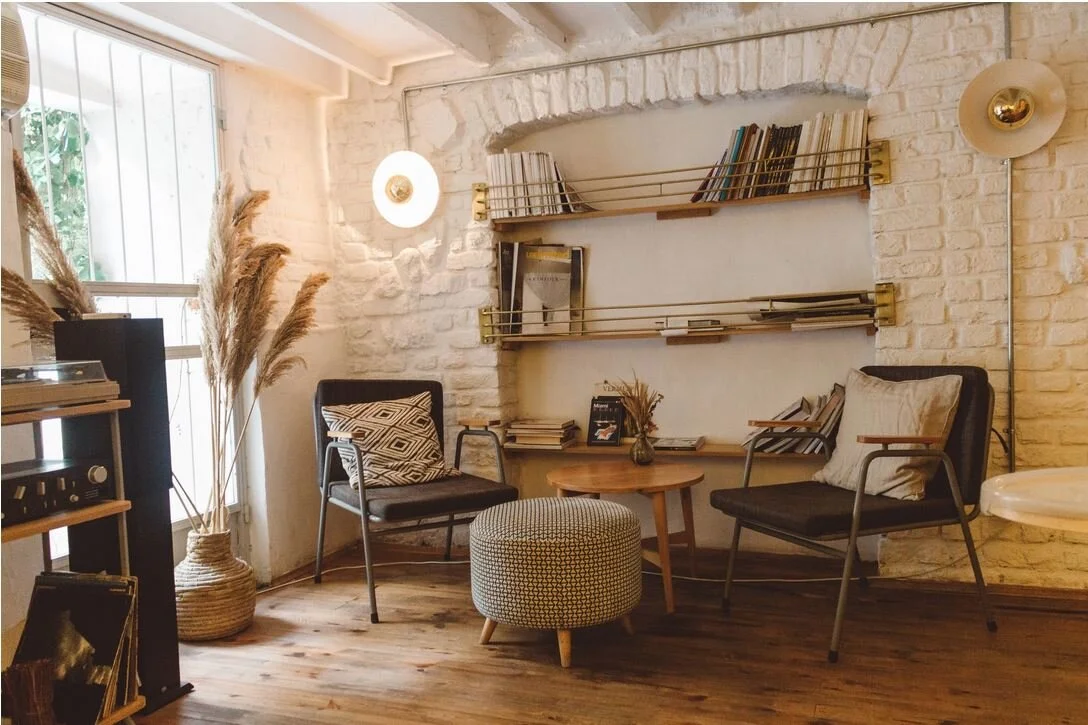
Sunshine can brighten and warm your home, but it can also damage carpets, drapes and furniture. To keep your belongings from getting sun-faded, you may need to be careful with the timing of when you open your window coverings. Buying UV resistant fabrics and coverings can also help. Finally, adding tint the exterior of your windows can keep heat out and avoid sun damage indoors.
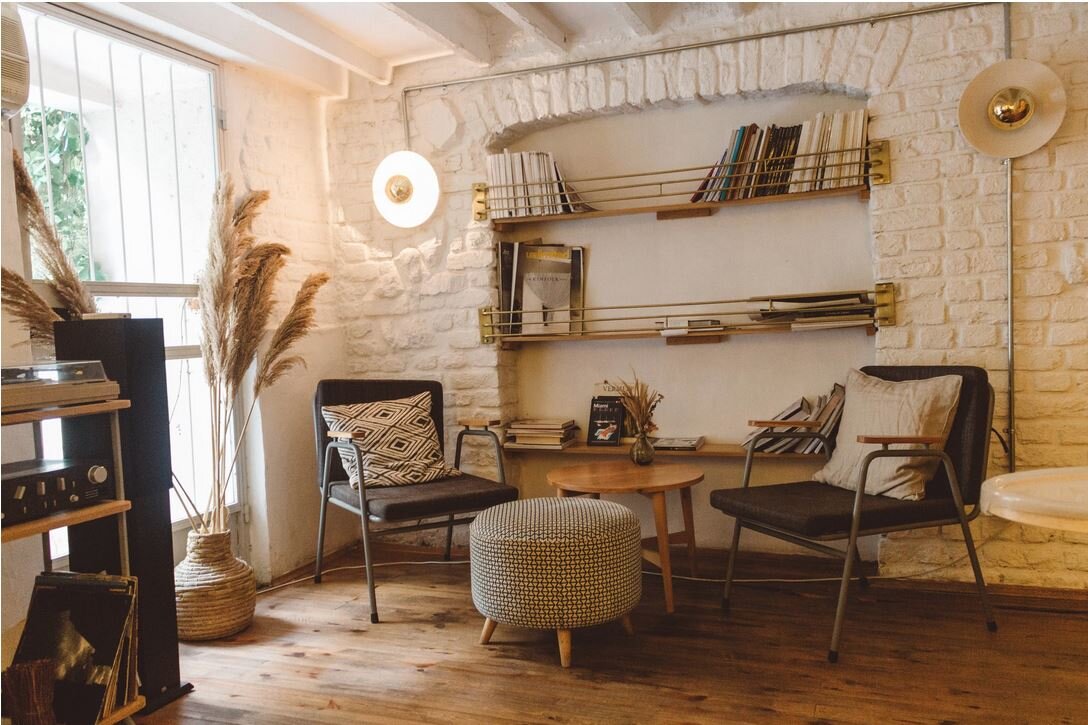
Sunshine can brighten and warm your home, but it can also damage carpets, drapes and furniture. To keep your belongings from getting sun-faded, you may need to be careful with the timing of when you open your window coverings. Buying UV resistant fabrics and coverings can also help. Finally, adding tint the exterior of your windows can keep heat out and avoid sun damage indoors.
Window Treatments: Inside
There are window treatments you can add both inside and out to prevent excess sunlight from damaging your belongings. For example, from the inside out, you can add faux wooden blinds inside the window frame for nearly complete coverage when that part of your home is in full sun. You can find these blinds in either a manual format or an automated blind that you could open and close on a timer or with a remote.
Window Treatments: Outside
Add a retractable awning outside your window or your patio is an easy way to keep your house from getting too warm and protect your furniture, carpet and interior curtains. Again, timing is critical. Depending on where you live, morning light can be a nice way to warm up your space. To reduce the risk of interior damage if you need the eastern light, consider adding window tinting to those windows in particular. You can keep the window treatments open, collect light, warm up the east side of your house, and still avoid UV damage to your fabrics and fibers.
Fiber Choices
If you find that features of your home have faded over time due to sun exposure, keep an eye out for sun resistant fibers when you upgrade. For example, look for a low-nap carpet to replace any sun-damaged products. The longer the yarn fiber, the greater the expanse of material that can be damaged by the sun. Another option if you’re carpeting a room designed to soak up the sun, such as a four season room, is to use peel and stick carpet tiles that you can swap out if you do notice any sun-fading.
Letting the sun warm your home in the wintertime is actually the oldest form of solar power. However, allowing your windows to let in as much sun as possible can damage fibers, particularly older fabrics and rugs. To protect your home on hot days, the addition of window tinting can help your fight high utility bills.

