

A resource for those seeking information on organizing and transforming spaces.

Guest Post - How to Choose the Right Flooring for Your Remodel
Whether you’re looking into redecorating your home or making improvements, choosing the right flooring is an essential step of the process. Floors receive your foot traffic and help to tie together the overall design of the room.
Here are some things to consider when choosing the flooring for your next remodeling project.

Whether you’re looking into redecorating your home or making improvements, choosing the right flooring is an essential step of the process. Floors receive your foot traffic and help to tie together the overall design of the room.
Here are some things to consider when choosing the flooring for your next remodeling project.
Know Your Budget
You must keep in mind the budget for your remodel and settle on a figure before you even start looking at any type of flooring options.
Along with the cost of the flooring itself, be sure to save money for other expenses, such as the cost of underlayment, delivery, and installation.
Also, you may need to spend money on additional material such as baseboards, stains, or adhesives. Having a well-planned budget will keep you from overspending on certain flooring materials.
Define Your Design Style
When choosing the right flooring, consider what style appeals most to you. Think about the different colors or textures you like.
For example, do you like the classic, slightly worn look of hardwood, or the smooth, glossy feel of tile flooring? Also, be sure to keep in mind how the flooring will complement the furniture and decorations you already have in your home. You don’t want to have to get new furniture just to match the new esthetic of your flooring.
Keep in Mind Your Current Lifestyle
Another important thing to keep in mind when looking at flooring options is how you will use the space you’re remodeling. For example, if you are remodeling the bathroom, you will want to pick water-resistant flooring, such as tile.
The type of flooring you choose should be not only aesthetically pleasing, but also capable of withstanding the everyday wear and tear of the different activities performed in that room.
Flooring Material Options
Hardwood
Hardwood flooring is a popular choice. This is because it can be cleaned quite easily, it’s more durable, and it lasts longer than carpet. Consider adding wood floors to your living room or kitchen, which receive higher foot traffic and are where spills are more likely to occur. Having wood flooring also increases your home’s resale value.
Engineered hardwood flooring is another option. It consists of floor planks made of layers of wood, called “piles,” bonded together using high heat pressure. They can provide more versatility than solid hardwood floors and are more affordable. Consider adding this type of flooring option to kitchens, bathrooms, or basements.
Vinyl
This type of flooring is both durable and relatively inexpensive. It is made from plastic and available in planks, sheets, or tiles. The durability of this option makes it the perfect choice for kitchens or hallways, which receive lots of activity.
It is also waterproof, stain-resistant, and scratch-restraint, as well as easy to install. Consider this flooring option for your home if you have younger children or pets.
Tile
Tile flooring is versatile, it can last for many years, and it requires little maintenance. It works well in rooms that have higher moisture content, such as bathrooms. Some types of tile include, ceramic, porcelain, and natural stone.
Carpet
Carpet is perfect for any place where you want to add extra warmth and comfort. Carpet is perfect for your bedroom or den to make the space feel cozier, and the material is soft underneath your feet.
When choosing a carpet type, keep in mind the level of foot traffic in the room so that it matches with the duralty of the material.
Alternative Options
Bamboo
Bamboo is typically more moisture-resistant and hard-wearing than wood options. It’s often cheaper, too. Consider adding this flooring option to any type of entertaining space to enhance the overall design and uniqueness of the room. The lighter tones will easily blend into the room and not distract from the other decorations and design elements already present. Bamboo is also an environmentally-friendly option.
Cork
Cork is durable, comfortable, and resistant to mold and mildew. This makes it the perfect option for areas with higher activity and where water is more likely to accumulate. Consider adding cork to your bathroom or kitchen. Cork is also a relatively inexpensive and uncommon option.
Choosing the Right Flooring
Deciding what type of flooring you want when remodeling certain areas of your home can be stressful. While making this decision, it’s essential to know your budget, design style, and lifestyle influences. There are so many choices of flooring material out there! Which one do you think suits your personality and your space?
Author bio: Rose Morrison is the managing editor of Renovated, where she offers advice on home renovation, maintenance, and organization.

Guest Post - DIY Projects to Improve the Safety of Your Home
There are many reasons to take on a home improvement project. Some are serious, like adding on a room or remodeling an old home. Others are fun, like renovating a space to update its ambiance and appeal.
Some of the most important kinds of improvements are those that increase your home’s safety. Here are a few different projects that address the safety of your dwelling from several different perspectives.

There are many reasons to take on a home improvement project. Some are serious, like adding on a room or remodeling an old home. Others are fun, like renovating a space to update its ambiance and appeal.
Some of the most important kinds of improvements are those that increase your home’s safety. Here are a few different projects that address the safety of your dwelling from several different perspectives.
Review Basic Safety Hazards
If you want to ensure that your living space is a safe place for you and your loved ones, it’s wise to start with several basic considerations. A few common safety hazards that can be addressed with quick DIY fixes include:
Trip and fall prevention: You can do this by installing handrails on stairs, adding guard rails on a porch, replacing slippery flooring, or even swapping out a steep step with two smaller stairs.
Adding storage: Storage, especially high and out of reach options, provides an ideal place to keep chemicals, medicine, and dangerous equipment out of reach of children. It can also help you avoid further trip and fall accidents by keeping items out of pathways.
Install alarms: Fire alarms, carbon monoxide detectors, and even flood alarms are all important to have properly installed throughout your home. If you don’t have them yet, schedule a time to install them.
Before you start looking for nuanced projects to work on, make sure basic safety considerations like these have been tended to.
Protect Your Home and Equipment
Safety doesn’t always revolve around things like physical accidents or fires and floods. At times they’re very human in nature. With that in mind, it’s also important to ensure that your property is properly protected from two kinds of theft.
First, review your home’s locks and safety features. You may even want to consider installing a smart home system to help deter potential theft. In addition, review your home insurance policy to see if you’re properly protected from everything from break-ins to natural disasters.
Second, consider all of the electronics in your home network. Cybersecurity is a serious concern these days. Make sure everything is up to date, password-protected, and has anti-malware and anti-virus software, too.
Consider Your Electricity
One DIY project worth consideration is conducting a review of your electrical situation. While most serious electrical jobs should be done by a certified electrician, there are many ways that you can look over your home’s electricity usage to make sure basic safety precautions are being made.
Take some time to go through your home and look for easy DIY fixes. For example, you can:
Make sure appliances have plenty of room for air circulation.
Check to see that outlets are properly protected with covers.
Unplug unused appliances to reduce potential hazards.
Check that exhaust fans are clean to prevent the risk of overheating.
Replace damaged electrical cords and appliances.
Electricity is critical to a functioning modern home. However, it also poses many risks. Reviewing your electricity setup is a great DIY project to regularly schedule into the calendar every few months.
Not-DIY Projects to Avoid
While there are many safety projects that are perfectly doable on your own, others should be left to a professional. They may cost more, but if your goal is to be safer, you want to make sure everything is done correctly.
For instance, if you’re trying to remove harmful substances like radon, asbestos, or mold, you may want to get a professional. Bigger projects like sanding down floors or repairing a leaky roof should also be kept off of the DIY list, and left in the hands of a professional.
Creating a Safer Home Environment
There are many factors that go into a safe home environment. Everything from removing trip and fall threats to addressing electrical, flood, and fire hazards to setting up physical- and cyber-security measures should be taken into consideration.
While there are some projects that are better left to a professional, many safety-focused home improvement activities are easy to do yourself. So review the suggestions above and consider where your home is lacking. Then make plans to start fixing things as soon as you can to create as safe a home environment as possible for you and your family.
Author Bio: Noah Rue is a freelance writer.

How To Choose the Ideal Door Lock for Your Home?
Choosing the right lock can make or break the situation if a thief tries to break in your home. It’s important to have the right one installed because you never know when someone’s going to have the courage and actually attempt to steal your belongings inside.
We partnered with a lock company for this post. The opinions in the post are honest. All reviews and opinions expressed in this post are based on our personal views. We are excited because we know you will love it.

Choosing the right lock can make or break the situation if a thief tries to break in your home. It’s important to have the right one installed because you never know when someone’s going to have the courage and actually attempt to steal your belongings inside. Luckily, Keyside Locksmiths is here to satisfy your locksmithing request. Whether you need a locksmith Newcastle, Sydney, or Central Coast, rest assured that we will service you in all suburbs of New South Wales. That’s not all, because our goal is to also help our clients gain more knowledge, which is why we will be talking about how you can choose the ideal lock for your home:
1. Having Deadbolts is a Must
We cannot stress how important it is to get deadbolt locks nowadays. If you don’t know what these are, deadbolt locks are locks that have a bolt inside them instead of a traditional spring. Not only does it add additional protection for your household because it cannot be jimmied open, but these kinds of locks are 100% guaranteed a Grade 1 Rated lock standard, the highest grade given, meaning that it is one of the safest locks out there in the market . Although they may cost more than the average lock, we can tell you that we would pay more if it guarantees additional safety.
2.Have the Right Budget to Afford Quality Locks
We’re going to be honest, getting a high quality home security system isn’t exactly going to be budget-friendly to your wallet. If you care about the safety of you, your family, and your pets however, then we’re going to tell you right now that’s the more important thing to worry about than a couple hundred bucks. Besides, if ever you do get robbed, the money deducted from your assurance is going to be higher than the cost of a lock installation. So our advice: manage your finances and your priorities.
3. Go the Extra Mile and Make Some Door Renovations
If your door frame has a history of not being particularly sturdy, maybe the lock isn’t the only thing you need to replace too. Consider investing in some high quality material such as Mahogany wood to make your door stronger and sturdier than no thief should be able to kick down and come barging in.
To add any purchase of a lock, you’ll need to be sure that it’s made with heavy-duty metal with a set of screws provided for the installation. Just to take note, though, a double-sided lock is a big no-no in our books, because you’ll need a key to unlock the door even when you’re inside. If you lose that key, then you’ll end up trapped. A professional will help you find the best door hardware.
4. Make a Thorough Assessment and Analysis On What You’ll Need
Beyond picking what kind of lock needed, you’ll still have to take into account other factors to take into consideration when installing your locking mechanism onto your door. Everything from aesthetics, usefulness, effectiveness, and overall security are just some to keep in mind, while some homeowners would also add appearance as a big factor in choosing the locks.
Here are some examples of what people usually think of when installing a lock:
Is the door knob easily removable for easy entry?
This can be a good and bad thing for you. Good because if you’ll ever get stuck inside your home, you’ll have an easy way. Unfortunately, it’s bad because thieves might think the same thing as well. In this scenario, it would be best adding another lock to remove the threat of easy access.
Is the door easy for homeowners to use?
People react to things differently all the time, and the same goes for locks. Some people may find certain locks easy to use, while others struggle with them. For example, keyless locks may be easy to use for young people, but boomers might think differently because they’re not as tech-savvy compared to them. Other instances can be found with different types of locks. Your best bet would be smart locks, as they're really convenient and go hand-in-hand with your home security system, if you have one installed that is.
What’s the rating of the door lock?
For those of you unaware, doors actually have their own grading system to them. The American National Standard Institute, or ANSI, gives a numerical representation on the overall security a specific lock has on your household. The grade is based on factors such impact resistance, functionality, pull strength, etc. On the average, residential locks score an ANSI grade of 1-3, 1 being the highest level security and considered commercial grade, while 3 being the lowest meeting only basic requirements. For maximizing safety, choose either Grade 1 or 2 locks.
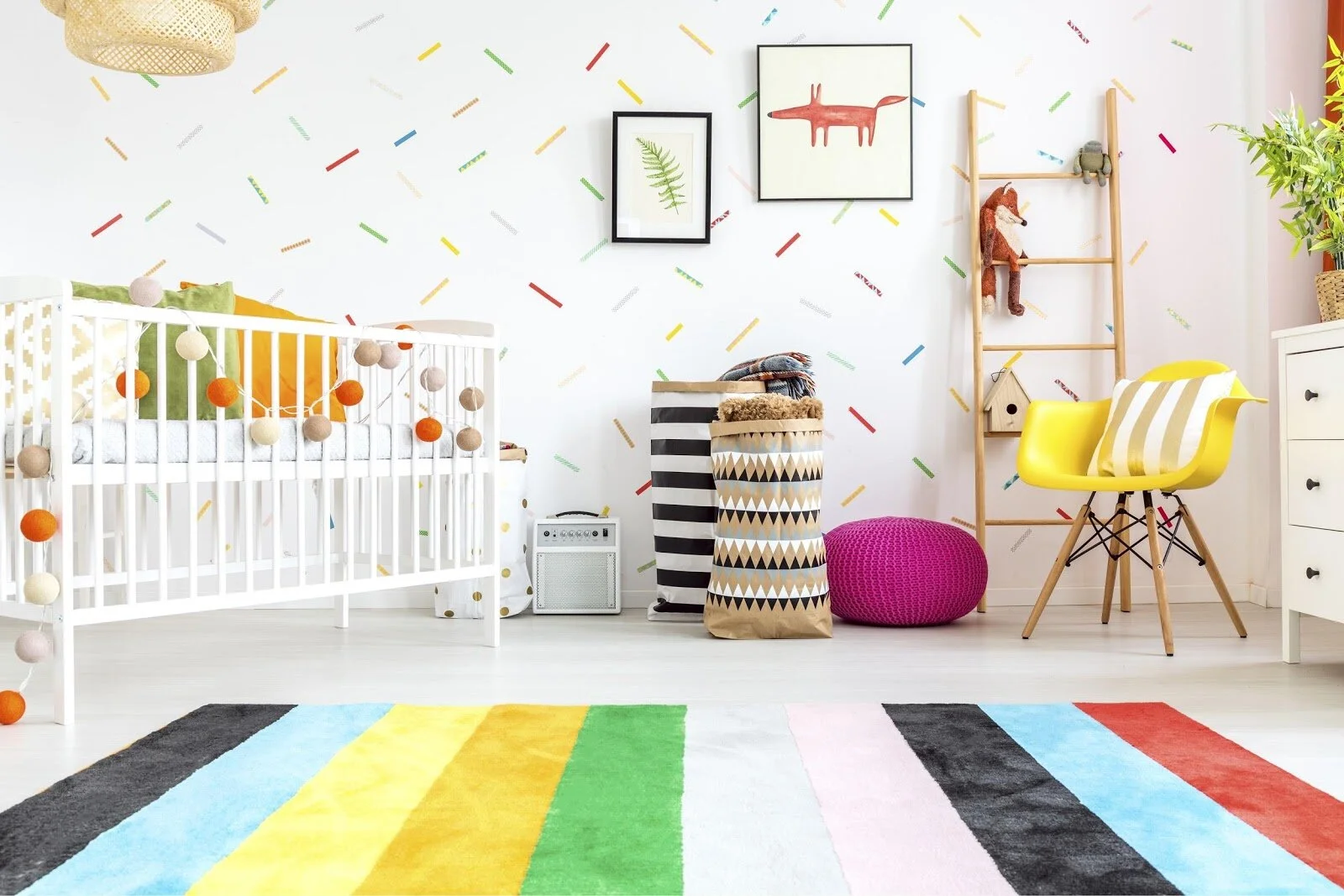
How to Decorate Your Toddler's Room with Their Favorite Characters
Toddlers and young kids love their favorite cartoon characters. There’s no telling who they’ll latch onto — it might be anybody from Simba to Shrek — but just about every parent knows that once an obsession begins, your kid almost acts like that character is their new best friend!
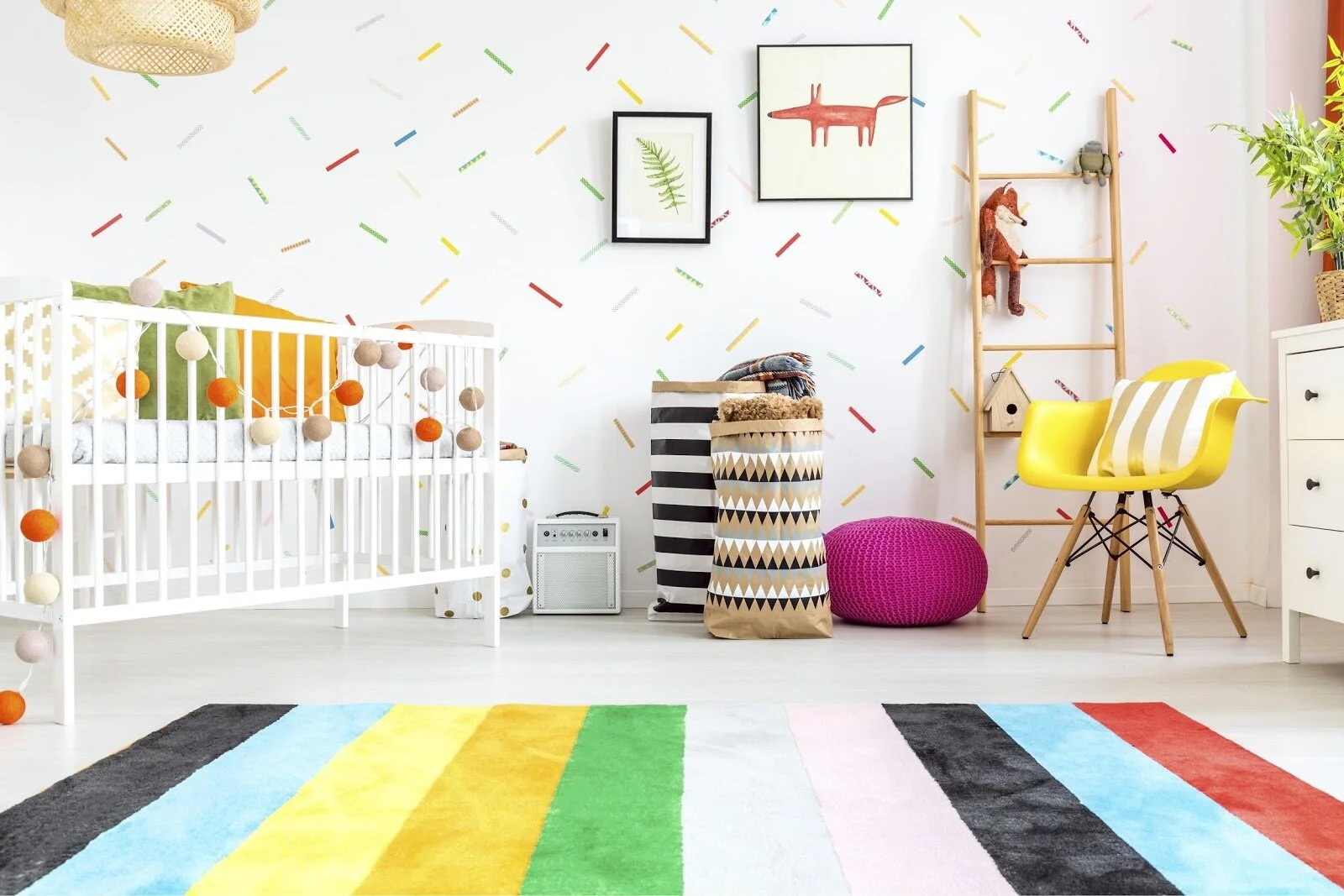
Toddlers and young kids love their favorite cartoon characters. There’s no telling who they’ll latch onto — it might be anybody from Simba to Shrek — but just about every parent knows that once an obsession begins, your kid almost acts like that character is their new best friend!
Fortunately, it’s normal for toddlers to have fictional character obsessions. And when they do, there’s nothing wrong with giving them a little bit of what they want! Many toddlers love having their rooms decorated with their favorite cartoon characters, and it can help provide them with a little more of the environmental stimulation that they need for healthy brain development.
From Disney wall decals to stuffed animals and beyond, here are seven easy and fun ways to bring your child’s imagination to life by adorning their room with their favorite characters.
1. Removable Wall Decals
Removable wall decals are a godsend for parents with cartoon-obsessed toddlers. These reusable vinyl decals are available in a huge variety of sizes and character designs, and their vividly lifelike quality means they’re sure to please toddlers who can’t get enough of their favorite cartoon friends.
However, it’s really important to make sure that you buy high-quality wall decals made with an adhesive that’s actually removable. Otherwise, you might find yourself taking a large part of your paint off when you remove the decal. Look for decals that are officially licensed by the character’s owners, such as official Paw Patrol wall decals, as these will usually be higher quality products.
2. Fun Furniture
Themed furniture is a great addition to any toddler’s bedroom, and you’ll almost certainly have an easier time getting your toddler to sleep at night if they get to climb into a Lightning McQueen bed. Character-themed furniture makes an excellent centerpiece to build a character-themed room around, or it can be a good compromise if you’ve agreed to let your child get one Batman-themed element for their room.
Of course, the thing about furniture is that it’s not something you usually want to constantly replace, so consider whether your child tends to move through obsessions quickly. If you think they’ll be done with Winnie the Pooh in a few weeks, it’s often a good idea to get a less permanent and less expensive type of character decoration.
3. Stuffed Animals
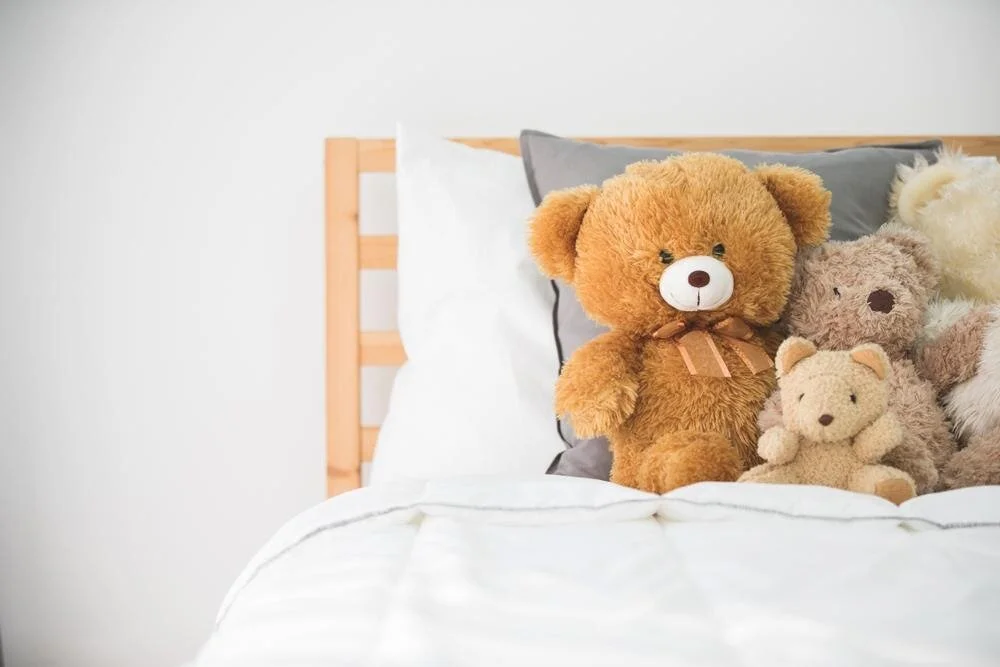
Stuffed animals bring out a whole new dimension for your child’s character obsessions — a third dimension, to be precise. Some Backyardigans are sure to bring joy into your child’s face, and stuffed animals can help spark a child’s imagination and encourage them to learn social and emotional roles.
Note that sleeping with stuffed animals should be avoided for kids under a year old, and it’s best to keep very large stuffed animals out of the bed until kids are out of the toddler years. Fortunately, however, research in child psychology now indicates that it’s actually quite healthy for children to have stuffed animals to give them comfort in tough times.
4. Doorway Art
The doorway to your child’s room is a perfect place to add decorations of your kid’s favorite characters. Working within the doorway gives you a defined space inside which you can create clever designs and dynamic scenes. For example, a decal of Peppa Pig that looks like she’s popping around the door could be a lot of fun!
Consider adding some words too, such as an inspirational message or your toddler’s name. If the door has decorative features like panels and rails, try working around these to create unique designs that work with the space you have. Whatever you add to the door, it should be lively and colorful!
5. Wall Murals
Sometimes you want to go big, and it’s hard to get cooler in the eyes of a toddler than a full-sized wall mural of their favorite cartoon. If you want to truly take them under the ocean with the cast of Finding Nemo or into the enchanted forests with Snow White, then a wall mural might be just the thing.
Large-format vinyl wall murals are available for most popular cartoon characters, and you might be surprised at some of the fun and dynamic scenes they’re designed with. Just make sure that the characters in the mural are ones your kids are comfortable with and that they don’t include elements like scary villains that might cause fear once you turn off the light.
6. Add Educational Content
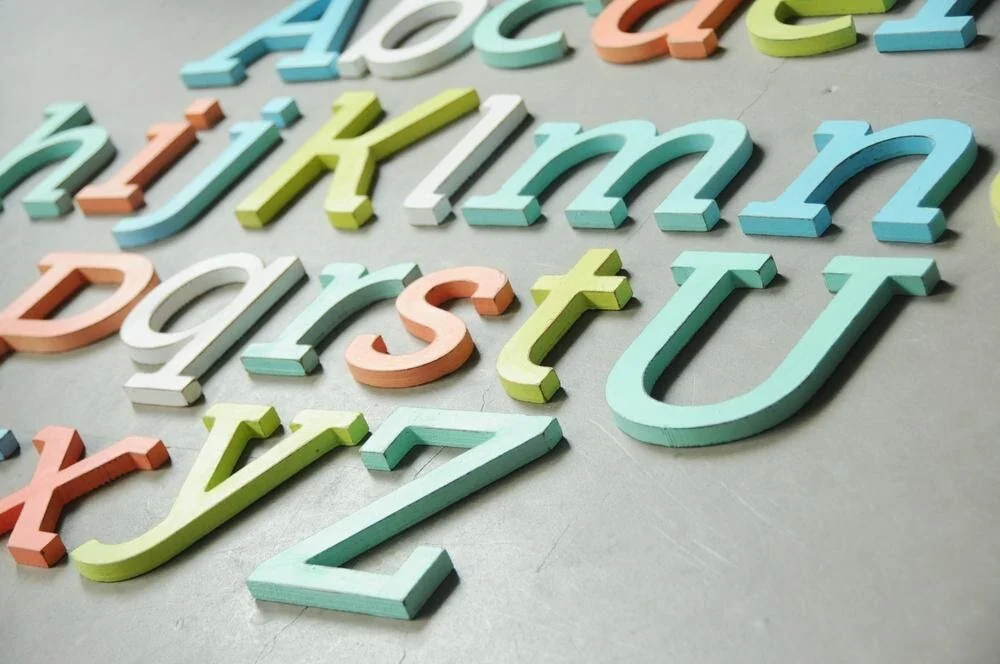
What if you could help kids learn through cartoon decorations? Incorporating educational wall decals into cartoon-centric designs can be an excellent strategy for communicating important concepts like the ABCs and basic colors. Raising a toddler in a home where these concepts are constantly reinforced through decoration will help prepare them when they begin learning them in preschool or kindergarten.
The characters and the educational content can have varying degrees of interconnection. You might add some favorite characters to your ABC wall to create a positive association between the two — perhaps even a favorite character for every letter (A for Arthur, B for Belle, etc.). To teach colors, try adding some colorful characters and challenge kids to name each character’s colors (yellow and red for Winnie the Pooh, etc.).
7. Go with the Flow
Most toddlers love cartoons, but they also have wide-ranging interests! If your toddler has shown an interest in other things like sports, superheroes, princesses or anything else, remember that there are themed decorations available for these as well. Whatever your child is most interested in, you’ll create a more stimulating environment by enriching the environment with those topics.
You could even add an interesting element to your decorations with custom big heads or standouts of family members or even of your child themselves! In general, any decoration that gives your child comfort and intellectual stimulation is a good one.

