

A resource for those seeking information on organizing and transforming spaces.
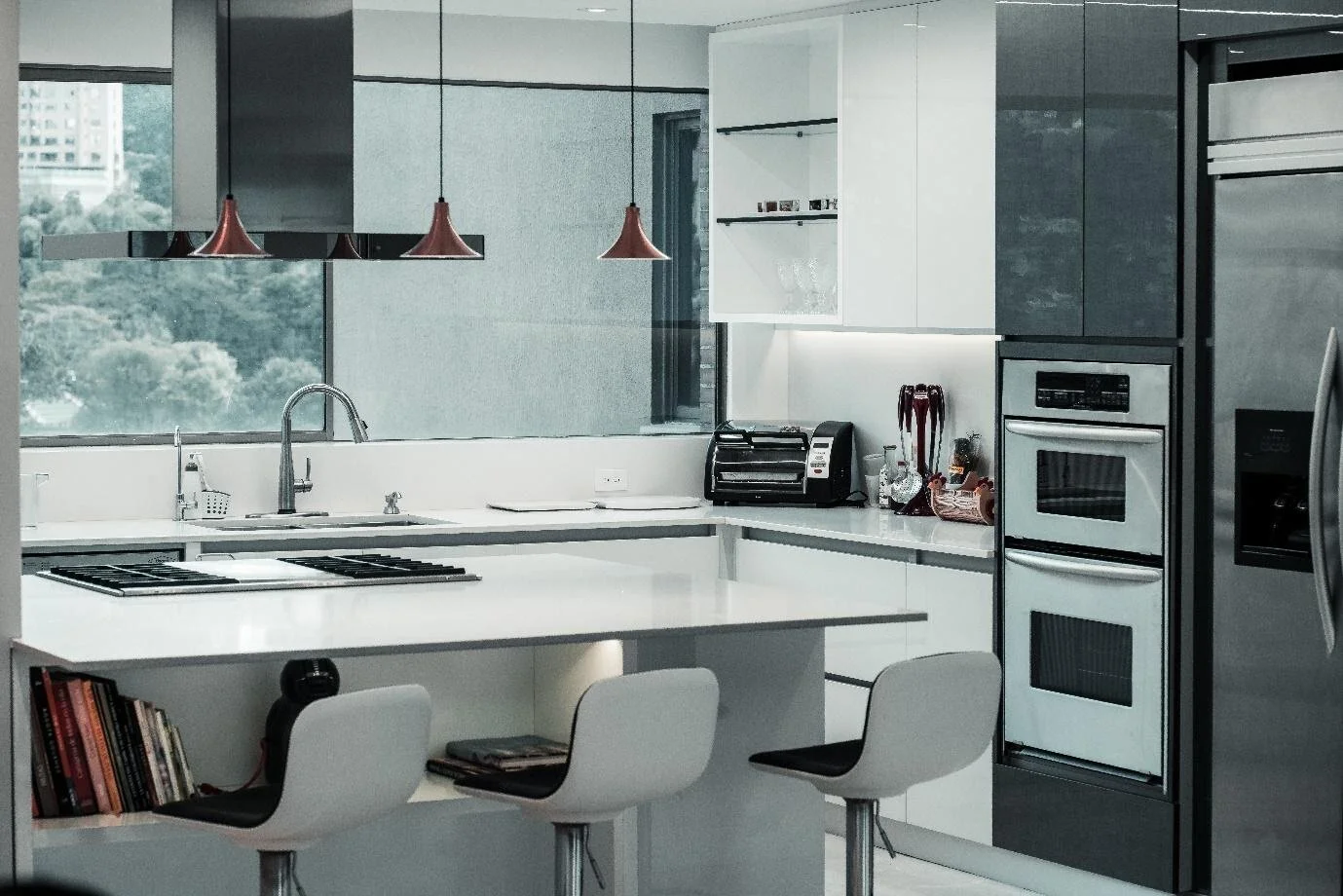
Guest Post - Step by Step Guide of How to do a Kitchen Remodel
Giving your home a kitchen remodel is sure to add a chic, new style to your home. It's also an opportunity to update electrical appliances such as an old refrigerator. Your hard work will pay dividends later on as remodeling should significantly increase the value of your property. They'll be many tasks to complete including demolition, electrical wiring and plumbing, but before you start, you need to make a plan.

Giving your home a kitchen remodel is sure to add a chic, new style to your home. It's also an opportunity to update electrical appliances such as an old refrigerator. Your hard work will pay dividends later on as remodeling should significantly increase the value of your property. They'll be many tasks to complete including demolition, electrical wiring and plumbing, but before you start, you need to make a plan.
DIY or Professional?
A kitchen remodel can be very disruptive to your daily life. You need to be super organized to ensure your home renovation project is efficient. Make a reliable plan and think about how much of the work you want to accomplish yourself. With a kitchen extension, you may need to appoint a building contractor for advice on foundation work and roofing. Installing a new electrical circuit requires a professional electrician to make sure your home stays safe. You'll also need a realistic budget.
Dismantling Your Old Kitchen
Even though it's tempting to wade in with a sledgehammer, don't! Remove your old kitchen cupboards carefully. You might not want them, but they can be upcycled by someone else and given a new lease of life. Salvage window frames, kitchen sinks and old floor tiles for reusing or recycling. When demolishing, you'll need professional advice on which walls are load-bearing. Turn your water supply off before dismantling any fixtures with plumbing. Make sure you keep all the debris contained outside and arrange for it to be regularly taken away.
Constructing Your New Kitchen
Accuracy is vital when you begin to design your new kitchen. If you're repositioning a sink, you may need to construct a new drain or extend the plumbing. Partition walls and center island units need to be accurately positioned as they'll be in place for a long time. A professional building contractor can make sure your kitchen remodel has the best start. Mistakes at this stage can spoil the final look of your kitchen and be expensive to correct.
Official Authorization
Arrange for the local city or county officials to pay you a visit. They need to check that your kitchen extension meets all the planning and building regulations. You might have to pay an inexpensive fee, but their approval is necessary. It's better for safety and for the day when you might want to sell your home. However, if the work is being done professionally, your building contractor will make sure the work meets the required standards.
Dry Wall Installation
Lining the interior with a dry wall product provides a smooth, solid surface. Ensure it fits well around windows, countertop bars and sinks. It's often beneficial to add a primer to the dry wall. It helps seal the surface and protect it from any accidental collisions when you're installing the kitchen cupboards.
Fixing Windows and Doors
When fitting new windows and doors ensure they are sealed correctly. It will help your kitchen feel cozy. You should also make savings on your energy bills. Many homes suffer substantial heat loss through ill-fitting windows. If you're keeping the existing windows make sure you add caulking to fix any gaps. Adding a decorative trim should give a coordinated look by complementing the style of your cupboards.
New Cupboards and Appliances
This stage is when your brand-new kitchen remodel begins to take shape. Make sure your plumbing is installed correctly before adding the cupboard units. Take care to hang doors and fix drawer runners properly so that your cupboards operate smoothly. Include items for kitchen garbage, water filtration and shelves. Then add your built-in appliances such as stoves and microwaves.
New Flooring
There are so many materials for flooring to suit every taste and budget. Consider the style you want your new kitchen to have. Engineered wood creates a cozy, natural look for a sophisticated, elegant home. Stone or ceramic tiles often look charming in a rustic kitchen. Vinyl is a practical material. It's available in a wide range of designs and colors to harmonize with your interior decor.
Conclusion
Without doubt, a kitchen extension is a big project. But if you plan and concentrate on one step at a time, your work will be organized and thorough. A plan helps you pay attention to all the details that will eventually be hidden but make such a contribution to the finished result. These can include solid foundations, cupboards that fit well and accurate measuring. Always appoint a professional building contractor if you don't have sufficient DIY skills. Then you'll finish with a beautiful new kitchen.
Author Bio:
Aaron Donovan is the owner of AD Services Building Contractors, who help homeowners with their construction needs. They are experts in kitchen extensions and have helped hundreds of clients achieve their dream kitchen.

4 Reasons Your Tile Roof Might Start Needing Repairs Earlier Than Expected
A good tile roof can last for decades under the right circumstances. Since roof replacement is a major investment, you should get your money's worth. When you choose quality products and experienced installers and use care in the years following your tile roof installation, you can avoid these four common reasons that a tile roof might fail.

A good tile roof can last for decades under the right circumstances. Since roof replacement is a major investment, you should get your money's worth. When you choose quality products and experienced installers and use care in the years following your tile roof installation, you can avoid these four common reasons that a tile roof might fail.
Poor Tile Roofing Product
High-quality materials simply last longer than inferior ones. Selecting tile roofing that is approved by the American Society for Testing and Materials (ASTM) is a good start. Because tile roofing is so popular, substandard foreign-made materials are becoming common. Cheaper products almost certainly mean a shorter roof lifespan and a greater chance of failure. Saving money now with bad tile roofing could mean replacement in just a few years.
Improper Maintenance
Inspection is key to good roof maintenance. You should check monthly for broken tiles and dried or worn-away sealants, which can cause leaks that compromise the roof underlayment. Even the best roofing materials can be compromised by hail, sun, wind, and falling tree limbs or other objects. If you notice changes in your roof or see something that doesn't look right, get a professional tile roofing company to have a look. Quick action can limit the cost of repairs and prevent early replacement of the entire roof.
Bad Installation
Likely the most common cause of tile roof failure is bad installation. Many roofing contractors are overworked and staffed with poorly trained people, especially if there has been a hailstorm or wind event in the area recently. Good installers use the right fasteners for the material and add sealants, leak barriers and ventilation as necessary, always following product maker guidelines and local ordinances. You should never trust a handyman or carpenter with your roofing job.
Missing or Corroded Flashing
Flashing is a thin metal channel that protects the most vulnerable areas of a roof where water is likely to run, such as the joint between two sections of roof or around the chimney and vents. When flashing is missing, poorly installed, or corroded, it can lead to roof failure and damage to the home. All valleys, hips, skylights, and chimneys should be properly flashed. No matter the type or quality of roofing material, an improperly flashed roof will fail. Flashing is inexpensive and easy to install when replacing a roof.
If you have noticed any of these issues, you need to get your tile roof fixed as soon as possible to avoid further problems like water damage, structural damage, and mold in your home. A tile roofing company can fix or replace the sections of damaged tile. As long as you choose a reliable company and high-quality products this time, your roof should be able to last for years to come.
A tile roof can dramatically improve the look of a home, especially if the product is of high quality and carefully installed. But like any roof, tile can fail over time due to poor installation, low product quality, or lack of maintenance. When you make smart choices and keep an eye on your roof, however, your tile roof can last for the life of your home.
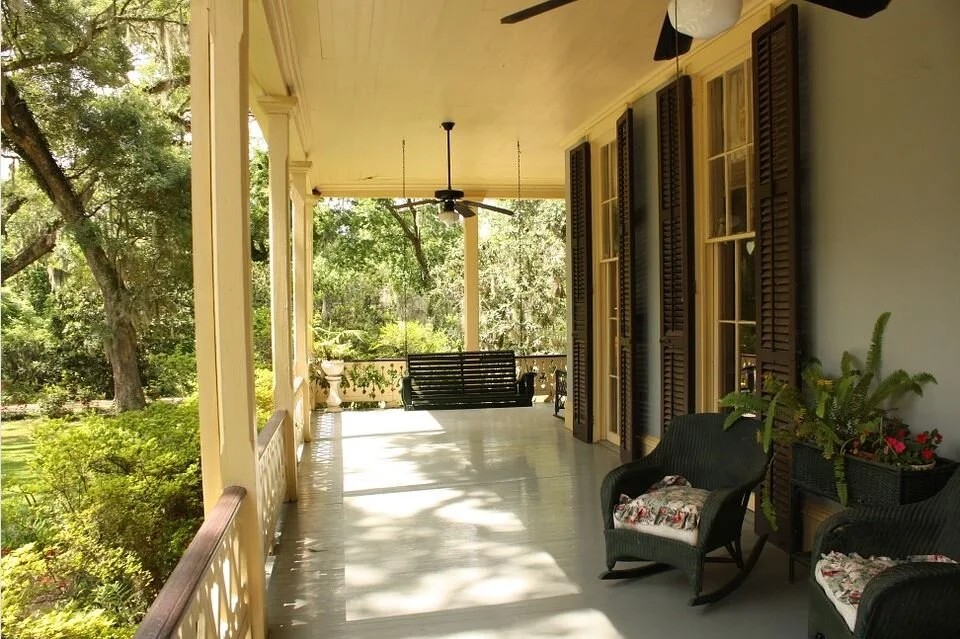
Facade Fix-Ups: How to Increase Your Home’s Curb Appeal
If you’re hoping to sell your home, then you’ll have to make the property look good from the road. Potential buyers will make their first judgements the moment they arrive at your address, and that initial impression will linger long after they’ve walked through the door. Even if you’re not planning on selling, it still makes sense to boost your curb appeal. After all, your neighbors might like you a lot better if you do your part to keep the street looking its best. Here’s how you can take your house’s curb appeal to the next level.
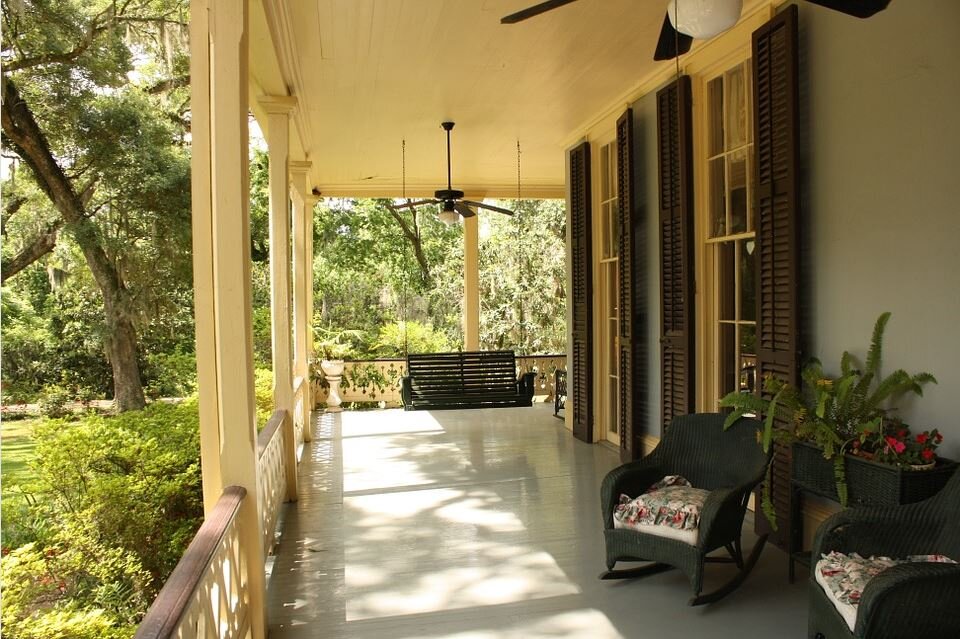
If you’re hoping to sell your home, then you’ll have to make the property look good from the road. Potential buyers will make their first judgements the moment they arrive at your address, and that initial impression will linger long after they’ve walked through the door. Even if you’re not planning on selling, it still makes sense to boost your curb appeal. After all, your neighbors might like you a lot better if you do your part to keep the street looking its best. Here’s how you can take your house’s curb appeal to the next level.
Paint the Exterior
After years of exposure to the elements, the outside of your house is bound to look a little worse for wear. Even if the paint itself is still intact, the colors have likely faded. This gives your entire home a tired, sullen appearance. You’ll be amazed at how a simple painting can reinvigorate the exterior and improve your home’s curb appeal.
Touch up Your Landscaping
While many homeowners focus on the physical structure of the house, it’s vital to remember that your yard is just as important when it comes to curb appeal. If your property is filled with overgrown grass and dying plants, people are going to assume the interior of the home has been similarly neglected. You don’t have to spend a lot of money or invest hours of your time to rectify the situation. A single afternoon mowing the lawn, pulling weeds, and laying down mulch should make the yard look a whole lot better.
Clean and Repair Your Gutters
Fallen leaves can get into your gutters and slowly turn into dirt. Not only does this prevent your roof from draining the way it should, but it also creates an eyesore that’s clearly visible from the road. In the worst cases, plants can even be seen sprouting from the detritus. Getting up there and cleaning the area is the best way to restore the home to its normal appearance. If you’re not comfortable using a ladder, you could set up some scaffolding. Alternatively, you could hire professionals to do the work.
Your house will never look its best if you don’t keep up with standard maintenance. Tackling the three projects listed above is a great way to transform your home in a single season. By the time you’ve finished, your curb appeal will be greater than ever before.
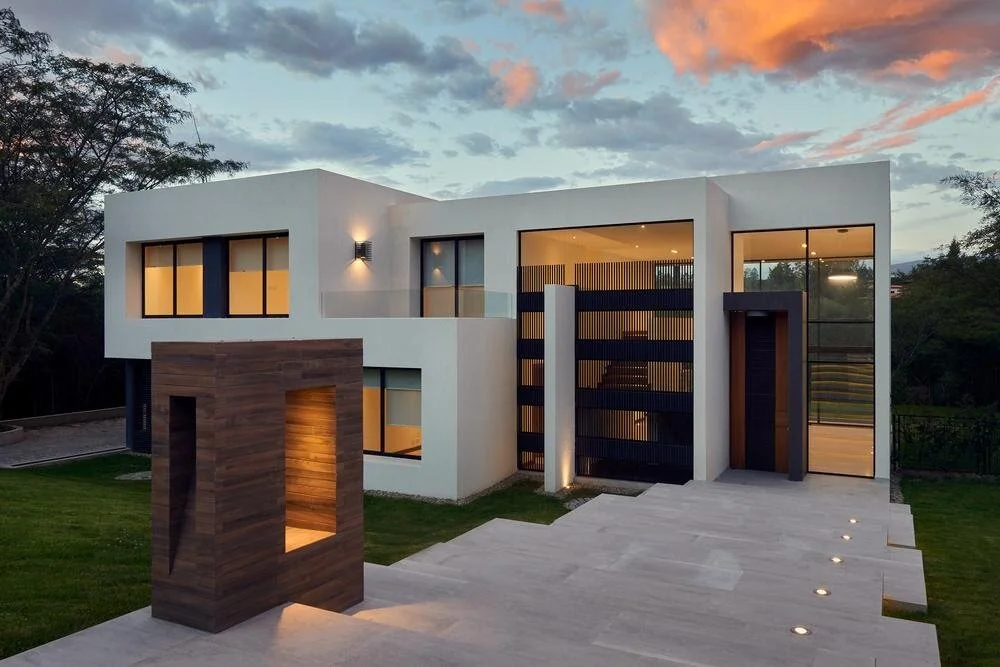
Nine Top Architectural Styles
Understanding various architectural styles helps foster a general appreciation of the built world. And the built world is all around us. So, whether you’re looking to buy, you are in the midst of a remodel, or you’re simply eager to know a little more about that beautiful house up the street, this rundown of top architectural styles will help you experience and understand prominent architectural styles on a deeper level.

Understanding various architectural styles helps foster a general appreciation of the built world. And the built world is all around us. So, whether you’re looking to buy, you are in the midst of a remodel, or you’re simply eager to know a little more about that beautiful house up the street, this rundown of top architectural styles will help you experience and understand prominent architectural styles on a deeper level.
Art Deco
Art Deco style was born in early-20th-century France and became a force in American architecture by the 30s. It’s a style that strives to catch your eye. As the Pennsylvania Architectural Field Guide notes, Art Deco “... was an intentional break with past precedents in an effort to embody the ideas of the modern age. It was the first American architectural style to look forward rather than back.” Art Deco public buildings often feature smooth facades and elaborate tile designs. When do-it-yourselfers are remodeling their homes in Art Deco style, they often break out their tile tools and throw down some funky penny round tile.
Cape Cod
Puritan craftsmen brought the Cape Cod style to America; hence, the relatively spare original incarnation of the design. They were small one-story homes. And, of course, they became all but ubiquitous in New England—they’re named for Cape Cod, Massachusetts. Over time, the style gradually became more elaborate. They were among the most popular styles during the boom in American construction after World War II.
Victorian
Victorian style homes are generally large, asymmetrical, and imposing, with ornate gables and steep roofs. The ornate exterior generally extends to the interior as well. It’s a showy style that was widely popular during the six-plus decade reign of Queen Victoria from 1837-1901; hence, its name. The style is often thought of as grim in popular culture, but the homes in San Francisco’s famous row of jubilantly colored “painted ladies” are also Victorian.
American Craftsman
The warm craftsman style was a response to the showiness and industrialism of Victorian design. It focused on simple celebration of “craft” and functionality over the unnecessarily intricate, ornamental presentation rampant in Victorian architecture. A craftsman home is a display of no-frills, yet expertly built sturdiness. It’s a home for the everyman, unlike the Victorian homes and their air of haughty regality. That was the idea, at least, originally put forth by William Morris, champion of craftsman style.
Tudor
In popular culture, Victorian homes are often the backdrop for stories about hauntings and other ghoulish things. Tudor style, though, quite the opposite. Tudor is the stuff of Old World romance and children’s fairy tales. Generally featuring stucco, half-timbered exteriors, and steep, gabled roofs, Tudor style originated in 15th-century Europe and flourished in the United States from the early-to-mid 20th century. As Southern Living notes, the style fell out of favor after World War II during a shift to more affordable housing that needed to go up quickly to accommodate the post-war baby boom.
Neoclassical

Neoclassical style conveys a certain strength and splendor. The movement was born in 18th-century Europe and epitomizes Western architecture. The style is common in government buildings, banks, churches, and other structures that seek to inspire and exude fortitude. The United States Capitol and Supreme Court buildings are prominent examples of the style. And, with their massive columned porches and air of sophistication, antebellum plantations are generally good examples of homes built in the neoclassical tradition.
Brutalist
The hallmark of brutalist design is spare concrete. It’s often seen in large public housing structures and government buildings. The style, which exploded after World War II, allows for relatively quick and inexpensive construction. There is renewed interest among homeowners in the brutalist style, but architects whose work could be classified as brutalist tend to flee from the distinction.
The term itself isn’t exactly charming, and the style can come off as cold and uninviting, but, nonetheless, it does seem as though brutalism may be making something of a comeback.
Mid-Century Modern
Mid-Century modern design is a sleek, sophisticated look that generally features open spaces and large windows. The houses are often built to complement their surroundings, the design and large windows creating a sense of openness and transparency, typified by the Glass House in New Canaan, Connecticut.
Contemporary

Contemporary architecture is something of a catch-all term that describes new construction that doesn’t quite conform to traditional styles. Whether they are trendy tiny houses that maximize livability in small spaces or buildings focused on sustainability, if you see a building that looks wildly out of place among its neighbors, you’ve probably happened upon a contemporary structure.
This collection of prominent architectural styles will give you a better sense of the buildings around you. Keep in mind that styles change and adapt. There is absolutely variation within traditional architectural approaches, but a basic framework of style will give depth to your appreciation.

