

A resource for those seeking information on organizing and transforming spaces.

4 Pests to Be Aware of in Your Home for Spring and How to Treat Them
They say that spring is the season of new life. What some people fail to consider is that not all of that new life belongs to cute creatures like baby birds, rabbits, and trees; spring marks the end of the coldest months and warmer activities mean you may very well need to look into some pest control. Provided below is a breakdown of four common pests that tend to show up as the weather warms up and how to go about dealing with them.
They say that spring is the season of new life. What some people fail to consider is that not all of that new life belongs to cute creatures like baby birds, rabbits, and trees; spring marks the end of the coldest months and warmer activities mean you may very well need to look into some pest control. Provided below is a breakdown of four common pests that tend to show up as the weather warms up and how to go about dealing with them.
Mosquitoes
These pests make irritating noises and great vectors disease. While mostly considered an outdoor pest, it is not impossible for these bloodsuckers to infiltrate buildings. The best piece of advice for preventing swarms of mosquitoes within your residence is to remove any sources of stagnant water; stagnant pools are the ideal breeding ground for mosquitoes.
Carpenter Ants
Warmer temperatures signal these insects to start hunting for food and lodgings. They will use pipes, your foundation, cracks, vents in the attic, and even telephone lines and electrical wiring to reach those goals, in numbers and over considerable distance. The two greatest tells of carpenter ant infestations are rustling within wooden objects and the presence of shavings beneath wood. These are best handled like any other ant colony. Remove traces of food and hire an exterminator.
Termites
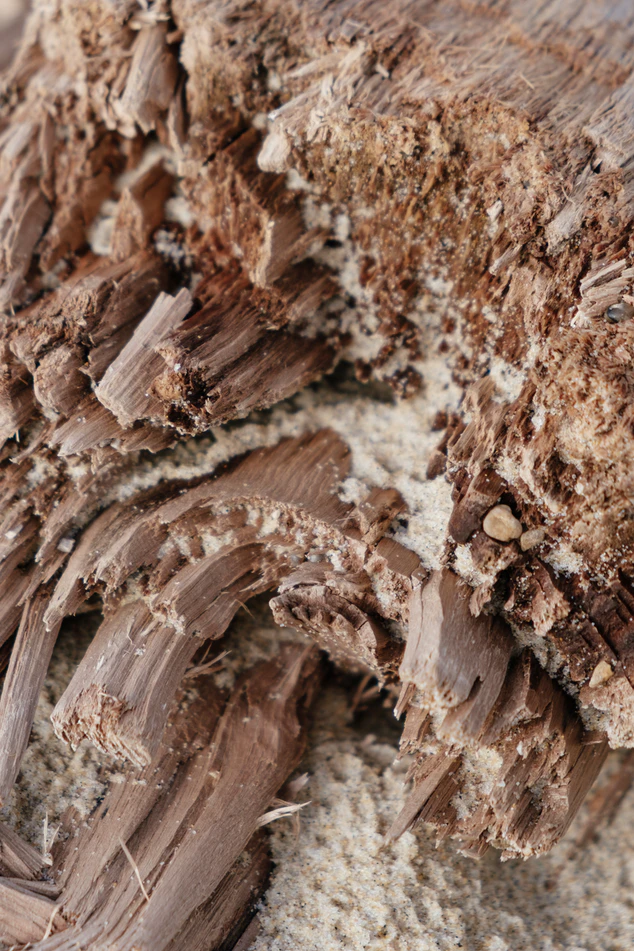
Spring and rains are the two key motivators of termite activity. Termite infestations have some common elements with carpenter ant infestations but also cause sagging or crumbling of wooden structures, mud tubes along building exteriors, and clusters of winged bugs or abandoned wings. Use poisonous chemical baits to attract and end them.
Rats
Rats are serious health hazards because they leave trails of urine wherever they scurry; bites are not the only way rats disease humans. The best way to prevent rats is to watch for quarter-sized holes along your home's exterior, use metal weather stripping to cover gaps under your doors, and keep your garbage cans closed. If you suspect you have a colony skulking within your home, contact an exterminator for a swift and permanent end.
Remember that while spring brings new life to the planet, you need to remain vigilant for pests. Rats and mosquitoes pose serious health hazards, while carpenter ants and termites pose serious damage to your home or business. Take precautions to stop them from showing up and understand that the problem is usually too large to tackle on your own if you notice several of them within the building.

8 Hidden Health Hazards Lurking in Your Home
Home is often associated with comfort and rest. It is a place where we get to unwind and feel safe. However, making your home a safe environment for everyone requires some work. There are hidden hazards that may cause harm to your family, and these need to be assessed and addressed.
Safety should be the utmost priority, and it requires some work on your side. Fortunately, many of these are easy to manage and are fixable.

Home is often associated with comfort and rest. It is a place where we get to unwind and feel safe. However, making your home a safe environment for everyone requires some work. There are hidden hazards that may cause harm to your family, and these need to be assessed and addressed.
Safety should be the utmost priority, and it requires some work on your side. Fortunately, many of these are easy to manage and are fixable.
Radon
It is a radioactive gas that naturally occurs thorium, uranium, or radium breaks down in soil or groundwater. We are exposed to it, but this becomes a hazard when the gas enters into cracks or holes in your home, and you are inhaling a high level of radon.
This gas increases the risk of lung cancer when exposed for an extended period. You may not notice its presence because it is odorless and colorless. This can be avoided by checking the level of radon through a testing kit. Improving ventilation can reduce the amount of radon indoors, but you’ll need professional help to eliminate it.
Asbestos
Another natural fiber, asbestos, is commonly found in construction materials, textiles, and insulation. It is durable and can withstand high temperatures. In general, asbestos is safe to use. However, it becomes a health hazard when the asbestos-containing material crumbles or is friable.
When the asbestos material is in a poor state, a simple movement releases dust particles into the air. When handled poorly, you might inhale the dust particles and damage your lungs. These particles can stay in the air for a while.
You need to get rid of asbestos fast because there are common diseases associated with asbestos inhalation, such as asbestosis, lung cancer, and mesothelioma.
Molds
If you notice a musty odor around the house, there might be mold growth in the area. Excess moisture promotes the growth of molds, which might indicate water leaks in the house.
Mold is a type of fungus that can irritate the nose, throat, and lungs. Its presence in the house can trigger respiratory problems, especially those suffering from asthma and allergies. Infants, the elderly, and people who are immunocompromised are susceptible.
You can check for molds in the kitchen, under the sink, in your shower curtains, or basement. Mold in small amounts is harmless, but the spores being released in the air can harm everyone in the house when it is significant.
You can control the growth of mold in the house by getting a dehumidifier in damp areas, keeping every area clean and dry, fixing any leakage and improving ventilation, controlling humidity, and making sure the house is warm during the cold season by adding insulation or heater.
Carbon Monoxide
If you have kerosene heaters, gas stoves, a fireplace, wood stoves, or any gas equipment at home, you need to be careful with carbon monoxide poisoning. The gas is odorless and colorless making it dangerous because you wouldn’t notice you’re being exposed to it.
Homes with poor ventilation are at high risk for carbon monoxide poisoning—headaches, weakness, dizziness, vomiting, and chest pain. If you inhale a large amount of these toxic fumes, you can pass out. Those who are sleeping or drunk can die of carbon monoxide poisoning without them even noticing it.
If you have equipment that uses gas, make sure to have proper ventilation. Install CO detector, purchase equipment certified by the appropriate agency, and hire licensed technicians to do yearly maintenance on your gas equipment.
Lint
Removing lint from your dryer can keep your home safe. There are many benefits in keeping your dryer clean, like reducing electricity consumption, drying the clothes faster, and most importantly, preventing fire risk.
Lint is flammable, and the dryer produces heat which can create potential fire. Aside from fire, it also promotes mold and mildew growth because it can increase humidity around the vent. Clean the lint trap after every load. For hard to remove lint, soak the lint trap in hot water and brush gently.
Dust mites
Your furniture, carpet, and bed can harbor dust mites. These hard to see, microscopic creatures love dead skin cells and hair. The bug is a potential allergen and can trigger the immune system to react. Those with asthma and sensitivity to insect bites are prone to dust mites. Those who are allergic will experience a runny nose, watery eyes, and difficulty breathing.
Lead
If you are living in an old home, you might want to check for the presence of lead. There might be a chance that the lead is hiding behind a few coats on your wall. Children are at the most at risk for lead poisoning and this can lead to severe complications.
Lead poisoning signs are developmental delay, irritability, loss of appetite, hearing loss, seizures, abdominal pain, and vomiting. You can get a lead testing kit to make sure your home is safe.
Household cleaners
A prevalent health risk at home is household cleaners. When poorly stored and used, it can irritate the eyes, mouth, and nose. Others are volatile chemicals that can cause serious health problems, such as bleach and ammonia.
Store these chemicals safely away from the children, read and follow instructions, avoid mixing chemicals and reduce the use of harmful chemicals by substituting them with natural ingredients.
Be proactive when ensuring the safety of your home. Follow guidelines and research for information that can help keep your home free from health hazards.

7 Home Improvements You can Do for Your Family's Well-being
If you are a parent, you know how hectic things can be. Still, you have to keep your home functioning well for the entire family.
If expanding or moving to a bigger family home isn't an option, you need to do some tricks that can enlarge your space. That way, you can have a conducive family home.
A couple of enhancements here and there can result in a happy home. That said, here are seven home improvements can do for your family:

If you are a parent, you know how hectic things can be. Still, you have to keep your home functioning well for the entire family.
If expanding or moving to a bigger family home isn't an option, you need to do some tricks that can enlarge your space. That way, you can have a conducive family home.
A couple of enhancements here and there can result in a happy home. That said, here are seven home improvements can do for your family:
Upgrade Your Bathroom
There are straightforward ways to spruce up your bathroom, making it a lot nicer for your family to use.
Ensure that you replace the caulk if any molds are growing on it, which prevents conditions like asthma from worsening. Ensure that the grouts are clean as well.
To add a touch of luxury, you can also replace the showerhead and faucets.
If you live in a place that has hard water, try using a showerhead that has an in-built water softening filter. Doing so prevents limestone build-up, and everyone at home will have softer hair.
Hang Family Photos
Placing family photos in a room helps add character and charm to your overall home. It's also a great way to remind your loved ones of all the happy times that you've spent together.
You can place them in various rooms in your house or hang them in a geometric pattern going up the stairs.
Hanging your family photos at home requires only a little bit of DIY. So if you don't have nails or don't want kids helping with the risk of using a hammer, you can use picture hanging strips instead.
You can easily remove these and won't cause your home any damage, so there's no need to replaster it later.
Paint the Walls
You might be accustomed to how your house looks already. But if you look closely at the walls and the ceilings, you'll know that these might badly need a paint job.
So, make an effort to give at least every room in your home a fresh coat. In the same way, you can also use this opportunity to upgrade some rooms' styles.
For instance, why not let your kids choose their favorite color for their bedrooms? This is a great way to make them feel like their room is their personal space, and they'll love you for it!
Note that if you're painting walls with fresh color, see to it that you give it at least two coats so it won't look as it's rushed.
Remember that you're the one who should be making improvements. You shouldn't make it look as if it's just half done.
Stabilize Your Roof
Shoddy roofing can be destructive, damaging items in your home or causing a host of health problems.
Having a stable roof gives you and the other occupants in your home peace of mind.
Having durable roofing ensures that you can focus on your tasks without having to worry that the roof might collapse or start leaking. That's why quality roof construction should be a top priority.
Switch the Lighting
A place's lighting can make a huge difference in how a person feels. Harsh lighting often increases stress, and in some cases, causes headaches.
So to give a more relaxing vibe to your family home, opt for some laps instead to decrease the bright glare.
You can also swap older light bulbs in your home for more energy-efficient ones. Not only is this a lot more eco-friendly, but it's also not too heavy on the wallet. In fact, using energy-saving light bulbs allows you to save up to $75 annually.
Get Indoor Plants
Creating a large backyard is a great thing that you can do for your family. But another thing that you can liven up in your family home is to bring in some beautiful indoor plants.
Apart from just the beautiful appearance, many benefits are often linked to houseplants. This includes better air quality at home, as well as decreased stress levels.
It's also a great idea that you involve kids with your plants. Your younger children will love watering them and watching them grow.
It's an excellent way for older kids and teens to teach them how to be responsible. You can start with these new hobbies together, as you bond over your plants.
Revamp Your Flooring
When it comes to revamping the flooring of your home, choose longevity over durability.
A carpet is one of the most common types of flooring materials. Not only that it's cheap, but it also solves the problem of having noisy footsteps. But the downside of it is that it usually isn't durable in the long run.
If you want more durable floors, consider laminate, hardwood, cork, and vinyl plank options. If you worry that the kids might slip, you can purchase rubber play mats, placing them on areas they frequent. This allows you to retain a more aesthetic look on your floors.
When making home improvements, picking suitable projects is vital. These family-friendly improvements let you spruce up your home, making it an ideal place to live for you and your loved ones.

5 Signs It’s Time To Replace Your Windows
Know the five signs it’s time to replace your windows. If your energy bill is rising and you are noticing drafts throughout your home, it may be time.
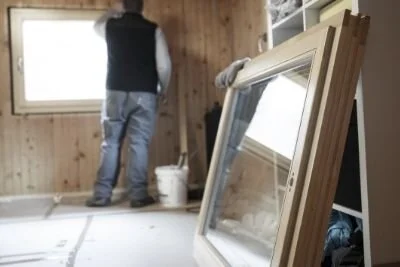
You may have been too busy to notice the slow damage that’s been happening to your widows. Wind, rain, and the occasional hailstorm—not to mention stones and debris from all the cars that drive by—can really take a toll on them. Your windows are your portal to the outside world, especially on days when you can’t go outside. Don’t let them be a burden! Know the five signs it’s time to replace your windows so that you can enjoy them for all they’re worth.
Visibly Damaged Windows
Your home’s windows are constantly exposed to wind, rain, and debris. Overtime, wear and tear can cause the glass or frame of your windows to crack, warp, or rot. Check for cracks and chips in both the glass and frame of your window. Sometimes these can be repaired, but often, you will need a full replacement. If your frame is soft, it may be a sign of dry rot and mold caused by too much moisture.
Windows that are too foggy and can’t be easily cleaned should also be replaced. It’s important to allow natural light into your house so you can enjoy it. If your house is near a lake, field, or other stunning view, you will want to enjoy the views. Keep your windows clean to avoid having to repair or replace them as often.
Drafty Windows
Drafty windows are most noticeable in the winter; they’ll cause curtains to billow and produce a whistling sound from all the wind rushing by them. If you still feel a breeze near a closed window, it could be coming from damage to the glass or frame of your window. While a draft is one of the signs it’s time to replace your windows, a window repair may be enough to solve the problem.
Windows That Won’t Close
A properly working window is important to your safety as well as your overall comfort. If your window won’t lock properly or is difficult to open, something may be hindering your ability to use it. You may need to replace your window when it isn’t functioning due to:
Poor installation
Rust around the lock and window frame
Failure with the sealing
Balance problems
Window Condensation
When your windows start to sweat in the summer and frost in the winter, it’s a sure sign they have lost their insulation. Poorly insulated windows allow the air from inside your home to escape. It’s typically due to failed weather stripping, possibly because of a crack in the frame or glass.
Pro Tip: If your energy bills are starting to rise, it could be a sign you need to have your windows replaced. Houses with poor insulation overwork their heating and cooling systems.
Noise
It’s great if you can hear birds through your windows in the morning, but it might not be so wonderful if you are woken up by the cacophony of a busy road or your noisy neighbor. Windows that are poorly sealed or poorly made can allow noise pollution into your home. Get double or triple pane glass insulated with Argon gas to decrease exterior sounds.
If you’re feeling uncomfortable in your home due to the temperature, noise levels, or rising energy costs, check your windows. They just might be the culprits. The main signs it’s time to replace your windows are that they are cracked, causing drafts, or have lost their insulation. New windows are a fabulous way to spruce up your home’s interior and exterior.

