

A resource for those seeking information on organizing and transforming spaces.

4 Everyday Acts That Keep Your Home in Better Shape
While major renovation and maintenance projects may feel much more important, there are a number of small, daily tasks you can do to help keep your house in prime condition. By taking these small actions daily, you can reduce your maintenance costs over time. Here are four everyday acts that keep your home in better shape.

While major renovation and maintenance projects may feel much more important, there are a number of small, daily tasks you can do to help keep your house in prime condition. By taking these small actions daily, you can reduce your maintenance costs over time. Here are four everyday acts that keep your home in better shape.
Wipe Up Water on the Bathroom Floor
Whenever you step out of the shower or tub, it's normal for some water to drip off of you and onto the floor. Even though bathroom flooring material is designed to resist water damage, it's still a good idea to wipe up this water as soon as possible. If you let the water sit until it evaporates, you're increasing the chance that it will seep down underneath the floor and cause water damage.
Vacuum Dust From Carpets
Although they naturally have a shorter lifespan than hardwood, carpets can last a fairly long time if they're cared for properly. One of the most important parts of carpet care is getting dust, dirt and debris off the carpet before it has a chance to become ground into the fibers. The more often you vacuum, the longer your carpets will remain fresh.
Clear Debris From Drains
If you want to prevent blocked drains, it's important to remove any debris from your drains on a daily basis. The most common examples of drain debris are bits of food in kitchen sink drains and hair in shower drains. Regularly clearing out anything that could work its way down into the pipes and form a clog will keep your drains running as they should.
Pull Weeds From Your Driveway and Sidewalks
Weeds growing in cracks in concrete surfaces can cause damage over time. To prevent this, it's best to simply pull the weeds up as you see them sprout. If you start early in the spring, you shouldn't have much trouble keeping up with the weeds. If you wait until everything is up, though, you'll have a large, time-consuming project on your hands. Pull a handful of weeds up each day, and you'll find that managing them becomes much easier.
Taking these four simple actions on a daily basis will help to keep your house clean and in good condition for years to come. While you'll still have to deal with larger maintenance projects from time to time, keeping up with daily maintenance tasks is a great way to keep major issues to a minimum.

Design Ideas for Creating an Elegant Dining Room That Will Impress Your Guests
A beautiful dining room elevates every meal, from weekday dinners to luxurious Sunday brunches. Fortunately, you don't have to knock down walls or hire an interior decorator to get the dining room of your dreams. These design ideas will help you make the most of ordinary meals and fancy dinner parties alike.

A beautiful dining room elevates every meal, from weekday dinners to luxurious Sunday brunches. Fortunately, you don't have to knock down walls or hire an interior decorator to get the dining room of your dreams. These design ideas will help you make the most of ordinary meals and fancy dinner parties alike.
Include Some Shine
Some sparkle and shine can light up the whole room. Metallic accents are an easy way to add some shine in the room. A shimmering, modern chandelier catches the eye, and floors or ceilings adorned with glossy or lacquered paint fill the room with light. Mirrors illuminate and visually enlarge a room.
Make a Statement
Adding a dramatic item or element into your decor wows guests and makes the room feel more special. Hand-painted floors, custom wallpaper, a handcrafted wooden bowl in the center of the table, or a unique piece of furniture can transform this often-overlooked room and spark conversations when guests visit. Designing the room around a fireplace, a window with a view, or a unique architectural element has the same effect.
The furniture you use can also make a statement. Dining room furniture is often thought of as being fairly basic and straightforward, but you can get creative with it to add interest. For example, a large or unusually shaped dining room table can draw attention to the center of the room. You can choose furniture that all matches or complements each other to make a cohesive look, or you can choose contrasting furniture for a more unusual design.
Go Eclectic
Blend old and new for a big dose of charm. Pairing modern dining room furniture with old-world art or accent pieces creates visual interest and makes the dining room seem anything but ordinary. The concept can also be applied to mixing formal and casual pieces. Using color strategically works here, too; try weaving a few bold colors into a pastel-painted dining room for a little contrast.
Emphasize Texture
Texture lends warmth and interest to almost any living space, including the dining room. From covering modern metal chairs with sheepskin or using chunky placemats to swapping out smooth lampshades for textured designs or placing a thick or sculptured rug under the table, the options are endless.
Add Dimension
A big, dramatic chandelier creates drama and adds "weight" to a room design. But hanging lights aren't the only option for adding dimension to a space. 3D wall pieces, sculptures, wallpaper with a raised design, crown molding, and rustic beams can all be used to create visual weight. Layering different shapes can also make the room feel less like a box filled with furniture and more like a cozy space that envelops you upon entering it. Try mixing rounded edges with square objects or placing antique books on a modern sideboard beneath a large mirror.
Almost any dining room can become a thing of beauty. From painting the walls or adding a few carefully curated pieces to giving the area an overhaul with new furnishings, an elegant dining room is within easy reach.
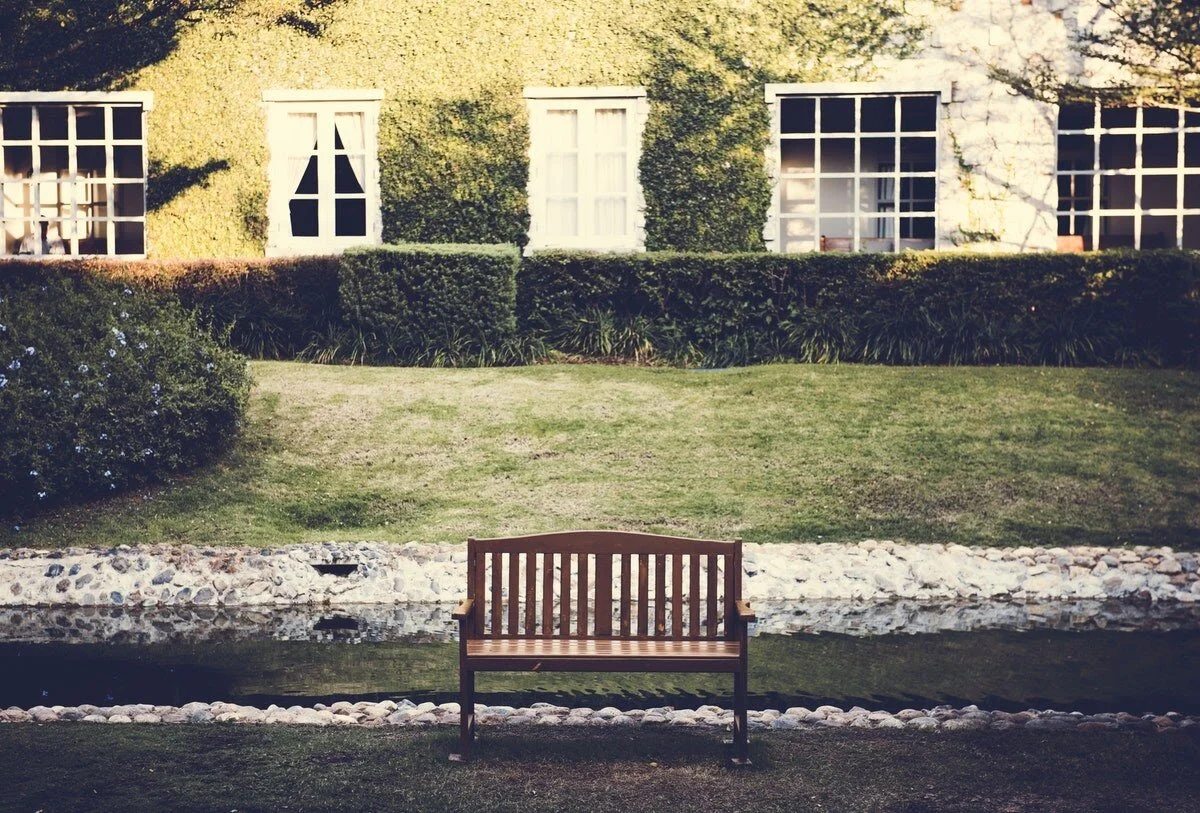
Guest Post - Top 6 Ways to Get Your Dream Garden Ready This Year
Do you want to create a picturesque paradise for your friends and family to relax?
Spring is here and it is a perfect time to start designing your dream garden on time.
But, where to start?
Here are a few proven ways to get your garden ready this year.

Do you want to create a picturesque paradise for your friends and family to relax?
Spring is here and it is a perfect time to start designing your dream garden on time.
But, where to start?
Here are a few proven ways to get your garden ready this year.
1. Consider the Key Elements of your Garden
There are many garden elements to consider when designing your dream garden. Some of them are:
Hedges and fences
Walls and boundaries
Pathways and patios
Lawns
Water features
Zones
Plants
Lighting
Next, pay attention to your plot. Inspect its shape and size. The goal is to determine its direction so you can choose the right design. Consider drawing a sketch of your yard. Observe it from a bird’s eye view. That helps you visualize your garden.
2. Pick your Structural Plants
Structural plants give your garden the desired structure. Those could be trees, shrubs, or vines – anything that brings your gardening elements together into a cohesive unit.
At this stage, achieving balance is crucial. Remember that most plants and shrubs change size and shape throughout the seasons. That is why using evergreens as your structural plants may be a wise move.
Evergreen trees give your garden an impeccable focal point and are easily combined with other garden design elements, such as flowering or ground covers.
3. Determine your Focal Points
Focal points are essential elements of every garden, regardless of its size. You use them to draw attention and direct the eye. Without them, your garden would lack focus.
Now, the choice of your focal points depends on your preferences and the overall garden design. For example, these could be:
A large plant
A group of plants
Vibrant plants
A dwarf shrub
An unusual tree
When choosing a plant as a focal point, make sure it has a long peak period. In other words, avoid plants with short life cycles, no matter how gorgeous they may be. Focal points need to stay dominant and visually-appealing all year round.
4. Add Texture
The more texture you add to your garden, the better. Different textures help you create interest in your garden.
For example, you can combine a marble paver with grassed areas and timber sleepers to personalize the garden and make it more inviting.
Sure, when choosing textures, make sure they go well together and use them consistently. Also, learn to maintain them properly. For example, to take care of concrete surfaces in your backyard, you will need to fix cracks regularly.
5. Combine Plants
You do not need to create separate zones for your flowers, herbs, and vegetables. Bring them together to evoke excitement.
Make sure your plants naturally flow, evoking consistency and balance. Once you choose your structural plants and focal points, colorful flowering plants can fill the gaps. Choose several flower types and arrange them in a repeated pattern to give your garden a sense of harmony and consistency.
6. Choose Plants You Have Time to Maintain
There are several factors to consider when choosing plants for your garden, including their size, the amount of shade they need, and the soil type they require.
These elements are crucial since they determine the choice of your plants. For example, some plants and shrubs are highly demanding. One such example is roses that require consistent pruning, feeding, and dead-heading.
So, if you are short on time or you are a forgetful type, pick low-maintenance plants, such as catmint, peony, or coneflower.
Over to You
Designing your dream garden does not have to be difficult.
For starters, set your goals and build a gardening strategy.
Start by choosing the shape and size of your garden. Then, select structural plants and focal points that serve as your garden’s solid basis. Finally, fill the gaps with flowering plants and shrubs.
Do not forget to add texture to your garden. Combine plants with different materials, such as brick or timber.
Finally, choose the right plants for your garden. If you do not have time to take care of your garden, pick plants that do not require regular maintenance.
Any tips and insights on designing and maintaining a spotless garden? We are listening!
Author Bio
Eve Anderson is a marketing specialist turned blogger. Interested in sports and exciting travel destinations. Love to share content that can inform people.

Guest Post - Choosing the Right Property that Matches Your Lifestyle
When it comes to buying property, most people consider their budget, physical characteristics of the house, and the neighborhood. While these are important to keep in mind, a property that reflects your needs, social connections, and aspirations is much more important. At the very least, you need a home that is comfortable and convenient for the day-to-day life of your family.

When it comes to buying property, most people consider their budget, physical characteristics of the house, and the neighborhood. While these are important to keep in mind, a property that reflects your needs, social connections, and aspirations is much more important. At the very least, you need a home that is comfortable and convenient for the day-to-day life of your family.
Spotting a property that you can call home isn’t an easy task. Whether you are buying the first home or the second the challenges can be the same. However, your next property search doesn’t have to be as hectic. Here are four tips to help you through the search.
1. Define your lifestyle
It can be hard to identify a property that matches your lifestyle if you don’t know what your lifestyle looks like. Before you start your search, it is good to pause and define your lifestyle. What does the way you live tell you about the best home for you?
If you love partying, hosting, and attending events, you would need a home with open spaces and a huge backyard to entertain your guests. You would also do well in a home that is close to the city and on public transportation. If you love cooking, you would need a home with a modern kitchen fitted with the latest appliances. If you work from home or spend more time at home, you would do well in a low-maintenance home with an office space. If you are a family man, you would need a home with several bedrooms and a huge backyard probably with a pool. You would also need one that is close to parks, schools, hospitals, and grocery stores.
Identifying your lifestyle will help you make a list of the must-haves as well as the optional features in your next home.
2. Consider the ability to expand and non-negotiables first
As much as you would want a home that suits your lifestyle, affordability is a key thing to consider. You don’t want to go for a property that mortgage repayments will leave your monthly budget stressed. If your budget doesn’t allow you to go for that house with many bedrooms, consider going for one with fewer bedrooms. However, ensure that it is a home that you can make alterations or add extensions in the future to meet your needs.
Besides, even as you forgo some aspects of your lifestyle, consider those that you can’t negotiate about first. For instance, you can always make home improvements regardless of where the home is located, but if you want a home with proximity to certain amenities, that is something you need to prioritize. When you start with the aspects that you can’t influence, it takes you closer to a home that satisfies your needs.
3. Take your time
Many people love a house at first sight only to regret their decision after purchasing it. You need to note that buying a property is a huge investment in your life, and thus take it with the seriousness it deserves. Besides this, you don’t want to fall into the trap of loving home at first sight then live miserably after it fails to match your lifestyle or end up selling shortly after. To avoid this, take your time checking through the listings in your area of choice. Pay a visit to various homes and picture yourself living there. You can also use apps that allow you to key in the main features that you are looking for and then matches you with the ones that fit you best. Whichever way you choose to take, ensure that you are fully satisfied with a property before committing to it.
4. Work with a professional
As said earlier, identifying a property that fully matches your needs can be challenging. However, you can save yourself all the stress by working with a professional. Reliable real estate firms such as Lotmix, have mechanisms in place to match people with houses that suit their lifestyles. You just need to say what you are looking for and then relax. The professionals here will guide you in selecting a home that best suits you.
Conclusion
Choosing a property that matches your lifestyle is one way to improve your quality of life. You will be happy and satisfied in a home that serves your needs well. Follow the above tips to land a home that does exactly that.
Author Bio: Lena Linetti is an architect based in San Francisco.