

A resource for those seeking information on organizing and transforming spaces.
What It Means if Your Air Conditioning Is Cycling Too Often
Even though modern HVAC systems are designed to be as efficient as possible, issues can still take place at any point throughout the year. If your AC is cycling too often, then it might be time for you to take a closer look at what is causing that common problem.

Even though modern HVAC systems are designed to be as efficient as possible, issues can still take place at any point throughout the year. If your AC is cycling too often, then it might be time for you to take a closer look at what is causing that common problem.
Clogged Air Filter
As a homeowner, regularly changing the HVAC air filter is one of your most important maintenance tasks. When the filter is clogged, it is going to put quite a bit of strain on your HVAC system and potentially reduce its lifespan. A clogged filter could also result in your AC system cycling on and off because it can’t keep your home at a consistent temperature. As a general rule, residential air filters should be replaced once every month or two.
Oversized Air Conditioner
Getting an oversized AC system might seem like a good idea, but that could actually result in bigger problems down the road. An oversized AC will cool a home too quickly, and that means it is going to cycle off and on more often. If you think that your AC is oversized or undersized, then you should contact an air conditioning contractor to have the entire system inspected.
Refrigerant Leak
Your AC’s refrigerant should be in a closed and compressed system, and that is why it is so important to take care of leaks right away. In addition to overheating the compressor, a leak could also allow toxic chemicals to escape. Luckily, most refrigerant leaks can easily be patched in a matter of hours, and you should see the benefits of that fix almost immediately.
Thermostat in a Bad Location
Your home’s thermostat is a simple device that tells the HVAC system whether it should be off or on. If the thermostat detects a high temperature, then it will send a command to the AC unit to blow cool air into the home. Unfortunately, some thermostats are placed in bad locations, and that means they won’t be able to accurately read the temperatures. As a general rule, a thermostat should be placed in a central location in the home that is away from windows, vents, and appliances.
While you might be able to take care of some of these issues on your own, you should always leave major repairs to the professionals. Attempting to work on your HVAC system on your own could result in expensive problems that bring your life to a grinding halt.
Guest Post - Top Landscaping Tips for This Spring
Everyone dreams of having a lush, green and weedless lawn. That makes your warm-weather backyard activities so much more enjoyable. Testing your soil, fertilizing, installing smart sprinklers and adding fresh mulch to your landscape can promote optimal lawn growth and make the outdoors your favorite place to be.
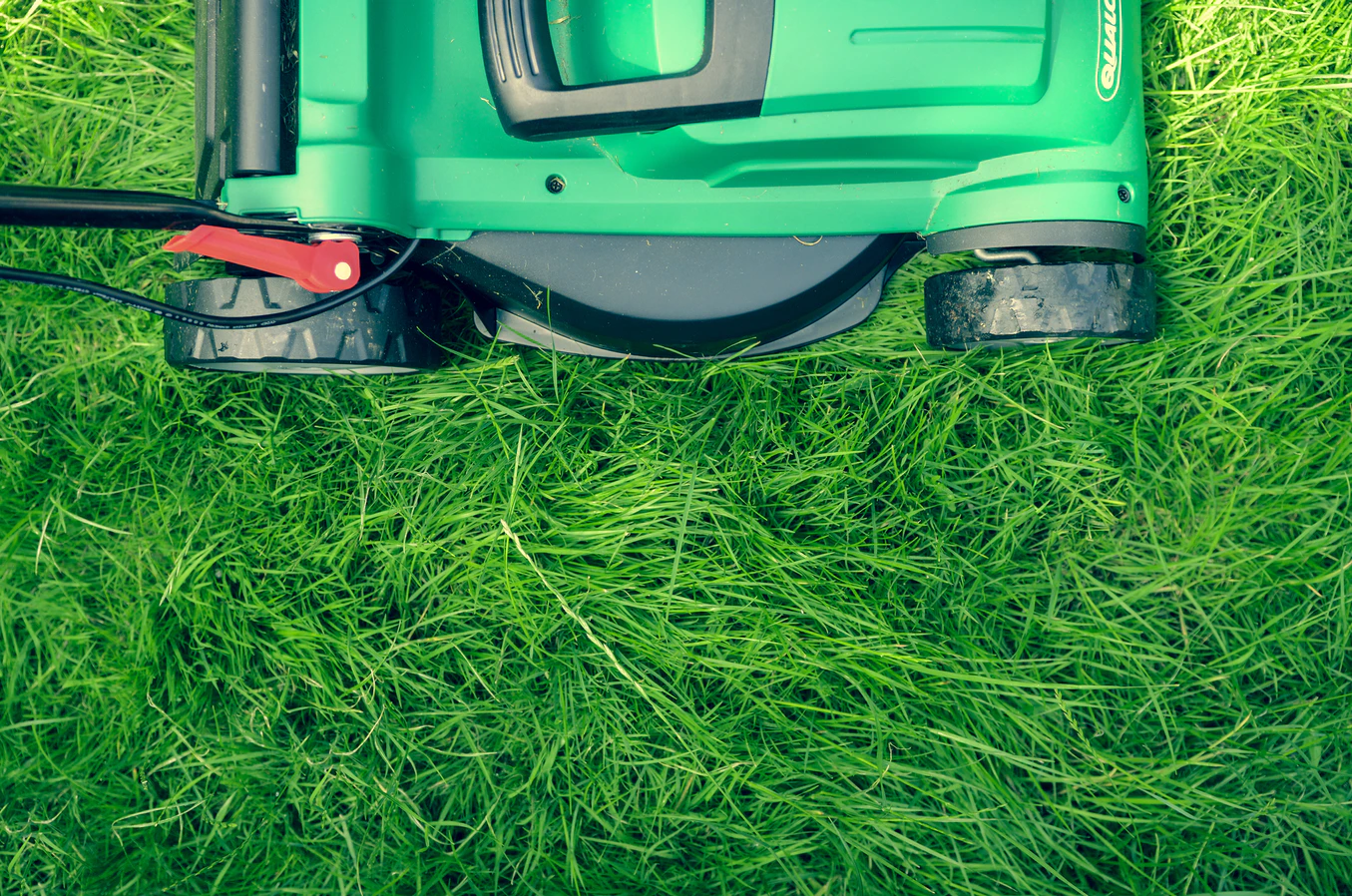
Everyone dreams of having a lush, green and weedless lawn. That makes your warm-weather backyard activities so much more enjoyable. Testing your soil, fertilizing, installing smart sprinklers and adding fresh mulch to your landscape can promote optimal lawn growth and make the outdoors your favorite place to be.
Test Your Soil
Your yard requires regular checkups. Soil tests offer an accurate assessment of your lawn's health, and the results show you which fertilizers to add and avoid. They also tell you nutrient differentiations in certain regions of your yard.
Homeowners can test their soil every three or four years to evaluate its pH, phosphorus, zinc and potassium levels, as well as organic materials.
Many residential yards contain excess soluble salts, indicating root disease. They may also experience iron or manganese toxicity, causing brown spots on leaves and grass blades. Iron deficiency can appear in white splotches. Knowing you have these problems makes them easier to address.
Fertilize Your Lawn
Once you identify problems with your soil, you can add specific fertilizers for nutrient support. Fertilizing is an essential lawn maintenance practice that influences recovery and weed prevention.
Nitrogen is the top nutrient needed in lawns with poor soil health. Fertilizers containing this element may feature fast-release or controlled-release nitrogen. Fast-release solutions quickly improve the color of your landscape, provide nutrients to cold soil and are cost-effective. Controlled-release fertilizers don't burn grass or dissipate through the ground or air. Adding nitrogen solutions to your lawn can enhance color and prevent weed growth.
Install Smart Sprinklers
Homeowners waste 30%-60% of freshwater on mismanaged lawn watering, mainly due to poor timing and improper application. Smart sprinklers calculate the weather and daylight to help with efficient watering.
These irrigation systems replace traditional controls, contain sensors and include internet connection to maximize lawn growth and conserve water. Smart sprinklers adequately water your lawn and garden to promote plant growth, creating an aesthetically appealing landscape.
Build A Wood Fence
You can increase your privacy and home security by installing a wood fence in your yard. In close residential quarters, fences may create a sense of solitude and comfort. They also add to the aesthetic and curb appeal of your property.
Wood fences project a natural decor that flawlessly compliments your home’s landscape. The traditional material holds up throughout the years and adds a sustainable flare to your property.
Add Fresh Mulch
Adding mulch to your landscape can effectively protect your gardens. It also increases the visible contrast between flower beds and your other lawn features. Mulch provides various benefits to the health of your yard, such as:
Weed prevention
Protection against soil erosion
Soil temperature maintenance
Moisture conservation
Spring Into Summer
Prepare for any summer gathering by making your yard lush and green. Engaging in the top landscaping techniques can help you maintain a beautiful lawn and enjoy the outdoors to the fullest.
Author bio: Rose Morrison is the managing editor of Renovated, where she offers advice on home renovation, maintenance, and organization.

Strategic Tips for Moving Into a Bigger Home
A larger house comes with more responsibilities—and potential. Use these strategic tips for moving into a bigger home so it won’t seem so overwhelming.

Upsizing? It’s an exciting time with a lot of responsibility. You’re ready to spread out and have found a space for you and your family. But it can be an overwhelming process if you don’t have a plan. Use these strategic tips for moving into a bigger home so everything goes smoothly.
Live With It First
You’re probably settling in for a while. Sit with it. For once, you can muse about where you want to put your things—not just wedge it all in however it fits. If you’re coming from a home that was considerably smaller, you’ll be discovering a lot about the new place. You could come across a closet you forgot was there, or want to scout different nooks for quiet meditation. Be open to ideas about how to use the rooms. Think about how to create a welcoming aesthetic. It’s a blank slate; don’t be too anxious to scribble all over it.
Understand Maintenance
Does a bigger home mean bigger problems? It doesn’t have to if you know what you’re getting into. But when there’s more square footage, it’ll take longer to clean, so decide on a schedule—or hire some help. A larger lawn also requires more commitment, and you might not be able to handle it yourself. Survey the appliances, flooring, HVAC system, and anything that needs repair or replacement. You can’t do it all at once, but you can set goals. You can also set date reminders so you don’t get thrown off on maintenance.
Shop One Step at a Time
This is one of our most strategic tips for moving into a bigger home: take a deep breath and appreciate the space. It’ll fill up soon enough. You’re probably excited to go out and buy new furniture, but it’ll be more satisfying if you let it evolve organically. Besides, you just signed up for a serious investment. You’re still not used to your new expenses—and there may be more than you realize. So if you must shop, do it right. Start with the rooms you’ll use the most and look for one piece at a time. You don’t often get the chance to create your own surroundings from scratch, so enjoy the process. Embrace the emptiness. You and your home can grow together.

Home Organizing Tips for Seniors
No matter whether your elderly lives at home, in a retirement community or in a senior living facility - it pays to create a comfortable living space for the elderly by organizing and decluttering the space. Doing so is important for their safety and security. But, how can you do that?

No matter whether your elderly lives at home, in a retirement community or in a senior living facility - it pays to create a comfortable living space for the elderly by organizing and decluttering the space. Doing so is important for their safety and security. But, how can you do that?
Here’s how -
Assess the Home of the Elderly
Needless to say, this is the first step in improving the home of your elderly. Start with making a list of all the things that might cause them trouble. It’s good to focus on areas where they generally spend maximum time.
Below are some of the commonest problem areas to focus on-
● Messy kitchen cabinets
● Fire risks
● Dark/dingy areas
● Difficult storage areas in the laundry room
● Hard to reach shelves
● Slippery hallways and stairs
● Slippery bathrooms
● Difficult doorknobs
● Dangerous stacked shelves
● A jam-packed medicine/bathroom cabinet
Once you figure out the areas in need of maximum attention, you can get to organizing them first.
Install Shelves
It’s good to install shelves for storing small items, supplies, and tools. Shelves are great for storing home and seasonal yard supplies such as weed killer, washing fluid, etc. If you live in one of the pet friendly senior living communities - ask for shelves a little higher up so that pets cannot reach them easily.
Relocate Furniture
Over the decades, it’s easy to accumulate a ton of furniture such as chairs, tables, etc. They can take up a ton of space in your home making free movement a challenge. Therefore, it’s a good practice to get rid of stuff that no longer serves you or fits your needs.
This step is particularly important if you’ve developed a new disability. Don’t worry if there’s not enough space to entertain guests. Your safety is far more important than anything else. Pay special attention to free, moving space in the living room as that’s the area where people spend most time.
Install Storage Solutions
It’s good to add storage shelves to your bedroom so you can store gift times, framed photographs, magazines, books, etc. Most of this stuff takes a ton of space on the nightstand and dresser.
Clean/Organize the Medicine Cabinet
If there are expired medicines in your cabinet, it could put your adults and seniors at risk of mental/cognitive disability. Therefore, it’s a good practice to clean out and organize your cabinet regularly.
It’s good to include caregivers and family members in the process so that only the necessary and safe medicines are kept and everything else (expired and unsafe medicine) is carefully discarded. Make sure to label each container so that it’s clearly visible.
Eliminate Garbage
Maximum heavy-lifting in terms of decluttering should happen in areas such as basements, garages, and attics. That’s because these areas are where most of the unused furniture, discarded items, and heavy boxes are stored.
If your elderly/senior is suffering from some kind of disability, it’s important to work with an abled family member or a caregiver before beginning with the decluttering process.
Some Additional Organization/Storage Tips for the Elderly
Other than the above-mentioned tips, there are some other ways also in which you can arrange your house and make it more functional, safe, and comfortable. Below are the ways in which you can do that -
● Label storage areas so that it’s easy to recognize them
● Store all the vital information, documents, and instructions all in one place so that they’re easy to find in times of need
● Make sure that the hallways, steps, and bathroom tubs are slip-resistant
● Keep entryways and steps clean for easy access
● Keep all dark areas well-lit
● Keep slip-resistant floor on the bathroom tub so that the seniors don’t accidentally fall down
Bottom Line
It’s important that you make the project of decluttering and organizing the living space as fun as possible for the best results. Be sure to also put a lot of forethought into planning.