

A resource for those seeking information on organizing and transforming spaces.

Guest Post - Best Gardening Tips for Beginners
We encounter prejudices that gardening requires a lot of free time, and in fact it takes two to three hours a week and a little enthusiasm. Gardening is fun and rewarding. If you are a beginner, we believe you have encountered challenges, but with the help of tips and tricks, you will be skilled to overcome them. No one was born a gardener, but with dedication and adequate plant care, you can create a real little paradise from your backyard. You will gradually get acquainted with various herbs, ornamental flowers, but also nutritious vegetables and fruits that will make your garden luxurious. There is nothing more beautiful than fresh food that you have grown yourself. Even if certain plants are not edible, they are fragrant and are a gift of nature.

We encounter prejudices that gardening requires a lot of free time, and in fact it takes two to three hours a week and a little enthusiasm. Gardening is fun and rewarding. If you are a beginner, we believe you have encountered challenges, but with the help of tips and tricks, you will be skilled to overcome them. No one was born a gardener, but with dedication and adequate plant care, you can create a real little paradise from your backyard. You will gradually get acquainted with various herbs, ornamental flowers, but also nutritious vegetables and fruits that will make your garden luxurious. There is nothing more beautiful than fresh food that you have grown yourself. Even if certain plants are not edible, they are fragrant and are a gift of nature.
Allow your hands to become the creators of the lovely green oasis, with tips from the following lines.
Each plant has its place in the garden, learn to determine it
When you decide to grow plants and choose seeds, you must educate yourself and read what growing conditions suit each plant individually. Some plant cultures love shade while others enjoy the sun. It is important to understand the plants and get to know your garden. You have been learning about gardening for years, and you just need to keep educating and researching. It is good to know the soil in the garden, in order to assess which plants will be able to grow. For example, camellias and magnolias grow better in alkaline soil. Soil assessment will help you determine which plants are worth growing.
Plant organization
First, investigate the conditions under which the purchased seed grows and thrives best, and then prepare a place for it in the garden accordingly. Things are made even easier by drawing a planting scheme on paper in accordance with the conditions of your garden. Without organization, your garden will be full of diverse plants that together will not look good and can sabotage each other in growth. With planning, you can accurately determine the color and structure of the entire garden. That way, you will be skilled to establish a garden that looks fantastic all year round.
Planting
When making a plant planting scheme, make sure that the soil inside your garden is adequate for plant development. You can take a soil sample to an agricultural laboratory or determine the pH value of the soil with a simple home test. Know that the pH value from 6 to 7 corresponds to most plants, except potatoes, eggplant and melons. It is always recommended to take a soil sample to experts because they will extract the value of potassium, sodium and phosphorus. Based on the obtained values, you will know how much you need to fertilize your garden in order for the plants to grow. Beginners are often confused when it comes to planting, because they are not quite sure if they did it in exact way. If in doubt, seek advice from more experienced gardeners or online. It is not enough just to hope for the best, but you also need to be properly informed. When you cultivate plants properly, they will live long and produce you a lot of fruit. Plants buried deep in the ground will not be able to grow, and the root balls left on the surface of the soil can dry out.
Gardening equipment
Many people think that they do not require equipment. Without the proper tools, you can quickly encounter an obstacle that cannot be overcome. From the equipment, it is essential to have scissors in various sizes, waterproof gloves, rakes, hoes, garden hose with an adjustable water jet and a shovel. These are the essential things, and it is advisable to have rubber boots in which you can step on the mud, as well as a hat that will protect you from the strong sun.
Start gardening gradually, be patient and modest
When we say be patient and inclined we want your gardening to thrive and not fall into the classic mistake. At the very beginning, most people opt for a substantial number of plants because one or two crops seem small to them. The seeds of plants are small, but as they grow and develop, they additionally require your attention. It is important to dedicate yourself to each plant and that is why you decide on two to three various crops at the very beginning. You will give them enough attention, and the result will be visible!
There must be space between various plants
As your knowledge of plants grows, you will want to expand the crops within your garden. Take the initial plan you made on paper and take a good look at how much space you have left inside your garden. Different plant cultures must not be too close to each other, because each of them draws nutrients from the ground and must have a personal space for growth and development. Only companion plants that are natural companions to each other can be planted nearby. If you are not quite sure whether the selected plants require more or less space, consult the seller.
Always keep in mind the need for watering
Before you buy certain plant cultures, research their water needs. Some plants require daily watering while others require less water. Coordinate your daily activities and the needs of the garden so that no one would suffer, and based on a rational plan, go shopping for certain plant crops. An important rule is to always water the root of the plant, not the leaves. You can water the garden daily or once a week, with more water. In addition to watering, it is important to feed the plants every two weeks during growth.
Use compost
Compost is added to nourish the plants and aid them to grow. Organic compost involves adding coffee grounds, tea bags and egg shells. Adding compost helps maintain moisture in the soil and creates a natural resistance to pests and diseases.
Protect your plants from pests
Most of the pests in the garden do not cause much damage to the plants. However, there are bugs and snails that can feed on your plants. Take care of them and therefore enable your plants to stay healthy and safe. In addition to pests in nature, plants can also be harmful. For example, if you grow tomatoes, you will keep them away from cabbage, beets, corn and rosemary.
Gardening requires patience, and you will see the results of your work only after a few months. The feeling of pride provided by the green oasis that you developed yourself is priceless!
Author Bio
Allan Wickerson is a passionate blog writer who is extremely keen on writing about health, lifestyle, home improvement, and technology. His exclusive hobby is surfing the net to find amazing articles that can inspire him with some fresh ideas for article writing. He loathes being a common person who wastes his time. Follow him on Twitter.

The Signs You Need To Use Water Softeners
Water softeners purify your home’s water, protecting you from harsh chemicals, bacteria, and excess minerals. Learn the signs that your home needs a softener.
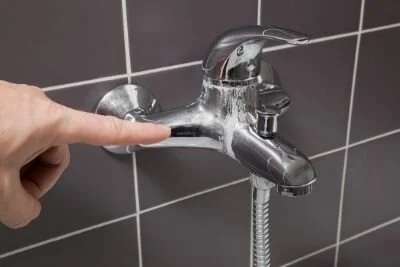
Adding a filtration system has many perks, and many of them are related to its ability to prevent hard water. Once you’ve considered the signs you need to use water softeners, determine which water softener is best for your home, so you can make an optimal investment.
Unsightly Limescale
Limescale usually builds up when hard water is present. The unsightly grime is a buildup of calcium and magnesium, two minerals that contribute to hard water. You may catch scale on various water fixtures around the home—this includes anything that spouts water, from your coffee pot to your showerhead.
Make sure you address limescale’s presence on your faucets and fixtures, as it usually indicates the presence of limescale in your home’s pipes. Too much buildup could lead to serious home damage and costly repairs.
Dull Hair, Dry Skin
Hard water doesn’t lather well with soaps and shampoos, leaving your skin and hair to suffer. Water that’s been softened ensures a more comprehensive lather and rinse, making the most of every shower.
Decrease in Water Pressure, Increase in Water Bills
Pipes that have buildup must work harder to work sufficiently. Even as it works harder—and garners a steeper water bill—your pipeline system will not perform to the best of its abilities.
One sign your home needs a water softener is a decrease in water pressure. Due to an unfortunate amount of buildup, your pipes cannot serve the pressure you desire, leading to subpar appliance performance and disappointing showers.
Water That Tastes or Looks Peculiar
Of the signs you need to use water softeners for your water fixtures, odd-tasting water is one of the most obvious. Water with a high mineral count often has a metallic-y taste.
Another way to tell whether your home could use a water softener is by looking at the water when it comes out of the faucet. If it’s cloudy or has high turbidity, your home may be due for a filtration system.
Faded Clothing
Just as it doesn’t lather well with soaps and shampoos, hard water does not lather with detergent. Insufficient suds cause detergent residue to accumulate on your clothing, leaving you with stiff, itchy, and dull clothes. If your laundry appears faded, it’s a sign your water’s mineral content is unfavorably high.

The Pros and Cons of Starter Homes and Forever Homes
When house searching, it tends to be a big decision on whether or not you are looking for a short-term starter home, or your forever home. There are pros and cons to both, especially depending on your current income and life circumstances.
When house searching, it tends to be a big decision on whether or not you are looking for a short-term starter home, or your forever home. There are pros and cons to both, especially depending on your current income and life circumstances.
In 2019, 33% of homebuyers in the United States were first-time homebuyers. If you are currently debating on which type of home you are looking for, here are some quick pros and cons of investing in a starter vs. forever homes.
Starter Home
Pro: Lower price point- Compared to forever homes, starter homes tend to sit at a much cheaper price point.
Pro: Minimize the commitment- With starter homes, there is less commitment, especially if you are just renting or planning to live there short-term.
Con: Smaller Space- Starter homes tend to have smaller square footage. Although they are great for first-time homebuyers, they may get a bit tight if you are planning on adding some family members into the household.
Forever Home
Pro: Less moving- Once you have found your forever home, there is less need for moving around more. This is a great time to solidify your roots in your area!
Pro: Customize your home- With a forever home, you can renovate and improve your home in any way you like. You can invest money into your home that you will pay you off once you decide it is time to let it go in the future.
Con: Higher Cost- Compared to starter homes, forever homes tend to be much higher in price point, especially if you plan to invest in new additions in your home.
As you decide on what type of home you are looking for, keep in mind your goals and finances. When buying a new home, it is important to check on current mortgage rates to see what loans you can receive at your price point.


Five Ways to Save Your Furniture From Fading
Here are some tips for preventing your furniture from fading and keeping your interior design in good shape.
“Spring is the time of year when it's summer in the light and winter in the shade,” wrote Charles Dickens.
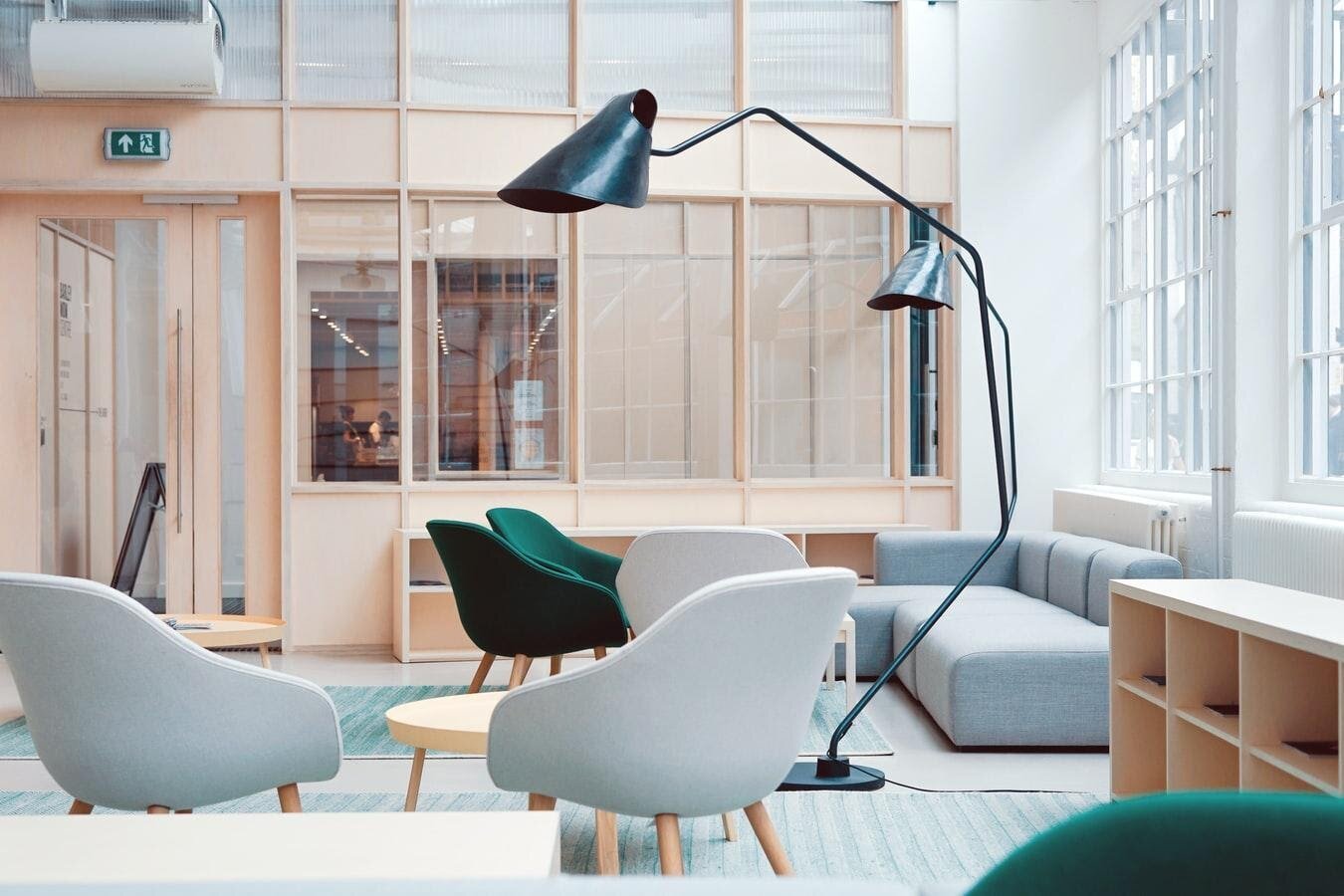
If you might be tempted to run for the sun in the summer, your furniture may benefit from some shade. We all know that using sunscreen to protect our skin from ultraviolet (UV) radiation is necessary, but did you know that UV can also damage the interiors of our homes?
Furniture, flooring, artwork, and even books are susceptible to fading, and as the days grow longer in the coming months, you will want to consider how to shield your belongings from the sun's increasing rays.
Here are some tips for preventing your furniture from fading and keeping your interior design in good shape.
Rearrange your belongings.
Let's begin with the most obvious.
Take some time on a bright day to sit and observe how the sun interacts with your room. Is there some shaded area where your most vulnerable furniture – those with dyed fabrics – should be placed?
Smaller furniture, in particular, should be easy to tuck away in a shady spot. Bookshelves are easy to crowd into a corner if you want to avoid fading book spines and yellow page corners.
If your space is south-facing and has a lot of windows, you'll have a hard time finding a place where direct sunlight won't penetrate. If your room is dual-aspect, you can abandon it right now and look for other options.
Of course, none of this can help avoid harm to carpets, rugs, or wooden floors.
Consider the window treatments.
You won't like thinking about ways to let less light into your home if you like how your bright room lifts your mood and you don't want to sit in the dark. There are, however, concessions you can make to preserve your furnishings and add character to your home without making it dark and dreary.
Sheer curtains may be the solution. They're light, so they won't take over, and they're transparent, so they let plenty of diffuse light in while reducing the damage caused by direct sunlight. They are available in a wide range of colors and transparency levels, so you should have no trouble finding the perfect match for your room.
Blinds are another flexible choice because the slats can be easily adjusted to cover your furniture while still allowing plenty of light into space.
Vertical blinds have an office feel to them, but Venetian blinds can work in almost any environment. If you own a period home, you may want to think about adding shutters on the outside or inside.
You may want to consider replacing your double-glazed panels with windows that have built-in or interstitial blinds. The best part about interstitial blinds is that they're enclosed between glass panes, which means the slats can't be scratched and don't need to be dusted.
How about solar blinds?
At the moment, solar blinds are very common. They provide diffuse light, minimize UV exposure to your furniture, and can help keep your room cool in the summer.
They're made of transparent material, similar to sheer curtains, and provide a view of the outside world while making it more difficult for people outside to see in. If privacy is an issue, a less translucent grade would be preferable since anything happening in a room illuminated by electric light at night would be visible to anyone paying attention.
Solar blinds are available in vertical or roller styles and a variety of colors, so you should have no trouble matching them to the interior of your house.
‘Sunglasses’ for your windows
Solar window film reduces cooling and heating costs, reduces glare from the sun, and can also improve privacy in the home by blocking up to 99 percent of harmful UV light.
Although it can be tempting to make this a do-it-yourself project, the high-quality solar film can only be installed by a professional. It's also a good idea to double-check with your window manufacturer to make sure that installing film won't void any warranties, though many window film installers give overriding warranties if that's essential. When washing your screens, stop using any sharp tools or scrapers until they've adhered.
Depending on their intended use, these films vary in quality and are made of various materials. Depending on which choice you choose for your home, almost all films will dim your vision of the outside world to some degree.
Replace the glass in your windows.
If you're thinking of replacing your windows, choose glass with an energy-efficient coating that will help to moderate the heat in your room while still protecting your furniture from UV light.
It's possible to replace only the double glazed unit and keep the uPVC, wood, or aluminum frame if your frames are in good shape and don't need to be replaced. Replacing current glass with a low-E, energy-efficient solution is relatively inexpensive, and you don't have to install all of your windows. Prioritize the rooms that are most influenced by UV rays, which are usually those that face east or south.
If you prefer undressed windows with crystal clear glass, and your current windows have poor thermal efficiency, this is a great solution that kills two birds with one stone.