

A resource for those seeking information on organizing and transforming spaces.

Detecting Sneaky Leaks: How to Find a Plumbing Leak at Home
Homeowners rely on their sophisticated plumbing systems day in and day out. After all, routine activities like washing the clothes down to using the toilet can become challenging when the plumbing system no longer works as it should.

Homeowners rely on their sophisticated plumbing systems day in and day out. After all, routine activities like washing the clothes down to using the toilet can become challenging when the plumbing system no longer works as it should.
During the scorching summer months, water consumption increases significantly as people often use their pools or showers. That said, leak detection inspection and preventative maintenance checks are beneficial during those times of the year.
Water leaks are prevalent. They can also occur anywhere—in the sinks, showers, drains, and bathtubs. Unfortunately, not all leaks are as apparent as a leaking tap or a burst sprinkler. However, the importance of detecting leaks early cannot be overstated.
Top Ways to Detect Covert Plumbing Leaks
Early leak detection will not only save you a massive amount of money, it can also help ensure you can avert any disaster that can cause damage to your property. Below are some ways you can detect sneaky leaks so you can nip any problems in the bud early:
Keep an eye on your water bill
Typically, monthly water bills are predictable. If you have not been doing anything out of the ordinary in terms of water usage, you can more or less expect to pay the same amount each month. However, when your water is abnormally high all of a sudden, you have reason to believe you might have a hidden leak.
The Environmental Protection Agency estimates that a family of four will only use around 12,000 gallons of water monthly. A staggering 900 billion gallons of water are wasted because of leaks—definitely, a massive figure by any standard. Undoubtedly, keeping an eye on your water bill is a wise and practical move.
Check your water meter
If you think you have a water leak and would like to confirm your suspicion, monitoring your water meter would be an excellent place to start. The water meter is typically placed on the side or back of the house. Water lines can also be found where the supply line enters your property.
When monitoring your water meter, keep the following essentials in mind:
Ensure all your water faucets at home are turned off. You also need to make sure the washing machine and the dishwasher are not running.
Check your water meter and write down or take a mental note of the numbers. Come back again in an hour (or two) and recheck the numbers. If there's a change in the numbers, you likely have a leak somewhere.
If you want to check the leak's location (indoors or outdoors), turn off the shut-off valve of your main water supply. You can often find the shut-off valve in the basement or utility room.
Recheck your water meter and remember the numbers. If there is no change when you check an hour after, the leak is inside your home. If there is a change in the numbers, the leak is most likely within the waterline.
Dye test your toilet
Toilets can also be possible sources of internal leaks. Eventually, your toilet's flapper can become brittle. This can cause the water from the tank to trickle into the bowl. To dye test your toilet, use food coloring.
Put a few drops of food coloring in all the tanks of your toilets at home. If your bathroom has a leak, the color will appear in your bowl in a few minutes. As soon as you can confirm the toilet link, it is recommended that you have a plumber replace your flapper.
Check for other signs of possible leaks
Even if you don't have any leaks when you last checked, leaks can occur when you least expect them. The following red flags can be indicative of a possible leak:
Musty smell. If you have a persistent but undetected leak at home, it can provide the consummate environment where mold can grow. Often, mold thrives inside the walls, so it's not always easy to spot. However, the musty smell should tell you something is up that needs further investigation.
Bubbling paint or bulging wallpaper. Bubbling paint and bulging wallpaper are two classic signs that indicate your wallboard is wet. Also, a bulge in your wallpaper can be a sign of extensive water damage. You might also need to replace your wallboard.
Wall discoloration. Water discoloration can be a sign that there is a water leak from behind your drywall or the front side. Water stains on the walls and ceilings can also appear. The stains are typically yellowish or brownish.
Final Thought
For many homeowners, detecting sneaky leaks can be very challenging. Fortunately, the methods laid out above can surely help. However, if you suspect a leak but can't find it, hiring a seasoned plumber is your best recourse.
How to add a Personal Touch to your New Place
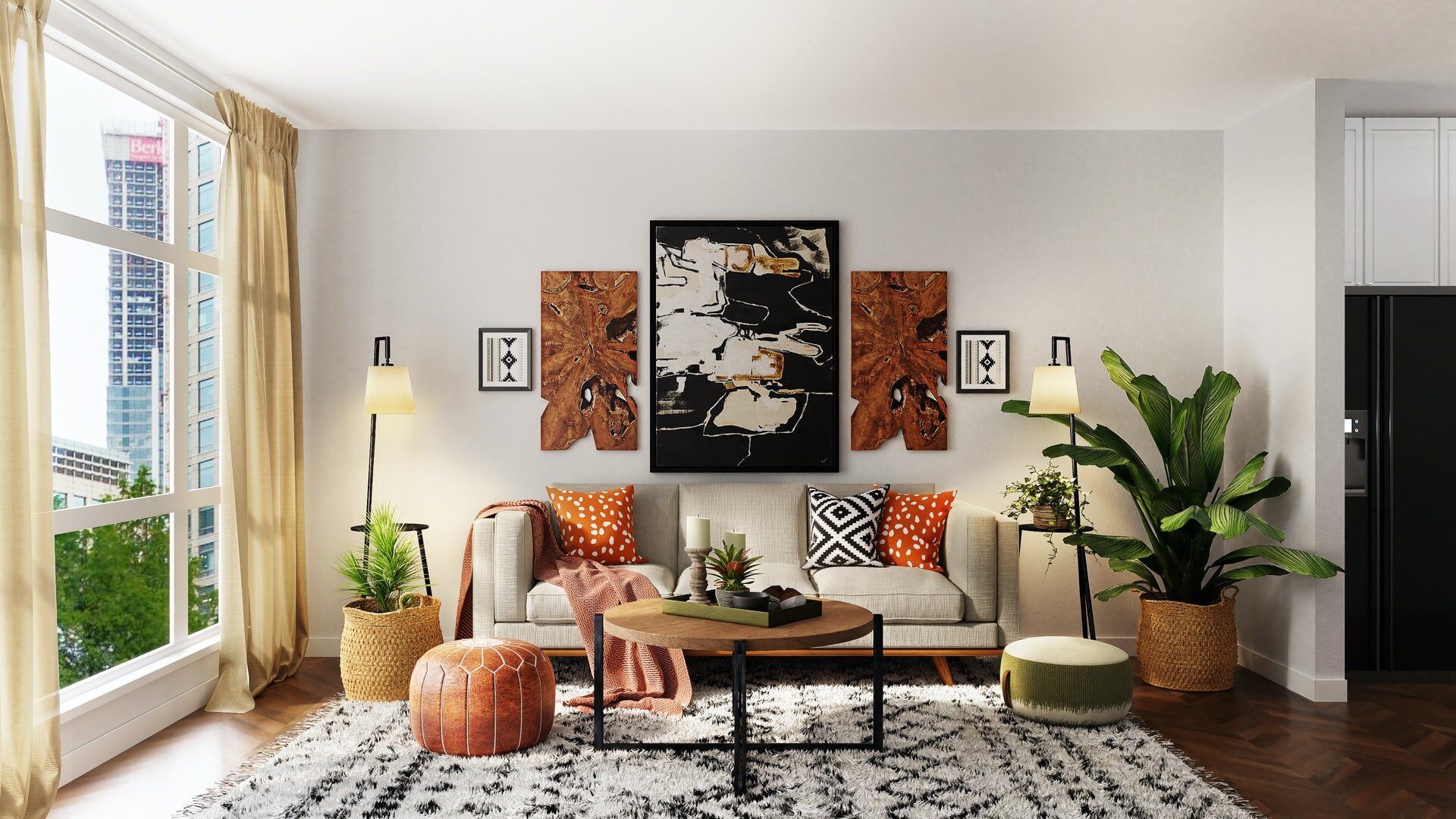
What does it mean to personalize something? How do we make something our own? The answers might be more complicated than you think because every human being is different. Who we are and what we do often reflect in our living spaces. Sometimes, we are not aware that we follow fashionable styles instead of finding what best works for us. Things like having a favorite color, type of outfit, historical period, interior design style, movie genre all define us and give us certain uniqueness. Thus, to add a personal touch to your new place, ask yourself what you want to achieve with this project? Is it to make it more visually appealing or to make it comfortable? And even though these two can come together, achieving balance can be a little more complicated than you think.
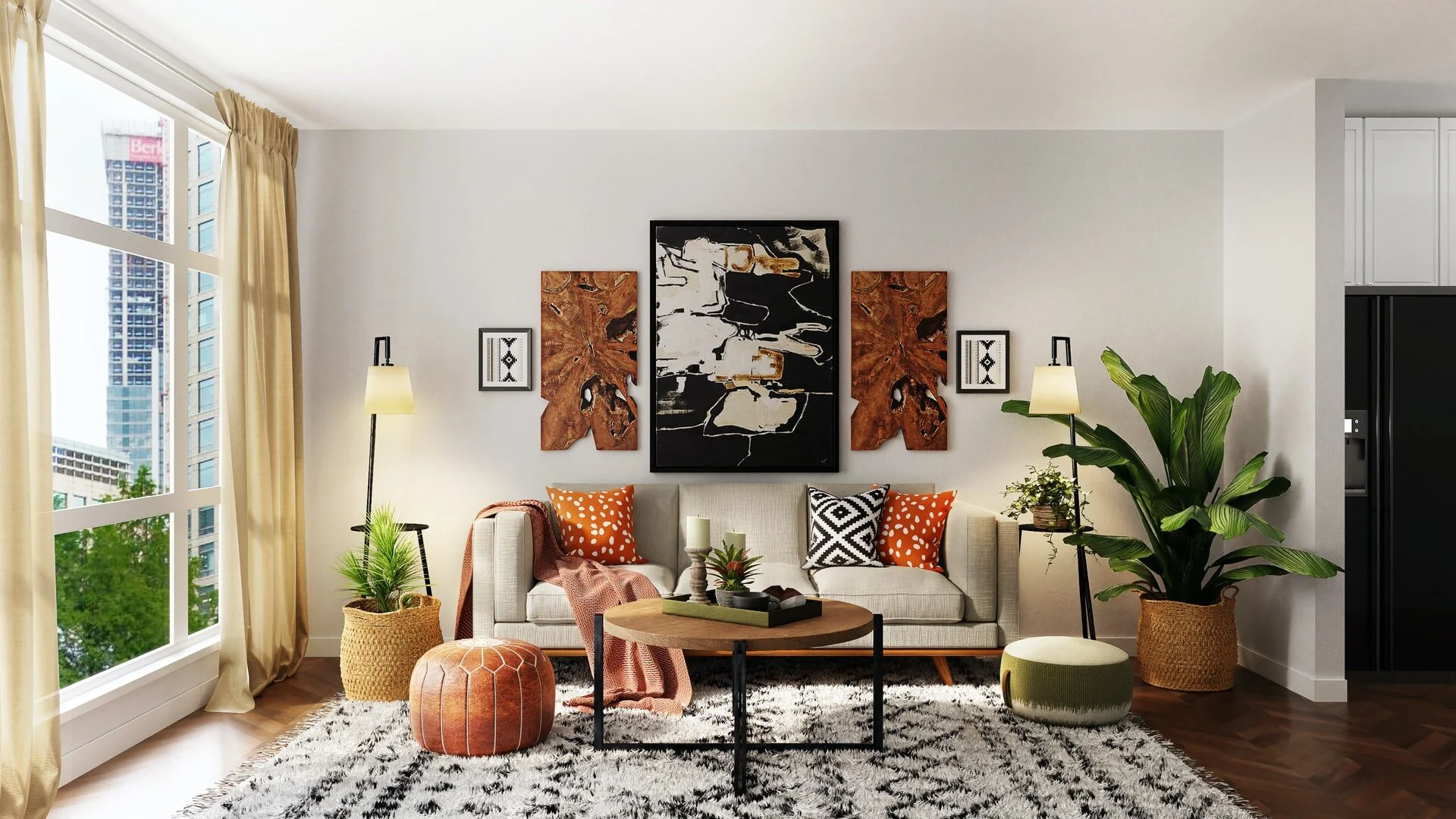
What does it mean to personalize something? How do we make something our own? The answers might be more complicated than you think because every human being is different. Who we are and what we do often reflect in our living spaces. Sometimes, we are not aware that we follow fashionable styles instead of finding what best works for us. Things like having a favorite color, type of outfit, historical period, interior design style, movie genre all define us and give us certain uniqueness. Thus, to add a personal touch to your new place, ask yourself what you want to achieve with this project? Is it to make it more visually appealing or to make it comfortable? And even though these two can come together, achieving balance can be a little more complicated than you think.
Follow your interior design style
If you want to stay within the limits of tastefulness, it's essential to pay attention to the home interior while expressing your personality through it. For example, if your apartment follows minimalistic interior design standards, the amount of accessorizing the space will be limited. This style has variations, but it often seems detached and depersonalized because nothing in this concept should stand out. Now, some designs allow playfulness and combination, but everything should be meaningfully assembled. Unlike minimalist, boho, and southern style interior designs are all about the personal touch. Their aesthetic allows playfulness and expression of your tastes. When it comes to living spaces, they should never blindly follow fashion. Just because it's in, it doesn't mean it's the right fit for everyone.
Memorabilia and hobby decor display

And while following standardized design traits might make it easier to furnish our apartments, we need to figure out how practical it is and how spending time in it makes us feel. To have everything you need in your new home, you shouldn't only focus on functionality but also overall aesthetics. Things around us can trigger many good and bad emotions that subconsciously affect our thoughts and memories. In the era of fast living and unhealthy lifestyles, our homes are sanctuaries for our minds and bodies. The basic furnishing will make the skeleton of the house, and by decorating it, you will add meat to the bones. Still, only after displaying some memories will your new home gain a heart. Add a personal touch to your new place by expressing your tastes, preferences, emotions, and memories. Nothing makes it feel more like home than that.
Decorating a place with natural elements
For those who like spending a lot of time in nature and those that wish they could do the same, decorating a home with natural textures and elements might be just the right thing. Wooden pieces are incorporated in many interior home designs, so combining them with rock, leather, or wicker details can be a good combo. Also, adding plants to your home is a great idea. But if you haven't had experience in growing plants before, start with the beginner houseplant kit. Focus on plants from Ficus, Cactus, and Succulent family. They are very decorative plus easy to maintain. However, if your home design doesn't allow that much experimenting, or you don't feel like taking care of plants, there are always temporary solutions. You can refresh the space by adding some vase flower decor.
Adding elements to achieve a "warm vibe"
Warmth is something every home needs. And the best way to achieve it is by dedicating some time to wall colors, textiles, and accessories. If you don't plan to change the colors of your walls to brighter, eye-soothing tones, other things can help you bring coziness into your apartment. Whether it comes to the palettes and textures of your furniture, bed covers, cushions, wall decor, or adding rugs and carpets to your home, textile elements are always game-changers.
Use originality and creativity to add a personal touch to your new place

With moving to a new place, you have the perfect excuse to "feather the nest" and make it feel like your own. Naturally, this will come much easier for you if you are an artistic and crafty person. There are plenty of DIY projects you can engage in, expressing your true self. From making collages to refurbishing the furniture, everything is easily and affordably done with a bit of will and creativity. And even if you're using someone else decor ideas to enhance the features of your place, add something new to make it original and yours.
Light brings the best features of any living space
Natural light is one of the most important features of every room. It provides brightness while emphasizing the details and colors, making the place more welcoming. But if your home cannot give enough of it, solve it with creative lighting ideas. Traditional fixtures can be dull. Thus, adding unique and trendy lighting solutions will transform the place. Ways to do it are plenty, but before making these changes, decide on their function and style. Installing recessed lights, decorative wall sconces, or chandeliers will provide ambient light, while lamps, swag lights, swing-arm lamps, up-lights, and spotlights can help with the task and accent lighting.
Personalizing your home will help you adapt faster
There is nothing worse than feeling unfamiliar in your own home. After the move, we are overwhelmed with a mix of emotions because changing homes is never easy. The break of routine, nostalgia, stress, caution towards the new environment make it harder to adapt to your new place. And even though we might not be able to accept all new things at once, we can start embracing the changes by making our house feel like a home. The best way to do that is to discover your taste if you haven’t already and add a personal touch to your new place.
Features to Consider When Investing in a New Roof
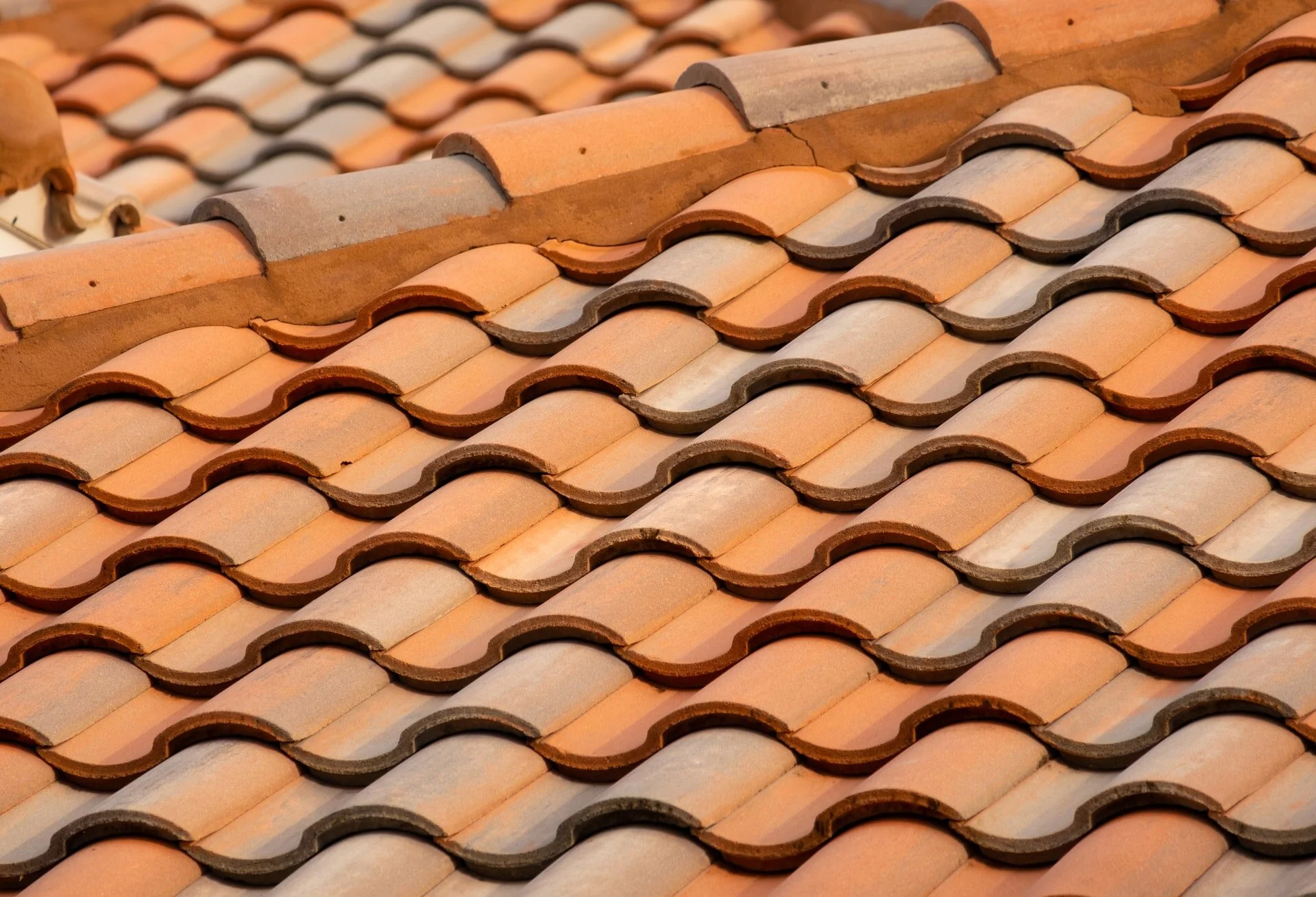
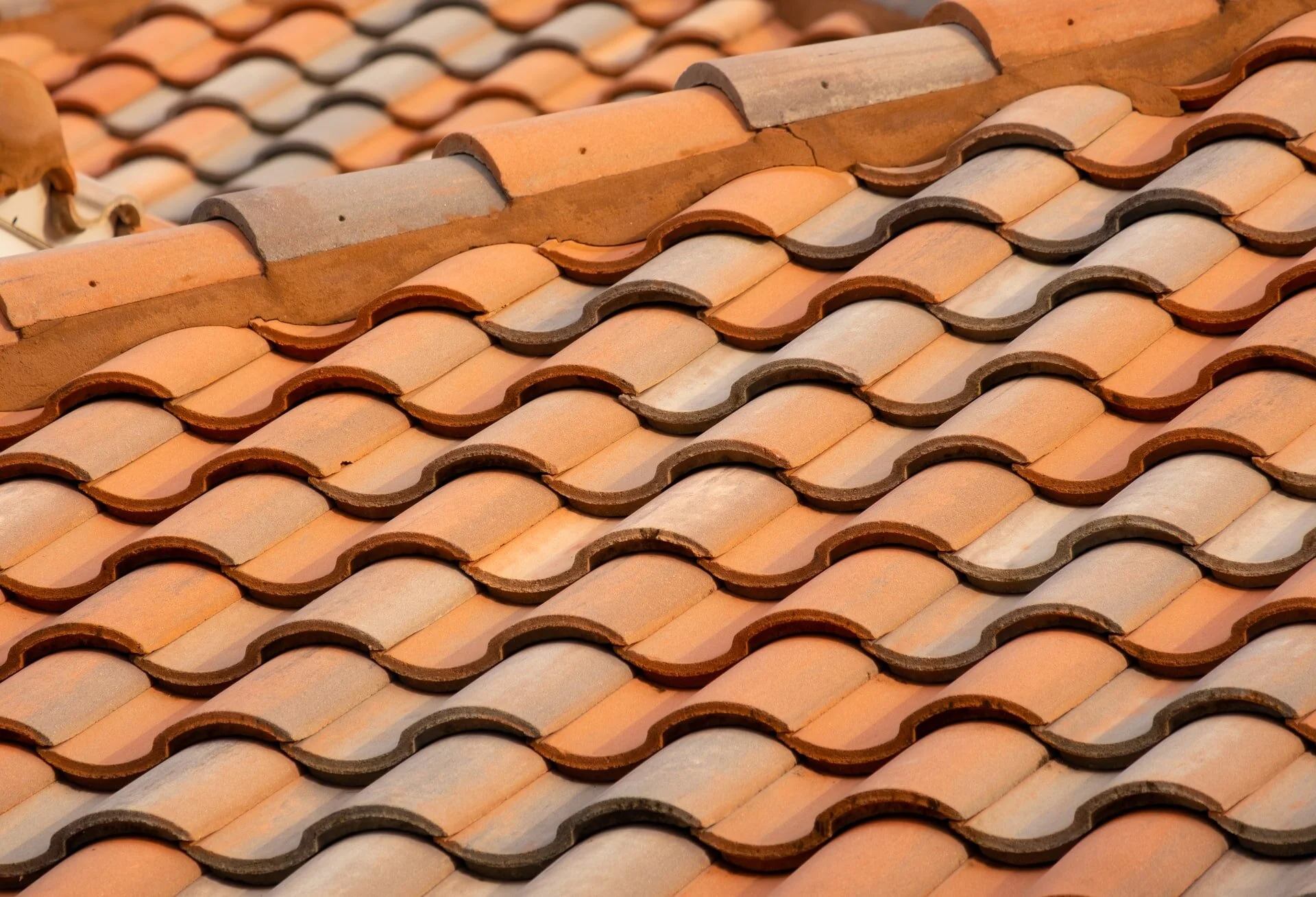
A new roof is necessary if you notice signs, such as water leaks, cracked or damaged shingles, roof sags, and an aged roof. New roofs are essential investments for homeowners, so you should be careful when deciding on the right roof for your home. You may consider a multitude of features like architectural style and preferences when looking for a new roof for your home. If you plan on installing a new roof, consider these factors.
A new roof is necessary if you notice signs, such as water leaks, cracked or damaged shingles, roof sags, and an aged roof. New roofs are essential investments for homeowners, so you should be careful when deciding on the right roof for your home. You may consider a multitude of features like architectural style and preferences when looking for a new roof for your home. If you plan on installing a new roof, consider these factors.
Material
An important feature to consider when replacing your roof is the roofing material. You need a material that matches your preferences, style, and appearance. It would be wise to choose a different material from your previous one, and consider new roof types. Analyze each roof material carefully by thinking about their pros and cons. If you are unsure of the right material to match your home needs and style, you may consider consulting an expert. They will assist you to choose the best roof material to invest in your home.
Your Local Climate
Climate is an essential feature when looking for a new roof. It can help to determine how long the new roof lasts. Roof materials are engineered for different climates. If you live in an area that is susceptible to heavy rains and snow, choose a new roof that can best protect you from the harsh weather conditions. Also, investing in the right roof based on your area’s climate can extend the roof’s lifespan. Additionally, considering the roof’s color in relation to climatic conditions is necessary. For instance, dark roods retain heat, while lighter colored roofs repel it. Therefore, consider your climate when choosing the roof color to reduce your energy bills.
Architecture
Your home’s architectural style can influence the type of roof you select. It’s best to install a roof that matches with the style of your home. Some homes look well with asphalt shingles while others might require an extra mile to maintain the building’s integrity.
Budget
As with any home project, your budget plays a vital role. Some roofs are more expensive than others. Therefore, understand your budget so that you choose a roof to match it. You can talk to professional or roofing companies in your area to help you choose a roof that fits your budget without compromising its quality. Also, browsing inventories helps to compare your options.
You can easily get overwhelmed when replacing your roof. However, the features above, such as budget, climate, and architectural design make the decision easier to make. Also, you will choose a roof that compliments your home.
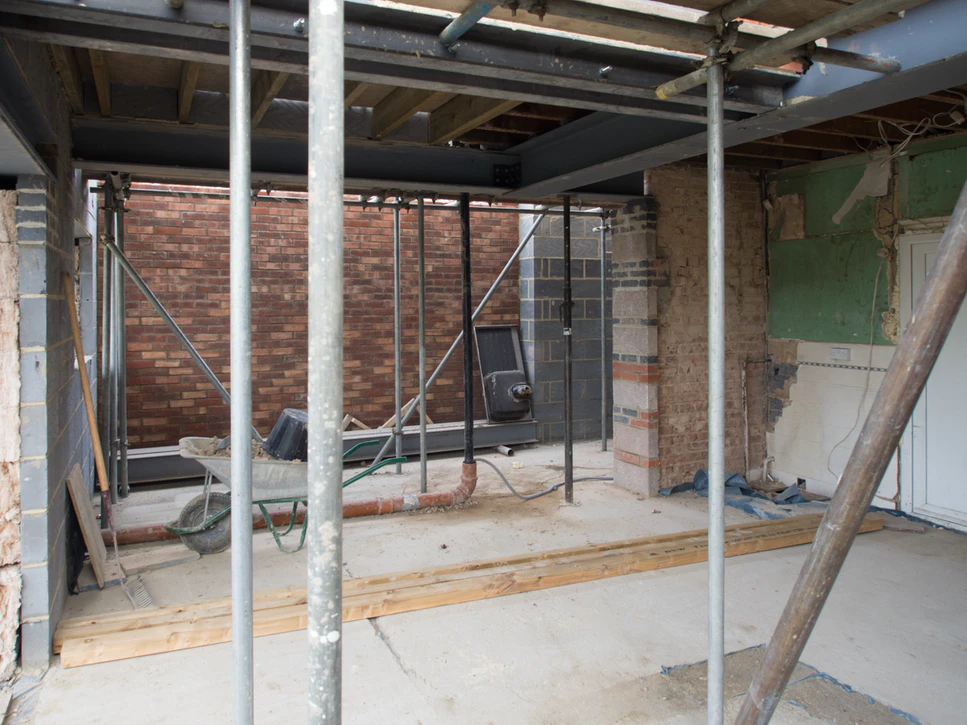
Ready to Finish Your Basement? 4 Steps You'll Need to Take
Finishing your basement is a wonderful way to add useful space to your home. However, the process is an involved one, and you’ll want to ensure you avoid potentially costly mistakes. Here are four steps you’ll need to take when finishing your basement.
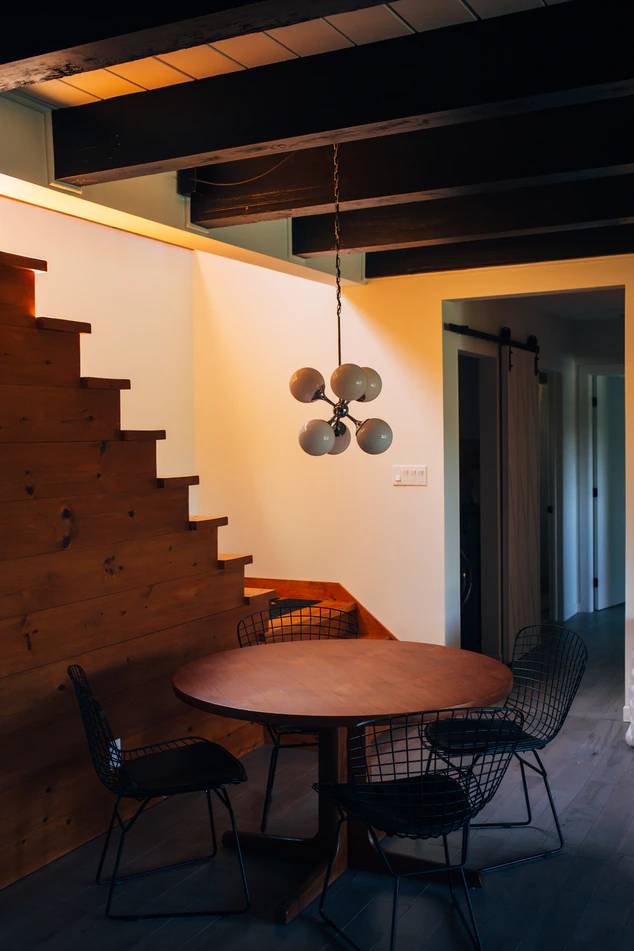
Finishing your basement is a wonderful way to add useful space to your home. However, the process is an involved one, and you’ll want to ensure you avoid potentially costly mistakes. Here are four steps you’ll need to take when finishing your basement.
Apply for Appropriate Permits
The permits you’ll need to pull to finish your basement will vary depending on where you live, but it’s critical to ensure your work is appropriately permitted to avoid potentially costly fines and other sanctions. Note that permits are designed to ensure work is done in a safe manner; improperly done work can lead to serious injuries and potential legal liabilities. In many cases, work done without a permit, even if done well, may need to be removed or redone.
Waterproof Your Basement
Basements are notoriously leaky. Although small or even undetected leaks might not seem to be too much of a problem in unfinished basements, even the tiniest of leaks can wreak havoc on your basements once it’s finished. Basement waterproofing helps you locate and mitigate leaks early on in the process, and it can save you from significant repair bills in the future when done properly.
Focus on the Walls
You have several options for finishing your basement walls, but drywall is the most popular due to its low cost and relatively easy installation. While setting up the frames and before installing drywall, make sure to think about utility hookups and plan accordingly; it’s far easier to place electrical outlets while in the planning phase than redoing work once your drywall is installed. You’ll also want to consider your insulation options beforehand.
Install the Ceiling and Flooring
Make sure to consider your options for finishing your ceiling, but don’t discount the option of having an open ceiling if you like an industrial look. Drop ceilings are a classic option, and drop-ceiling kits give you excellent aesthetic options. Drywall ceiling can also work well, but, again, make sure to consider your utilities before settling. It’s likely that you’ll need to install subflooring as well, which gives you a flat surface to work with. Finally, choose which flooring is right for you; fortunately, there are plenty of DIY-safe options to choose from. Make sure to think about pets and kids when comparing different flooring options.
Whether you’re finishing your basement to create an entertainment center, an office or even a bedroom, make sure to plan ahead. Basement finishing isn’t as costly as some other types of remodeling, but the costs can add up if you make mistakes along the way. Fortunately, there are more options available today than ever before.