

A resource for those seeking information on organizing and transforming spaces.

What You Should Look for When Touring a New Home for Sale
If you are in the market for a new home and find one you like, having a walk-through is certainly an important way to find out if it is indeed your dream home. Yet while you may be mesmerized by certain aspects of the home, it is also important to keep an eye out for potential problems. Before you set out to embark on your next home tour, keep these important tips in mind as you walk around looking at various nooks and crannies.

If you are in the market for a new home and find one you like, having a walk-through is certainly an important way to find out if it is indeed your dream home. Yet while you may be mesmerized by certain aspects of the home, it is also important to keep an eye out for potential problems. Before you set out to embark on your next home tour, keep these important tips in mind as you walk around looking at various nooks and crannies.
Cracks in the Walls
While a small crack here and there in drywall is likely nothing to worry about very much, larger cracks or ones found outside on the home's foundation are another matter. Should you spot these, it may be an indication structural damage exists, or that leaks are a recurring problem.
Examine the Electrical Box
When you head down into the home's basement or utility room, take a few minutes to examine the electrical box. To begin with, look to see if there is any exposed wiring, or if the box looks like it has not been upgraded to match current technology. If you have any questions about this, make sure you address them with the real estate agent before you ever sign on the dotted line.
Check the Windows
While this may not sound extremely important to you, checking the home's windows can give you insight into many areas. For starters, making sure the windows open and close properly will mean the home likely has no structural problems regarding foundation movement. Also, making sure the windows appear to be of higher quality will mean your heating costs will probably stay lower in the winter.
Look for Fresh Paint
Even though you certainly want to see plenty of fresh paint inside any home you are touring, too much of a good thing can mean the house has issues. For example, if you see fresh paint in a room that otherwise looks as if it has not had much done to it recently, this could mean something needed to be fixed, or that the owners are trying to cover up something until a new buyer comes along. Rather than be left wondering, talk to the agent in charge of your tour.
By having a keen eye for the smallest of details when touring a home, you may be able to spot potential problems. Whether it is the windows, fresh paint, or cracks that look suspicious, addressing these concerns early on can help you avoid unexpected and potentially expensive problems later on.
Got a Hole in Your Roof? How to Patch It up Quickly
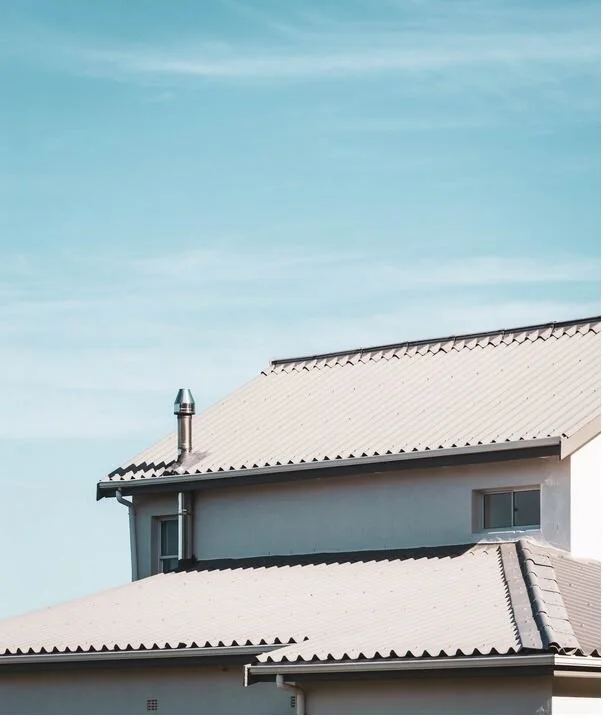
The purpose of a roof is to protect you from bad weather. But, wear and tear, elements, and age can damage your roof, resulting in water getting inside your home. Once you notice a hole in your roof, you should move to patch it up quickly to avoid severe water damage. If the damage is not extensive, you can repair it by yourself as you await the arrival of a roofing expert. Follow the steps below to patch a hole in your roof.
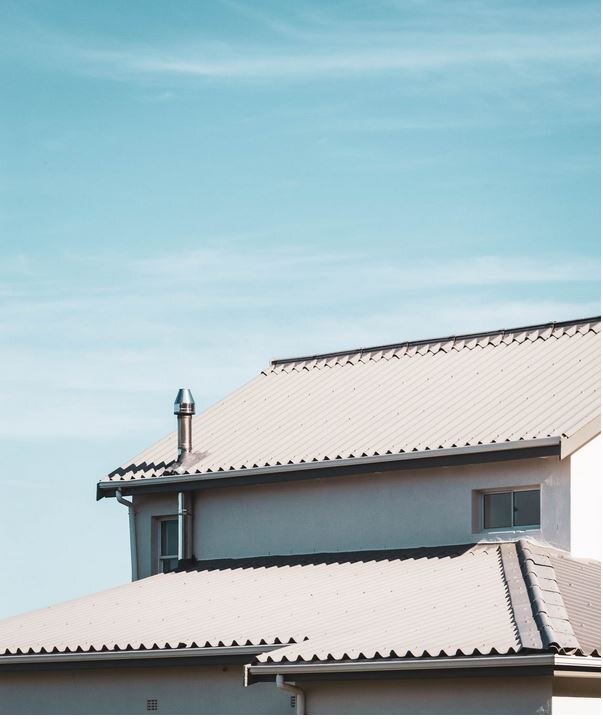
The purpose of a roof is to protect you from bad weather. But, wear and tear, elements, and age can damage your roof, resulting in water getting inside your home. Once you notice a hole in your roof, you should move to patch it up quickly to avoid severe water damage. If the damage is not extensive, you can repair it by yourself as you await the arrival of a roofing expert. Follow the steps below to patch a hole in your roof.
Locate the Damaged Area
The first thing is to identify where the hole is located. You already know there is a problem because of wet walls or ceilings, but you may not know the actual source of the leak. Therefore, it is essential to narrow down the location of the leak. Go to the attic and look for wet stains or leaks. You can also look outside to look for penetrations in the roof and damaged or missing shingles. Do not forget to check vents and the chimney too. If you cannot identify the source of the leak through your attic, run water on different parts of your roof. Have someone on the inside to watch for water drips.
Patch the Hole
The simplest way to prevent water from getting into the house through a hole in your roof is to cover it before you seek the help of roofing contractors. You can cover the hole using a tarp. Place the tarp across the damaged area and reinforce it with things that can withstand wind. The tarp should lay with its upper edge overlapping the ridge of your roof. By doing this, water will not run down your roof, under the tarp, into the hole.
If you know how to use tools around the house, there are other ways to patch a hole in your roof. You can start by removing the shingles in the area surrounding the hole. Next, plug the hole with roofing tar and wood, or purchase a customized roof patching kit.
Having holes in the roof is a common problem. Patching the hole involves observing safety precautions and taking a lot of care. Therefore, you should ensure that you do not further damage your roof in the process of patching up the hole. If you have never repaired a roof before, it would be safer to call a roofing contractor to fix the damage.

Top Reasons To Install New Windows
It's rare for homeowners to consider replacing their windows before they're visibly falling apart. But just because your windows are fully intact doesn't necessarily mean they're in good shape. Let's look at some of the<strong> top reasons to install new windows.
It's rare for homeowners to consider replacing their windows before they're visibly falling apart. But just because your windows are fully intact doesn't necessarily mean they're in good shape. Let's look at some of the<strong> top reasons to install new windows.
They're Looking Worse For Wear
Of course, you should always consider repairing or replacing your windows if they're noticeably worse for wear. Maybe they're scuffed and cracked from the latest thunderstorm that breezed through town. Storm-damaged windows aren't too difficult to handle, though you might not enjoy the chats with your insurance company. Maybe the windows are on the older side and they’re breaking apart as they near the end of their lifespan. These are the windows that need replacing. Even the most talented contractor can’t turn back the hands of time.
Puddles on the Floor
This is the next top reason to install new windows. Have you noticed that the floors in your house are often inexplicably damp? Every time it rains or snows, you wind up with puddles on the hardwood and a swampy carpet. That wetness didn't just appear out of nowhere. Most likely, it made its way into your home through cracks or tiny holes in the window frames or panes. You can fill small cracks in the frame yourself by applying waterproof caulk, but you can’t readily fix this issue—you'll need to replace your windows.
You're Tired Of the Noise
Does it sound like your home is right next door to the airport, interstate, and train station, even though all those things are miles away? It might be because you have older windows that weren't designed with soundproofing in mind. Most older windows were made with only one pane, while modern windows feature a minimum of two. The more panes your window has, the quieter and more energy-efficient they'll be. If you have single-pane windows, replace them—they aren't good for your wallet, and they aren't good for your sanity, either.

Got an Asphalt Driveway? How to Seal It up Properly
Many people make mistakes when sealing their driveways. Homeowners with asphalt driveways over-seal them, while those with concrete driveways do not seal their driveways at all. A sealed asphalt driveway appears fresh with a black finish, but you should seal the driveway at least once in two or three years. Frequent sealing of an asphalt driveway leads to peeling and an unsightly hairline. The following is a guide on the proper sealing of an asphalt driveway.

Many people make mistakes when sealing their driveways. Homeowners with asphalt driveways over-seal them, while those with concrete driveways do not seal their driveways at all. A sealed asphalt driveway appears fresh with a black finish, but you should seal the driveway at least once in two or three years. Frequent sealing of an asphalt driveway leads to peeling and an unsightly hairline. The following is a guide on the proper sealing of an asphalt driveway.
Small Cracks
An asphalt driveway with small potholes or cracks is easy to reseal, but it can be messy. To seal a small crack, begin by removing dirt or any plant matter from the crack using your garden tools. You can also use a wire brush to remove dirt from cracks. Purchase sealing products specially made for asphalt driveways for cracks of about an eighth of an inch.
Large Cracks
Repairing large potholes and cracks on asphalt driveways can be challenging. Before you seal a large hole, fix it first. A ½ inch crack can be covered with a liquid crack sealer. The sealer is available at a home improvement store near you; check the building materials section. Sealcoating of more enormous potholes and cracks is done using a cold patch, a type of asphalt sold in a bucket, can, or bag. If you have numerous potholes in your driveway such that you are consuming two or three buckets of cold patches, you should consider seeking the services of a professional.
How to Apply Cold Patch
Start by cleaning loose debris from the hole or crack. At an angle, chip away asphalt to make the crack bottom larger than at the surface level. This is the tricky part of sealcoating large cracks. The older asphalt rim at the crack surface will hold the patch together. Pour the cold patch into the crack until it is slightly higher than the adjacent driveway. Use a square tamping tool to tamp it down firmly. If you don’t have a tamping tool, place a plywood board above the patch and drive across it. Seal the edges with liquid crack filler.
It would be best if you resealed an asphalt driveway once every three years to protect them from oil damage and cracks. After sealing the driveway, give it time to cure, and remember to clean the surface before sealing. Place barriers at the driveway entrance and keep pets and children away for at least one day to allow the seal to cure.

