

A resource for those seeking information on organizing and transforming spaces.

Guest Post - Most Common Problems Tree Owners Have and How to Avoid Them
Are you worried about the trees in your yard? Let’s dive into some of the most common tree problems owners run into and how to avoid them.

A beautiful home isn’t complete without great landscaping. The right mix of trees, shrubs, and flowers can really make a property stand out.
But sometimes the plants we choose can be a little finicky. Trees can especially be tricky, as they need the perfect mix of conditions to really thrive. Getting the right light, nutrients, and water can sometimes be a challenge. Add in wildlife and pests, and it only makes caring for your trees more difficult. Trimming your trees is only the first step in their care. You have to pay attention to all these other factors, too.
Are you worried about the trees in your yard? Let’s dive into some of the most common tree problems owners run into and how to avoid them.
Lack of Nutrients
One of the most common issues that keeps trees from thriving is a lack of nutrients. When trees are growing naturally in a forest, the soil they’re in is full of the nutrients it needs. Much of these nutrients come from decomposing leaves.
For most homeowners, keeping their yard in tip-top shape is an important part of home maintenance. This usually means raking up leaves and removing debris, along with keeping the grass healthy and bright. This takes away most of the nutrients trees need to grow.
Unfortunately, grass competes with trees for nutrients. In this competition, grass always wins. This is one of the reasons so many trees don’t survive in urban and suburban areas.
There’s an easy fix, though. And no, it isn’t to stop doing yard work.
To give trees all the nutrients they need, all you need to do is add fertilizer and mulch around your trees. The fertilizer is full of the right nutrients your trees need, while mulch will decompose over time and help to feed your tree. Giving your tree proper maintenance care will improve its chances of thriving, not just surviving.
Annoying Pests
Another very common issue that tree owners experience is pests. There are good bugs that can help your trees get the right nutrients. But there are also pests that can eat away at your trees or even kill them if the problem gets bad enough. Luckily, there are a few things that can help keep pests at bay.
It may come as a surprise to know that if your trees are already stressed by their growing conditions, it makes it more likely to attract pests. This is also true for old or weak trees.
To prevent pests, the first step to take is to check your tree’s growing conditions. Similar to the point mentioned above, this starts with the soil your tree is planted in. Additionally, make sure your tree is in a good location where it can get the right amount of sun and water.
If you’re still seeing pests, the next step would be treating your trees. There are a number of ways to do this. Your local landscaping and arbor companies should be able to give you advice for your particular issues.
Always make sure you check your trees regularly for pests. For the best chance of combating pest problems you need to catch the issue early on, before it’s expanded to the whole tree.
Damage From Wildlife and Landscaping
If you find your trees look damaged and sickly, it’s very possible that the cause is either wildlife or your landscaping tools. Local animals like deer can eat away at trees. When you do yard work, you may be hurting your tree trunks with lawn mowers or trimmers, too.
When you do yard work near your trees, be careful to give them space so that you don’t damage their trunks. You can also harm trees by mowing over exposed roots. Damage like this can hurt a tree’s ability to soak up water and nutrients properly.
Just like you should be checking for pests regularly, you should check for wildlife damage as well. This includes inspecting the trunk, bark, branches, and leaves of your trees. If you have a tree that’s being damaged often, you may want to fence it off to keep animals away.
About the author:
Carolyn Mitchell is a freelance writer and content strategist with a passion for home décor and maintenance. She can often be found re-painting and updating the furnishings in her home, and she is also a dedicated cat mom to two adorable kitties.

Tips for Preventing Damaging House Fires
Don’t let a house fire sneak up on your household. Check out these tips to make sure you’re prepared for dealing with a dangerous house fire.

A house fire, no matter what size it may be, is one of most homeowners’ worst nightmares. The damage that even a small fire can cause can add up quickly when it comes to repair costs. While we can’t control everything in regards to keeping our homes safe from fire, there are some things we do have control over. In this article, we’ll give you a few tips for preventing damaging house fires so you can sleep a little easier knowing your home is a little bit safer.
Regularly Inspect Fire Detection
Fast reaction times can mean the difference between a small problem and a huge disaster. That’s why any and all fire detection equipment must be in good condition and ready to go. You should change the batteries in your smoke detector regularly and inspect any home sprinkler system you might have.
Keep Tabs on Heating Sources
Anything in your home that generates heat could start a fire. You should always check on your heater’s filters before you plan to use it as these can catch fire if they are too dirty. Heat sources, such as radiators and space heaters, need to have nothing flammable near them that could catch fire from the radiating heat.
Be Careful With Appliances
Appliances such as your stove, oven, and dryer all pose a risk when it comes to fire. You should never leave your stove or oven unattended for long periods of time. Fires can start, and run out of control, in the blink of an eye, so you always need to be ready. Make sure you always clean out your dryer’s lint catcher before every load of laundry. That lint can easily catch fire if you let it build up.
Watch Cord Placement
Even the most insulated cords you can buy may still run hot, especially if they are in use for excessively long periods of time. A good tip for preventing house fires is to never put anything flammable close to a cord or power outlet. You also want to inspect cords that move a lot, as you don’t want to continue using a cord that has begun to fray.
Always Have Fire Extinguishers
This pointer should go without saying, but many homeowners don’t own fire extinguishers even though they can be lifesavers. You should instruct everyone in your home about where the fire extinguishers are and how to use them, should the need arise. A fire extinguisher could mean the difference between a momentary flame and an outright house fire.
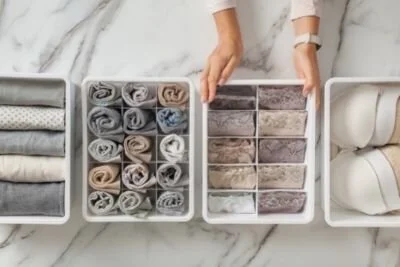
Goodbye Clutter: 4 Useful Tools for Organizing Your Home
Effective home organization requires more than a good work ethic. Discover a few useful tools for organizing your home and why you should keep them on hand.
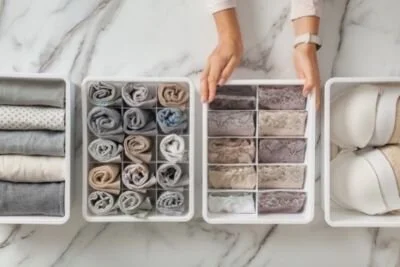
Home organization isn’t something you can do without the proper resources. In fact, it’s the collection of tools you use that gives you the ability to maximize your available space and make this process possible in the first place. This is why, if you’re going to tackle one of these projects yourself, you must have everything you need to succeed. These are some of the most useful tools for organizing your home and the benefits each can provide you as you sift through the clutter.
Drawer Dividers
Drawer dividers are incredibly versatile items that allow us to store small objects in an orderly fashion. Whether you have tableware or little knickknacks in your drawers, these cubbies keep everything separate so that you can find what you’re looking for easily. These products can even organize your hand tools in the workshop or hygiene products in the bathroom.
Plastic Bins
We also recommend that you have a set of larger plastic bins on hand. These containers work great for keeping large collections of items in one place. For instance, they work particularly well for clothing and holiday decorations. Because of their air-tight seal, they effectively protect more fragile items from dust, humidity, and insects as well.
Storage Lift
Another useful tool for organizing your home is a mechanical storage lift system. They’re a bit more high-tech than some of the other products on the market. They consist of motorized platforms that raise your possessions up into the attic space. Attic storage lift systems have a series of benefits, including saving you time and energy, reducing your risk of injury, and allowing you to use your attic space in more versatile ways. With such a tool, it’ll be much easier to keep the rest of your home orderly.
Label Maker
Having a label maker can be helpful too. With several boxes of items to sort through, labeling each one takes the guesswork out of finding what you need. As such, you no longer need to worry about locating something, even after storing it away in the attic or garage. This tool is particularly effective for enabling you to find seasonal décor and memorabilia from years ago.

Remodelling ideas when moving into a New Home
Moving into a new home is one of the greatest feelings in the world. But very few people will describe it as “fun”. Most of us want to move in immediately and enjoy ourselves. And this is perfectly understandable as emotions run high. But when it comes to real estate, it pays to put emotions aside and be patient. There is a lot to be done before moving in. Renovating, packing, and hiring movers are just the tip of the iceberg. Also, home improvements are best done while the premise is empty. That means without you in it. Other things you might want to do yourself. Not everything will be set just the way you like it the moment you move in. In this article, we will cover the most important home improvements you should make before you move in.
Moving into a new home is one of the greatest feelings in the world. But very few people will describe it as “fun”. Most of us want to move in immediately and enjoy ourselves. And this is perfectly understandable as emotions run high. But when it comes to real estate, it pays to put emotions aside and be patient. There is a lot to be done before moving in. Renovating, packing, and hiring movers are just the tip of the iceberg. Also, home improvements are best done while the premise is empty. That means without you in it. Other things you might want to do yourself. Not everything will be set just the way you like it the moment you move in. In this article, we will cover the most important home improvements you should make before you move in.
1. Inside the walls
Electricity and plumbing should be your starting point. The reason is that these represent the basic infrastructure of any modern home. Once you set those, it is very hard, time-consuming and expensive to make adjustments. These must work, and they must work flawlessly. Electricity can be dangerous if done unprofessionally. Faulty wiring can cause fires, loss of property and even life. When it comes to plumbing, it needs to be leak-free. Even the smallest leak can cause long-term damage. Combine that with electricity and you have a disaster waiting to happen. That is why both need to be done in accordance with the regulations. It is expensive to tear down walls and dismantle the equipment once you are settled in. Conduct a thorough inspection before you move in. try and find any issues or flaws. Leaks overheating spots and bad circuits can cause many headaches down the line.
2. Home security

Security is of the utmost importance for any home. Depending on where you are located it always pays to have the basic security systems in place. With the rapid advancement of technology, there are many ways to prevent all types of security breaches. At our disposal, we have security cameras, alarm systems, shutters, motion sensors, smart locks, and many more. Now, most people do not think proactively when it comes to security. It usually takes a break-in to consider investing in one of these types of measures. Do not be one of those people. Be proactive and choose the combination of systems that will best suit your needs. Remember, burglars do not go for the biggest catch. They go for the easiest. If you have visible surveillance and solid metal doors, anyone would think twice. It is about making it as difficult as possible for someone to get in.
3. Thermal and audio insulation

Prepare your home for the outside conditions. This mostly relates to preparing for the winter. This is an initial investment that will pay dividends down the line. Insulating your home will save you a tonne of money in heating bills. External insulation also insulates your home from outside noise. Combine that with thermal and noise-insulating windows and doors. You can make your home a little private quiet paradise in the middle of downtown. Insulate your walls, pipes and the attic as well. Your insulation is as strong as its weakest link. It will require a sizeable bit of materials. You may want to consider hiring forklift operators to make things much easier. As someone who handled insulating foams by hand, take the advice and do not do it. Lastly, make repairs to the roof if any are required. Windows, doors and roof tiles are the biggest vents when it comes to insulation.
4. Freshen things up with new paint

Apply a new coat of paint early on. It is the easiest and least time-consuming thing anyone can do to make their new home pop. It is also the most affordable DIY project there is. It makes a big impact on the visual appeal of any home. Think of a mood and atmosphere you would like to set. Use colors to reflect your personality. Also, leverage their power to set the vibe you would like to see in your new home. On the other hand, make sure not to use tones that are too bold or out there. It may seem like a good idea at first, but you will get bored of it, very quickly. It will become an eyesore sooner or later. Start conservatively, and remember that paint is there to complement a home, not be the focus of it. So, prepare your surface and be creative.
Renovating a home can be time-consuming and costly. But you have the choice to be smart about it and use your imagination and creativity to make it truly yours. Renovations and maintenance are upfront investments that will pay great dividends in the future. It is also an opportunity to make your new home comfortable and to your liking. Repair, upgrade, secure, and spruce up what you deem is necessary. After all, it is yours to do what you want with. Put together a package that will benefit you and your loved ones the best.

