

A resource for those seeking information on organizing and transforming spaces.

4 Home Gadgets to Increasing Positive Energy
When it comes to living inside your home, anyone can use a home gadget to improve positive energy. There are ways to use devices even if you are unable to go outside for a day.
Many home gadgets today come in various forms like music, imagery, and better sleep. Maintaining good health is very important and for people who have depression.

When it comes to living inside your home, anyone can use a home gadget to improve positive energy. There are ways to use devices even if you are unable to go outside for a day.
Many home gadgets today come in various forms like music, imagery, and better sleep. Maintaining good health is very important and for people who have depression.
1. The MPG LED Jellyfish Lamp
Right inside your home, you will enjoy the MPG Jellyfish LED lamp because it constantly changes color with beautiful marine life every few seconds. The feel and energy you will have are unique. The good thing is it is for all ages and is ideal for anyone who enjoys marine animals.
Since the MPG Jellyfish LED Lamp can give you relaxation energy, it is a good home décor that you can place anywhere right inside your home.
The MPG Jellyfish LED lamp will:
Pleasantly give you a calm but relaxing color-changing effect with three LED lights: blue, green, and red.
This lamp works well for people with disabilities.
You will enjoy a change in the ocean effects with lifelike jellyfish.
2. The zLight Smart Lighting Sleep System Is Great For Positive Vibes
The zLight Smart Lighting Sleep System is an excellent gadget for a good night's sleep. This light can give you a schedule to set, which works better than an alarm clock on your phone. The zLight will stay dark until it's time for you to get up. The light will give off a nice glow to gradually wake you up right after you get up. It also has an audio system for soothing sounds to wake you up peacefully without a specific buzz noise.
Try Tibetan singing bowls for good energy that gives off Tibetan healing sounds. These bowls are excellent use for relaxation and meditation. These singing bowls help relax your tight muscles significantly to ease any pain you may currently have. It helps to improve circulation and headaches.
A sound bowl meditation in water is effective either with warm or floating water. The sensations of the bowl in the movements of the water can be visible.
3. The Artiphon Orba Handheld Musical Instrument Is A Music Soother
If you love music, then you must try the Artiphon Orba Handheld Musical Instrument. It fits right inside your hand, which is a portable controller. It performs as a music controller with various beats like bass, drum, chord, and more, creating songs fast as you go. The MIDI controller connects over Bluetooth. For cool home gadgets, be creative and simply either spin, touch, shake it, and more to keep you feeling good.
4. When It Comes To Google Home, Your Wish Is Just A Command
Google Home is ideal for good energy since it has a built-in speaker to give your voice commands instant access.
Instantly play your choice of music and soothing sounds to relax if you want to rest. You can also search for anything.
Set any timers you need if you are cooking or exercising for a specified time so you will never forget when to check your food from burning or how much time you need to exercise.
For home gadgets to increase positive energy are some of the best things to keep you feeling better. Since technology is rapidly improving each year, there will always be new and exciting home gadgets to aid your mood. Still, most importantly, positive energy is good for the mind regardless of any home gadgets that suit your needs. Staying healthy with any home assistance is an excellent way to keep your day upbeat and something to look forward to using.

Guest Post - Why You Should Consider Building Rather Than Buying Your Home This Summer
Many people feel a bit of pressure when looking for their dream home. You want to make sure it matches your design style and has all the features your family desires, but you may have to make certain compromises. This is why you should consider building instead.
Here are some other reasons building may be better than buying.

Many people feel a bit of pressure when looking for their dream home. You want to make sure it matches your design style and has all the features your family desires, but you may have to make certain compromises. This is why you should consider building instead.
Here are some other reasons building may be better than buying.
1. Less Competition
We are currently in a seller’s market. This means the demand for housing is higher than the supply, so there is stiffer competition. It also means houses on the market sell quicker. With more competition, you may face bidding wars. The higher demand has led to a rise in prices.
The shift to a seller’s market was partly due to COVID-19. More people worked from home and began looking for sunnier places to relocate. Demographics also played a factor. Millennials are now entering the housing market. A year of staying at their parents’ home or inside a tiny apartment caused them to consider investing in their own place.
Also, with lower interest rates, more buyers are enticed to enter higher bids. Building your home allows you to step back from the competition.
2. Newer Homes Come With More Updated Features
Many contractors build new homes with upgraded features in mind. These may be updated appliances, such as stainless steel, as well as more energy-efficient models. You want ones that are Energy Star-rated.
Here are some energy-efficient appliances to consider:
Clothes washers
Dryers
Refrigerators
Dishwashers
3. You Can Customize Your Home
Building a home allows you to control the majority of the decisions based on personal preferences. You can also determine what features are most important to you. Be sure to keep your budget in mind when choosing items that go at the top of your list.
Here are some of the custom style selections you can make:
Building materials
Kitchen features
Flooring
Framing
Color choices
Work closely with your builder when making design decisions. You want to ask them for client references and keep open communication.
4. Repairs and Replacements Are Further Down the Road
With updated features, you shouldn’t need to do any major renovations right away. Instead, you can take time to enjoy your home. Having these newer elements saves you both money and stress.
Here are some tips for keeping your appliances lasting longer:
Read the instruction manual
Regularly empty your filters
Allow enough space for ventilation
Keep your appliances clean
5. More Environmentally Friendly
New homes aren’t usually built with toxic materials, such as lead paint. However, you can keep eco-friendly practices in mind during the construction process.
Here are some ideas to get started:
Build a smaller home
Orient your house to face the sun and wind
Go solar
Use recycled building material
Properly insulate your home
Why You May Want to Build a Home
Moving into your dream home can be exciting and stressful. It can be hard to find everything you want when house-hunting, so consider building instead to get all the features that are most important to you.
Author bio: Rose Morrison is the managing editor of Renovated, where she offers advice on home renovation, maintenance, and organization.nd slow-paced lifestyle now, because your little ones will be back in school before you know it!

Improvements in Your Home You'll Need to Make As It Ages
As homes get older, they gain a certain charm. Years of memories and worn-in usage gives an older home a smooth and gentle polish that makes it feel lived-in and homey even when it's empty. But older homes also have older materials, dated looks, and often lack the usefulness you might need in your home. Fortunately, you can make improvements to totally change all that.

As homes get older, they gain a certain charm. Years of memories and worn-in usage gives an older home a smooth and gentle polish that makes it feel lived-in and homey even when it's empty. But older homes also have older materials, dated looks, and often lack the usefulness you might need in your home. Fortunately, you can make improvements to totally change all that.
Paint or Wallpaper
Whether the walls were painted in a glossy or matte finish or had wallpaper smoothly pasted in place, eventually it begins to fade. There may be some spots that are more faded than others where pictures and other things were hanging as the sun offered it warms rays. On top of that, certain paint colors and wallpaper patterns start to look dated after a few years (or decades) have passed. Updating your home's walls with fresh paint or new wallpaper can take years off its age.
Windows
A window replacement is a very common improvement in older homes. You might choose to replace them for aesthetics, to let more light in, or to make them more energy-efficient. If your home is much older, replacing them with newer energy-efficient ones may be a priority so you can decrease your energy bills.
Heating or Cooling Systems
Depending on the exact age of your home, at some point you'll need to replace or upgrade the heating or cooling systems. Whether it's changing a coal furnace in an old home to something more modern or simply replacing an air conditioning unit that was installed 20 years ago, these systems will need attention. The good news is these expensive improvements often decrease your energy bills and last for decades.
Switches, Outlets, Plates, and Fixtures
As the years pass, homeowners make home repairs as needed. Swapping out switches, outlets, plates, and light fixtures as they need to be replaced usually results in a house having a variety of shapes and styles. Ones that aren't replaced or updated can end up yellowing or being painted over. Taking the time to replace all the switches, outlets, plates, and fixtures to match (or at least create a pleasing complementary look) can make you more comfortable in your home. Hiring an electrician to do it can also help uncover any hidden electrical problems you might need to address.
As your home ages, it needs attention just as your own aging body does. And if you bought an older home to begin with, it's important to keep an eye on things from the beginning. Set aside money a little at a time so you're prepared for the expense of eventual improvements. Your home, and the sense of peace you feel inside it, will appreciate it.
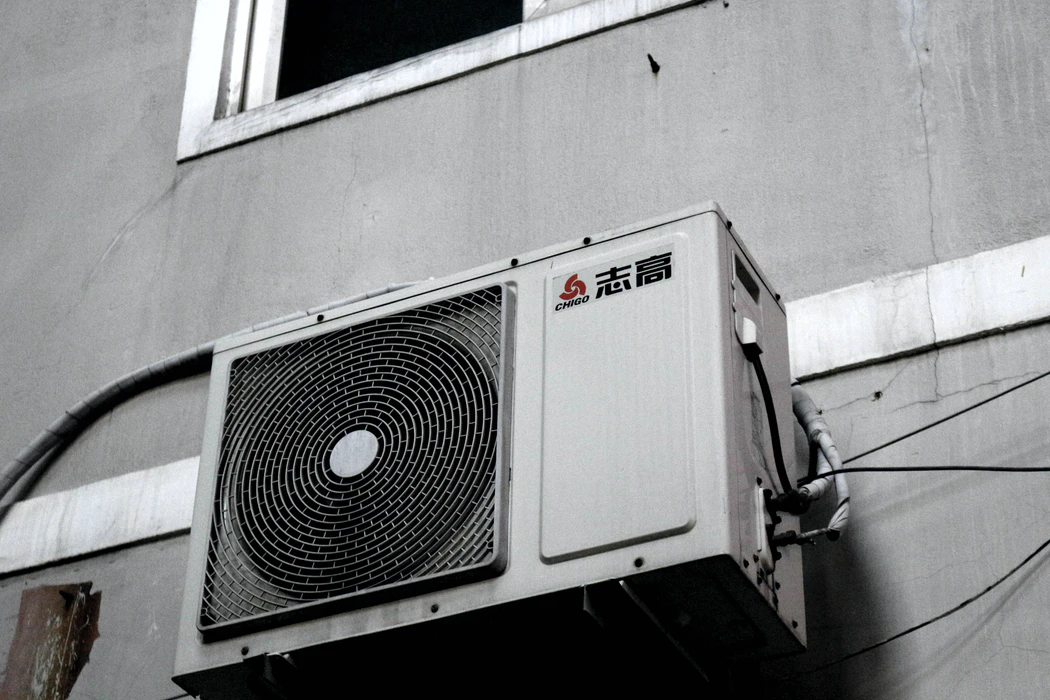
The Most Common Summer AC Problems and How You Can Fix
As summer approaches, you’re going to want to ensure your air conditioner is working optimally to stave off the next heat wave. If you’ve turned on your unit to find it not working properly, you’re going to want to check to ensure it’s not an easily fixable problem before you call out the help of an expensive professional. Here are a few culprits to your malfunctioning air conditioner that you can possibly identify and fix yourself before you shell out hundreds of dollars for professional help. Not doing regular check-ups on your unit is one of the many mistakes you’re probably making when it comes to your AC.
As summer approaches, you’re going to want to ensure your air conditioner is working optimally to stave off the next heat wave. If you’ve turned on your unit to find it not working properly, you’re going to want to check to ensure it’s not an easily fixable problem before you call out the help of an expensive professional. Here are a few culprits to your malfunctioning air conditioner that you can possibly identify and fix yourself before you shell out hundreds of dollars for professional help. Not doing regular check-ups on your unit is one of the many mistakes you’re probably making when it comes to your AC.
Many of the AC’s vital components, by the nature of chemical reactions, do have a limited shelf life so it is important to regularly get an HVAC technician to give your systems a check-up every now and then before these components fail.
If your air conditioner runs but blows hot air...
Check your filters
Dust and dirt are detrimental to the efficiency and performance of your electrical appliance. Filters capture dust before it can travel to your system’s interior components while allowing your HVAC system to better circulate air. According to ENERGY STAR, you should check on the state of your filters on roughly a monthly basis.
First, find where your AC filters are located—this could be by an air duct or even by the furnace. Get the correct-sized filters for your system from your local hardware store. Turn off the power and replace or clean the filter depending on if it’s disposable (cardboard frame) or reusable (metallic frame). Ensure your filter is replaced in the correct direction.
Check your coils
Your air conditioner depends on a set of coils—heating coils and condenser coils- to absorb heat within your home and transfer it outside. Dust is an effective insulator, meaning it holds on to heat and prevents it from being moved efficiently. As stated, even a light layer of dust on your coils reduces the efficiency of your AC by capturing the heat that you’re attempting to clear away. Every now and again, it’s important to turn off the unit and go over it with a stiff brush. Also be sure to clear away any debris, shrubbery and dirt on the exterior unit to keep it running optimally.
If your air conditioner doesn’t turn on...
Check the breaker/fuse
Yep, it could be that simple. Whenever any large appliance fails, it could simply be your home’s safety apparatuses kicking in. Save yourself the embarrassment and several hundred dollars and quickly check breaker panel to see if the circuit has been switched off. If it is, sometimes it can simply be switched back on.
If you notice that the appliance repeatedly trips the breaker, check if your circuits are overloaded. This is simply a test of turning on your air conditioner and other appliances plugged into the same circuit one at a time to see how many can run at once. If your AC and other individual appliances run on their own but trips once they’re used simultaneously, then it’s a sign that you just need to run fewer things alongside it. This inconvenience generally seems to be a problem in older households and, apart from adapting to this limitation, a permanent solution will require the help of an electrician to add additional circuits to your home.
If switching on the breaker still doesn’t turn on the circuit, check to see if you’ve blown a fuse. Fuses are glass ampules that contain a wire designed to melt when overheated. When the amperage is too high it breaks the circuit to prevent a fire. Fuse boxes are typically, though not always, found in the utility area by the breaker panel. If you notice a broken, discoloured or cloudy ampule, it’s been blown. First, unplug all electrical appliances on the circuit, as restoring power once the new fuse has been installed risks creating a power surge that will blow it out again. Then turn the power off from the circuit panel to eliminate the risk of shock. From there, just purchase a new fuse from your local hardware store, take the old one with you just to be sure you’re getting an identical replacement and install the new fuse.
However, if you find that running the AC alone trips the breaker, then that indicates a short circuit inside your unit. At risk of fire or electric shock it is not safe to use until repaired by a professional.
Check the thermostat

It’s the job of your thermostat to measure the temperature and signal to your furnace or air conditioner to kick in if it gets below or above a certain threshold. Fortunately, if your thermostat malfunctions, repairs are minor and can easily be fixed by yourself. Sometimes it’s as simple as replacing the backup AA or AAA batteries.
First, turn off power to the thermostat before removing the thermostat face. Despite the low voltage that most (but not all) thermostats use, improper handling can still result in shock. While fiddling with the thermostat, remember to also clear away any dust that has collected on the system, as this also prevents it from functioning properly.
Check the drain line
Finally, the pipe that drains water from the condenser unit may be clogged. This tends to happen overtime, as algae or other gunk is allowed to build up and another safety mechanism kicks in to ensure that water doesn’t flood into the system. Turn off your HVAC system and gather a pair of rubber gloves, bleach and water, a wire brush and a wet-dry vacuum. Locate the drain pipe outside by the condenser unit and— with gloves on—insert the wire brush to dislodge any debris. Be sure to do this on both ends of the pipe (the top end will be a T-shaped PVC with a cap on it). Then, run the wet-dry vacuum on the pipe for a minute or two. Afterwards, mix equal parts bleach and water and pour it through the top of the pipe.

