

A resource for those seeking information on organizing and transforming spaces.

What Homeowners Should Know About Their Boiler
Does your home have a boiler? Although the old-fashioned boiler has fallen out of fashion in favor of natural gas or electric forced-air furnaces, many older homes still have boilers that are going strong. Despite its waning popularity, the boiler has many advantages, especially for larger homes and buildings. If your home uses a boiler for heat, here are four things you should know.

Does your home have a boiler? Although the old-fashioned boiler has fallen out of fashion in favor of natural gas or electric forced-air furnaces, many older homes still have boilers that are going strong. Despite its waning popularity, the boiler has many advantages, especially for larger homes and buildings. If your home uses a boiler for heat, here are four things you should know.
Boilers Are Efficient
A boiler may be an older method of heating, but that doesn't mean it's less efficient than modern furnaces. Boilers work by heating water and sending it up through pipes and radiators to keep your home warm. This method tends to lose less heat than a forced-air furnace when heating large or multi-story structures, making boilers a popular choice for heating apartment buildings.
Boilers Need Maintenance
A good boiler can last a long time, but boilers require more upkeep than a modern furnace. Regular cleaning is a must to keep dust and dirt from getting into the boiler and causing damage, and boilers must be descaled regularly to avoid mineral buildup. If something is wrong with your boiler, it's important to call a boiler repair professional immediately to prevent dangerous explosions and damaging leaks.
Water Level is Important
It takes a specific amount of water to keep your boiler working properly, and serious safety issues can arise when the water level drops too low. Monitor your boiler's water level, and call a professional to make adjustments when necessary. If your boiler has a built-in water gauge, test it periodically to make sure it's still functioning correctly.
Boilers Can Leak
Leaks are a common problem with boilers, but the good news is that they can be easily fixed by a professional. The important thing is to check your boiler frequently to make sure that it's not leaking. Gas leaks are especially dangerous, but water leaks can also result in explosions by dropping the water level too low or cause water damage to your home's basement.
While boilers have many advantages, they're not the right choice for every home. If you have a smaller home or live in a warmer climate, a boiler may be less efficient than a forced-air system. Boilers are also more difficult to control, which means that your house can easily become too hot or too cold for comfort. If your home has an ancient boiler, consider whether you want to keep it or upgrade to a newer type of system.

How To Personalize Your Office Space at Home
As we start returning to normal, many employees will continue to work remotely. If you’ll stay working from home, here’s how to personalize your office space.

If you’ve been working from home over the past year, you know how mundane the workday can feel without an environment packed with coworkers and cool office gadgets. As offices open again, many employees will continue to work remotely. If you plan on staying home to work, there are still ways you can make your at-home experience more productive and unique. Discover how to personalize your office space at home.
Upgrade Your Chair
Before quarantine, many homes were lacking an ergonomic chair or two. If your home is without a comfortable work chair, it’s time to upgrade your seating arrangement.
Your new chair should support your posture and provide comfort for the full eight or nine hours of your workday. Chairs with neck and arm support have become popular for remote workers, too, as they promote good posture and relaxed neck and shoulders.
Customize Your PC
Did you know that you can customize your PC? That’s right—that big block of hardware that enables network connection is eligible for personalization.
PC component manufacturers release various PC parts in different colors, sizes, and designs to appeal to those trying to create a custom setup. Whether you prefer dark and sleek or a fun and vibrant vibe, you can design a custom PC that’s specific to your taste. Reviewing the basics of building your own PC will give you a strong foundation of knowledge that can get you started on the coolest DIY project ever.
Revamp Your Décor
If you consider your at-home workstation merely a spot to support your nine-to-five grind, you’re missing a valuable interior design opportunity. To personalize your office space at home, revamp the area with décor that speaks to your aesthetic and life outside of work.
Framed art pieces, fancy window drapes, colorful plant vases, and photos of family and friends—there are endless ways to upgrade your work area to feel more welcoming and individualized. If you need inspiration when designing your revamped workspace, consider how you decorated the rest of your home.
Incorporate Natural Lighting
Working in a space without any natural lighting can be a bit of a bummer and slightly disorienting, especially if it’s your everyday work spot. Reflect on various areas around the home that get a good amount of sunlight from the windows. If your current work-from-home setup doesn’t get any natural light, relocate it to a spot with a window that lets in a bit of nature.
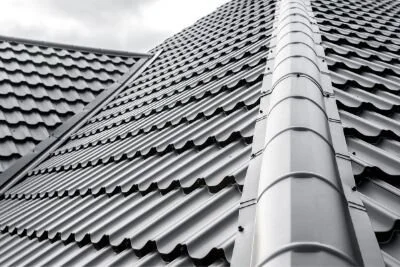
How to Care for Your Home’s Metal Roof
Metal roofing isn’t completely resistant to damage or decay. Read on to learn about how to care for your home’s metal roof and why this process is important.

There are plenty of reasons to invest in a metal roof for your home: not only do they resist many common causes of roof damage, but they’re also customizable and can suit your home’s unique look. However, though metal is one of the most durable roofing materials on the market, even it requires a bit of maintenance every now and then. So, if you’re serious about having one, you must know how to keep it performing properly. This is how to care for your home’s metal roof and look out for decay.
Keep the Panels Clean
Firstly, you need to keep your roof’s metal panels clean of debris and dirt. While they might not seem like an immediate threat, these items can inhibit proper drainage during storms: it traps water on the roof, which can speed up the rusting process. Because of this, you must make a habit of sweeping these objects away prior to rain showers.
Remove Rust and Repair
The next step to caring for your home’s metal roof is to scrape away any rust that formed on its surface and repair the afflicted areas. Even with your best efforts, rust can still find its way onto your metal roof. As such, if you take the time to inspect for rust, you can keep these materials strong and increase their longevity. Once you remove the rust, reach out to a professional contractor to promptly fix any damage.
Seal Any Gaps in the Material
If you happen to notice gaps in between your roof’s metal panels during your inspection, you’ll want to get these sealed as well. Sometimes, harsh weather can cause these metal sheets to shift, creating small holes where they should overlap. Leaving them alone can allow water and even insects into your attic—potentially resulting in expensive damage down the line. Because of this, getting these things taken care of now will ensure your home stays safe and more of your hard-earned money stays in your pocket.
Update Its Appearance
Make sure to also do some standard upkeep with your metal roof’s appearance while you’re at it. Even though its durability is higher than other roofing types, maintaining a modern aesthetic can help retain your home’s overall value when you go to sell it. You can paint them any color you wish, or they can even take on the appearance of shingles with the proper techniques. So, don’t be afraid to make it something more fitting to your needs.
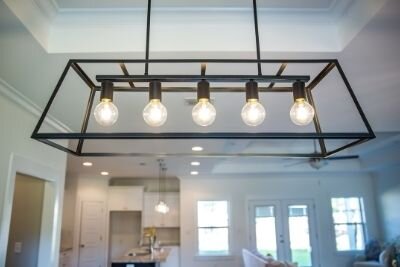
The Different Types of Lighting for Your Home
When choosing the lighting for your home, it can be hard to narrow down the options. Here is a list of the different types of lighting to help.
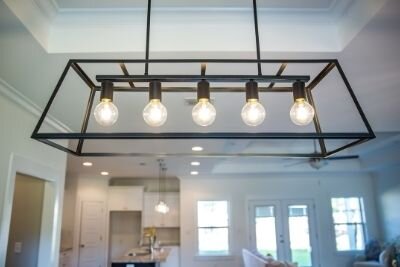
The lighting in your home plays a big part in its overall look and feel. If you nail the interior lighting, the rest of the design will follow suit. Unfortunately, if you're new to building houses or have never renovated, you may not know much about lighting. However, you'll need to study up if you want to make any profound changes. Luckily, we're here to help you by breaking down the different types of lighting for your home.
Cove Lighting
Cove lighting, or architectural lighting, incorporates the structure of your home. For example, mounted lights in wood above your windows would qualify as cove lighting. The lights point upward at the ceiling, which allows ambient light to fill the room. Cove lighting achieves a high-end, decorative look. You can use it above windows, underneath ledges, or integrate it with shelving. There are lots of possibilities to incorporate lights into the natural architecture of your home.
Ceiling Lights
Large living rooms and dining rooms tend to have ceiling lights. As the name implies, ceiling lights are embedded into the ceiling. There are various forms of ceiling lighting, as it's an umbrella term that encompasses lots of different lights. Examples include:
Recessed lighting
LED indirect lighting
Utility lighting
Semi-flush lights
Flush lights
Recessed Lighting
While recessed lighting is a form of ceiling lighting, it's pretty prevalent in today's homes. There are also lots of benefits of installing recessed lighting in your home. Recessed lighting can:
Save space.
Highlight certain design features.
Make the room feel bigger.
Under-Cabinet Lights
You can also install lights underneath your cabinets for a stylish look. If you do a lot of work in your kitchen, then you're going to love this form of lighting. It's an easy way to light up all the counter space in your kitchen that's underneath cabinets. In addition, you'll love being able to clearly see all the food that you're preparing instead of cooking in the cabinet's shade.
Pendant Lights
A pendant light hangs from the ceiling and lights up the area underneath it. A popular place for pendant lights is to suspend them above a kitchen island. They're decorative, practical, and great for design.
Those are the different types of lighting for your home. We hope this list has helped you find the perfect lighting source for your interiors.

