

A resource for those seeking information on organizing and transforming spaces.
Post-Storm Fix-ups: How to Get Your Home Back to Good
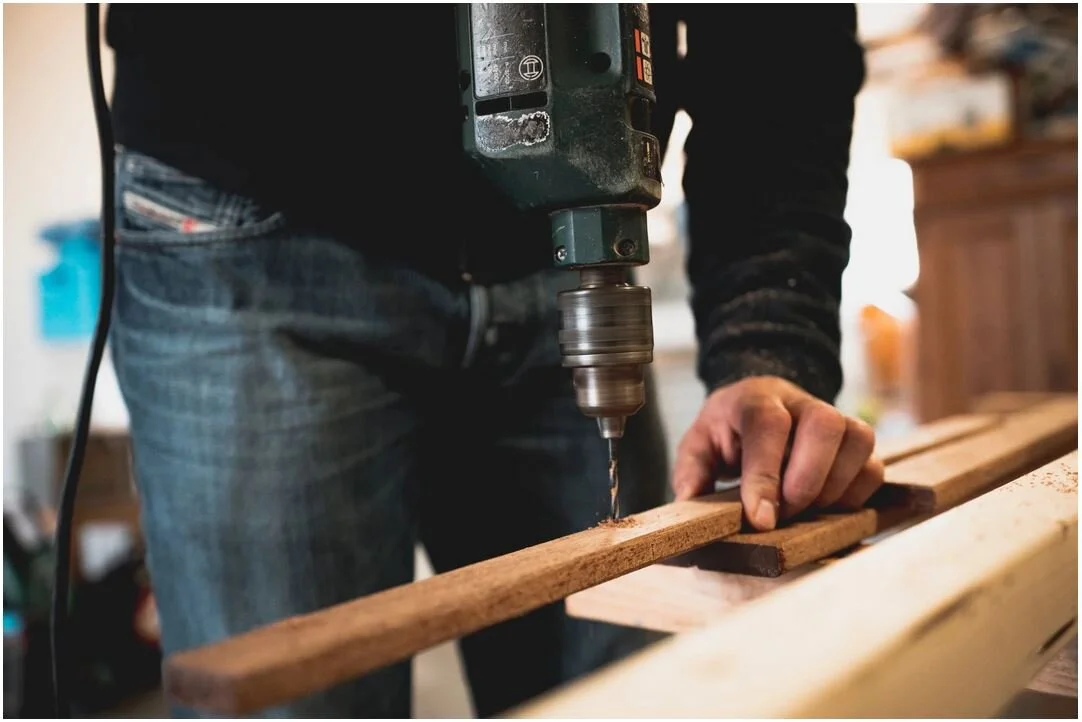
When a storm hits your home and causes damage it can be difficult to know where to begin when it comes to seeing to the work that needs to be done. Storm damage can cause everything from cosmetic to structural damage, destroy furniture and belongings as well as damaging both the interior and exterior of the building. In order for you to make an insurance claim and begin repairs, you are going to need to have your home accessed immediately. These are post storm steps to take to get your home back to good.
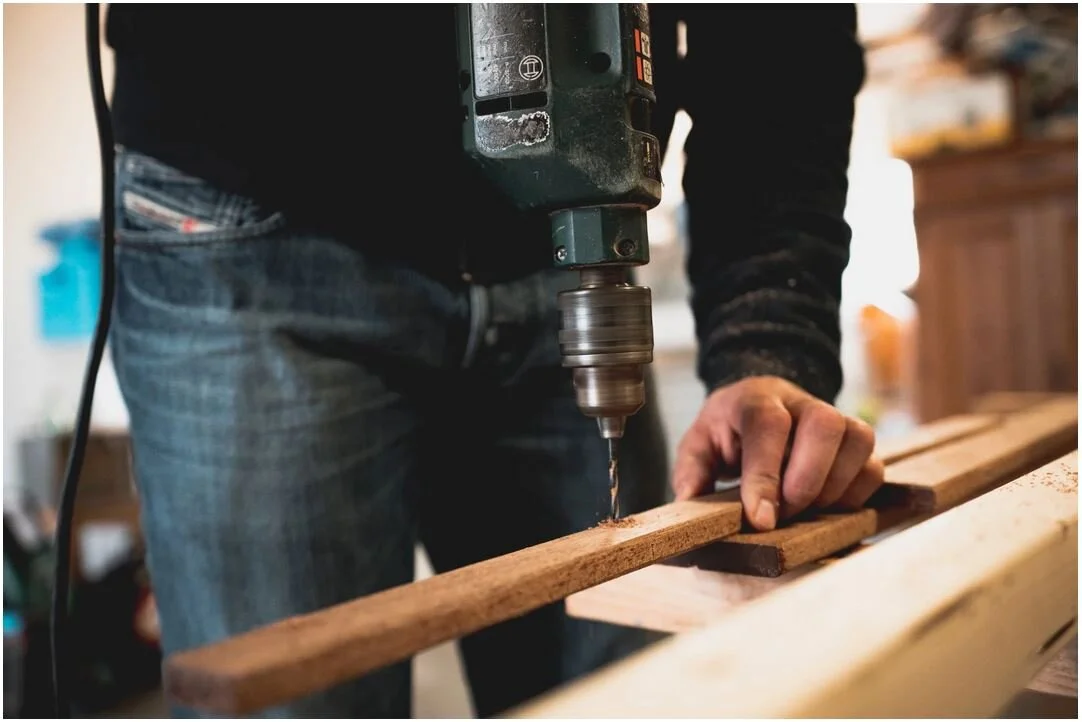
When a storm hits your home and causes damage it can be difficult to know where to begin when it comes to seeing to the work that needs to be done. Storm damage can cause everything from cosmetic to structural damage, destroy furniture and belongings as well as damaging both the interior and exterior of the building. In order for you to make an insurance claim and begin repairs, you are going to need to have your home accessed immediately. These are post storm steps to take to get your home back to good.
Immediately Check for Damage
As soon as it is safe to do so, check your home for any obvious signs of damage as soon as the storm has passed. Take any emergency and immediate measures necessary to secure and make your home safe, or to protect your belongings. Water damage, gas or power hazards, cracks, and other dangerous situations should be reported to emergency authorities immediately as they can cause serious harm to you and the neighborhood.
Consult Storm Damage Restoration Specialists
The next step in assessing any storm damage is to contact storm damage restoration specialists so they can thoroughly look over your home and give you a detailed report on what needs to be done to get your home back to good. They will look at exterior and interior areas, can spot roof and water damage, and recognize everything from wind damage to leaks. This inspection is vital because it will determine the amount of help your insurance will provide to you for repairs.
Contact Your Insurance Company
Contacting your insurance is the next step in getting your home back to normal and will rely heavily on the damage reports you have secured. Make sure to provide all photos, reports, documentation, and receipts for items you have lost due to the damage done. All of these items will be covered in the same claim and are rarely adjusted once it is made. An insurance agent will provide you with a report of items they are willing to cover and often work directly with anyone that you secure to provide the work on your home in order to cover all necessary expenses.
A capable and thorough contractor is able to coordinate all aspects of your home repair after a storm. With estimates in hand, secure recommendations and review previous work done by a contractor before making the best choice for you and your home.

4 Signs It's Time to Have the Pipes in Your Home Replaced
Homeowners expect their pipes to keep the water flowing. And when it comes to home improvement, replacing old pipes is usually not on the list. But if you’re having plumbing troubles, new pipes might solve the problem. Here are four signs your home might need new pipes.

Homeowners expect their pipes to keep the water flowing. And when it comes to home improvement, replacing old pipes is usually not on the list. But if you’re having plumbing troubles, new pipes might solve the problem. Here are four signs your home might need new pipes.
The Pipes Are Old
Most things wear down over time, including plumbing. Here’s how long you can expect pipes to last:
- PVC: 70 years or more
- Galvanized steel: 20-50 years
- Copper: 50 years or more
- Cast iron: 75-100 years
- Brass: 40-45 years
- Lead: Lasts up to 100 years, but replace lead pipes in your home as soon as possible. Lead is a health hazard. Congress banned the use of lead pipes in 1986.
What type of plumbing pipes are in your home? If you’re unsure, ask a plumber for an inspection. You’ll then have insight into how long you can expect the pipes to last.
Corrosion
Are your pipes clogged more often than not? Someone is possibly pouring bad things down the drains, like grease, oil, or bits of food. Corrosion can also cause clogging. Corrosion happens most often with galvanized steel pipes. Minerals and oxygen in water build up inside the pipes and cause rust or corrosion. As the situation worsens, water runs slower and slower. The only solution is to replace the pipes.
Water Discoloration
You should see clear water flowing from your pipes. Water that is brown, yellow, or has sediment means something is wrong. In some cases, discolored water is a local water supply issue. The city is responsible for solving the problem, but discolored water could indicate a problem with the pipes in your home. Call your local water company to report the discolored water. If repairs are being done in your area, the water company should inform you of the issue. They should also tell you when to expect clear water. If no repairs are being done, then the problem is with your pipes. Call a plumber as soon as possible.
Leaking
Some leaks are simple to repair. You might just need to tighten a loose connection, but if the pipes are cracked or in bad shape, leaks can mean it’s time for new pipes.
Bad plumping can cause all kinds of problems in your home, from structural damage to health issues. Replace or repair bad pipes as soon as you can. Avoiding the problem will only make it worse and cost more money in the long run.
How to Make Better Use of the Space in Your Garage
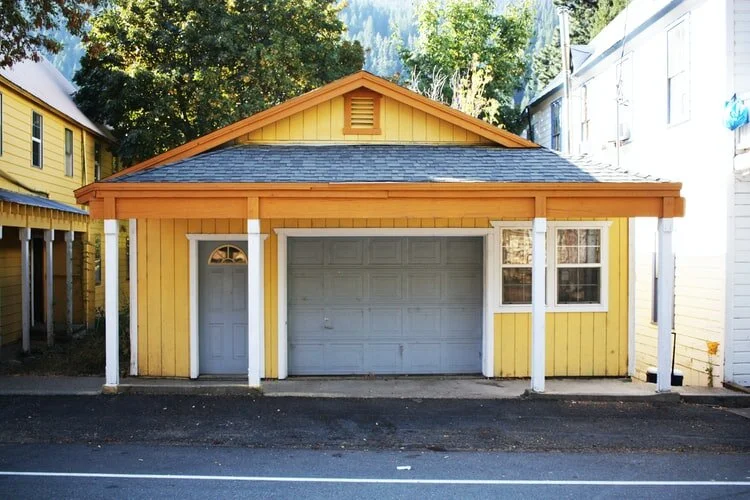
Garages aren't just for parking your vehicles. Whether you have an attached single car garage or a detached three-car garage, make the most of this usable space by getting it in good shape for activities like a workshop, an art studio, or a woodworking bench.
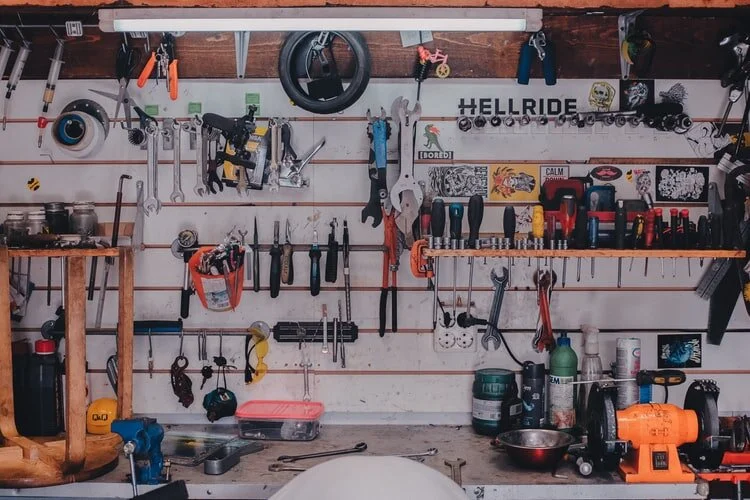
Garages aren't just for parking your vehicles. Whether you have an attached single car garage or a detached three-car garage, make the most of this usable space by getting it in good shape for activities like a workshop, an art studio, or a woodworking bench.
Organize the Space
Decide the best configuration of the garage area for your hobby or workstation. A workbench, for example, might fit best at the rear of the garage. But if you have just one vehicle parked in a two-car garage, you could partition the unused parking area for your other work. A partition could be a basic concrete block half-wall or even a row of potted plants. You might prefer to have no division of the spaces for an open feel. But it will help to decide where you want to do your new activity and concentrate on organizing that area for the purpose.
Install a Garage Floor
If you plan to spend time in the garage, it might be a good idea to install durable, water-proof garage flooring. Indoor-outdoor linoleum, tiles, or carpet will help to keep the area dry, clean, warm, and stable for foot traffic or moving things around. This is especially true if the garage has a dirt floor or an aging concrete floor that is starting to crumble or crack.
Add Heating or Cooling Equipment
A portable heater should be adequate to heat the garage while working there in cold temperatures. You may also want to get a portable air conditioner to keep the area cool and comfortable on warm days. A fan can help to move around light dust from your garage work so that it doesn't settle everywhere, unless it is substantial. Make sure the electric wiring in the garage is adequate for the appliances and equipment you plan to use.
Make Sure the Garage is Protected
While you probably won't need to insulate the walls, it will help to keep the roof in good shape to prevent leaks. Any windows should be secure and stable. The door should be fitted with a lock if you plan to keep valuable tools or materials stored there. If you don't have a wallboard up, pound down or remove protruding nails, and get rid of insects or rodent nests.
It won't take much to get more usage from your garage. Turn your garage area into extended usable space for other activities in addition to parking your car.

Guest Post - Thinking of Moving? 11 Things to Consider First
Many of us ponder the idea of moving. Whether it's moving out of an apartment into a house or moving from one neighborhood to another, moving is something that will cross your mind from time to time. If you're thinking of moving, there are a few important considerations you should take. Instead of packing your bags right now, stop and consider the following:

Many of us ponder the idea of moving. Whether it's moving out of an apartment into a house or moving from one neighborhood to another, moving is something that will cross your mind from time to time. If you're thinking of moving, there are a few important considerations you should take. Instead of packing your bags right now, stop and consider the following:
1. Crime Rates
Before moving to a new city, you might want to know a little bit about its crime rate. Sacrificing your safety for a lower mortgage may not be worth it. You can check a city's overall safety ratings online with a quick Google search before deciding to move.
2. Cost of Living
If you're moving from the country to the city, you must know that your cost of living is going to change. Apartment, building amenities, and location play a big part in determining rent price. For example, living in Chicago is going to be much more expensive than living in the suburbs of Illinois.
3. Moving Itself
Moving isn't fun, and it isn't easy. Between packing up your belongings and moving everything into a new home, it's always a stressful time. Luckily, you can make moving easier by hiring professional movers to take care of moving any heavy items like your couch or workout machines.
4. Schools
Whether you're already a parent or plan on having children in the future, you'll want to consider the school district in the palace where you're considering moving to. Make sure that the schools rank well when it comes to graduation rates along with college attendance. Check out the options in the area to determine what types of schools are available, from charter and private schools to public schools.
5. Weather
If you're considering moving to a new state, you have to realize that you have no idea what the weather might be like. If you're from Texas and thinking about moving to Minnesota, you'll have to deal with harsh, cold winters, which can be difficult and scary to drive in if you're not used to it.
Similarly, if you're someone who loves snow, are you willing to give it up to live in a state that doesn't normally get any?
6. Transportation Options
If you enjoy driving, you might not like living in a city because of all of the traffic. On the flip side, if you're someone who has never driven before, you'll have a hard tie getting around in the suburbs and country. Make sure that the transportation options you'll have available to you in your new home fit with your lifestyle.
7. Property Type
When moving, you'll have the option of living in a house, condo, townhouse, and apartment. You may also have the option to rent or buy. Make sure that you understand everything that goes into buying a house over renting an apartment. For example, when you own a house, you're responsible for all costs, from fixing a broken furnace to paying for water. In an apartment, you're not.
An apartment might be the better option for you if you want to pay a few hundred dollars less a month and continue to rent instead of getting a mortgage.
You may choose a house over an apartment if you plan on having a family soon and know that you'll need more space and maybe even a yard.
8. The People
People and their values differ from city to city and state to state. If you're used to living in a more liberal area like California, you might find living somewhere like Texas difficult if you don't hold the same values and beliefs.
Similarly, if you want to live somewhere quiet, you may not want to live in a city like New York and would instead be happier living in the suburbs.
9. Your Surroundings
If you love the hustle and bustle of the city, then you might not be happy living under the stars in the country, even though the cost of living is much lower. Remember, wherever you move, you might not have the ability to walk down the street for a cup of coffee. Instead, you might have to get in a car and drive to the nearest town.
Determine what's important to you. If you like having a grocery store across the street, make sure that your new home provides that for you before you sign any lease or agree to buy.
10. The Employment Opportunities
If you want to be able to find a ton of employment opportunities for a specific field, you'll likely need to live in a city. Before you decide to move or even consider moving, make sure that there are jobs available for you. Do a search for your current job title and the city in which you're considering moving to see if there are any current job postings. If you only find one that seems like you'd be a good fit, you might have a hard time finding a job before or after you move.
Similarly, if you live in a small town and can't find a career that offers upward mobility, you might consider moving to a more populated area that offers you more options and opportunities to grow in your career.
11. Distance From Family and Friends
When you move to a new state, you won't get to see your family or friends as often. If you are someone who enjoys being surrounded by your loved ones, moving too far away from them might not be for you. Make sure that you consider having to make new friends as well. No one enjoys spending all of their time alone.
Final Thoughts
Daydreaming about moving doesn't mean you actually have to start packing your bags and looking for homes. Instead of making any decision, make sure that you weigh the pros and cons of leaving your current home so that you can make the best decision for yourself. You can only truly decide after you've made all of the necessary considerations mentioned above. And if you make that decision to move, buy some new kitchenware and some beautiful flowers to make your next place looking fresh.
Matt Casadona
Matt Casadona has a Bachelor of Science in Business Administration, with a concentration in Marketing and a minor in Psychology. He is currently a contributing editor for 365 Business Tips. Matt is passionate about marketing and business strategy and enjoys the San Diego life, traveling and music.

