

A resource for those seeking information on organizing and transforming spaces.

Crucial Factors To Consider for Choosing an Area Rug
More goes into picking a rug than many people may think. Discover a few factors to consider for choosing an area rug and why they’re important.

Area rugs are some of the best ways to add splashes of color and style to your home without needing to change up your entire design. Unintrusive to the eye, area rugs complement existing color schemes and décor and give a room depth. However, as beneficial as area rugs are to a home’s interior, picking the right one for you specifically requires a bit of work. These are some important factors to consider for choosing an area rug to help you narrow down your search.
Placement
A vital factor to consider for choosing an area rug is where you’re planning to place it. After all, this aspect will help you determine the perfect dimensions of your rug and how much traffic it will get. Location will also influence your style and color, since you’ll need to match your new rug to the aesthetic of that particular space. A rug that’ll work in your bedroom, for example, might not complement your living room. Because of this, you should choose its placement prior to anything else.
Rug Style and Color
Second, you should think about what rug style and color would work best with your current interior design. Area rugs come in a plethora of different options, but not all of them will have the desired effect on your space. For instance, some rugs have tasseled fabric on the borders, while others have more of a bound, straight-edge look. Both styles have their benefits, and it’s up to you to decide which is better for you. Color works in much the same way, since you should try to match the aesthetic as much as possible.
Pattern
Next, turn your attention to the different patterns available. Rug patterns can range from traditional florals to something more modern, such as stripes. Typically, patterns allow you to add movement to a room that’s dominantly made up of bold colors. So, if your walls are all painted a solid hue, incorporating a pattern in your rug is great for adding an area of interest.
Area Size
The overall size of the rug is important, too. The dimensions of your rug not only affect how it looks in the room but also determines the amount of influence it has over the design. The larger your rug is, the more emphasis it will receive when positioned near furniture and décor. Smaller rugs, on the other hand, are more useful for slight pops of color and for establishing a cozy atmosphere. You can choose from several different sizes, depending on the room you’re decorating and your preferences. Therefore, take your time when making this decision.
Pile Height
Last, you should consider your desired pile height. Pile height refers to a rug’s thickness or plushness as it lies on the floor of your home. Thick rugs are soft and cozy, while low-pile rugs are stronger and easier to clean. As such, if an area sees a lot of traffic, low-pile might be the way to go. Otherwise, private places such as bedrooms and bathrooms benefit greatly from a little extra comfort.

4 Ways Afford Home Improvements For First-Timers
Home improvements can add immense value to a home. Whether you plan on selling or staying, they are an investment worth making. But home improvements can be expensive. Some more complicated projects like roofing, major demolition, and construction can be expensive. But many experts say it’s worth it. A kitchen remodel that costs $68,490 can get homeowners $40,127, which is almost 59%. In fact, studies show you will recoup between 54% to 77% of what you spend. While the initial cost may seem daunting, there are ways to budget for your remodeling dreams.

Home improvements can add immense value to a home. Whether you plan on selling or staying, they are an investment worth making. But home improvements can be expensive. Some more complicated projects like roofing, major demolition, and construction can be expensive. But many experts say it’s worth it. A kitchen remodel that costs $68,490 can get homeowners $40,127, which is almost 59%. In fact, studies show you will recoup between 54% to 77% of what you spend. While the initial cost may seem daunting, there are ways to budget for your remodeling dreams.
1. Home Equity Loans
A popular option when looking to acquire a large sum of money is a loan. While there are various types of loans you can take out, like a personal loan, for example, many recommend looking at a home equity loan. Home equity loans are often known as second mortgages. While the interest rates may be a bit higher than your first mortgage, they may also be tax-deductible. This type of loan is for those who have at least 20% equity in their home. The amount of the loan is based on the equity you have available. The loan is calculated to be the difference in the value of your home and what you still owe. Typically the average fixed rate for these loans is 15 years. Generally, home equity loans are recommended because by making the renovations you’re increasing the overall value of the home. Thus, increasing the final sale price. A word to the wise, home equity loans do come with serious consequences if you’re unable to make the payments. Because you used your home as collateral, you risk foreclosure if you do not pay. This type of information is not that easy to understand, so it's essential to have a professional that can give you answers to some questions, like is a reverse mortgage a scam?
2. Refinancing
Refinancing in general refers to the process of replacing the terms of an existing finance agreement. If you plan on making home renovations that come with hefty price tags, refinancing maybe your best option. Similar to home equity loans, you will be using the equity you have already invested in your home. By doing a cash-out refinance, your old loan is replaced with a new loan that covers more than you owe on the house, your mortgage gets paid, and the costs of the renovations are covered. To refinance you have to be approved. This often happens through a house appraisal process where lenders can see the current market value of your home. Experts recommend waiting on securing the refinance before starting renovations. A half-demolished home won’t appraise as well as one intact.
3. Start a Fund
If refinancing or loans aren’t viable options for you, consider starting a home improvement fund. While this may seem obvious, having a sum saved money to cover the costs of improvements is the lowest-consequence method. Many people use their savings to pay for home improvements. This option is generally for those who aren’t in a hurry to make improvements and have time to properly save their income. The budgeting route is also generally reserved for renovations that provide mostly aesthetic upgrades. If you have an issue in your home that requires immediate attention, like mold growth or leaking pipes, waiting to save may do more harm than good. Home issues like these can compound. What was once a pricier, immediate repair, can become a grossly expensive, massive repair. Options for saving include automated monthly deductions that go straight into a savings account, planned savings from side jobs, or even an old-fashioned cash jar.
4. Grants
An option that many don’t think to consider is applying for a grant. Government agencies and non-profit groups offer grant payments that you can use for home repairs and upgrades. Grants are less reliable than home loans, as they vary in availability by location and year by year. But some people have found access in applying. Each grant has its own set of restrictions and requirements to apply. Generally, the grant program looks at the type of home you have and your income. The four most common types of grant programs are HIP Loans, historic preservation, disability assistance, energy efficiency. HIP loans stand for home improvement program loans. These are subsidized loans that offer lower interest rates and unsubsidized loans. Historic preservation grants apply to homes in historic districts. The idea is to preserve historical buildings, so there might be limits to the types of renovations that can be done. Energy efficiency grants are made to incentivize homeowners to upgrade to better insulation, high-efficiency heating and cooling systems, and other renovations that can improve the house’s overall energy efficiency.
Bottom Line
If you’re looking to increase the overall market value, upgrade the curb appeal, or improve the efficiency of your home, home renovations are worth the investment. Not many can afford to jump into renovations with their current economic situation. Loans, refinancing, budgeting, and grants are just a few options to spread out the costs. While the initial price tag can be expensive, the return on investment tends to be much higher.
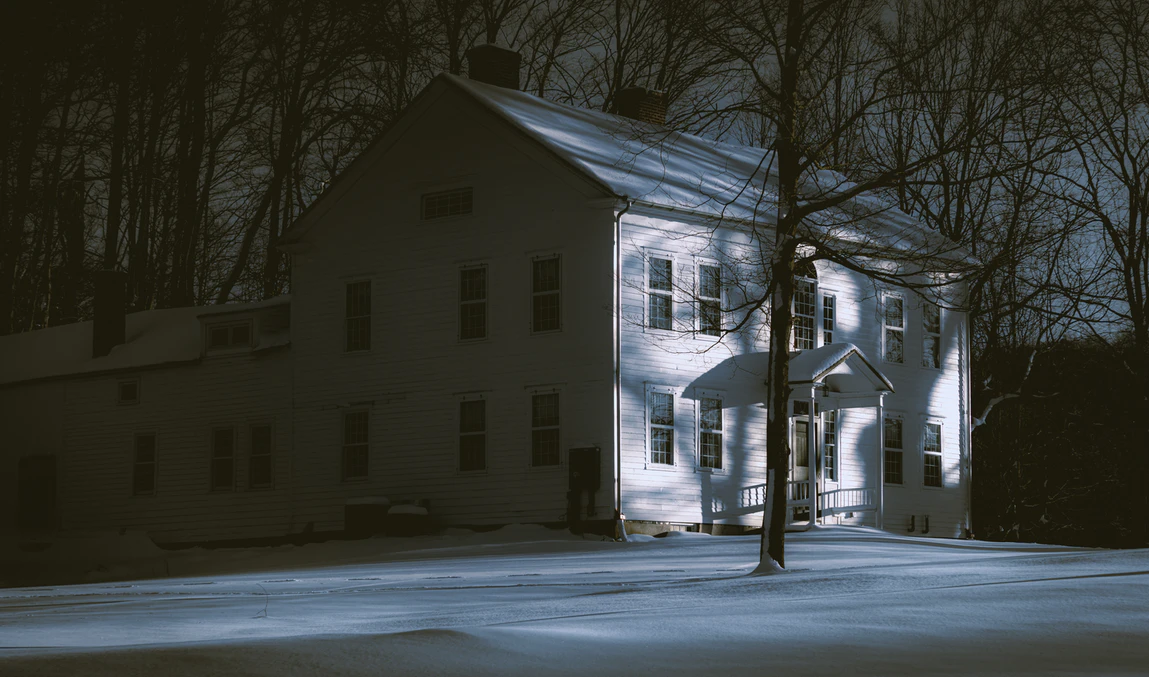
Buying an Old Home? Repairs You Might Need to Complete to Make It Safe Before Moving In
Even though you got a good deal on an old house, you may still need to invest some money in repair work before you can occupy the home. Hiring the right contractors to repair all damaged or outdated parts of the home can help prevent potentially dangerous problems from happening in the future. Here are some of the most common areas where repair work needs to be done before moving into an old home.

Even though you got a good deal on an old house, you may still need to invest some money in repair work before you can occupy the home. Hiring the right contractors to repair all damaged or outdated parts of the home can help prevent potentially dangerous problems from happening in the future. Here are some of the most common areas where repair work needs to be done before moving into an old home.
Pipes
Old or damaged pipes are more susceptible to leaking or bursting, which could result in indoor flooding that causes major home damage. Water that leaks from pipes could also generate mold growth that makes your indoor air hazardous to breathe. In addition to resolving these problems, repairing or replacing the old pipes can keep you from drinking water that’s contaminated with corroded materials from the pipes and other impurities.
Roof
Even if you believe that the home’s roof is in good shape, there may be issues that could lead to bigger problems if they aren’t resolved before you start living in the home. Cracks, missing shingles, and other problems that could cause moisture to get into the home should be fixed as soon as possible. Contractors who specialize in roof repair work can also be hired to check the venting and flashing and address any other problems that might be discovered.
Electrical System
Electrical fires can occur if the wiring or other damaged components of the electrical system aren’t repaired. Your home may also be more prone to regular power outages if you fail to have your electrical system fixed before you start living there. The home might additionally need more electrical outlets for you to plug in all your electronics, and a qualified electrician will be able to install the new outlets safely.
Floors
Floor damage often looks unsightly and may lead to bigger problems if it isn’t taken care of in a timely manner. Bugs and other pests can get under damaged floorboards easier and cause further damage to the subfloor and other supporting structures. A damaged floor could also be unsafe to walk on because of unevenness or loose pieces that could make someone trip. The floor might need to be refinished so that the materials won’t deteriorate as quickly.
Repairing the old house from top to bottom will help create a living space that’s ideal for you and all other occupants. You can help breathe new life into the old home and make it last longer by scheduling the necessary home improvement work in advance.

Why Checking for Pest Infestation is Important During Home Renovation?
Simply put, checking for pest infestation during a renovation allows you to maintain your property. And here's why:

Renovating your home gives you a fantastic opportunity to implement the proper pest control measures. And doing so can save you from house-related headaches in the future.
This is why you should include pest control work when renovating your house. This includes investigating whether your home is suffering from any pest infestation. And in case it is, you can face this issue head-on.
You would rather get rid of these pests while your house is still under construction. Otherwise, you would be spending more on breaking down a wall to see whether a family of rodents is living there.
Simply put, checking for pest infestation during a renovation allows you to maintain your property. And here's why:
1. To protect your home
Making pest control measures as part of the renovation process is there to protect your home from the threats it can pose to your household.
Having this added protection offers a valuable return on investment in the long run. By adding this protection, you are securing your property's original and renovation structure.
When you carry out pest control work, you're also protecting the investment you made to complete the renovation work. Doing so makes sure that your property is still in good condition and pest-free.
To avoid any unpleasant surprises, professionals often recommend preventing pest control. This is in addition to addressing the obvious issues in your house.
2. To find and remedy damages
Although you might not easily spot any signs of bed bugs, termites, or rodents in your home, they can be just lurking and growing on spots that you can't see.
Apart from doing the important task of organizing your things before the renovation, doing pest inspections allows you to detect problems early on.
It can also give you an idea of the necessary action you might need to take before things can go out of hand and cause any significant damages.
3. To save you from future expenses
Like we said, any pest problems can lead to financial setbacks, as the costs for the extermination and repairs may need to come from your own pocket.
Also, most homeowners' insurance policies couldn't help you with this type of situation. That's because most property insurance doesn't cover any damages and repairs caused by pests.
Many insurance companies often view pest infestation and any damages it may incur as a maintenance issue. Hence, they deem it as the homeowner's responsibility.
That's the reason why this may leave a massive dent in your budget, as you might have to shell out hundreds of dollars for these types of expenses. Looking for potential pest infestations during renovation prevents that from happening.
Apart from containing pests, it will also protect your finances in the long run. That's because you are less likely to shell out money for pest control. Although we're not saying you won't need to do such measures in the future.
4. To preserve your property's market value
Checking for pest infestation during home renovation also preserves the value of your home. After all, it helps with early detection and treatment.
And if you're thinking of selling off your property, you need to make sure that it's checked for any signs of pests. They should be exterminated before renovation and putting the property on sale.
That's because no one would want to buy a house full of rodents, cockroaches, and other critters.
5. To stop the infestation
Fast-moving pests like rodents might also take advantage of your property during the renovation period.
They might do so while the renovation is underway. For one, renovating your house exposes its various parts. This includes the cavities and crawls spaces, which rats and cockroaches are likely to infiltrate.
Because they often go undetected, you might end up hearing rodents scampering on the wall or your floorboards once the renovation is done.
This can be expensive as such pest control procedures will require you to break down a wall.
6. Prevent future infestations
If your house already has pests like ants, termites, or rats, inspecting during renovation is a smart move.
That's because, during the inspection, the pest inspector might find other areas in your home which can be prone to infestation.
Let's say the inspector finds an area in your home where you have rotten window frames. That they might tell you of the risks that it has.
Most termites are drawn to rotten wood, meaning your window frames can be an easy target. Thus, pest control during a renovation allows you to get rid of structures that are prone to infestation. And then you can replace them with something better.
You might also want to renovate to decrease any pest infestations in the future. An excellent example would be replacing your wooden windows with vinyl ones.
7. For your peace of mind
At the end of the day, pest control is all about ensuring that one of the most valuable assets you have (which is your home) will be protected. This includes pest infestation.
So, make sure that you don't let a pest problem go out of hand. Otherwise, you might be forced to get rid of furniture, renovate a portion of your home, or worse, let you move out of your property.
They may be small creatures, but they can pose a significant impact on your property, as well as your overall quality of life.
Over to You
Sure, you might be doing pest control and maintenance in your house. But doing so during a renovation is also beneficial.
Ideally, you should still have your property regularly checked for pests, once or twice every year. So, even if you still need to have your home inspected for pests, pest control measures as part of your renovation process do make a lot of sense.
You'll gain additional protection against the damage brought about by these pests, which might happen any time.
So, don't miss the opportunity to make necessary pest control improvements. If you do, you might regret your decision later on, especially when an issue comes up after the renovation is done.

