

A resource for those seeking information on organizing and transforming spaces.
The Most Common Gutter Shapes To Know
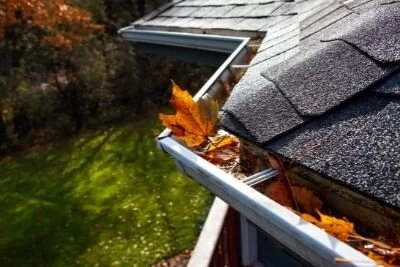
Gutters collect rainfall and funnel it away from your home, but only if they are in the right configuration. These are the most common gutter shapes to know.
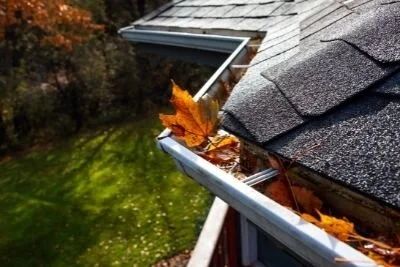
The gutters on your home’s exterior protect your home from unwanted water collection. When liquid pools around your roof or foundation, you could experience significant home damage problems. Here are the most common gutter shapes to know.
K-Style Gutters
The K-style gutter received its name because its side profile vaguely resembles the letter K. This shape is perfect for simple gutter installation because of its flat back, which allows you to nail directly into the fascia. The K-style gutter is large, enabling it to carry more water than the other shapes, which is helpful in rainy climates. The only thing to be wary of is that the inner angles can collect rotting debris.
Half-Round Gutters
As the name suggests, half-round gutters are in the shape of a semi-circle, like a pipe cut in half. The half-round style collects plenty of water—and debris—just as any other gutter would. However, its special curvature enables it to funnel water quickly and simply toward the earth through the downspout. If you plan to use half-round gutters, you should install leaf guards. This way, you can keep the foliage out and the water in.
Fascia Gutters
Fascia gutters are the most stylish option out of the three, offering functional yet unique designs. The fascia is the outermost paneling between your gutters and your wall or roof. This board typically consists of wood that offers your home a clean, angled look. With fascia gutters, you can boost your home’s curb appeal while maintaining a healthy water runoff system.
As you peruse the options, you must also remember the difference between seamless and regular gutters. Depending on the shape of your gutter, this may be easier or harder to accommodate. But, with the most common gutter shapes to know in mind, you can make the best choice for your home’s exterior.

When and Why to Get Foundation Repair
It's safe to say that one of the most frustrating and expensive problems for homeowners to have to deal with include foundation issues. When issues are found, most homeowners are going to feel a mixed bag of emotions with everything from anger to helplessness. Understandably, because it is such an expensive and sensitive project to take on, most homeowners may also attempt to delay fixing the issue. We are here to say that this is not a good idea. Read on to learn when and why you should get your foundation repaired.

It's safe to say that one of the most frustrating and expensive problems for homeowners to have to deal with include foundation issues. When issues are found, most homeowners are going to feel a mixed bag of emotions with everything from anger to helplessness. Understandably, because it is such an expensive and sensitive project to take on, most homeowners may also attempt to delay fixing the issue. We are here to say that this is not a good idea. Read on to learn when and why you should get your foundation repaired.
Selling Your Home
The first reason homeowners may want to plan a foundation repair project is if they are selling their home in the near future. Fixing any foundational issues is highly recommended by most real estate agents as buyers will not want to place an offer on a home with a poor foundation. In fact, many do not think of this issue and will, unfortunately, continue to drop their asking price, not knowing that all they need is to repair their home's foundation.
Visible Signs Within Your home
If there is one dead giveaway that you need to have a foundation repair conducted on your home, it's visible cracks along your walls. If you see large vertical cracks moving up your walls, this could mean that the foundation has shifted rapidly. Not only does this harm the aesthetic of your home, but it can possibly pose a risk to yourself and anyone else living within it. Another sign that your foundation has shifted is when your doors are suddenly becoming difficult to close. In many cases, when the shift is small enough where no cracks appear, this is the first sign that will present itself to homeowners. If you are able to catch these small foundation shifts in time, you may be able to save yourself future headaches and a few dollars.
Get It Done in Winter
While you may think that the warmer months are the best time to get a foundation repair, you actually would do better to have it done when it’s cold outside. While the weather is nicer for people in the summer, the ground is also warmer and therefore less stable. When the ground is cold and frozen, however, it is more stable to work with and will provide a stronger foundation repair. Of course, you want to get it done when it’s cold but there isn’t precipitation, so it’s best to contact a repair company in late fall and early winter so that you can have your repair scheduled quickly. Then, if the weather gets in the way, you have plenty of time still to utilize those cold months and reschedule.
Experiencing Issues with your homes' foundation is no joke and something that must be taken care of as soon as possible. Hopefully, the information above has provided you with enough information where you will be able to spot these issues and plan a proper repair project to fix any issues.

Crucial Factors To Consider for Choosing an Area Rug
More goes into picking a rug than many people may think. Discover a few factors to consider for choosing an area rug and why they’re important.

Area rugs are some of the best ways to add splashes of color and style to your home without needing to change up your entire design. Unintrusive to the eye, area rugs complement existing color schemes and décor and give a room depth. However, as beneficial as area rugs are to a home’s interior, picking the right one for you specifically requires a bit of work. These are some important factors to consider for choosing an area rug to help you narrow down your search.
Placement
A vital factor to consider for choosing an area rug is where you’re planning to place it. After all, this aspect will help you determine the perfect dimensions of your rug and how much traffic it will get. Location will also influence your style and color, since you’ll need to match your new rug to the aesthetic of that particular space. A rug that’ll work in your bedroom, for example, might not complement your living room. Because of this, you should choose its placement prior to anything else.
Rug Style and Color
Second, you should think about what rug style and color would work best with your current interior design. Area rugs come in a plethora of different options, but not all of them will have the desired effect on your space. For instance, some rugs have tasseled fabric on the borders, while others have more of a bound, straight-edge look. Both styles have their benefits, and it’s up to you to decide which is better for you. Color works in much the same way, since you should try to match the aesthetic as much as possible.
Pattern
Next, turn your attention to the different patterns available. Rug patterns can range from traditional florals to something more modern, such as stripes. Typically, patterns allow you to add movement to a room that’s dominantly made up of bold colors. So, if your walls are all painted a solid hue, incorporating a pattern in your rug is great for adding an area of interest.
Area Size
The overall size of the rug is important, too. The dimensions of your rug not only affect how it looks in the room but also determines the amount of influence it has over the design. The larger your rug is, the more emphasis it will receive when positioned near furniture and décor. Smaller rugs, on the other hand, are more useful for slight pops of color and for establishing a cozy atmosphere. You can choose from several different sizes, depending on the room you’re decorating and your preferences. Therefore, take your time when making this decision.
Pile Height
Last, you should consider your desired pile height. Pile height refers to a rug’s thickness or plushness as it lies on the floor of your home. Thick rugs are soft and cozy, while low-pile rugs are stronger and easier to clean. As such, if an area sees a lot of traffic, low-pile might be the way to go. Otherwise, private places such as bedrooms and bathrooms benefit greatly from a little extra comfort.

4 Ways Afford Home Improvements For First-Timers
Home improvements can add immense value to a home. Whether you plan on selling or staying, they are an investment worth making. But home improvements can be expensive. Some more complicated projects like roofing, major demolition, and construction can be expensive. But many experts say it’s worth it. A kitchen remodel that costs $68,490 can get homeowners $40,127, which is almost 59%. In fact, studies show you will recoup between 54% to 77% of what you spend. While the initial cost may seem daunting, there are ways to budget for your remodeling dreams.

Home improvements can add immense value to a home. Whether you plan on selling or staying, they are an investment worth making. But home improvements can be expensive. Some more complicated projects like roofing, major demolition, and construction can be expensive. But many experts say it’s worth it. A kitchen remodel that costs $68,490 can get homeowners $40,127, which is almost 59%. In fact, studies show you will recoup between 54% to 77% of what you spend. While the initial cost may seem daunting, there are ways to budget for your remodeling dreams.
1. Home Equity Loans
A popular option when looking to acquire a large sum of money is a loan. While there are various types of loans you can take out, like a personal loan, for example, many recommend looking at a home equity loan. Home equity loans are often known as second mortgages. While the interest rates may be a bit higher than your first mortgage, they may also be tax-deductible. This type of loan is for those who have at least 20% equity in their home. The amount of the loan is based on the equity you have available. The loan is calculated to be the difference in the value of your home and what you still owe. Typically the average fixed rate for these loans is 15 years. Generally, home equity loans are recommended because by making the renovations you’re increasing the overall value of the home. Thus, increasing the final sale price. A word to the wise, home equity loans do come with serious consequences if you’re unable to make the payments. Because you used your home as collateral, you risk foreclosure if you do not pay. This type of information is not that easy to understand, so it's essential to have a professional that can give you answers to some questions, like is a reverse mortgage a scam?
2. Refinancing
Refinancing in general refers to the process of replacing the terms of an existing finance agreement. If you plan on making home renovations that come with hefty price tags, refinancing maybe your best option. Similar to home equity loans, you will be using the equity you have already invested in your home. By doing a cash-out refinance, your old loan is replaced with a new loan that covers more than you owe on the house, your mortgage gets paid, and the costs of the renovations are covered. To refinance you have to be approved. This often happens through a house appraisal process where lenders can see the current market value of your home. Experts recommend waiting on securing the refinance before starting renovations. A half-demolished home won’t appraise as well as one intact.
3. Start a Fund
If refinancing or loans aren’t viable options for you, consider starting a home improvement fund. While this may seem obvious, having a sum saved money to cover the costs of improvements is the lowest-consequence method. Many people use their savings to pay for home improvements. This option is generally for those who aren’t in a hurry to make improvements and have time to properly save their income. The budgeting route is also generally reserved for renovations that provide mostly aesthetic upgrades. If you have an issue in your home that requires immediate attention, like mold growth or leaking pipes, waiting to save may do more harm than good. Home issues like these can compound. What was once a pricier, immediate repair, can become a grossly expensive, massive repair. Options for saving include automated monthly deductions that go straight into a savings account, planned savings from side jobs, or even an old-fashioned cash jar.
4. Grants
An option that many don’t think to consider is applying for a grant. Government agencies and non-profit groups offer grant payments that you can use for home repairs and upgrades. Grants are less reliable than home loans, as they vary in availability by location and year by year. But some people have found access in applying. Each grant has its own set of restrictions and requirements to apply. Generally, the grant program looks at the type of home you have and your income. The four most common types of grant programs are HIP Loans, historic preservation, disability assistance, energy efficiency. HIP loans stand for home improvement program loans. These are subsidized loans that offer lower interest rates and unsubsidized loans. Historic preservation grants apply to homes in historic districts. The idea is to preserve historical buildings, so there might be limits to the types of renovations that can be done. Energy efficiency grants are made to incentivize homeowners to upgrade to better insulation, high-efficiency heating and cooling systems, and other renovations that can improve the house’s overall energy efficiency.
Bottom Line
If you’re looking to increase the overall market value, upgrade the curb appeal, or improve the efficiency of your home, home renovations are worth the investment. Not many can afford to jump into renovations with their current economic situation. Loans, refinancing, budgeting, and grants are just a few options to spread out the costs. While the initial price tag can be expensive, the return on investment tends to be much higher.

