

A resource for those seeking information on organizing and transforming spaces.
Guest Post - 5 Creative Café Décor Tips That Will Help You Create a Wonderful Ambience
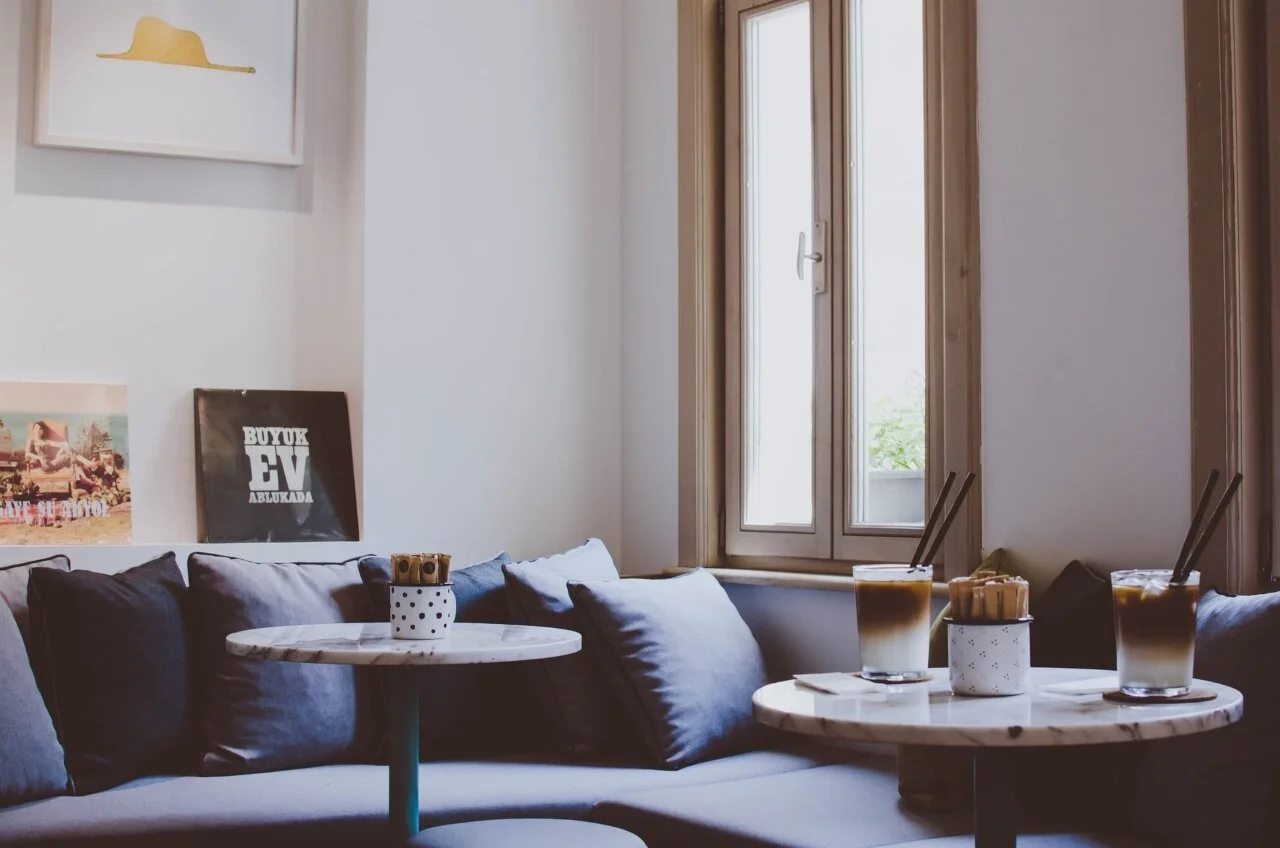
Cafés are often the places where people go to spend time with their friends and loved ones, enjoy some delicious coffee and food, or even spend time working in a pleasant environment. For these reasons, it’s only logical that your café needs to be more than just a simple eatery; it has to be a comfortable and inviting space any customer can enjoy. To that end, here are some of the best café interior design tips that will allow you to create the ideal atmosphere in your space:
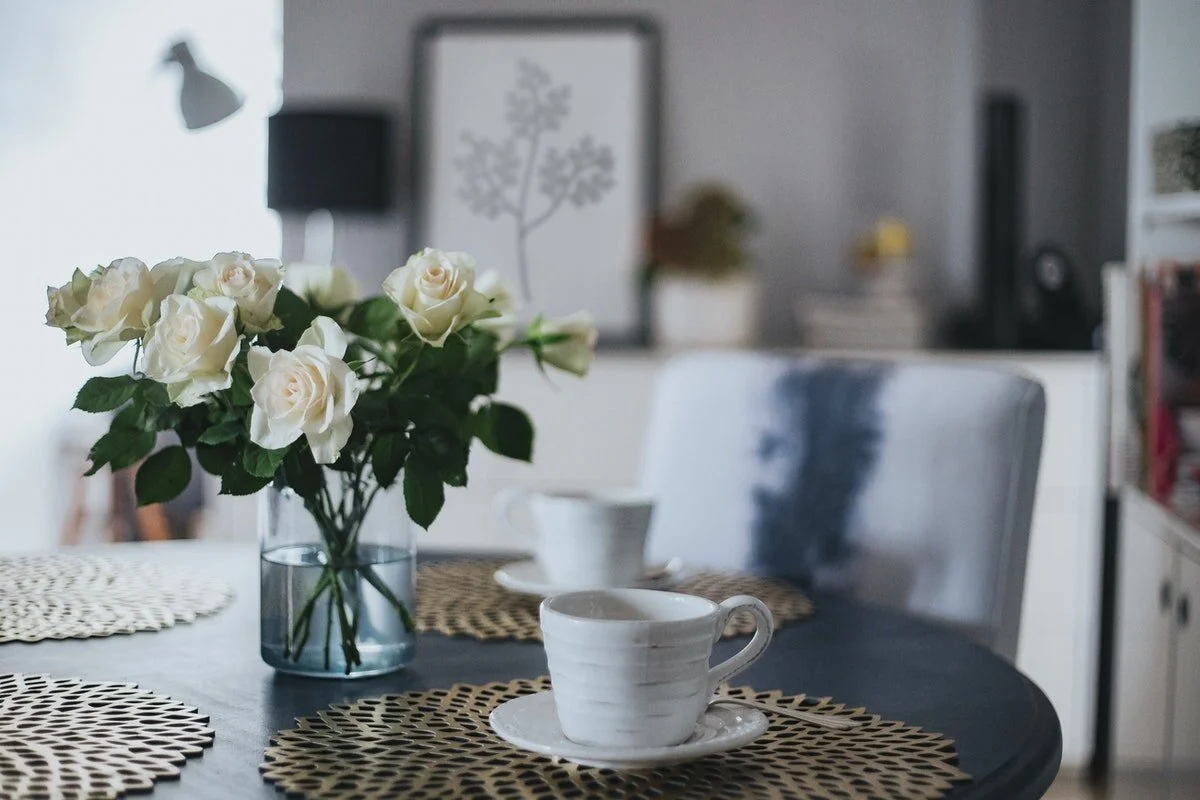
Cafés are often the places where people go to spend time with their friends and loved ones, enjoy some delicious coffee and food, or even spend time working in a pleasant environment. For these reasons, it’s only logical that your café needs to be more than just a simple eatery; it has to be a comfortable and inviting space any customer can enjoy. To that end, here are some of the best café interior design tips that will allow you to create the ideal atmosphere in your space:
Think about the layout

Before you start thinking about the decor, you need to consider the intended layout of your café, as good space planning is essential for ensuring your customers can freely and comfortably move throughout the interior. So, make sure the café doesn’t feel overcrowded, taking into account the table placements, the seating arrangements, as well as any order and pick-up queue spacing.
For instance, features of modern industrial styles often include minimal furniture that is spaced out as sparsely as possible, and that might be a great inspiration for any functional café interior. Another thing you might want to consider is creating some private nooks and corners, thus catering to both the social and the more private customers.
Select the right color palette
The color palette of your café interior is another aspect that could greatly impact both your customers and the overall atmosphere in your space. To choose the most ideal color scheme for your interior, it would be best to ask yourself what message you wish your café to convey, and how you would like your customers to behave in your space.
For example, if you’re looking for a calm and soothing look that’s still warm and inviting, a neutral color palette in lighter hues could be a great choice. If you wish to make your café more cheerful and fun, on the other hand, brighter shades like yellow and orange can be wonderful options, being good appetite stimulants as well.
Invest in quality furniture
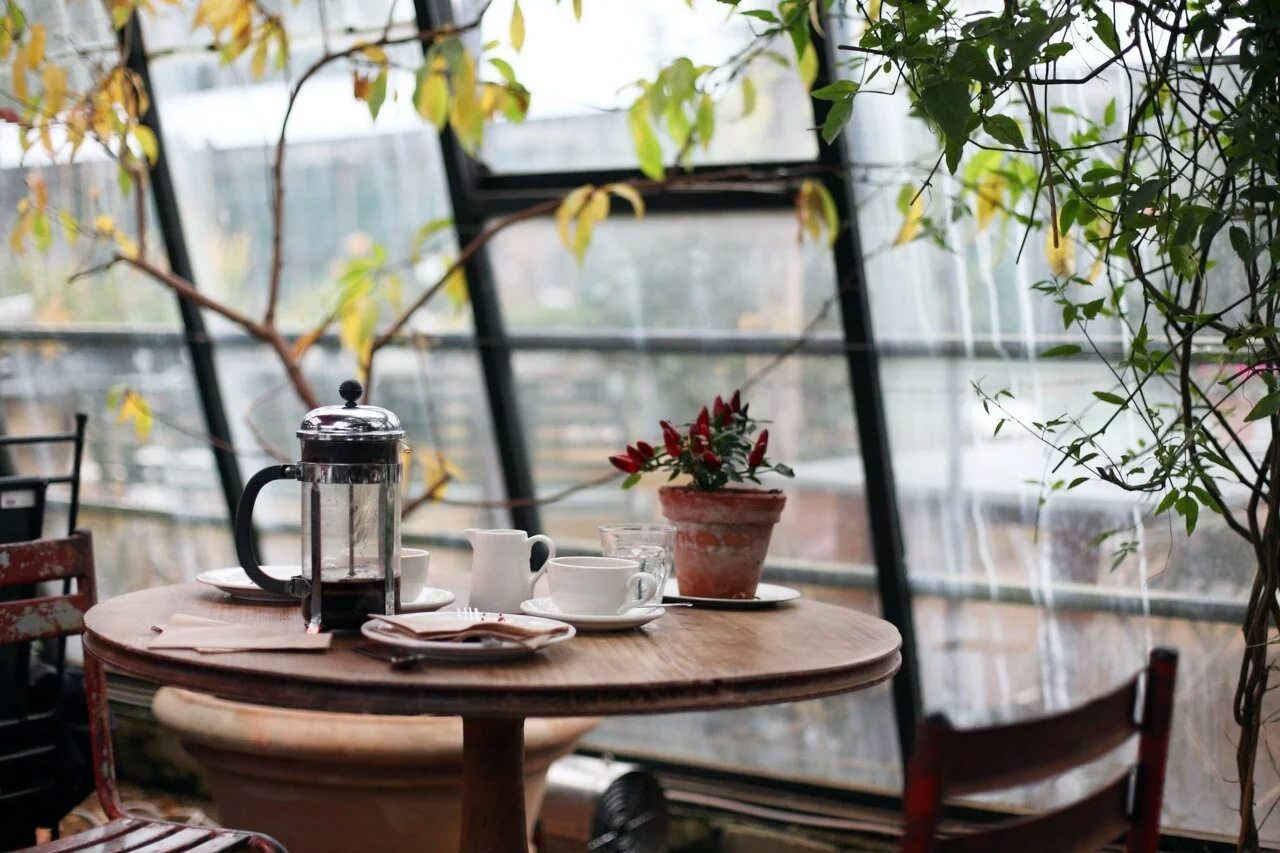
Furniture is an incredibly important aspect of café interior design, as it allows you to create a stronger and more cohesive decor theme, while also relating the theme to your customers more efficiently. For instance, if you’re aiming for a comfortable and relaxed atmosphere where customers could work or chat for hours, sofas and lounges combined with cozy armchairs might be the best option.
On the other hand, if you own a more Italian-style café where customers are expected to stop over for a quick cuppa, wooden chairs, bar stools, and smaller square tables might be a better option. No matter what you choose, it’s always recommended to invest in high-quality pub furniture that is as durable as it is attractive, to ensure your café decor looks perfect for years to come.
Opt for good lighting
Regardless of the overall theme or the design of your café, lighting is a crucial aspect of any interior, helping to create the desired mood and ambiance, apart from providing comfortable light for reading, chatting, and eating. For that reason, including as much natural light as possible is always advised, which could be achieved by opting for glass doors and windows at the entrance of your café.
For the evenings or those interiors that don’t have the option of including plenty of natural light, soft and warm artificial lighting is always advised. When it comes to fixtures, you could choose the perfect chandelier as the centerpiece, and then pair it with smaller wall lights or recessed lighting for a cozier atmosphere.
Consider the ambiance
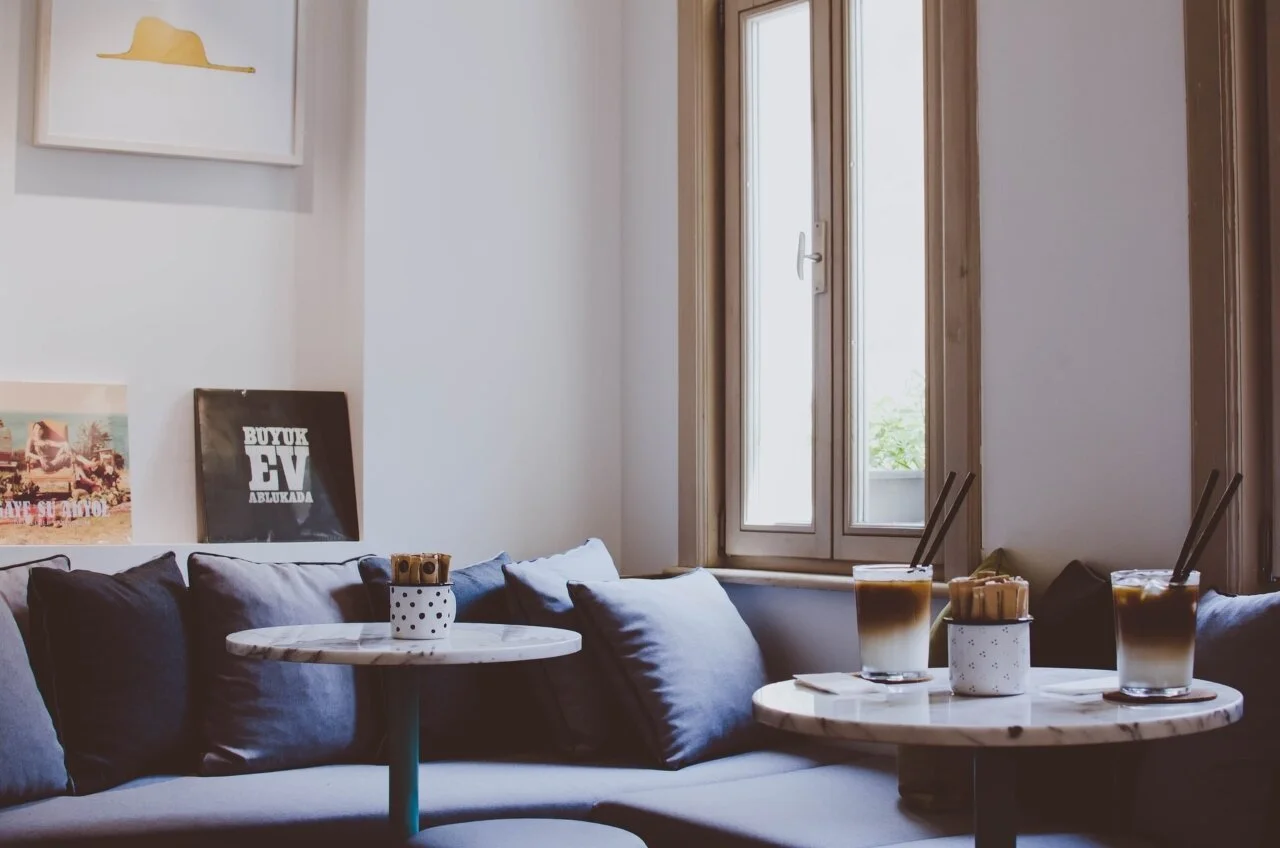
While anything from the lighting to the colors and the decor might help to set the right mood, there are some additional aspects you could include to create the perfect ambiance. For example, accessories such as decorative pillows and throw blankets, or even smaller area rugs, could all add a touch of coziness and warmth to your space.
Background music can also be an important factor in creating the right atmosphere, helping to make your customers happier and more relaxed, and your employees more productive. For instance, rock music might help to raise appetite and encourage customers to leave faster, emptying tables more quickly, while soft classical music might help to increase the desire for sophisticated drinks and refined foods.
Creating the perfect atmosphere in a café can often be a difficult task. But as long as you find the right balance between the necessary interior design aspects and the message you wish to convey, your customers will surely have a positive and pleasant experience in your café.
About the author: Mike Johnston is an experienced blogger and editor with a background in creative writing and digital media. He’s a regular contributor to numerous online publications where he writes primarily about real estate, construction, home improvement, and interior design.
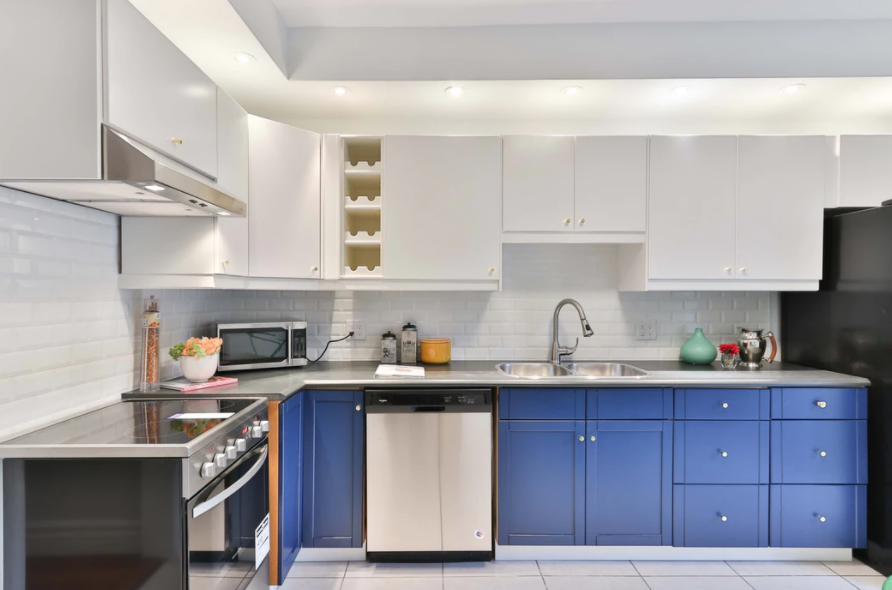
Great Versatile Tile Options for Both Flooring and Walls in Your Home
Tile has been an architectural mainstay for millennia, and it’s used for both interior and exterior design. From the intricate mosaics of the Romans to simple terracotta floor tiles, tile is both versatile and practical.
Today, dozens of types of tile can be used on floors and walls, both indoors and out. Some have been around for centuries, and others are very modern and cutting-edge. Let's take a look at versatile options that are trending in tile.

Tile has been an architectural mainstay for millennia, and it’s used for both interior and exterior design. From the intricate mosaics of the Romans to simple terracotta floor tiles, tile is both versatile and practical.
Today, dozens of types of tile can be used on floors and walls, both indoors and out. Some have been around for centuries, and others are very modern and cutting-edge. Let's take a look at versatile options that are trending in tile.
Terracotta
Everything old is new again, and unglazed terracotta adds warmth to both walls and floors. Unglazed terracotta is particularly appropriate in the kitchen, but its porous nature makes it inappropriate for a bathroom.
Terracotta floor tiles are also very appropriate for use outdoors, such as on a patio or walkway. The slightly rough, unfinished surface makes terracotta nearly slip-resistant.
Glazed Ceramic
When most people think of tile, they think of glazed ceramic. It's available in nearly any shape you can imagine, as well as any color or pattern. From minimalist, art deco, or Boho, ceramic tile fits right into any style.
Glazed ceramic tile can be used anywhere, and the waterproof surface makes it perfect for the bathroom. However, if used on a floor, choose a tile with a matte or slightly rough finish. Very shiny glazed tiles can create a serious slipping hazard.
Natural Stone
Natural stone is a common desire in home design, but large pieces of it can get expensive fast. Natural stone tiles are much more affordable than a single large stone slab and create much the same high-end look. Stone tile is possibly the most durable type of tile you can choose, and you have a lot of options within that category, including marble, granite, slate, sandstone, and limestone. Natural stone tile is also great to use around fireplaces and wood stoves.
One type of natural stone you should consider is limestone. This is a classic architectural stone that has been used for thousands of years. Compared to other types of natural stone tile, it’s very affordable, and it can even increase your home’s value. In addition, slip-resistant limestone tiles can be found that are very good for floors. Just remember to seal the tile to protect it from water damage.
Metal Tile
Like ceramic tiles, metal tiles are highly versatile, waterproof, and can be found in a variety of styles to fit any décor. From the familiar, embossed Old West-style ceiling tiles, to space-age, 3D stainless steel, metal tiles are great in both kitchens and bathrooms. Like natural stone, metal tiles are also ideal to use around a fireplace or wood stove.
Tile has been used for centuries on both floors and walls, for good reason. It's versatile, durable, and gets the job done while looking fabulous. When you’re looking for a versatile tile for your next home project, consider these options.

First-Time Homebuyer: 7 Tips for a Smooth and Successful Mortgage Application
It is a happy and exciting endeavor, but buying a house for the first time can be a cumbersome process. Mind you, looking for a property is the easy part. Being able to buy it is another.
For one, you need to send out applications to mortgage lenders. And the application process differs from one lender to another.
That said, here are seven tips you can follow for a hassle-free mortgage application:

It is a happy and exciting endeavor, but buying a house for the first time can be a cumbersome process. Mind you, looking for a property is the easy part. Being able to buy it is another.
For one, you need to send out applications to mortgage lenders. And the application process differs from one lender to another.
That said, here are seven tips you can follow for a hassle-free mortgage application:
Know your credit score
Before you start managing your mortgage application, you first need to find a way to know your credit score.
Your credit score dictates how trustworthy a borrower can be in the eyes of a lender. It encapsulates your credit history through a score that lets lenders know how high the probability is of a borrower paying back a loan. It will also help lenders determine what mortgage terms you can avail of.
That's why knowing what your credit score is will help you figure out what to expect for your mortgage application.
Know how much you can afford
After you know your credit score, it's time to check your coffers and see what kind of property you can afford to buy.
Determining your budget will help you figure out how much you need for a mortgage loan. It also helps you to figure out how to be realistic when applying for a mortgage.
The more budget that you have, the less you have to ask for in your mortgage application. When you have more of a budget for a house, this lowers your loan-to-value ratio. That means that you are posing as less of a risk with lenders, so you're now a more attractive prospect or borrower to lenders.
If you have more time, try and get as much of a deposit as possible so that you'll have a higher chance of getting an acceptance for your mortgage application.
Learn about your loan options
Now that you know more about your budget, you can start looking at your loan options. When it's your first time getting a mortgage application, you might think the first seemingly best loan option is the best that you're ever going to get.
However, it's a good idea to shop around first to know what your options are, honestly. Aside from getting the loan option with the lowest interest rate, you should also figure out what type of mortgage loan suits your needs.
For example, fixed-rate mortgages are a type of mortgage loan that has an unchanging interest rate. On the other hand, an adjustable-rate mortgage will have a lower starting interest than the market rate. However, the amount of mortgage you need to pay will increase over time.
Prepare your paperwork
Now it's time for you to gather all the needed documents for your mortgage application.
First, you need to present proof of income and your bank statements. This is the information that all lenders will need to have before telling you if they're willing to offer mortgages to you.
That's why you should gather those already to make the application a lot smoother for you.
Get pre-qualified
Some real estate agents won't consider working with you unless you get yourself pre-qualified for a loan already. All you need to get through the pre-qualification process for the mortgage is to get your paperwork together and send them to your lender.
The pre-qualification can help you figure out how much you're able to get from a potential buyer. That way, you'd know how much buying power you might be able to have for a home.
Avoid applying for credit before a mortgage
Since your credit score affects your likelihood of getting a mortgage application approved, you should avoid applying for credit at least three months before sending out your application. That way, this won't affect your credit score, which will also affect your mortgage application.
Consider working with a mortgage broker
Being a first-time homebuyer can be stressful because you don't know what to expect, so you're new to the entire process. That's why it would be ideal to have someone by your side with more experience with mortgage applications.
That's where a mortgage broker can help you.
You have to find mortgage brokers in Auckland that you trust and have significant work experience. That way, you can have a higher chance of having a good working relationship with them.
With the help of a mortgage broker, you're going to be able to navigate the entire process of applying for a mortgage with ease. They'll be able to negotiate on your behalf and show you the best options that are out there for you.
At the same time, you'll be saving time and energy. That's because the mortgage broker will handle most legwork for your mortgage application.
Over to You
The tips listed above can help you have an easier time getting your mortgage application accepted.
Nonetheless, we suggest that you hire a trustworthy and reliable mortgage broker. That's because they can help you make more informed decisions in buying your first house.

Organizing Your Home Office For Privacy & Productivity
Even with the pandemic coming to an end, many employees are still opting to work from home. Working from home offers the convenience and flexibility that an in-office position lacks. But, preparing a home office that promotes productivity and focus is not so easy. Oftentimes, working from home comes with distractions that a standard office space does not. Cultivating a space that allows for high efficiency is essential to maintain your productivity whilst at home. And if your work requires a certain level of digression, having a private space away from family and friends is necessary.

Even with the pandemic coming to an end, many employees are still opting to work from home. Working from home offers the convenience and flexibility that an in-office position lacks. But, preparing a home office that promotes productivity and focus is not so easy. Oftentimes, working from home comes with distractions that a standard office space does not. Cultivating a space that allows for high efficiency is essential to maintain your productivity whilst at home. And if your work requires a certain level of digression, having a private space away from family and friends is necessary.
Privacy Enhancers
One perk of the office, especially one with cubicles, is privacy. In some lines of work, the files and content that exist on the computer are meant to be kept private. It can be difficult finding this privacy balance at home with a family and children. However, there are several options on the market for making sure your space is kept relatively private. Aside from monitoring your online privacy, by limiting your cookie settings, you can privatize your screen by opting for a screen protector that tints the display a shade darker. This way, you can see your screen but other people passing by cannot. Another option is looking into a room divider or privacy shade. These are miniature, movable opaque walls that shade your area for some seclusion.
Revamp Your Files
Having an organized and convenient filing system is necessary. It is important to keep track of all your important documents. There are several methods for organizing your filing system. Ultimately, each person will find a different way that works best for them. However, ideally, you would have some main categories accounted for. Creating a folder for meetings will help you be prepared much quicker for those Zoom calls. Putting items that are ready to be discussed in a separate area will prevent you from losing an important document prior to a meeting. Along the same vein, putting together a “high priority” documents folder is another necessity. While these documents may not be as immediate as the meeting folder, they are still documents that should be kept at an arm's reach. Additionally, having a “follow-up” folder is important for not losing track of documents that may be awaiting a response. Periodically check in on that folder and see if any papers have been followed up on and moved to a separate place. While some people do still use an actual physical filing cabinet, many work entirely virtually. This filing system can still be implemented online whether it’s email folders, desktop folders, or even Google drive folders.
Purge Your Desk
If you’ve ever worked in a cluttered space, you may have realized that your productivity struggled. While there are some who thrive in the chaos, many do not. In fact, research shows that there is a direct correlation between clutter and a decline in productivity. Being at home can enhance clutter in the workspace. Whether it's dishes from various meals, kids’ toys, or other miscellaneous items, your desk may be becoming less conducive to productivity. Purge your main workspace of clutter is a one-way ticket to enhance productivity. Try keeping, at a maximum, 5 items on your desk. Whether that’s a laptop or desktop computer, your coffee mug, a note pad, a picture frame, or a plant, make sure only the necessities are present. As for the rest of the home office, consider a shelving system with concealed spaces. This way you can toss all the clutter into those bins or drawers and it is out of sight. While this doesn’t eliminate the clutter completely, it at least keeps it out of your way while you’re trying to work.
Bottom Line
Working from home has a lot of perks. A more flexible schedule allows for you to maximize your day in the way that works best for you. However, working from home also comes with a set of distractions that don’t normally exist in the traditional office setting. Organizing your space at home can help maximize your efficiency and productivity. And the more efficient and productive you are, the more you can do with the rest of your time. While these are just a few tips, there are plenty of ways to make your space match your needs. Ultimately, your choice in organization will be personal to you and how you work.

