

A resource for those seeking information on organizing and transforming spaces.
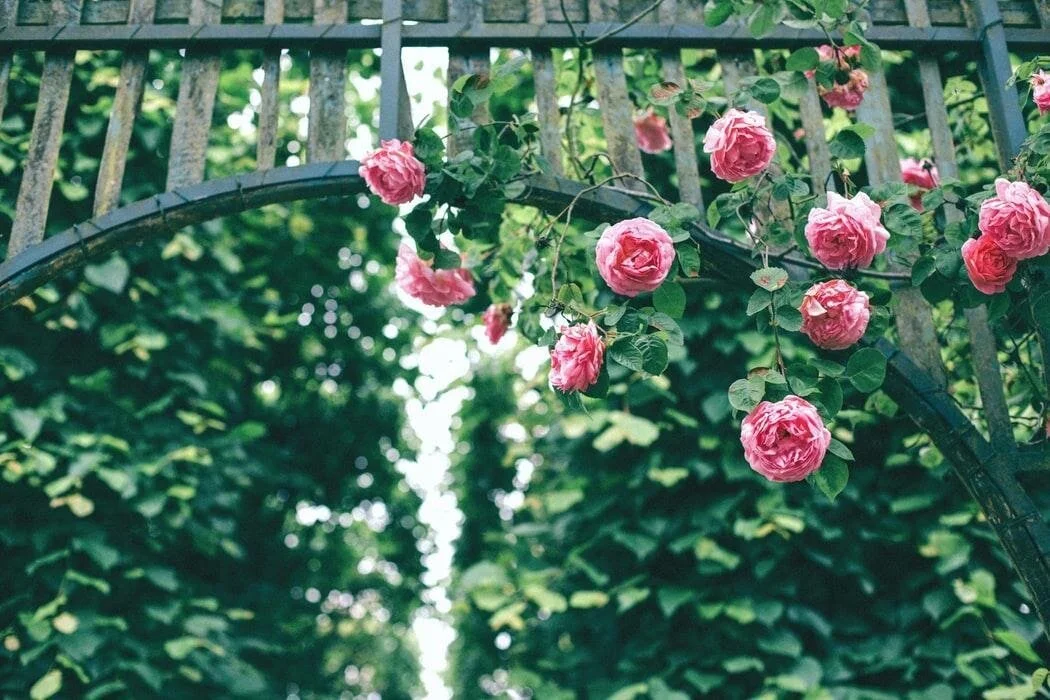
Gardening Ideas that will Make your Garden Look Amazing
While we all fantasize about having acres of property with lush lawns extending into shady orchards, huge flowering borders, and a kitchen garden, the fact is that if you live in a city, your square footage will be limited.
While we all fantasize about having acres of property with lush lawns extending into shady orchards, huge flowering borders, and a kitchen garden, the fact is that if you live in a city, your square footage will be limited.

Small garden ideas, on the other hand, may be just as inspiring, and your lack of room didn't stop you from dreaming big. Smaller gardens, patios, and roof terraces may still be elegant, quiet retreats, and although you might not be able to fit in that orchard, there are lots of tiny garden plans that will provide you with just as much pleasure. It's simply a matter of being resourceful with the space you do have.
Using decking to divide a patio or terrace into different heights will actually make the room feel larger and zone separate regions. Using built-in planters or tiered levels to provide seats will eliminate the need for cumbersome furniture. Simply add some lovely banquette-style cushions and you're done.
Potted plants, which can be readily moved about and interchanged, are a more flexible option than boundaries. Is there a lack of room for plants? Consider things from a different perspective. If money isn't a problem, invest in a stunning living wall; for rental apartments or a more budget-friendly option, place potted herbs and plants on high shelves to free up floor space. There are lots of tiny garden ideas to get you started, as you can see...
1. IN A SMALL GARDEN, DON'T USE DECKING AND CHOOSE TILES INSTEAD.
The use of tiles instead of decking or pavement is a popular garden style right now, and it's a design that works well in tiny spaces. When utilized on the floor, pattern may draw the eye away from the room's proportions, so choose a pattern that will play with perspective in your space.
If you have a narrow garden, use a horizontal design to pull the eye outwards, and vice versa if you have a shallow garden, use your tiles to add length. If a strong tile or paving doesn't suit your style, utilize the plan to create a comparable space-expanding effect with a neutral tile or pavement. For smaller gardens, a lengthy herringbone pattern is ideal.
2. USE MIXED MATERIALS TO ADD A LOT OF TEXTURE.
Texture is important in tiny garden ideas, just as it is in smaller inside areas. Its texture may be utilized to blur the borders of your garden, adding interest to the space. Plants are an easy method to provide a variety of textures, so use a variety of sizes and forms when selecting plants for a modern garden. If you don't have green thumbs, you may create texture to your garden using materials like decking or patio pavement, fences, trellises, and even furniture.
With clean stone floors, bedded plants, exposed brickwork, and sleek, slatted wood fence, this tiny outdoor space seems quiet and calming.
3. CONTAINER GARDENING IS WORTH TRYING.
As previously stated, we all desire fields of flowers, but container gardening may be just as lovely and vibrant, albeit on a smaller scale. Choose pots that reflect your personal taste - square concrete for a more modern look, terracotta for all the Mediterranean feelings, or antique pots from eBay if you want a more classic English look. Pick pots and plants in a range of sizes and heights to create a display that rivals any flower meadow, whichever aesthetic you opt for.
4. IN A SMALL GARDEN, CREATE ZONES
It may seem strange to want to divide a tiny garden into smaller pieces, but by dividing your area into 'rooms,' you create mystery, and the uncertainty of where the garden's limits stop may hint to greater space.
Large plants, hedges, trellis, and custom gates may all be used to divide your garden, depending on the aesthetic you want to achieve. And be sure to leave lots of freedom to wander among the different rooms; rather than completely separating them, you want to give them the impression of separate zones.
5. 'EXPAND' A SMALL GARDEN WITH MIRRORS
A simple tiny garden concept that can make a small garden appear larger in the mirror. It's basic design 101 that they make rooms feel brighter and loftier, and gardens are no exception. You might put a huge basic mirror to the back wall of your garden to 'double' the area, or go for something more discreet and traditional with an antique mirror covered with climbers, depending on the aesthetic you want.
6. DON'T BE AFRAID TO TRY NEW THINGS.
Small gardens, too, can manage color — this modest patio, for example, exudes a wonderful, calm exotic vibe. Although the room is small, the turquoise wall pushes the eye outward, making it appear larger. There's also the modest mirror, which expands the area, and the bright tiles, along with the unified pattern, make it feel almost like an extra room going off the kitchen.
7. USE A FIRE TO MAKE A SMALL GARDEN FEEL COZIER.
Adding a fire to a tiny garden is a wonderful concept that will only add to the space's warmth (in a positive way). The simplest and most straightforward option is to construct a firepit and arrange comfortable seats around it, but if you're short on space, take inspiration from this lovely landscape and have a fire built into a boundary wall for a true outdoor living room vibe.
8. IN A SMALL GARDEN, CREATE LEVELS
Creating distinct zones inside your garden by adding levels is a fantastic tiny garden idea since it not only makes the area more fascinating, but it also makes it feel bigger. You might create a sunken garden or seating area, or you could create a raised lawn or garden, as seen in this design with stairs rising up from a patio area.
9. EVEN IN A SMALL GARDEN, THINK BIG
It's tempting to keep everything tiny in a small garden - small plants, small pots, and small furnishings – but keeping everything in proportion with your small area will just make it appear congested and smaller. Instead, try for some huge, eye-catching plants that will create drama and draw attention away from the limited space.
10. TRADITIONAL GARDEN FURNITURE SHOULD BE REMOVED.
While hammocks may appear to be a gimmick, they are the ideal piece of garden furniture for those with little space. They take up no floor space and may be simply stowed away if the garden is needed for entertainment. A beautiful hanging chair might work just as well if a hammock seems too hippyish.
11. MAKE THE MOST OF THE VERTICAL SPACE
When you're short on floor space, look above for places where you can add some greenery. Plant trees that will grow upwards rather than outwards, and use climbers to line the boundaries of your garden. You could even plant a living wall and skip the borders to free up additional ground area for a grass or patio.
12. USE YOUR IMAGINATION WITH WALL TILES
This is a great little garden design, and by covering a dark brick wall with lighter tiles, the room feels instantly larger, brighter, and more like a garden than a tiny courtyard. The floor tiles have a similar space-enhancing effect, and the festoon lights and olive tree provide a festive touch — there's plenty to be inspired by here.

The Best Ways To Add Finishing Touches to Your Home
Looking for a little something extra to lend a room character, strength, and elegance? Here are the best ways to add finishing touches to your home.

You’ve finished redecorating your home, but something is... missing. Sometimes when you finish making an upgrade, you realize that there’s too much or too little space left or that the room lacks an element that ties the overall theme together. Not to worry. Sometimes all it takes is an extra bit of furnishing or decoration to make a room work. Here’s a selection of the best ways to add finishing touches to your home.
Fill the Walls
Uncluttered walls can work, but they can also look blank and barren. Framed artwork is the easiest way to gussy up a wall, whether you choose authentic paintings by a local artist, posters and prints of famous works, or a series of family photographs. Adding shelves creates a new, functional space that can display adorable tchotchkes, elegant vases with fresh flowers, or carefully arranged books (try organizing them by color on several shelves for an extra eye-opening rainbow of color). Don’t underestimate the soft and visually tactile appeal of a large blanket or other textile hung from the wall, either.
Add Multifunctional Furniture
If a room lacks some amenity (or several), find furniture that serves purposes beyond the obvious ones. Every entryway or foyer could use a table that provides a place to put your wallet or purse, keys, and other pocket items you don’t want to carry around the house. A coffee table or chest can supply a surface for drinks, books, and gameplay, but they can also contain storage space for magazines, blankets, and more. Note what’s missing from a room and find a piece that can do it all.
Let There Be Lights
Never let a single source dictate the amount and kind of lighting a room gets. A ceiling fixture can provide a bright overall illumination to the room, but what about those times when you need a softer effect or a more direct source for reading in your favorite chair? Add a dimmer switch to your overhead lighting. Then, add table and floor lamps near couches and chairs to provide more personalized lighting. Incidentally, a floor lamp in each corner usually produces a soft, warm glow that makes a room feel homier and cozier.
Let There Be Life
When you’re considering the best ways to add finishing touches to your home, don’t forget that nothing adds more life to a place than plants. Plants add fresh air, pleasant scents, and, if they flower, extra color. Consider how much sunlight a room receives during the day and talk to a gardening center professional about the best plants for the space. Ideal plants to add include rubber trees, Christmas cacti, African violets, spider plants, and ferns. Most indoor plants are low maintenance, so even if you don’t have a green thumb, you’re unlikely to lose them if you miss a watering day.
Ways To Maximize Kitchen Counter Space
Not having enough counter space in the kitchen is something everyone experiences. Read on to learn some of the best space-saving tricks for your kitchen.
Battles between counter space and ever-invading clutter are constantly progressing in every kitchen. It always seems like counter space comes up short, even if you try stuffing all the space-hogging suspects into the drawers and cabinets below. Sadly, this is normal. Most home kitchens barely enough room to spare, especially when they’re small or galley style. No matter your situation, fret not! We’ll cover some of the best ways to maximize kitchen counter space here.
Add Shelf Risers
One of the best ways to maximize kitchen counter space is to simply create some counter space (who would have thought). You can use shelf risers to do this. When we say shelf risers, we don’t mean huge shelves weighing a million pounds. Think more along the lines of a spice rack that’s for more than just spices. The optimal usage of shelf risers would be storing spices, utensils, and other smaller kitchen implements. This will allow more counter space as well as storage space in the drawers.
Use All Your Surfaces and Drawers
When searching for more counter space, many people discount windowsills as unusable surfaces. However, the windowsill is one of the best places for storing such things as carafes, canisters, cookbooks, and even bottles. It’s worth noting that what you can do with your windowsill depends on how deep it is. Other spaces that people often underutilized are the lower cabinets. Many people don’t realize how much they can fit underneath a sink, even when they have bulky things such as under-sink water filtration systems taking up some of the space.
Utilize the Stovetop as a Potential Work Space
One of the techniques that never crosses most people’s minds is to use the stovetop as a work space. You’re probably asking yourself how you would do that, since a lot of stovetops—particularly on gas stoves—aren’t smooth surfaces. The answer is simple: stove covers. The best part is that you can make your own stove covers at home quite easily. With these, you can treat your stovetop as the perfect cutting board or general meal preparation area.
No matter your kitchen situation, there are always some ways to maximize your kitchen counter space. All it takes is a little creativity and the knowledge of what you need out of your kitchen. Remember, these space-saving tips are only the start. It’s now up to you to make your kitchen storage dreams come true!

Knock Knock: 4 Things You Can Do to Fix Up Door Damage in Your Home
Your front door not only protects your home but also makes the first impression on visitors. A damaged front door looks bad, but worse than that, it could also attract burglars, making it a safety risk for you and your family. Interior doors provide privacy for every member of your household. Damaged doors, handles, or locks can make the home less comfortable for everyone living there. Fortunately, there are things you can do to fix damaged doors.

Your front door not only protects your home but also makes the first impression on visitors. A damaged front door looks bad, but worse than that, it could also attract burglars, making it a safety risk for you and your family. Interior doors provide privacy for every member of your household. Damaged doors, handles, or locks can make the home less comfortable for everyone living there. Fortunately, there are things you can do to fix damaged doors.
Get Rid of Wood Rot
In damp climates, doors and window frames on older homes are prone to wood rot. Of course, this is most common on exterior doors, but leaks or high humidity could cause rot on doors inside of the home. If the rot is not extensive, you could repair it with an epoxy wood filler. However, if the wood rot is bad, you will likely need to replace your door frame entirely. Rather than replacing it with a new wood frame, choose a door frame made from a plastic composite material. Composite door frames are highly resistant to water damage.
Unstick Sticking Doors
A door that sticks could be caused by any of several reasons. It could be due to humidity warping the wood. Alternatively, it could be due to the house settling. Sticking doors are also often one of the first signs of structural damage in the home.
First, try tightening the screws on the hinges. If that doesn't work, try sanding or planing the edge of the door. This can take some time. If sanding the edge frees the door, finish the job up with a light coat of paint or varnish to make the door look uniform again.
However, doors that are sticking are often a symptom of bigger problems. So, if they become a recurring problem throughout your home, you might want to contact a professional to inspect your home.
Fix Hollow Core Doors
Interior doors are often hollow core doors, which can easily be damaged. Fowdy kids can accidentally dent or put holes in hollow doors while playing. Even banging against a doorstop or furniture can put a hole in a hollow door.
The hollow nature of interior doors makes repairing them difficult. You can try filling the hollow space behind the hole with spray foam. Once the foam is dried, use an epoxy filler to fill in the hole. When that is dried and cured, sand it down flush with the surface of the door, and paint or stain it to match the rest of the door.
Call a Professional
While door repair sounds simple, and often is, sometimes getting everything to line up just right is harder than it looks. Depending on your experience with home repair, you may be able to take care of it yourself. However, if the job looks too complicated for you, call a professional, like those at AMPM Door Service. If you don't know exactly what you are doing, chances are, you could make the problem worse. A professional can also help you ensure that there are no deeper problems causing the issue.
Completely replacing the door may be necessary if the damage cannot be easily fixed. The fact is, hanging a new door takes skill and more than one set of hands. Fortunately, professional door service is affordable. More importantly, you'll be able to rest assured that your door is solid and able to protect your home and your privacy.

