

A resource for those seeking information on organizing and transforming spaces.
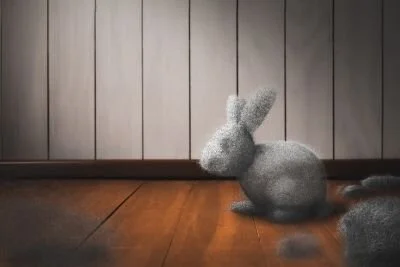
Dust Bunnies: How To Get Rid of Them Forever
Don’t let the word bunnies fool you. Dust bunnies are nuisances that remind us that our homes are full of dust. Follow our tips to get rid of them for good.

We aren’t sure who decided that balls of dust that float across the floor should be called “bunnies,” but the term certainly stuck—and unfortunately, most of us have plenty of them. It’s understandable: With careers and busy lifestyles, who has time to catch dust bunnies? We’ve got a few helpful hints to get rid of dust bunnies forever. It starts with a thorough dusting (we know—yuck) and ends with staying on top of dust control so that your living room floor never looks like a tumbleweed scene after a dust storm ever again.
Dust Regularly
If there was a magical way to remove dust without physically removing it, we’d let you know. Sadly, in order for you to have a dust-free home, the dust that has accumulated needs to go away, and the process will require a little elbow grease.
Set aside a couple of hours on a Saturday morning and get it over with. Depending on how bad it is, you can wipe away dust with a dry rag, scrub it off with warm water, or—if you’re like many of us who have pretended for years that dust doesn’t exist—grab a chisel (joking). You get the idea: do a once-over in the house, getting rid of dust and starting over with a clean slate.
Ditch the Carpet
Carpet is soft and warm under our feet, but one of the best ways to get rid of dust bunnies forever is to remove all carpet and go with wood, laminate, tile, or vinyl flooring. Carpet holds onto everything, and every time you move around on it, dust goes into the air.
Check On Your HVAC System
HVAC systems have the ability to blow dust all throughout our homes, but changing filters and performing regular maintenance to keep your HVAC system running can keep down the dust. Unfortunately, if you’ve got a bad dust problem and you’ve taken all the steps necessary to keep your HVAC clean, the problem may be that it’s time to replace your HVAC system. Older systems may not be able to keep up or filter the air properly. This can also lead to other issues, so have your HVAC checked out.
Groom Your Pets
Certainly, your pets are perfect and their furry coats are beautiful, which is why we hate to break it to you: your pets create dust and flying fur. Regular grooming cuts down on these furry effects.
Sweep and Mop
Sweep daily if you can, and run a damp mop across all your hard-surface floors a few times a week. Sweeping gets a lot of dust, and the damp mop picks up what a broom or vacuum can’t get.
So there you have it. Get rid of those dust bunnies once and for all, and don’t let them return. Once you get a regular routine going, keeping the dust under control will be easy. Now if we could just get everything else under control as well.
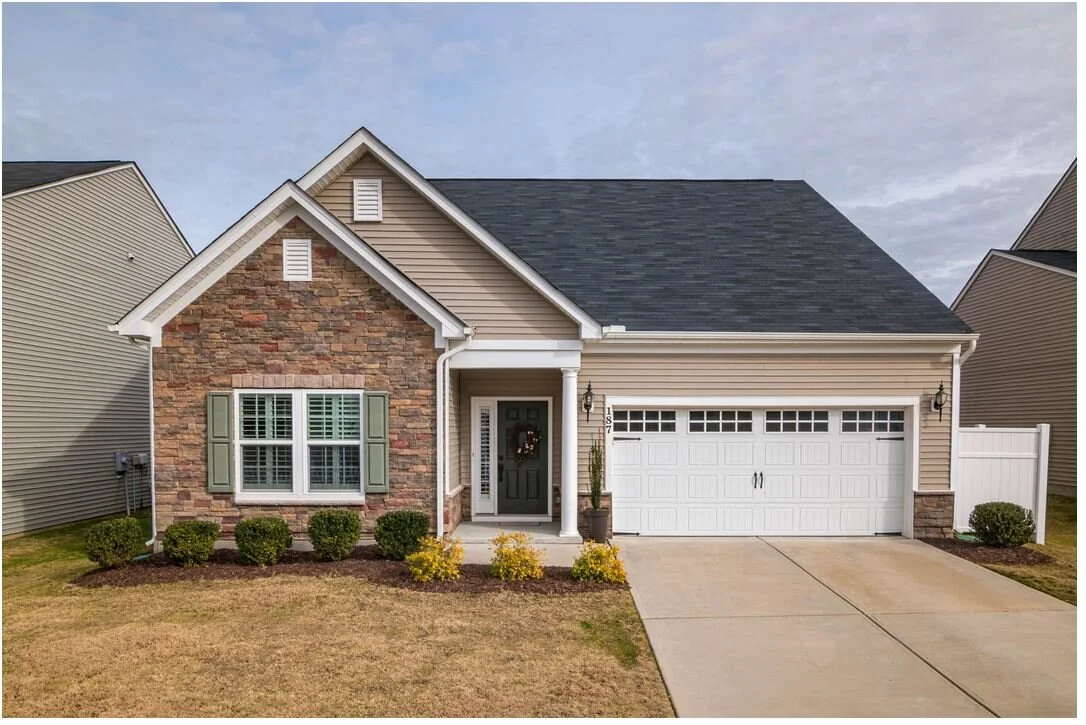
Humble to Luxurious: 5 Types of Houses That You Can Turn Into a Family Home
If you and your partner are feeling drawn to settle down and start a family, you'll need a place to call home. While an apartment with roommates is OK for singles, couples with children really need a single-family home. Whether you are on a tight budget or are a millionaire, you can afford to raise your family in a real home.

If you and your partner are feeling drawn to settle down and start a family, you'll need a place to call home. While an apartment with roommates is OK for singles, couples with children really need a single-family home. Whether you are on a tight budget or are a millionaire, you can afford to raise your family in a real home.
An Expandable Tiny Home
If you are starting your family on pennies, a tiny house could be an option. Start with a design that can be expanded with extra rooms as your family grows. Depending on zoning, a tiny house can be built on an affordable piece of land that you purchase.
Manufactured Homes
These are prefabricated, single-family homes that can be transported by truck to your property. Manufactured homes come as single-wide and double-wide models, and some of these affordable homes are quite roomy and luxurious. Manufactured homes start at under $50,000 and go all the way up to $200,000, depending on size, features, and quality.
Existing Single-Family Homes
The traditional, suburban home with a big, backyard is what most people think of when they think of single-family homes. Depending on your region, this type of home can be relatively affordable. Be careful to choose a good neighborhood, and also, have a home inspection to pinpoint any problems before you commit to buy.
Big City Townhouse
If you must raise a family in a big city, a townhouse might be the way to go. The difference between an apartment and a townhouse is that a townhouse usually has two floors and its own door to the street. Townhouses also often have a small backyard. Finally, apartments are rented, and townhomes are purchased. However, you'll need to be careful to choose a safe neighborhood for your family; some big city townhouses are affordable and have lots of character, but are not in good neighborhoods.
Newly Constructed Single-Family Homes
Having a custom-built, new home is the way to go for many families. First of all, you won't inherit any problems, such as mold, from the previous owner. Second, a newly constructed home will be up to the latest codes, which spells safety for your family. Third, new neighborhoods often have lower crime rates and are safer places for children.
No matter what your budget, you can buy a home to start your family. But choose wisely, so that your children have a safe, stable place to grow up.
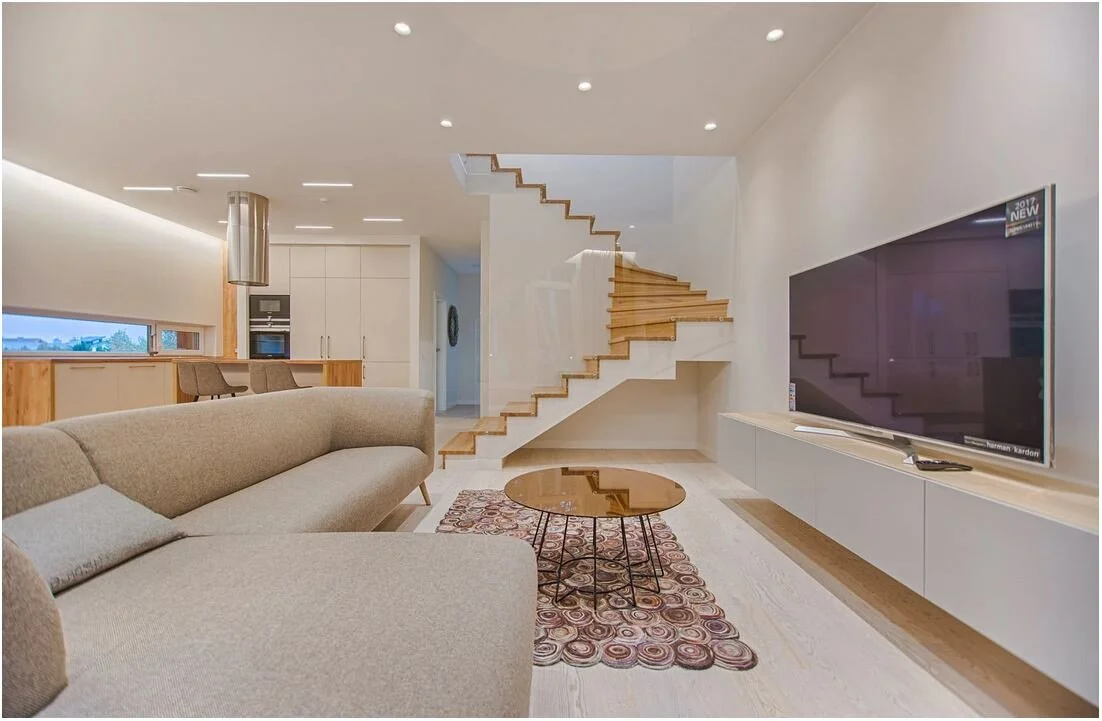
Reclaimed Flooring Ideas for Your Thoroughly Modern Home
Whether you are remodeling your existing home or building a new one from scratch, reclaimed materials are both affordable and earth-friendly. Reclaimed flooring is both an affordable and timeless option for your modern home. In fact, you won't have to settle for vinyl, you'll easily be able to afford a high-end floor when you use reclaimed materials.
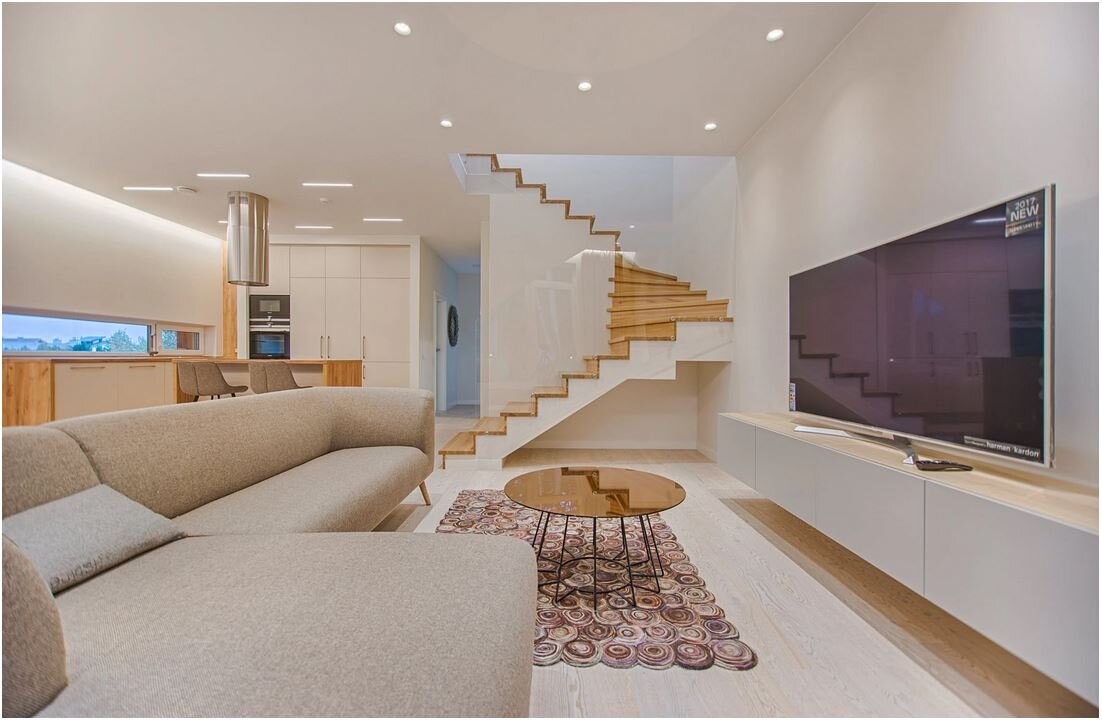
Whether you are remodeling your existing home or building a new one from scratch, reclaimed materials are both affordable and earth-friendly. Reclaimed flooring is both an affordable and timeless option for your modern home. In fact, you won't have to settle for vinyl, you'll easily be able to afford a high-end floor when you use reclaimed materials.
Reclaimed Stone Flooring
Whether it's marble, granite, slate, or limestone, reclaimed stone flooring adds a touch of Old World class. Some of this stone comes from old limestone and slate flagstones and cobblestones. If you desire a slightly organic and rough look, limestone and slate could be just the thing. On the other hand, marble and granite are just the things for a sleek, sophisticated, modern look. Marble and granite are often pulled from old buildings, such as hotels and movie theaters slated to be torn down. These are classic building stones, used in palaces and temples for millennia.
Reclaimed Lumber Flooring
Reclaimed wood floors are warm, welcoming, and full of character. Rather than cutting down living trees, the lumber for salvaged wood flooring comes from a variety of places. This can include old barn wood, bowling alleys, and old homes. Some companies, like Old World Lumber Company, know that before a building is torn down, any valuable lumber is salvaged, processed, and cut into new flooring. You can find it in both narrow and wide planks, as well as many different finishes. Reclaimed lumber is not only rich with color, character, and depth, but also history. You can find reclaimed wood flooring in oak, pine, hickory, maple, chestnut, beech, and many others. It is perhaps the most affordable and readily available type of reclaimed flooring.
Reclaimed Tile Flooring
Vintage tile is another option that can work well in a bathroom or a kitchen. However, matching vintage tile is often offered in very small quantities. This means, you probably won't be able to get enough to do the whole house in matching tile. You'll be lucky to find enough reclaimed tile to do an entire room, other than a small bathroom. However, mixing and matching tiles could create an interesting mosaic. Vintage tile is best used as an accent. Vintage tile can make a fabulous kitchen or bathroom backsplash that complements your reclaimed wood flooring, or stone floor.
Reclaimed flooring materials are just the beginning; your modern home could also use reclaimed windows and doors, as well as vintage door and cabinet hardware. Everything old is not only new again, but also environmentally friendly.
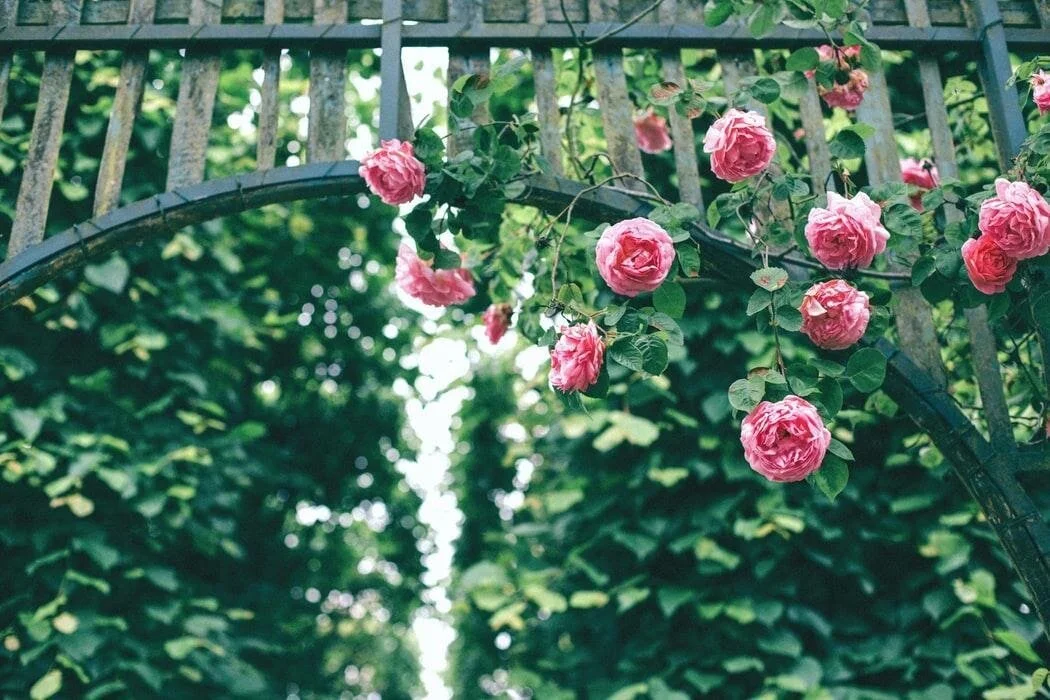
Gardening Ideas that will Make your Garden Look Amazing
While we all fantasize about having acres of property with lush lawns extending into shady orchards, huge flowering borders, and a kitchen garden, the fact is that if you live in a city, your square footage will be limited.
While we all fantasize about having acres of property with lush lawns extending into shady orchards, huge flowering borders, and a kitchen garden, the fact is that if you live in a city, your square footage will be limited.

Small garden ideas, on the other hand, may be just as inspiring, and your lack of room didn't stop you from dreaming big. Smaller gardens, patios, and roof terraces may still be elegant, quiet retreats, and although you might not be able to fit in that orchard, there are lots of tiny garden plans that will provide you with just as much pleasure. It's simply a matter of being resourceful with the space you do have.
Using decking to divide a patio or terrace into different heights will actually make the room feel larger and zone separate regions. Using built-in planters or tiered levels to provide seats will eliminate the need for cumbersome furniture. Simply add some lovely banquette-style cushions and you're done.
Potted plants, which can be readily moved about and interchanged, are a more flexible option than boundaries. Is there a lack of room for plants? Consider things from a different perspective. If money isn't a problem, invest in a stunning living wall; for rental apartments or a more budget-friendly option, place potted herbs and plants on high shelves to free up floor space. There are lots of tiny garden ideas to get you started, as you can see...
1. IN A SMALL GARDEN, DON'T USE DECKING AND CHOOSE TILES INSTEAD.
The use of tiles instead of decking or pavement is a popular garden style right now, and it's a design that works well in tiny spaces. When utilized on the floor, pattern may draw the eye away from the room's proportions, so choose a pattern that will play with perspective in your space.
If you have a narrow garden, use a horizontal design to pull the eye outwards, and vice versa if you have a shallow garden, use your tiles to add length. If a strong tile or paving doesn't suit your style, utilize the plan to create a comparable space-expanding effect with a neutral tile or pavement. For smaller gardens, a lengthy herringbone pattern is ideal.
2. USE MIXED MATERIALS TO ADD A LOT OF TEXTURE.
Texture is important in tiny garden ideas, just as it is in smaller inside areas. Its texture may be utilized to blur the borders of your garden, adding interest to the space. Plants are an easy method to provide a variety of textures, so use a variety of sizes and forms when selecting plants for a modern garden. If you don't have green thumbs, you may create texture to your garden using materials like decking or patio pavement, fences, trellises, and even furniture.
With clean stone floors, bedded plants, exposed brickwork, and sleek, slatted wood fence, this tiny outdoor space seems quiet and calming.
3. CONTAINER GARDENING IS WORTH TRYING.
As previously stated, we all desire fields of flowers, but container gardening may be just as lovely and vibrant, albeit on a smaller scale. Choose pots that reflect your personal taste - square concrete for a more modern look, terracotta for all the Mediterranean feelings, or antique pots from eBay if you want a more classic English look. Pick pots and plants in a range of sizes and heights to create a display that rivals any flower meadow, whichever aesthetic you opt for.
4. IN A SMALL GARDEN, CREATE ZONES
It may seem strange to want to divide a tiny garden into smaller pieces, but by dividing your area into 'rooms,' you create mystery, and the uncertainty of where the garden's limits stop may hint to greater space.
Large plants, hedges, trellis, and custom gates may all be used to divide your garden, depending on the aesthetic you want to achieve. And be sure to leave lots of freedom to wander among the different rooms; rather than completely separating them, you want to give them the impression of separate zones.
5. 'EXPAND' A SMALL GARDEN WITH MIRRORS
A simple tiny garden concept that can make a small garden appear larger in the mirror. It's basic design 101 that they make rooms feel brighter and loftier, and gardens are no exception. You might put a huge basic mirror to the back wall of your garden to 'double' the area, or go for something more discreet and traditional with an antique mirror covered with climbers, depending on the aesthetic you want.
6. DON'T BE AFRAID TO TRY NEW THINGS.
Small gardens, too, can manage color — this modest patio, for example, exudes a wonderful, calm exotic vibe. Although the room is small, the turquoise wall pushes the eye outward, making it appear larger. There's also the modest mirror, which expands the area, and the bright tiles, along with the unified pattern, make it feel almost like an extra room going off the kitchen.
7. USE A FIRE TO MAKE A SMALL GARDEN FEEL COZIER.
Adding a fire to a tiny garden is a wonderful concept that will only add to the space's warmth (in a positive way). The simplest and most straightforward option is to construct a firepit and arrange comfortable seats around it, but if you're short on space, take inspiration from this lovely landscape and have a fire built into a boundary wall for a true outdoor living room vibe.
8. IN A SMALL GARDEN, CREATE LEVELS
Creating distinct zones inside your garden by adding levels is a fantastic tiny garden idea since it not only makes the area more fascinating, but it also makes it feel bigger. You might create a sunken garden or seating area, or you could create a raised lawn or garden, as seen in this design with stairs rising up from a patio area.
9. EVEN IN A SMALL GARDEN, THINK BIG
It's tempting to keep everything tiny in a small garden - small plants, small pots, and small furnishings – but keeping everything in proportion with your small area will just make it appear congested and smaller. Instead, try for some huge, eye-catching plants that will create drama and draw attention away from the limited space.
10. TRADITIONAL GARDEN FURNITURE SHOULD BE REMOVED.
While hammocks may appear to be a gimmick, they are the ideal piece of garden furniture for those with little space. They take up no floor space and may be simply stowed away if the garden is needed for entertainment. A beautiful hanging chair might work just as well if a hammock seems too hippyish.
11. MAKE THE MOST OF THE VERTICAL SPACE
When you're short on floor space, look above for places where you can add some greenery. Plant trees that will grow upwards rather than outwards, and use climbers to line the boundaries of your garden. You could even plant a living wall and skip the borders to free up additional ground area for a grass or patio.
12. USE YOUR IMAGINATION WITH WALL TILES
This is a great little garden design, and by covering a dark brick wall with lighter tiles, the room feels instantly larger, brighter, and more like a garden than a tiny courtyard. The floor tiles have a similar space-enhancing effect, and the festoon lights and olive tree provide a festive touch — there's plenty to be inspired by here.

