

A resource for those seeking information on organizing and transforming spaces.

Replacing the Siding on Your Home? 4 Tips to Make the Process Seamless
Replacing the siding on your property will give it a fast much needed facelift. It can also improve the value of your property. Remember that if you make the right improvements, it makes your property more appealing.
Siding replacement may be quick and painless with the right equipment and experience. Before you can begin the siding replacement job, you must first prepare your home. Here is what you must think about when undertaking this process.

Replacing the siding on your property will give it a fast much needed facelift. It can also improve the value of your property. Remember that if you make the right improvements, it makes your property more appealing.
Siding replacement may be quick and painless with the right equipment and experience. Before you can begin the siding replacement job, you must first prepare your home. Here is what you must think about when undertaking this process.
Remove the Window Shutters
Remove any window shutters, gutter downspouts, or other components that may obstruct siding installation. Furniture, decorations, and other items from your yard, deck, and patio will need to be moved by your siding contractors. If you have trees on your property, keep them trimmed so that they are at least 10 feet away from your home. You might need new window installations after the replacement of siding.
Select an Environmentally-Friendly Home Siding
Environmentalists are repurposing outdated tree-based materials to create beautiful siding. Stucco is made from a combination of raw earth and lime, and it serves as a strong initial line of defense against nature's elements. Renewable energy is used by both regular and engineered wood.
Remove Siding Carefully
To unzip existing siding and detach the nails that are fastened to it, use a zip tool. Homeowners who like the aesthetic of particular materials should be aware of what it takes to produce and dispose of them. Vinyl's plastic and chemical composition ensure that it will spend an extended period in a landfill.
Secure the Siding
It's time to secure your siding once you've nailed it in place. To tie your new top into place, you'll also need the zip gear you had before. Pull the vinyl siding down behind the zip tool with your hand and snap it into place.
Maintenance
Vinyl and metal are two sorts of materials that can withstand almost everything, yet they, too, have flaws. Homeowners should plan to treat their wood at least once every five years to maintain its beauty and protect the property from dampness. Stucco attracts woodpeckers despite being exceptionally stain-resistant. The building business is constantly evolving to provide homeowners with options that do not jeopardize their values.
You've seen four ways to replace home siding. Your house will look brand new in no time if you have the appropriate equipment and a little patience, or if you hire experts to perform the job for you. Remember that you must prepare and have a little knowledge either way for the best results.
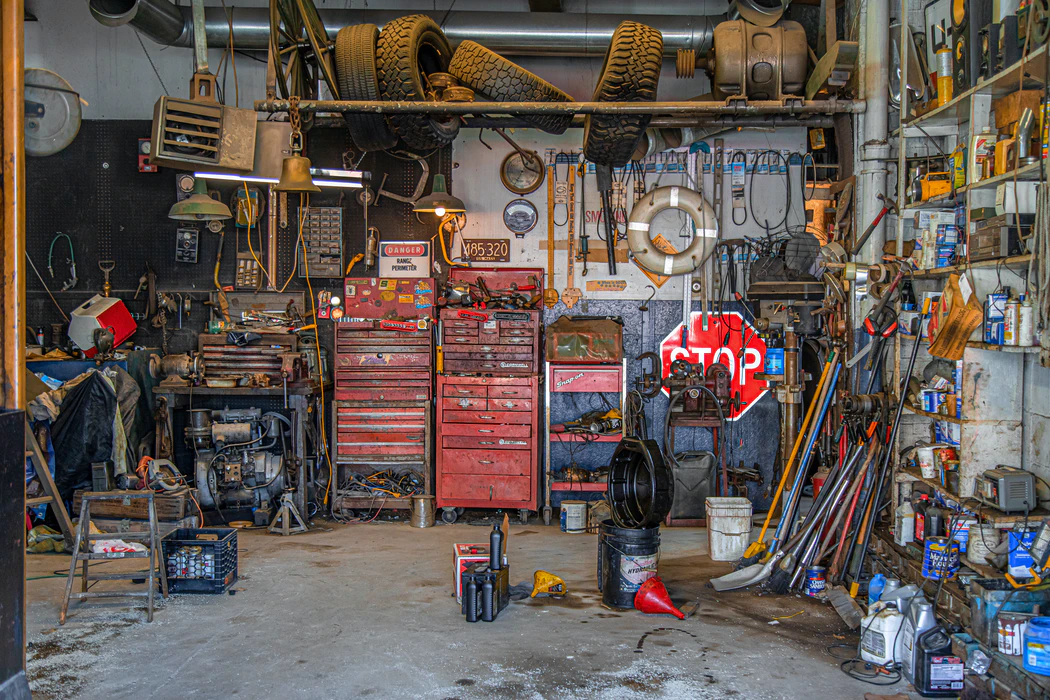
Don't Neglect Your Garage: 4 Ways You Can Upgrade It
The garage is the part of the house many people end up neglecting. After a while, everything you don't use finds its way in there. Once it's full of stuff, clearing it out and making it presentable is quite a hassle. A good-looking and functional garage can increase the value of your home. If you've been thinking about giving your garage a facelift, you're in the right place. Here are some tips to help you do just tha

The garage is the part of the house many people end up neglecting. After a while, everything you don't use finds its way in there. Once it's full of stuff, clearing it out and making it presentable is quite a hassle. A good-looking and functional garage can increase the value of your home. If you've been thinking about giving your garage a facelift, you're in the right place. Here are some tips to help you do just that.
Have a Functional Garage Door
If you have an old garage door that opens up manually, you're likely to experience trouble with it every so often. Sometimes the doors get stuck, and you can't close or open them. A bad garage door is one of the reasons people neglect this awesome space in their homes. Installing a functional garage door will make your work easy. It's even better when you have garage door openers to automate everything.
Create a Smart Storage Strategy
Garages are perfect for storage, but the storage method used makes all the difference. You can do away with clutter by getting rid of what you don't need. If you don't have use for it, dispose of it at a garage sale or throw it away. Consider bringing in shelves to store items in a more orderly manner. Heavy-duty plastic bins are also a great idea for neat storage. Once you've labeled them, finding things becomes a breeze. Installation of hooks and bars also helps provide storage space for items that can hang on walls.
Ensure the Floor Is Easy to Clean
Your garage floor is likely to get dirty pretty fast. If you keep your bikes and cars in the garage, you'll need something easy to clean. Painting the floor with an epoxy finish makes cleaning a breeze.
Paint and Lighting
Applying a fresh coat of paint on your garage walls can make quite the difference in appearance. If you're planning to sell the house, this is a great way to add value. You should also think about including some extra lighting in specific areas. This will complement the garage walls while making it easier to see and find things.
Taking action to clear out your garage and make it look good is one thing. However, maintaining a nice appearance is a daily task--and sometimes people get lazy. If you don't want things to go back to their horrible state in your garage, you'll have to be intentional about it.

Furniture Options to Make the Most out of the Space in Your Apartment
If you live in a small apartment, finding room for all your stuff without sacrificing space to sit, sleep, and entertain guests can be extremely challenging. The good news is that you can furnish your apartment and make the most out of limited space without sacrificing decor, style, and appeal.

If you live in a small apartment, finding room for all your stuff without sacrificing space to sit, sleep, and entertain guests can be extremely challenging. The good news is that you can furnish your apartment and make the most out of limited space without sacrificing decor, style, and appeal.
Use Furniture to Create Separate Spaces
One of the best ways to use furniture in small apartments is to use couches, loveseats, and chairs to create separate spaces. By defining different areas with pieces of furniture, you can keep entertaining areas apart from your work, dining, and sleeping spaces.
Add Furniture That Uses Vertical Space
Making use of vertical space is the best way to keep a small apartment uncluttered and functional. Adding shelves to walls, using bookcases, and using desks with hutches can give you more room for storage without taking up additional floor space. You can also utilize more vertical space by adding desks that fold into walls and Murphy beds.
Make Use of Apartment Space
Before you sign a lease for an apartment, consider how you want to decorate and the type of furniture you have or would like to use to furnish the space. For smaller apartments, make sure there are enough kitchen cabinets and closet space to suit your storage needs.
Finding the perfect apartment that fits your budget is not always easy, so sometimes, you have to be creative when furnishing and decorating small apartments. If possible, view several floor plans of apartments that suit your needs and offer space-saving amenities such as outdoor storage, built-in shelves, and large closets.
Add Furniture With Built-in Storage
Adding furniture that has built-in storage space will go a long way to creating more space. Coffee tables with built-in storage and desks with extra drawers can give you more space for storing small items.
Another great option to make the most out of space in your apartment is to use a bed with storage space underneath. Underbed storage can be as simple as placing storage containers beneath the bed or adding under-bed drawers for storing clothing and other items.
Living in a small apartment doesn't mean you have to live in a space that's cramped and uninviting. The key to living in a small apartment is to find a balance between what you need, the amount of space you have, and using the right decor and furniture to maximize living space.

EASY WAYS TO IMPROVE INDOOR AIR QUALITY
Indoor air pollution is harsher in major cities because of higher amounts of outside pollution flowing into houses, but it also affects those who live in rural areas.

Indoor air pollution is harsher in major cities because of higher amounts of outside pollution flowing into houses, but it also affects those who live in rural areas.
Indoor air pollution is defined as "dust, filth, or gases in the air within a structure that hurt us if we breathe it in," according to the British Lung Foundation. Poor ventilation and moisture, as well as chemicals in cleaning products and paints, can all contribute to it. It is made up of microscopic particles that are seldom seen or smelled, earning it the moniker "invisible killer."
Most people spend the most of their time indoors, breathing dirty indoor air. Furthermore, our houses are more insulated and less ventilated than ever before, which lowers our energy bills but lowers our air quality since dry, stale air lingers around for longer.
WHAT ARE THE IMPLICATIONS OF INSIDE AIR POLLUTION?
The thought of air pollution in our homes is frightening, yet much of it is natural and inevitable. It only becomes a problem when it is not treated seriously and allowed to build up.
Some people may not have any symptoms, but that doesn't mean we shouldn't all examine our behaviors at home, particularly when it comes to cleaning, ventilation, and the use of aerosols.
Indoor air pollution is dangerous to everyone, but it is especially dangerous to children and those who have a lung disease. You could feel a dry throat or a cough if you've been breathing filthy air for days or weeks at a time. You may also have shortness of breath, wheezing, or a runny or itchy nose.
It is critical that we adopt a more cautious approach to chemicals in our homes, that goods are labeled similarly to foods so that individuals can make informed decisions, and that attention is devoted to assessing indoor pollution and providing proper ventilation.
EASY WAYS TO IMPROVE YOUR HOME'S AIR QUALITY
1. OPEN THE DOORS AND THE WINDOWS
Keeping your airflow clean may seem self-evident, but it is the easiest and most cost-effective way to improve the air quality in your home.
When you're trying to remain warm and save money on central heating, opening the windows may seem counterintuitive, but it's essential for letting oxygen in and toxins out, as well as lowering the humidity that dust mites require air quality monitoring to live.
When utilizing chemical-based cleaning or decorating products, make sure the area is well ventilated.
2. CHOOSE SECOND-HAND FURNITURE OVER NEW FURNITURE.
Although your new sofa may appear to be a luxury, it is covertly leaking toxins into your living room. Many fabrics, glues, and paints produce gases called volatile organic compounds.
When they react with sunlight or chemicals in the air, they produce particles that irritate and damage our lungs.
Flooring may be approached in the same way. Floors or concrete, which are both easier to clean and do not collect dust and dander, should ideally replace carpet.
3. INVEST IN AN AIR PURIFIER
Pollen and dust particles can be quite small. It's virtually hard to clean something you can't see. As a result, air quality monitoring and purification equipment are essential. By taking in unclean air, filtering it, and releasing it back into the room, much cleaner and fresher, the greatest air purifying devices capture and eliminate almost 100% of contaminants.
Air purifiers are especially useful during the peak hay fever season, which runs from May to July, and most come with LED displays that light green when the air is pure. Some emit negative ions into the atmosphere to aid in the neutralization of airborne viruses and bacteria.
If your budget permits, invest in an air purifier that includes a fan to circulate the freshly cleansed air throughout the whole area. Smaller and less expensive air purifiers can still be helpful, but you'll have to move them around if you use them in bigger spaces.
While controlling the external environment is challenging, reducing your exposure to allergens indoors is an effective strategy to help decrease asthma attacks and allergy symptoms. An air purifier can help lower the chance of an asthma attack or an allergy flare-up by removing airborne particles like pet dander and pollen, so it's a good addition to your allergy-control arsenal.
4. DUSTING IS ESSENTIAL.
Vacuum cleaners of good quality are pricey, but they're a strong weapon against dust, pollen, and pet hair, which may quickly accumulate and aggravate your respiratory system. Vacuum as much as you can, especially beneath sofas and beds.
Smack cushions, rugs, and blankets against the outside walls to reduce the amount of dust they hold. Change your bedding once a week and wash it at 60 degrees to keep dust mites and germs at bay. Dust often by keeping surfaces free of clutter and wiping away those pesky particles with a damp cloth.
5. A GREEN MAKEOVER FOR YOUR CLEANING CUPBOARD
In general, it is a good idea to clean your house. Or it would be if the bleach and other cleaning chemicals you keep in your cupboard weren't so dangerous to inhale. Additionally, flushing them down the drain pollutes waterways and causes animal damage.
To cut through oil and dirt, you don't need to use harmful substances because there are lots of eco-friendly cleaning solutions that perform just as well and smell a lot nicer.
Castile soap, which is derived from vegetable oils and is excellent at eliminating grease, vinegar for cleaning glass, olive oil for polishing stainless steel, and diluted lemon juice for removing stubborn stains from chopping boards are all natural options to consider.
Choose reusable microfiber towels that capture small dirt particles when wet for efficient cleaning with only tap water. They also don't hold bacteria, which means they won't cross-contaminate bathroom and kitchen surfaces.
6. WAVE YOUR WOOD-BURNING STOVE GOODBYE.
A wood-burning stove is used by over a million of us. However, research suggests that using it indoors exposes a family to more contaminants than standing at a congested roundabout during rush hour.
Smoke from wood-burners, especially older ones, can damage lung tissue and cause long-term breathing difficulties. Electric fires or period-style radiators can provide ambiance without the carcinogens, but if you can't bear giving up your wood-burning stove, open the windows as often as possible to freshen the air.

