

A resource for those seeking information on organizing and transforming spaces.

Guest Post - Getting Around the House: Senior Safety Essentials
It is estimated that 27% of the senior living community prefer living alone in the US. Well, it is not a bad idea for seniors to live alone nor independently, but all essentials need to be examined to ensure that they live independently but safely. Just like toddlers’ safety, senior safety needs to be made a priority in every home. Here is a definitive list of how you can enforce senior safety in their homes:

It is estimated that 27% of the senior living community prefer living alone in the US. Well, it is not a bad idea for seniors to live alone nor independently, but all essentials need to be examined to ensure that they live independently but safely. Just like toddlers’ safety, senior safety needs to be made a priority in every home. Here is a definitive list of how you can enforce senior safety in their homes:
1. Get Rid of Any Tripping Hazards
Any senior’s health deteriorates as the years go by. More so, their mobility and eyesight are not as excellent as they used to be. It is a regular occurrence and more reason why they need more care.
Any kind of trip can be detrimental to a senior; therefore, you should take this seriously. You don’t have to do a complete home remodel, but you can do these things:
Use non-slip rugs
Declutter the house to ensure free movement
Ensure the floor is in good condition
Avoid Loose Clothing
Emphasize shoe-wearing or wear non-slip shoes
Get rid of loose kept extension cords
2. Ensure Smooth Mobility
As stated earlier, mobility is a significant struggle for seniors. Therefore, you should make the process as seamless as possible. More so, their balance is no longer the same; thus, they need some form of support to help them move freely around the house. If the home has stairs, it is essential to have guard rails along the stairs and the bedside. Also, grab bars will be effective in the bathroom and toilet to help them move around safely.
3. Take Care of The Lighting
With age, seniors don’t need flashy or disturbing lighting in their homes, but eye-friendly kind of lighting. First, you can set up some dim LED lighting across the stairs, dark corners, or underlit areas where seniors move in.
Also, if possible, get more methods to improve natural lighting into the house, especially during the day. For example, you can use reflective mirrors in the room or replace windows with internal blinds. Alternatively, you can use lampshades that have a minimal glare which is also eye-friendly. That way, they will still be able to enjoy fresh air from the comfort of their homes.
4. Make Time for Regular Check-ins

In the everyday rush, it is most likely that most of you are living away from your senior relatives. Isolation makes them more susceptible to cases of depression due to loneliness. As much as they need their space, it’s essential to have someone check up on them severally.
You can ask friends living close to pop in once in a while or enroll them in a senior living community. Here they will have caregivers check in once in a while to ensure they are okay and to notify you of any emergencies or needs that they may have.
5. Setup Emergency Response Systems
With seniors, anything can happen at any time. It can be a fire, a medical alert, or a security threat. Since most of them suffer from dementia, it is easy to forget to do things the usual way as they should.
Setting up an overhaul emergency system can be expensive, but you can do this step by step. Take care of the basics as you implement the more complicated emergency measures as required. Here are things you can do:
Have a speed dial contact number
Setup a home alarm system
Set up indoor and outdoor security cameras
Set up smoke detectors
Buy a GPS enabled medical alert call system
6. Teach Them Basic Security Measures
Besides relying on automated security measures, seniors can also protect themselves with simple security measures. Here are some basic things that they can do:
Not to open the door to strangers
Not to share their whereabouts or financial information with people easily
Keeping all entryways locked
This to-do list may seem overwhelming, but you don’t have to do them all at once. If you ensure your seniors are safe back at home, you will also have peace of mind wherever you are. Senior safety is a priority, and you should not underestimate its essence.
About the Author
Jennifer Bell is a freelance writer, home designer, blogger, dog-enthusiast, and avid beachgoer operating out of Southern New Jersey.

How to Decorate a Living Room
Whether your taste is classic or modern, informal or formal, bright or subdued, your living room should be a place where you can relax and spend quality time with friends, family, or just yourself. Designing a space that looks beautiful and functions well is an art. So, before you engage an interior designer to renovate your living room, do some research first.

Whether your taste is classic or modern, informal or formal, bright or subdued, your living room should be a place where you can relax and spend quality time with friends, family, or just yourself. Designing a space that looks beautiful and functions well is an art. So, before you engage an interior designer to renovate your living room, do some research first.
1. Make use of a mix of light and dark hues.
A white and bright living room may look excessively "pure" and distant. When everything is dark, it might feel like you're in a tunnel. Combining dark and light colors creates a lively and well-balanced look. At least a little white and a little black must be present in each region's design.
2. Experiment with Contrasts in Natural colors
A variety of contrasting neutrals, as well as some white and black, go a long way toward making a living room appear rich and welcoming. The white walls, caramel leather, brass hardware, gray sofa, and blue-gray cabinetry all contrast with one another in this example, emphasizing their various finishes and undertones. The palette seems rich even before adding additional important elements like color, pattern, and texture.
3. Play around with texture.
When it comes to decorating a living room, texture is easy to overlook, especially since we don't see it nearly as much as we touch it. Soft textures that are pleasing to the touch, as well as coarser textures that provide contrast, are essential for creating a pleasant atmosphere in a living room. Consider adding taper candles too. Textures should be varied in leather, cotton, wool, metal, stone, glass, and plant life.
Look for a range of artifacts and furniture to add to the palette's variety of materials, even if just in little amounts.
4. Do Some Woodwork
Wood is one of the greatest materials for generating a nice environment in a living room, and we can't talk about texture without discussing it.
Wood may be used in a variety of ways to improve the appearance of a place Wall paneling, side tables, movable stools, picture frames and carved works of art are just a few of the many options.
5. Play around with your furniture.
Although most furniture companies offer the option of purchasing a whole living room set with matching upholstery, this is not something you should do Matching furniture in a formal seating area may give the appearance of maturity and order, but mixing and matching upholstered objects in your living room will make it feel more comfortable and welcoming.
Mixing leather chairs with a fabric sofa, or vice versa is one of the safest ways to accomplish this, as the materials contrast in an evident way. It adds variety to the living room decor, as well as giving family members varied sitting alternatives to suit their tastes.
6. Select Practical Fabrics
When it comes to upholstery, living room chairs need to be both comfortable and long-lasting. What this implies to your family will be decided by you. You may have babies or little children, pets or no pets, and they might or might not be unclean. Extremely pale or dark hues show dirt and wear quickly, therefore mid-tone textiles are the best choice.
Because leather is readily wiped clean, it is a good material for avoiding stains in the case of a spill. It may not tolerate animals as well as other fabrics since it is more easily scratched.
Denim and corduroy are two more fabrics that are both appealing and long-lasting. Plus, when contrasted to the standard basic cotton or wool upholstery you see in stores, they provide an interesting twist. When picking fabric for your living room furniture, seek a combination of natural and synthetic textiles to get the best of both worlds. If feasible, bend a fabric sample to make sure the weaving is tight and the backing material isn't visible. Regardless of the material, a tight weave will last longer than a loose one (which allows dirt to hide).
7. Add a pop of color to the mix.
While a beautiful environment may be created without the use of vibrant colors, even a small amount of color in a living room can go a long way toward creating a relaxing and pleasant ambiance.
Choose a vivid blue when in doubt; it's a hue that virtually everyone can agree on It complements warm elements like leather and wood, yet it's neutral enough to work with nearly any accent hue.
8. Place a Patterned Rug in the Room
A patterned rug provides these benefits to the floor while also anchoring a seating area and bringing new vitality to the room. Even if you already have carpeting, consider adding a rug to your seating area. Consider adding a rug to your seating area even if you already have carpeting. When you first roll it up to take to the cleaners after a major spill, you'll be glad you have it on hand.
9. Don't Take Everything Too Seriously
An artsy gallery wall, mix-and-match throw cushions, open storage baskets, and amusing furniture like this tepee-inspired tent are all wonderful ways to embrace intentional chaos in the living room.
Attempting immaculate order will make anything out of place stand out like a sore thumb, but embracing a little controlled anarchy will allow the occasionally dropped toy or draped blanket to blend in.
Have you ever arranged a tiny living room to make it feel more inviting and spacious? Have you made any modifications to a large living room to make it cozier?
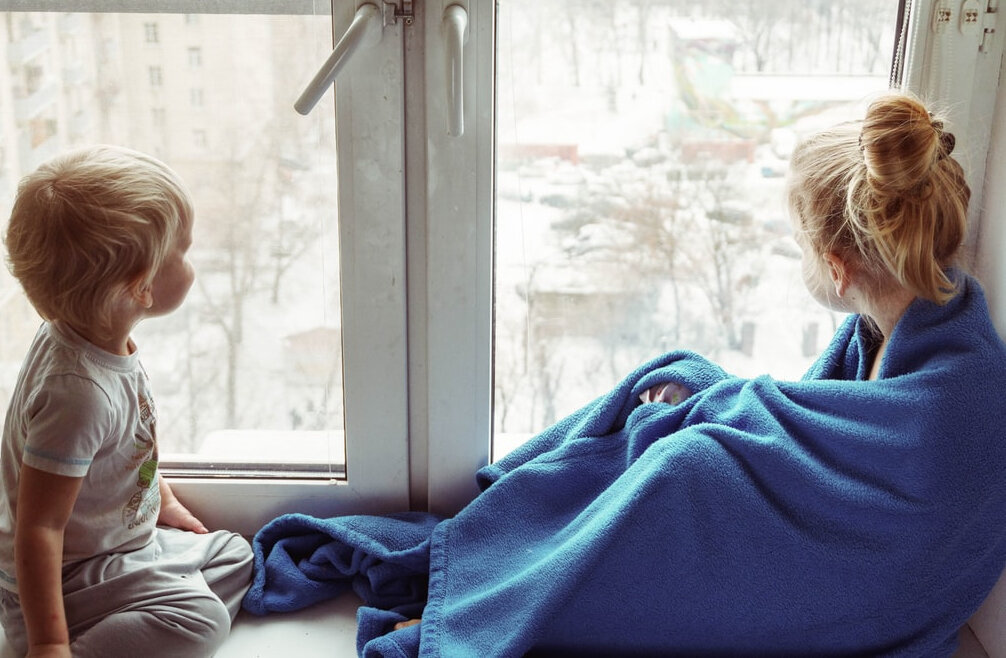
Simple Household Changes That Keep Children Safe
As a parent, it’s your job to keep your little ones safe. Since there are numerous seemingly safe items around your home that can harm your child, protection is a full-time job.
Even if you’re busy, there are some minor techniques you can use to keep your children safe. These include:
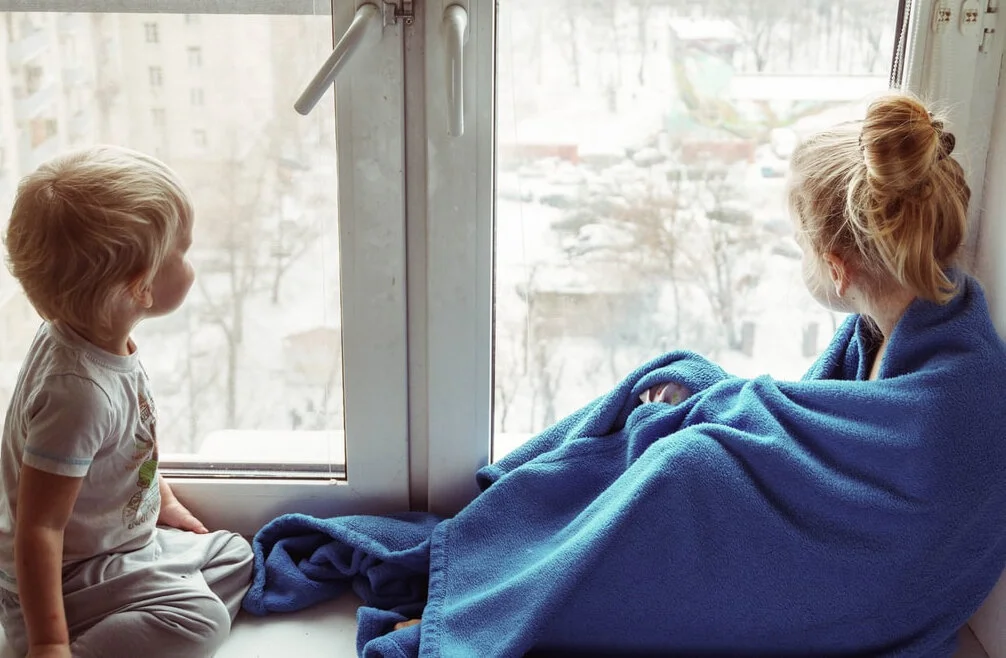
As a parent, it’s your job to keep your little ones safe. Since there are numerous seemingly safe items around your home that can harm your child, protection is a full-time job.
Even if you’re busy, there are some minor techniques you can use to keep your children safe. These include:
Supervising Bath Time
Small children have an easier time drowning than you may think. In fact, it only takes an inch of water can be fatal to younger children. When your child bathes, give them your undivided attention and never move within an arm’s reach.
Even if they’re too big to drown, smaller children are still at risk. Your child may slip and hurt themselves if they try to get up. Getting a mat for your tub can help improve traction in order to make your bathroom safer. Make sure you’re always present while they’re bathing.
Fix Your Garage Door
Do you have a pesky garage door that constantly sticks or falls? This is serious for you and your children, especially if they enjoy playing outside. If the door falls while they are nearby, they could suffer from fatal injuries.
To protect them from accidents like these, get your faulty garage door fixed as soon as possible. Businesses like Raynor Door Company suggest that you inspect your garage door every 12 months for signs of deterioration. Professionals can do maintenance or replace your door completely to ensure your little ones can play safely outdoors. Take some time to check your springs to see if they have started to wear out.
Hide Your Cleaning Products
Cleaning products should always be put away where your children can’t reach them. Topically, they become a hazard when they come in contact with the skin. They’re also highly toxic when swallowed.
Laundry detergent, as well as everyday household cleaning supplies, can make your child very sick. Make sure that you have a dedicated storage space in your home for toxic supplies in order to keep them away from your children. Only bring them out when you plan to clean. If possible, also invest in some detergent that is environmentally friendly, or create your own cleaners that aren’t as dangerous for your children.
Consider Opting out of Walkers
Sure, walkers help infants and toddlers learn to walk. However, sometimes walkers can lead to serious injuries. If you have stairs in your home, leaving your baby in their walker can lead to a serious fall. They also have an easier time reaching and burning themselves on hot surfaces. Consider getting some baby gates to prevent your children from accessing the stairs in your home. Alternatively, you can invest in stationary equipment that helps them balance their body weight.
Kids can be injured within a small window of time. Do your best to prevent accidents by making small household changes. Taking a few precautions can make your home a safer place for your entire family.

How to Know if Life in a Big City is For You
Small town living has plenty of upsides, but many people living in rural or suburban areas dream of starting a new life in a big city. At the same time, there are far more people moving outward than in, with most moving from cities to the suburbs rather than vice versa.

Small town living has plenty of upsides, but many people living in rural or suburban areas dream of starting a new life in a big city. At the same time, there are far more people moving outward than in, with most moving from cities to the suburbs rather than vice versa.
Whether you're thinking about buying one of the houses for sale in Toronto, moving into an apartment in New York City, or a place in any large metropolitan area, there are questions you should ask yourself in order to make the best decision possible. After all, it's going to be very different from what you're used to, with life moving at a much faster pace.
Can You Handle the Noise?
Living in the city can be noisy, with everything from loud voices to construction and garbage trucks. Some people actually thrive on it, but of others, it can be difficult to tolerate, leaving them longing for peace and quiet. Downtown areas in large cities like New York are noisy 24/7. If you have difficulty sleeping without silence, it could be a concern.
Can You Afford It?
Major cities are always more expensive to live in than the suburbs, with places like New York and San Francisco ranking high when it comes to the cost of living. In Manhattan, you'd be lucky to find a one-bedroom for less than $3,000 a month. Utilities are usually higher and so are other basic necessities like food and drink. Of course, there are usually more job opportunities and higher salaries in major cities too, though it might be tough to find one that pays the elevated rent or high purchase price.
The bottom line is, you'll ideally want to have a job lined up before moving to ensure you can afford the higher cost of living.
Do You Treasure Your Personal Space?
If you don't relish crowds and treasure your personal space, it might be difficult to adjust. Whether you're walking down the street or riding a subway, you're probably going to get bumped into frequently, breathed on, and occasionally coughed or sneezed on. Sometimes people do enjoy the hustle and bustle, but you'll want to figure out if that's something you can get used to, perhaps by spending some time in the city you're thinking about moving to first.
Do You Like Getting to Know New People?
Big cities bring many opportunities to meet new people and potentially make new friends or even start a romantic relationship. There are usually people from all corners of the globe, which means you might meet someone you never would have had you not moved from your small town. This is usually a big plus for most, but perhaps for the very introverted it can be perceived as negative.
Do You Have Street Smarts?
If you've always lived in a small town, moving to a big city can be a culture shock in more ways than one. You're bound to come across those who are looking to take advantage of someone new, without a lot in the way of street smarts. While it's something that can be developed, it will be important to have a constant awareness of your surroundings along with a healthy dose of skepticism. You don't want to always assume the worst about others, but you should be able to think on your feet and recognize red flags.
Of course there are many positives that come with living in a big city - as mentioned, better career opportunities and the chance to make friends from all walks of life, endless restaurants to choose from, cultural activities, and much more.

