

A resource for those seeking information on organizing and transforming spaces.

Sell or Rent: How To Decide What To Do with Your House
When it’s time to move, it’s also time to decide what to do with the house you’re in. There are two options: sell the house or become a rental property owner.

Moving is both an exciting and stressful time. One of the biggest decisions to make is whether to sell your home or use it as a rental property. Both options have pros and cons, and it’s best to understand how to decide whether to sell or rent so that you can make the right decision for your family.
Consider Your Neighborhood
Take a look around your neighborhood: it’s possible that your neighborhood doesn’t attract renters very well. Or, if you have a high mortgage, you may have to ask for a high rent, which can deter potential renters. In that case, selling the home is the better option.
On the other hand, what’s the housing market currently like? Your realtor will know the temperature of the current market, so be sure to ask. If houses aren’t selling but people are desperate for rentals, it may be worth it to see if you can find a renter instead.
Consider Your Timeline
How much time you have before the move affects your decision about whether it’s best to sell or rent your home. If you’re in a hurry, you may not have the time to prepare your home to rent. Although selling requires preparation as well, renting out your home has its own set of steps to make sure it’s ready for the renters.
Determine Whether You’re Landlord Material
You can’t just rent out your home and forget about it the way you would if you sold the house. The property is still your responsibility, as are the renters. If owning rental property has always intrigued you, then renting out your home is a great way to start a property investment portfolio. However, if you aren’t prepared to manage the property by keeping track of rent, maintaining the property, and searching for new renters when necessary, then put the house on the market instead.
When you’re making the decision whether to sell or rent, keep these three things in mind: the neighborhood, your timeline, and the responsibility of owning a rental. Weigh the pros and cons for each, and you’ll reach the decision that’s best for you.

Outdoor Design Trends for a Private Backyard Sanctuary
Having a beautiful backyard to relax and unwind is just about every homeowner's dream — that is unless you live near a busy street or have neighbors with a clear view into your backyard.
Having a beautiful backyard to relax and unwind is just about every homeowner's dream — that is unless you live near a busy street or have neighbors with a clear view into your backyard. Thankfully, there’s plenty of backyard privacy solutions available so you can enjoy your yard without feeling like a goldfish in a bowl. If you want to upgrade your garden, check out these backyard design trends to give you that outdoor haven you’ve always wanted.
Stylish Privacy Installation
There’s so many different ways to add privacy without losing the aesthetic of your backyard. From decorative panel screens to lush plant walls, the possibilities are endless. Check out some trendy design inspiration below.

Garden Retreat
Plants are a great way to add privacy to your backyard while creating a natural ambiance. If your dream backyard consists of whimsical flowers, lush vegetation, and a cozy gazebo to enjoy in your free time, then check out some inspiration to transform your backyard into the secret garden retreat you’ve always dreamed of.


Steps To Clean Up Your Home After a House Fire
If you’ve experienced a house fire, the cleanup process might seem overwhelming. Start with these steps to clean up your home and get back to normalcy.

A house fire is one of every homeowner’s worst nightmares. If you’ve experienced a fire, you may not know where to start when it comes to cleanup. However, when you break it down, the cleanup process becomes a lot easier to process. When the smoke has cleared and it’s safe to enter, here are some steps to clean up your home after a house fire.
What To Throw Away
When it comes to cleaning up after a fire, a safe place to start is by throwing away what you can’t save. Some items are downright dangerous to hold onto after experiencing fire damage, such as electrical cords to appliances and tech, food, medicine, and furniture. Textiles such as carpeting, blankets, and mattresses can hold onto smoke odors and soot, so don’t keep them. Once you’ve cleared out your damaged belongings, you can start to clean the rest of the house.
How To Get Rid of the Smoke Smell
The next step to clean up your home after a house fire is to take care of smoke damage. Smoke damage from house fires can cause a lingering smokey smell that’s unpleasant as well as unsafe. Remove everything you can that smells like smoke—such as furniture—and treat what you can’t. Start by getting some circulation into your home. You can open windows or use portable fans (if it’s safe to use your electrical outlets). It’s essential to tackle the smoke smell as soon as possible—because the longer you leave it alone, the harder it’ll be to remove later.
Getting Rid of Soot Stains
Soot removal is essential to the future health of your home and its inhabitants. Soot contains chemicals and particles from the fire and can hang onto your walls, flooring, and furniture because of its oily texture. It also attributes to the smokey smell in your home and can be dangerous to breathe in for long periods of time, so do your best to remove it. You can use a heavy-duty shop vac to remove most of the soot residue. For resilient cases of soot and lingering smoke odors, you may want to call in a professional restoration company.
If you’ve experienced a recent house fire and don’t know where to start, try following these steps. It’s important to try to tackle the cleanup process early, to avoid any lingering effects, like smoke smell and soot. By following these tips, you can help your home on the way to recovery.
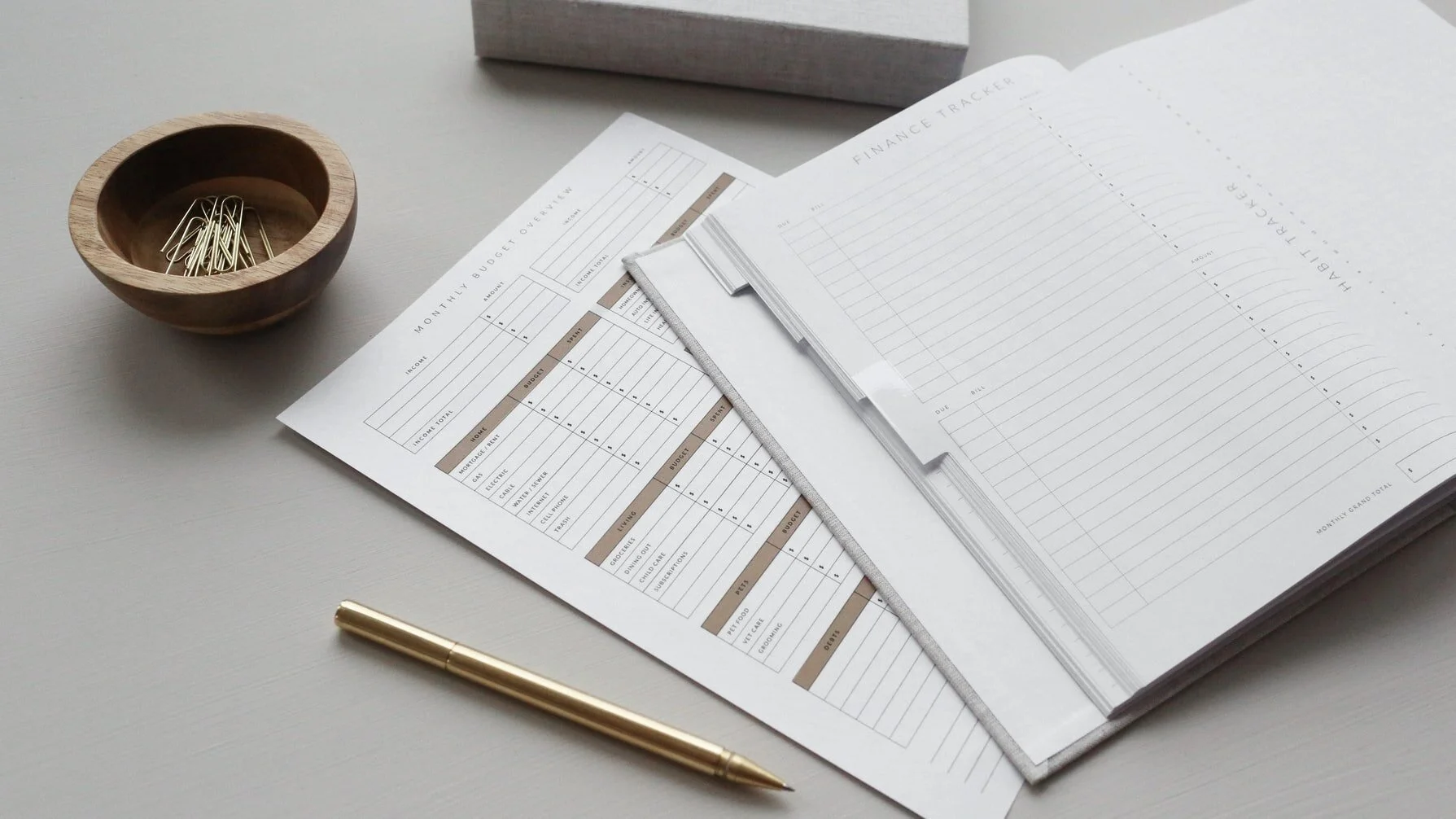
How to Calculate Your Home Buying Budget
Owning a home is the dream of many hard-working Americans. The chance to make a house a true home and finally set your own rules is an attractive end-goal. However, without the right plan of attack, that dream can quickly become a nightmare. One of the most common mistakes people make is not taking the time to calculate their home buying budget. Unfortunately, when they find out how much they can really afford, it's simply too late. Debt has been accumulated, and a possible foreclosure may be in the near future. Thus the following includes the steps you need to take to properly calculate your home buying budget.

Owning a home is the dream of many hard-working Americans. The chance to make a house a true home and finally set your own rules is an attractive end-goal. However, without the right plan of attack, that dream can quickly become a nightmare. One of the most common mistakes people make is not taking the time to calculate their home buying budget. Unfortunately, when they find out how much they can really afford, it's simply too late. Debt has been accumulated, and a possible foreclosure may be in the near future. Thus the following includes the steps you need to take to properly calculate your home buying budget.
Determine Your Monthly Income
The first and often easiest step to determining your home buying budget is to simply sit down and add up everything you bring in per month. This includes your paycheck from work and any other additional money that you make per month. For example, if you earn money from rental properties or the stock market, you may want to add that into your total sum as well.
Examine the Details
Real estate experts, such as those at John Hook Team: KYRO Real Estate can use their experience to help you work through the details of what you can afford. They will give you the information needed to see how much you will pay each month for the property. After meeting with an experienced real estate agent, you will know expenses such as annual property tax, cost of home insurance, estimated mortgage interest rate, and the loan term. You will also want to add in the amount of money you are going to put down for the property into the equation.
Consider Your Expenses & Debts
The last step to calculating your home buying budget involves adding up all your monthly recurring expenses and any debts you may have to your name. In terms of expenses, you will want to add every single detail. Why is this important? Because although a recurring bill of $10 won't collapse your home buying budget, 14 or more of those can. This is why it is so important to include everything from your internet bill down to your gym membership. Lastly are all of your debts. Paying down debts is difficult enough; now add a monthly mortgage to that, and it can be downright impossible. Be sure to stay organized and avoid accumulating extra debt as much as possible.
By taking the steps listed above, you may be able to get as close as possible to your home buying budget. However, it is always recommended that you speak with a real estate professional before investing your hard-earned money.

