

A resource for those seeking information on organizing and transforming spaces.
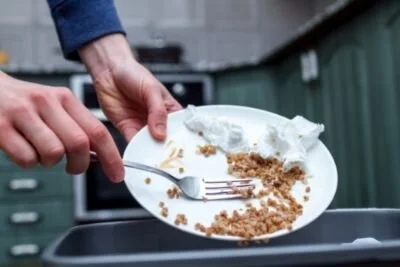
Where You Should Keep Your Indoor Trash Can
Are you stuck when it comes to where to keep your indoor trash cans? Find out where to store your bins so they stay convenient without being an eyesore.

If you’re moving into a new home or recently tackled a renovating project, you might be in the process of moving things back into place. One object that often gets overlooked during this process is the trash can. You might be wondering where you should keep your indoor trash can to keep it from being an eyesore. Well, here are some of the most convenient and common storage solutions for your garbage can conundrum.
In Your Kitchen Space
Of all the places to keep an indoor trash can, the kitchen is the most popular room in the house. This is because of how often we go through food scraps and other messes in the kitchen space, making a trash receptacle a necessity. There are even trash can models for busy kitchen use, with foot-operated opening systems for when your hands are full. If you have pets at home, make sure to choose a covered trash can if it will be sitting out in your kitchen so your pet doesn’t have access.
How You Can Hide Your Trash Cans
If you prefer to keep the bin hidden, there are plenty of ways to store your trash cans out of sight around your house. If you have the cabinet space for it, you could try a shorter garbage bin that would fit the space under your sink or other cabinet space. You could also invest in pull-out trash cans that fit into the cabinets themselves. These specialty bins are designed to pull out like a filing cabinet drawer to reveal your trash, recycling, or composting cans. There are even tilt-out trash can storage options for those with less space. Just remember to keep your indoor trash can clean by using a liner and taking out the trash regularly to avoid odor.
Other Areas of the Home
You may also want to keep trash cans in other rooms of the home, and there are ways to keep these hidden as well. You’ll likely need a trash can in the bathroom too for disposable beauty products, etc., so employ the same storage technique here—you can easily keep a small bin underneath your bathroom cabinets as well. If you want to have a bin in each room, consider keeping them out of sight by storing them underneath desks and beds or in closets. As long as you can still reach the trash can when you need it, there are plenty of inconspicuous places for it to hide.
We hope these suggestions help answer the question of where you should keep your indoor trash can. These tips can help you keep the trash can out of sight but still within reach when you need it.
Innovative Ways To Repurpose Your In-Ground Pool
When most people think of swimming pools, they usually imagine bathing suits and swimming trunks. However, pools can serve more purposes than you think.
Despite what most people think, in-ground swimming pools aren't for everyone, and you might fall into this category. From the thought of having to use a bountiful amount of water to fill it to the amount of money put into maintaining cleanliness, the idea of having a pool can present itself as troublesome. The good news is that there isn't a concrete rule that defines pools as mere places to swim. With these innovative ways, you can repurpose your in-ground pool for use all year round. The best part is, there is no water involved.
A Sunken Patio
You can clean out your neglected pool and make way for outdoor furniture to create a sunken patio. The change in levels can be aesthetically pleasing to the eye, especially with the appropriate pool steps that lead guests into what feels like a private hangout area. Add the perfect outdoor lighting, and this will become your ultimate entertaining area.
An Outdoor Studio
You can also utilize an in-ground pool as space for a detached studio. If you have furniture lying around that you’re thinking of getting rid of, you can move it into this outdoor space to avoid investing in newer pieces.
However, you'll want to keep in mind that you'll need to allocate funds for roofing that will keep water out of this newly repurposed area. Would you like a quick tip? A-roofing works best!
Handball Court
You can also use an empty pool area to host handball events or other sports tournaments, such as volleyball and tennis. No more going to your local gym and dealing with unruly sports fans.
Party Dance Floor
Possibly the most entertaining option, this remodel requires a pool dance floor cover that’s sure to bring all the fun to any event. You can rent or buy a cover for your next BBQ or cocktail event. You can also use pool dance floor covers as entertainment staging and ceremony seating.
So why wait? These innovative ways to repurpose your in-ground pool can help you transform an empty, neglected area into a backyard space that is inviting and event-worthy.

Out of the Dark Ages: Updating the Lighting in Your Old House
Updating your lighting is one of the fastest and easiest ways to give your home a new look. Inside and out, your home's lighting adds warmth and ambiance, and it also adds to the safety of your property.

Updating your lighting is one of the fastest and easiest ways to give your home a new look. Inside and out, your home's lighting adds warmth and ambiance, and it also adds to the safety of your property.
Get New Lamps
You won't need an electrician to add a stylish, new table and desk lamps to your home. Industrial-inspired bare bulb clusters, sophisticated sculptural designs, and eye-popping shade colors are just a few of the current lighting trends. The right lamps can create a bold statement or invoke a subtle ambiance.
Switch to LEDs
You also won't need an electrician to change your bulbs to energy-efficient LED bulbs. You can even find vintage-inspired LED filament bulbs that look fabulous in an industrial or steampunk lamp. According to the US Department of Energy, LED bulbs can last 25 times longer and use 75 percent less energy, compared to incandescent bulbs.
Install New Types of Lighting
However, you will need a professional electrician to install recessed, track, chandelier, or pendant lighting. This is because this type of lighting requires accessing, or adding, wiring through the ceiling. You might be able to replace a ceiling lighting fixture yourself, but if you are adding something new, trust the job to a professional.
Add Outdoor Lighting
Outdoor lighting is also important, not only for security but also to create a beautiful night time atmosphere. Consider adding solar lights outdoors. They not only save money on your electric bill, but they are also easy to install yourself. You can place solar lights along a pathway, spotlight a wall, or flood a patio with light.
Solar string lights are an especially pretty way to light up a patio or deck. Some have retro-inspired naked bulbs while others can change colors.
However, if you are serious about a security lighting system, you'll want to have it professionally hard-wired into the grid. Alternatively, you can choose a more robust solar system that includes panels and a battery bank. This is because low-cost, garden variety solar lights may not perform well during the winter, since the energy they get from the sun is lower. Also, the small, internal batteries typically won't last through the entire night.
If your home is older, you may want to have an electrician come check your home’s wiring before you make any changes to your home’s lighting. Because today’s consumers typically have a higher reliance on electrical needs than in decades past, your home’s electrical system may not be able to support new additions. If this is the case, your whole home may need to be rewired to prevent future outages and fire hazards.
Whether indoors or out, your lighting creates both an inviting atmosphere as well as adding safety. The right choice can also save you money on your monthly electric bill. Robust security lighting can also add value to your property. Whether you do it yourself or hire a professional, now is the time to update the lighting in your old house.

Avoiding Health Hazards When Renovating Your Home
Your home should feel like the safest place in the world. It should bring you peace, make you comfortable, and it should be the place you look forward to coming back to at the end of the day. A lot of people will choose to decorate, renovate, and even remodel their home in order to achieve that cozy feeling. Deciding to renovate your home is exciting but it can seem like an extremely daunting task. Things like dangerous building materials and substances may come up during the renovation process and could pose a serious threat to your health. You’re even more likely to run into potential hazards if you’re in an older home. Federal and local codes, as well as building technology, are constantly changing to improve the health and safety of residents. Making sure your home is up to date is not only an aesthetic choice, but it is a matter of health.

Your home should feel like the safest place in the world. It should bring you peace, make you comfortable, and it should be the place you look forward to coming back to at the end of the day. A lot of people will choose to decorate, renovate, and even remodel their home in order to achieve that cozy feeling. Deciding to renovate your home is exciting but it can seem like an extremely daunting task. Things like dangerous building materials and substances may come up during the renovation process and could pose a serious threat to your health. You’re even more likely to run into potential hazards if you’re in an older home. Federal and local codes, as well as building technology, are constantly changing to improve the health and safety of residents. Making sure your home is up to date is not only an aesthetic choice, but it is a matter of health.
Building Materials
One of the largest health hazards that you will potentially find within your home can be found in the building materials used in the house. Depending on when certain aspects of the house were built, or the products that the builder decided on, you might come across illness-inducing materials like asbestos. Asbestos refers to a group of minerals used to fortify certain products. Be cautious of your potential exposure to asbestos while working with things like insulation, popcorn ceilings, drywall, and more. This is especially common if you’re working on a home built prior to 1979. Inhaling asbestos fibers can put you at risk for a devastating cancer known as mesothelioma.
Lead is another common material that you might come across while working on your home. Used for its anti-corrosion and preservation properties, lead is often found in things like old paint, pipes, glass or crystal, and even soil. Though it was banned for use in paint in the U.S. in 1978, it is estimated that millions of homes still contain lead based paint. If you are living in an older home with its original paint, you’ll want to assess your risk of exposure to lead before deciding on your renovation priorities. Paint isn’t the only culprit. Older plumbing systems and windows can also put your family at risk for lead exposure.
When it comes to identifying materials that may contain asbestos or lead, it is best to consult a professional. They’ll be able to perform the necessary tests and advise you how to best go about removing the toxic substances. While it might be an added expense, it’ll be necessary to figure into your renovation budget so you can keep you and your family safe for however long you’re in your home.
Electrical
Potential home health hazards are not only limited to toxic materials. You need to be cautious about the possibility of electrocution, and take the precautions necessary to avoid it. Being aware of what is a true electrical risk will help you stay attentive as you work around your home. Any open or frayed wires that you notice should be dealt with immediately and you should avoid touching them. Make sure your family knows of their location as well so they can steer clear. If you're working with a contractor, they should be able to acknowledge and avoid shock risks. If you’re renovating yourself you should be practicing electrical safety.
Another important area to check are the outlet connections. If they are loose or are not properly grounded, using the outlets can put you at risk of being shocked. They should also not be hot to the touch, or produce sparks. In terms of electrical appliances, they should be kept away from any major source of water. Products like hair dryers, irons, toaster ovens, and other home appliances should never be used in and around the bath, shower, or sink. This rule is less often thought of for your outdoor appliances. Keep things like string lights, radios, and electric lawn equipment away from swimming pools, ponds, or areas where water tends to collect.
Plumbing
Plumbing issues are typically thought of as a threat because of the possibility of property damage, but they can also have an impact on your health. If you’re checking out your plumbing systems, whether it be under the sinks, in the basement, or elsewhere, keep an eye out for leaks and corroded areas that could potentially turn into something serious. Plumbing issues can turn into health hazards in a few ways. One of the risks to your health comes from the extreme temperatures that your plumbing can produce, if you live in an area that gets very hot or very cold. Frozen pipes and over-heated water can both cause burns to the skin and result in serious injury. You may want to avoid working on your pipes until the weather is more mild.
Water sources or constantly damp areas in your home become a risk to your health specifically when the water saturates and stagnates in an area. Stagnant water can easily start to develop bacteria, and can even become a breeding ground for insects. Touching this water or potentially getting it in your eyes could cause an infection or rash. Similar risks are involved if you come into contact with waste water from your sewage or septic systems. Constantly damp areas, usually in a bathroom or basement, can end up growing mold. Mold is something you should be able to identify yourself, either by sight or smell. Exposure to mold can be dangerous to you and your family, especially for those with allergies or asthma. Inhaling mold spores can trigger coughing, wheezing, shortness of breath, and can exacerbate asthma.
Once you’ve decided to renovate your home, it is tempting to just get started. Renovating is a fun process where you get to be creative, spend time with your family and friends, and make your space your own. Plus, it's a great way to add value to your home. However, you need to make sure your home will be a safe place to live before you get started on all of the aesthetic changes. Coming across any of these hazards, while frustrating, will be beneficial to change in the long run and renovating can turn into an enjoyable experience for all.

