

A resource for those seeking information on organizing and transforming spaces.

Five Weirdly Awesome Ways to Paint Your Room
Are you looking for unique ways to bring an area to life? Check out these five weirdly awesome ways to paint your room and create an unforgettable space.

Our room often serves as a sanctuary for us. After all, they are where we rest, relax, and enjoy our favorite calming hobbies, like reading and journaling. So, we must make these sacred spaces vibrant and unique reflections of our sensibilities. Learn about five weirdly awesome ways to paint your room and make it a place to find your peace.
Give Your Ceiling a Splash of Color
One of the best ways to make your room’s paint job truly unique is by adding a splash of color to your ceiling. While there’s a long-standing question of whether you should keep ceilings white or not, there’s a lot to say about using this fifth wall to spruce up your space. Additionally, there are so many unique ways to paint your ceiling. For instance, you could go with a pattern like plaid or paint it a bright color to accent the rest of your palette.
Use Painters Tape To Create a Pattern Wall
Another one of the five weirdly awesome ways to paint your room is using painter’s tape to craft the perfect pattern for your walls. This is especially effective if your sensibilities lie with geometric patterns like honeycomb or horizontal stripes. You can also use painter’s tape to create wall features that help accentuate shelving. No matter how you decide to use it, painter’s tape is an excellent way to get a precise pattern on your walls and give your room some character.
Go With a High Contrast Color Palette
You can also add personality to your favorite areas by going with a high-contrast color scheme. To illustrate, painting with stark colors, like black and white, with pops of yellow will instantly add drama to any space. If you want to mix things up, it’s wise to use darker colors to decorate the bottom half of the room and reserve the lightest colors for the upper parts. In between, you can add some funky accent patterns for a fun twist that makes any area pop.
Try Your Hand at Ombre Accent Walls
Ombre walls are a quirky, modern painting trend that we adore for the super unique and dynamic effect it brings to any space. This isn’t as complicated as you might think; you’ll choose the colors you wish to ombre, paint your walls in even sections of each color, then use a tool to blend. This is a fabulous choice for those who want to put a dramatic twist on their accent walls.
Craft a Unique Ambiance With Hand-Painted Lines
Similar to the patterns you can create with painter’s tape, hand-painting vertical stripes down your most central walls can also create a powerful accent in any room. This method is fantastic if you’re looking to get a less structured, decorative look out of your paint. We suggest doing semi-even lines in alternating shades of the same color for an excellent accent that brings a spark of fortuitous beauty to any room.
There’s no doubt that our rooms are some of the essential areas in our homes. So, when you embark on decorating yours, don’t be afraid to crack open a can of paint and get creative.
Mistakes To Avoid When Flipping Your First House
Flipping your first house can be a huge risk but has great financial potential. Here are some mistakes to avoid when flipping your first house.

Congrats on deciding to flip a house! This investment opportunity can be an excellent way to generate income or have some fun cultivating a side project. To limit the potential risks, here are some mistakes to avoid when flipping your first house.
Spending Too Much on the House
The first rule that all house flippers need to follow is the 70 percent rule: when buying a house, never spend more than 70 percent of the projected after-repair value. You want wiggle room for when unexpected costs come up. Furthermore, you will also be putting hours and hours of work into this house—you deserve to make money for this!
Miscalculating the Repairs
This may be a painful lesson to learn for newbies and goes hand-in-hand with not purchasing the house for too much. You can avoid paying more on repairs than expected by working with a trusted contractor to quote you prices and give an accurate timeline for fixing everything. Ask for their advice on what fixer-upper projects to prioritize and any tips for flipping houses they can share.
Neglecting Easy Fixes
If you miss out on the low-hanging fruit of easy fixes, you are making one of the biggest mistakes to avoid when flipping your first house. It might be tempting to expand the kitchen or completely renovate the master bathroom, but these won’t mean much unless everything else is in tip-top order. Luckily, you’ll still find a bunch of buyers who are comfortable with unspoken simplicity. Plus, this is easier on your budget anyway.
Going Overboard With Fancy Upgrades
Know your market and what sells in the area. Not all fancy upgrades will fit in your local housing market. You don’t want to spend more than necessary on silly upgrades that turn away buyers. Visit other open houses in the area to get a feel for what is selling nearby. Be mindful of upcoming trends as well. If mid-century modern is all the rage in the area, then you don’t need to be splurging on maximalism-inspired finishes across the floor plan.
Becoming a home investor takes a lot of trial and error. Be conservative in how you spend money, plan for unexpected costs, and learn along the way.

5 Ways to Utilize Your Attic Space
Has your attic been collecting cobwebs for years? Want to put it to good use? Here are 5 ways to utilize your attic space.

There always seems to be a shortage of storage. We find innovative ways to pack our things, every nook and cranny of the house is cleverly utilized, but it never seems to be enough. There really are many ways to maximize the use of space, but at the end of the day, we always seem to have too many things. Until, one day, that proverbial lightbulb goes on, and you realize that, just like that, the answer has been above your head the whole time. We tend to take attics for granted. The bathroom gets new tiles, the kitchen shiny new appliances, but the poor area below your roof gets no love at all. Let us show you five ways to utilize your attic space and turn this forgotten gem into an essential part of your home.
Water, Water Everywhere, but Not a Drop in the Attic
The first thing you should do is check that there are no leaks. The primary sources of headaches when it comes to storage spaces are water and humidity. The roof is there to protect you from the elements. The roof also takes a lot of punishment. Wear and tear is normal, and if there is a leak, it is the first thing that needs fixing. A small hole may seem unsubstantial until you realize the raindrops will be falling directly on a family heirloom you moved upstairs for safekeeping. It's not hard to check; Mother Nature can help. Wait for a particularly good storm, sit it out in the comfort of your home, and once it passes, inspect the attic for any leakage. Keep a lookout for signs of rot or possible stains.
Bonus tip: make sure that any vents that go through the attic go all the way out and that the final destination for that moist air is not the attic itself.
Bonus, bonus tip: Check for condensation on any metal surfaces while you're there. Moisture is your number one enemy. Check the pipes and ducts and be content knowing you have performed a thorough search.
One Word...Insulation

For long-term storage, you will want to make sure your storage space is well insulated. It is vital to prevent any heat transfer with any bordering areas in the house. Some attics only have insulation installed on the floors, so make sure to check your roof as well. There is a reason why we put this in second place. For insulation to have any effect, it cannot be wet. Therefore, you need to take care of the leaks first. See, when you mix insulation with water, what you get is a very comfy breeding ground for mold. If you think you have mold in your home, there are specific steps you can take to solve this problem.
A Similar Word...Ventilation
Well...at least it sounds similar. Vents and attic fans are your friends in this case. They help combat those enemies we have been raving on about - humidity and heat. They will also help ensure your stored possessions can make it through all seasonal temperature changes. Proper venting is not just vital to help keep your belongings safe; without it, the buildup of moisture could cause the structure of your attic to rot.
Floor or Ceiling?
What the attic calls the floor, the room below it calls its ceiling. This means the flooring in the attic is crucial. Want to avoid that comical situation you may have seen in many a sitcom where the person's legs are left dangling from the hole in the attic floor? Take a look at the flooring, see if you have a weight-bearing floor and if the ceiling joists are not damaged or affected by rot. If you plan on storing clothes and your collection of exotic bird feathers in the attic, you could be alright. But if you plan on putting something heavier up there, make sure the floor, or rather the ceiling, is ready to handle whatever comes its way.
Creativity Goes a Long Way

You shouldn't just throw your things haphazardly into the attic without giving it a second glance. Use the space as much as possible. With modern technology, you can even access online help on how best to organize your space with the help of professionals. Attics have peculiar shapes, but you can use that to make an aesthetically pleasing room, even if it is "just" a storage area. A sloped ceiling could be an excellent opportunity to install some interesting shelves and artsy cabinets. This will help maximize the storage capacity of the attic and give it a bit of flare. We tend to associate the attic with dusky, dust-drenched chambers primarily used by horror movie directors, but there is no reason they cannot be as appealing as any other room in your home.
Bonus Way to Utilize Your Attic Space

There is another path you could take. If you lack storage areas but need a little private nook or an additional bedroom, you can convert the attic into a new room. A lot of the tips mentioned above still apply here. Maybe even more so. Who wants to be in a room that has no insulation and ventilation, with water dripping down their backs the whole time?
But...Before All Else
There is one preliminary step that you should take. Whenever you don't quite want to throw away something that really should end up in the trash, those possessions tend to have an interesting habit of ending up in the attic. They also tend to stay there for a long time. Do not worry; there are many guides for cleaning out residential junk. The first step should be to get rid of the clutter that piled up to have a good look at what you are working with. It will help make evaluating the attic and understanding how much actual storage space there is easier.
You're All Set
As you can see, the attic can be a handy space in your house if used wisely. By reading through the above ways to utilize your attic space, we hope you will be able to transform this neglected part of your house into something truly useful. Sometimes, all you need to do to find the answer is look up!
Guest Post - Useful Tips for Hiring the Right Home Builder
Getting a home builder is a complex matter. In fact, the choice of a person or a team to help you conduct these works will make all the difference in the world. It will determine whether the home is built in time, whether it’s built the way you wanted it to. At the end of the day, it will also determine the total cost of the project.
The most important thing you need to keep in mind is the fact that people generally tend to either distrust contractors or have problems with them. For instance, almost 40% of people stay at home while builders are there in order to ensure that they’re doing everything right. Almost as many people claim that they had negative experiences with builders or that they are victims of shoddy workmanship.
Getting a home builder is a complex matter. In fact, the choice of a person or a team to help you conduct these works will make all the difference in the world. It will determine whether the home is built in time, whether it’s built the way you wanted it to. At the end of the day, it will also determine the total cost of the project.
The most important thing you need to keep in mind is the fact that people generally tend to either distrust contractors or have problems with them. For instance, almost 40% of people stay at home while builders are there in order to ensure that they’re doing everything right. Almost as many people claim that they had negative experiences with builders or that they are victims of shoddy workmanship.
So, how do you avoid this scenario? Here are several tips to help you out.
1. Ask around
Construction companies (especially construction companies specializing in residential homes) are usually hired locally. This means that they probably have a local reputation that you can research quite easily. Chances are that one of your friends or acquaintances built a home recently, which means that they have either positive or negative first-hand experiences. Sure, WOM is not always 100% reliable but it’s probably the best bet that you have.
Sure, just because someone had a negative experience, this doesn’t mean that the company is bad. Still, this is a major investment and a major life decision, so, are you really willing to take the risk?
2. Ask about previous experience
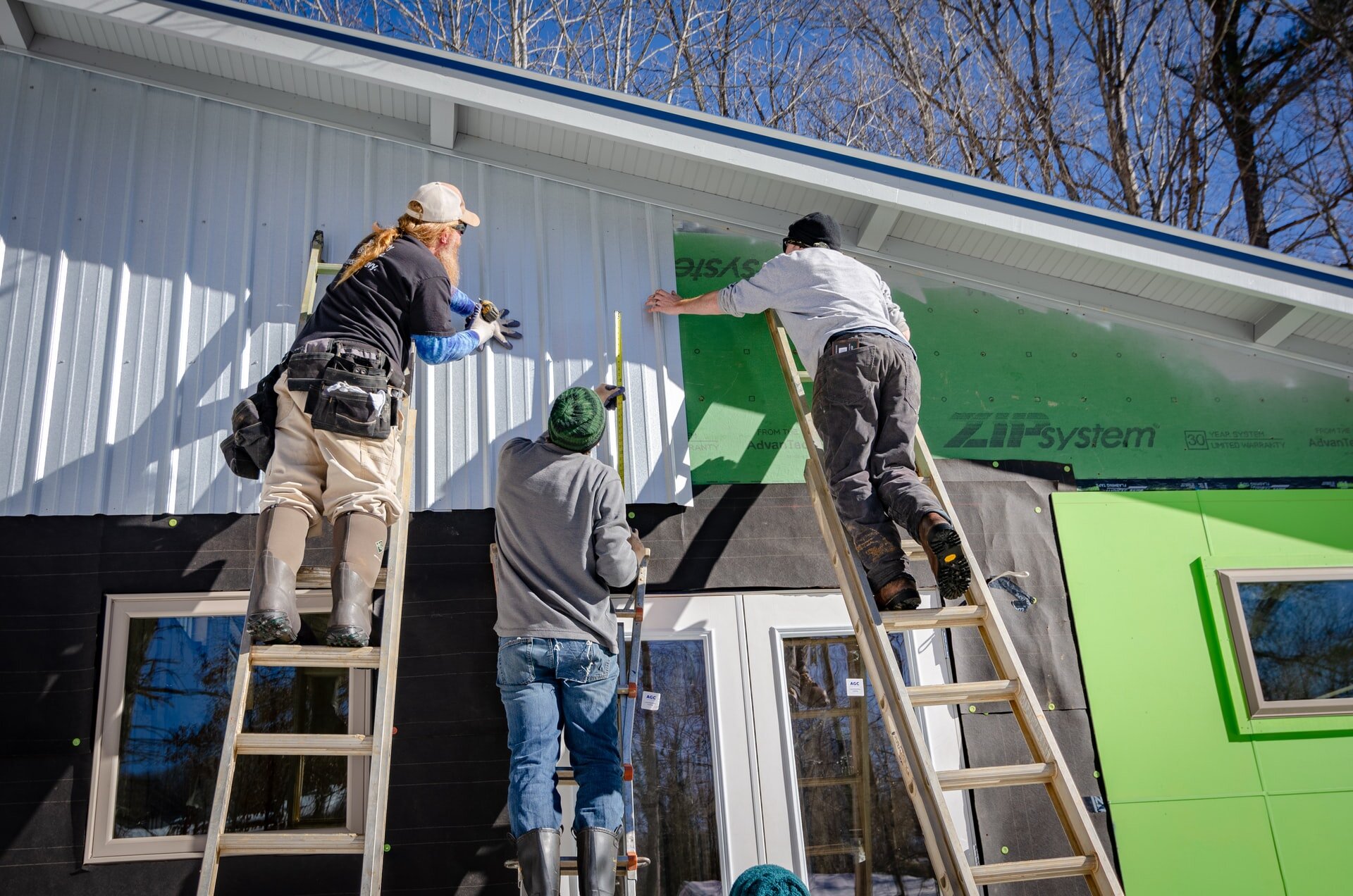
If you already have a dream house in mind, chances are that it’s based on a real place that you saw somewhere. There’s no better way to find your target construction company than to find out who built the place in question and reach out to them. According to experts behind Bounds Constructions, asking for examples of previous work is probably the best way to see if the company in question will be a good match.
Sure, some would say that the design is a task of an architect but here, you’re looking for someone capable enough to make this plan a reality. What you’re really admiring is not a 3D model or a sketch of a home but the home itself – a construction that someone actually built with their own hands. The first step in replicating this gargantuan success lies in finding out who exactly.
3. Insist on a contract
You need to insist on a contract and make sure that it is as detailed as possible. You need to set an end date and make your contractor accept it. If they see the due date as unfair, they can argue against it and if they manage to persuade you, you can move it further down the line. Bad weather and unexpected occurrences are not valid excuses. They need to be predicted and some room in the schedule left for them.
Approximately 1 in 10 people are conned by rogue builders. Now, the first indicator that a builder is not to be trusted is their reluctance to sign a legally binding contract. This doesn’t mean that the contract can somehow magically protect you from all sorts of shady activities. All that we’re trying to say is that their reluctance to sign (without arguing against a specific point) is never a good sign.
4. Talk about sub-contractors
One of the biggest problems with building a home is the fact that your home builders don’t provide an end-to-end service. What this means is that they’ll work with sub-contractors. Now, let’s say that you’ve vetted a construction company and are satisfied with the results. The fact still remains that you have no idea who else they’re working with.
One thing needs to be abundantly clear from the very start – they are responsible for the sub-contractors. Alternatively, you want to have the list of all the sub-contractors and you want to vet or approve them yourself. This is a much harder thing to pull off (from the logistical standpoint), therefore, it’s better to just make it your general contractor’s liability.
Sometimes, the sub-contractors will be the reason for delays. If you’re trying to wrap it all up or finish some vital works before winter, this becomes even more important.
5. Gut feeling

At the end of the day, it’s incredibly important that you don’t ignore your gut feeling. People are programmed to interpret other person’s stance and their non-verbal communication. So, if you have a bad feeling about someone, it might be best to talk to someone else. We’ve already mentioned that about 40% of people stay at home in order to supervise the crew. This is one of the reasons why. Sure, you can’t afford to be lulled in by false security just because you like someone but having that extra relief sure does help.
Also, if someone tries to confuse you by using too many technical terms or if they avoid giving you straight answers, chances are that they’re being dishonest. While you may not have much experience in dealing with contractors, you’ve probably encountered your fair share of dishonest specialists (plumbers, mechanics, electricians, etc.). The same rules apply.
In conclusion
The last thing you need to bear in mind is that hiring the right home builder might turn out to be one of the best or one of the worst decisions that you’ll ever make. With this much pressure on you, it’s paramount that you do your research and take as many factors as you can into consideration. Take your time, shop around a bit and only make a final decision when you’re 100% sure that it’s the right one.
Author Bio:
Gabriel Hill is an Australian blogger interested in various spheres from home improvement to health and management.

