

A resource for those seeking information on organizing and transforming spaces.
What to Watch for When Remodeling an Old House
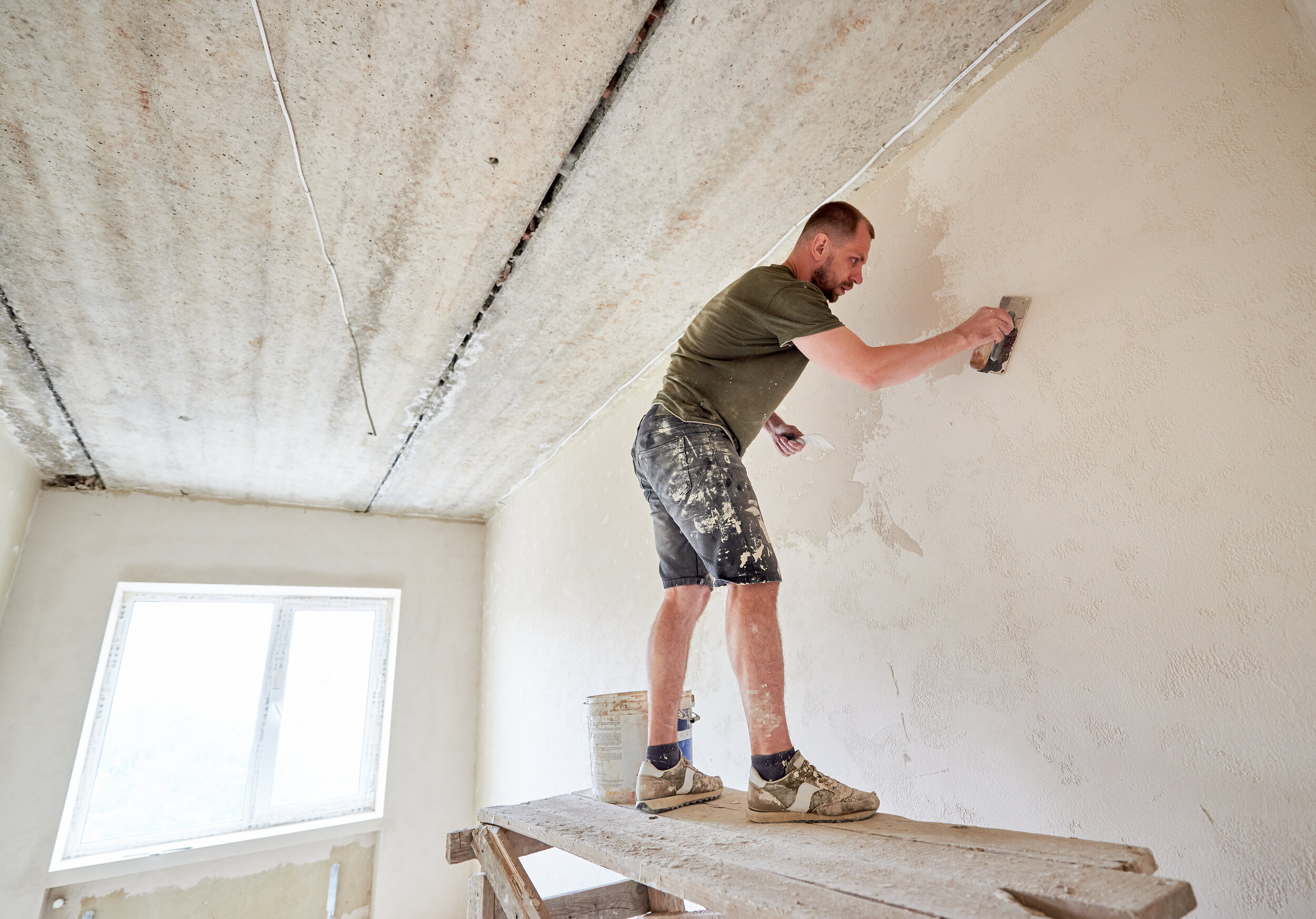
Remodeling an old house is a great way to add some modern touches to a piece of history, but that type of project can be dangerous in some situations. If you are planning on carrying out a major renovation on a home that is more than a few decades old, then there are some important things that you will need to keep an eye out for.
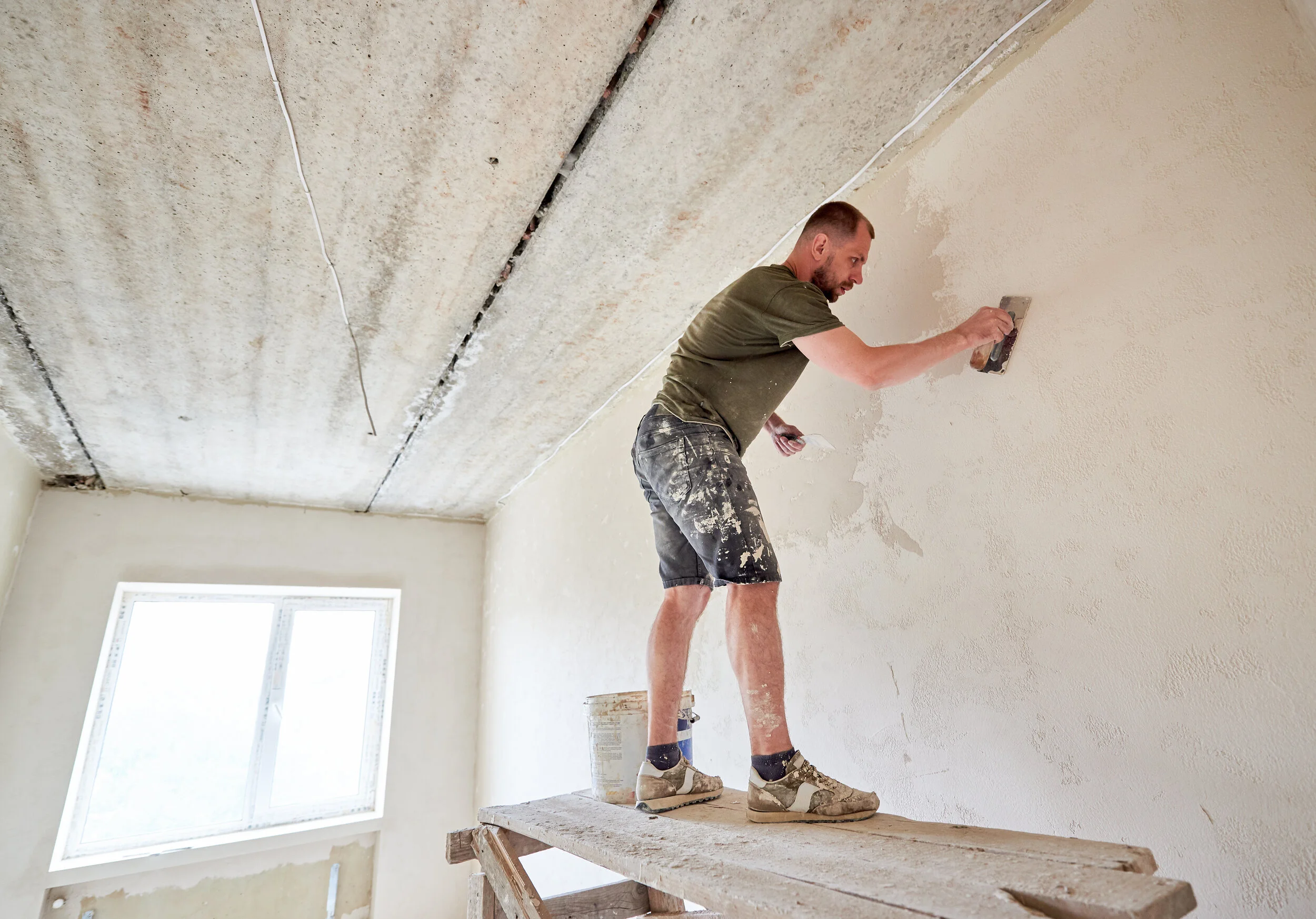
Remodeling an old house is a great way to add some modern touches to a piece of history, but that type of project can be dangerous in some situations. If you are planning on carrying out a major renovation on a home that is more than a few decades old, then there are some important things that you will need to keep an eye out for.
Asbestos
When it comes to remodeling an aging home, owners and contractors must always think about asbestos exposure. That toxin was used in many different building materials before the 1970s, and studies continue to reveal that it can cause a wide variety of health complications. Luckily, there are now many different companies that will test various materials throughout a home for any signs of asbestos or other similar compounds.
Lead
As a general rule, homeowners should assume that any home built before 1980 has some type of lead inside it unless a complete remodel has already taken place. Practically everyone is going to come into contact with a little bit of lead over the years, and those microscopic particles typically aren’t dangerous. That being said, remodeling a home with lead-based paint can be highly dangerous if you don’t have the proper tools and training.
Mold
It is an unfortunate fact that most homeowners will have to deal with at least a little bit of water damage over the years. When a plumbing leak isn’t addressed right away, it will most likely result in mold, mildew, and structural damage to a home. Those who find mold or any other signs of a leak during a remodel should immediately contact a company that specializes in water damage remediation.
Damaged Wiring
Modern residential electrical systems are designed to be as safe and durable as possible, but those wires and outlets will eventually need to be replaced. Some of the most common signs of an aging electrical system include flickering lights, outlets that are hot to the touch, and breakers that are constantly tripping. If you are already planning on an extensive renovation and your electrical system is more than a few decades old, then you might want to consider replacing it.
While basic cosmetic projects can usually be handled by homeowners, completely remodeling an older home will most likely require at least a few professional contractors. Experienced contractors will be able to help you tackle any potentially dangerous issues that you run into so that you can keep your loved ones safe.

How to Make Sure Your Home Is Ready for Cooler Fall Weather
As the temperature starts to drop, many homeowners are preparing to turn on their air conditioners for the first time. If you're one of these people, we want you to be prepared before it gets too cold. Here are some tips and tricks to help your home stay comfortable during those cooler fall days.

As the temperature starts to drop, many homeowners are preparing to turn on their air conditioners for the first time. If you're one of these people, we want you to be prepared before it gets too cold. Here are some tips and tricks to help your home stay comfortable during those cooler fall days.
Furnace Repair
Furnaces are great for keeping the home warm during winter, but they can also make it too hot in the fall if you don't take some precautions. One of these is checking and replacing your filter regularly so that air circulating through the house isn't warmed up by passing over a dirty or clogged filter. In addition to making sure your filter is clean, you may want to invest in a programmable thermostat. This will help save money and prevent overcooling the house while you're away or sleeping during the day. If you notice other issues with your furnace that you aren’t able to repair yourself, contact a furnace repair company.
Keep the Shades Closed
Along with checking your filter, you might also want to keep curtains and blinds drawn during the day. This will help maintain a more consistent temperature throughout the house, which may be important for rooms like kitchens where sunlight can cause heat gain.
Stay Comfortable With Layers
Many people will start wearing jackets and sweaters as the temperatures drop, but it can be hard to dress for comfort indoors. If you want some relief from heat or coolness, try layering clothes that are made out of different materials, such as cotton/wool blend or a cotton t-shirt under a sweater. Also, using space heaters to maintain a consistent temperature in certain rooms may be necessary, so make sure you keep them away from flammable items and consider installing smoke alarms.
Check Your Windows for Drafts
If you want to keep cool, don't forget about the windows. If any areas of your house feel drafty or cold, make sure these spots aren't near a window. You might also consider installing storm panels if they haven't already been installed on older houses. Storm panels will help block out cold air while still maintaining a clear view out the window.
The steps we outlined above may seem like a lot of work, but they'll help keep your home comfortable as the temperatures change and will make those cooler fall days feel just right.

Eco-Friendly Home Upgrades for Any Budget
Taking on eco-friendly home projects can be intimidating, but you have choices at every budget. It’s important to consider sustainable options because they will have long term positive impacts on your quality of life.
Even if you’re not sold on their eco-friendly characteristics, a lot of sustainable options save you money and are more convenient than their traditional counterparts.
Taking on eco-friendly home projects can be intimidating, but you have choices at every budget. It’s important to consider sustainable options because they will have long term positive impacts on your quality of life.
Even if you’re not sold on their eco-friendly characteristics, a lot of sustainable options save you money and are more convenient than their traditional counterparts.
Start Small
The little changes in your daily habits add up, so start small in your eco-friendly upgrade journey.
Smart plugs are a cost-effective way to decrease your family’s energy use. They can be controlled from your phone so you know exactly which appliances you left on when you’re already out the door.
Another easy swap that you can make is to switch to a water-saving shower head. This reduces your water use without even thinking about it! A bonus to this switch is that you get to reduce both your water and energy use because heating water takes a significant amount of energy.
Invest in Your Future
If you’re looking to make a bigger difference with your home upgrades, consider switching to an alternative power source. Installing solar panels or a at-home wind turbine takes a bigger investment up front, but both these options add value to your home and significantly reduce your power bills.
Another investment is installing a smart sprinkler system to reduce your water usage. This gives you easier control over your sprinklers and means that you don’t need to sacrifice your garden for the sake of reducing your water bill.
Still not sold? Keep reading the infographic below for more eco-friendly home upgrades that will save you money at any budget.

Essential Home Office Design Elements for Productivity and Comfort
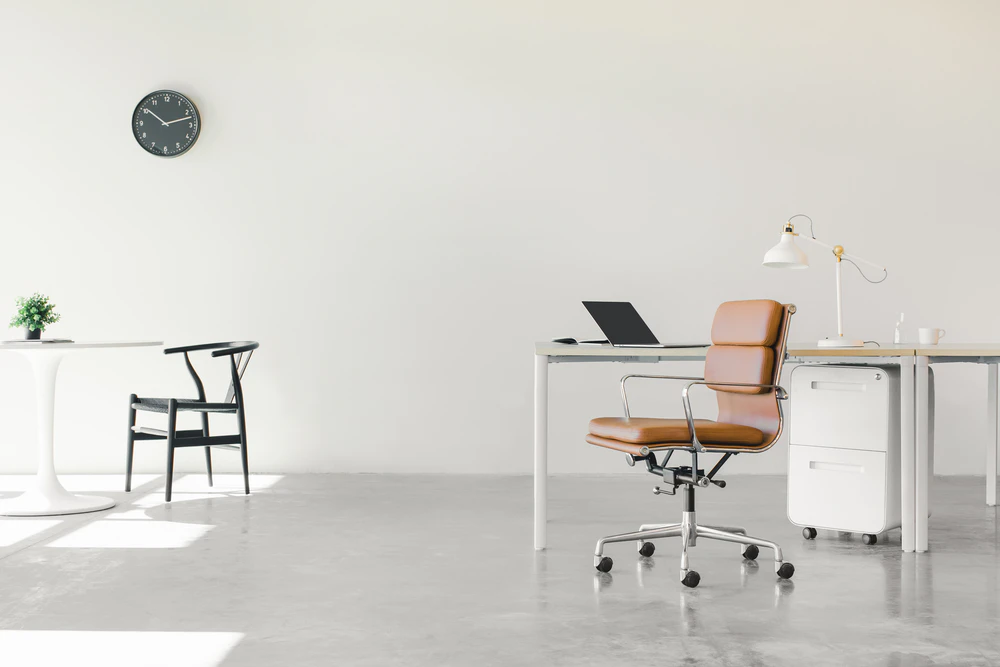
For the last year and a half, many of us have been forced to work from makeshift home offices (read our beds or even closets) but since the situation is not getting better, people have started to think about creating something more permanent and stylish. If you also need a proper home office, here are a few essential design elements you have to consider if you want to constantly deliver great work:

For the last year and a half, many of us have been forced to work from makeshift home offices (read our beds or even closets) but since the situation is not getting better, people have started to think about creating something more permanent and stylish. If you also need a proper home office, here are a few essential design elements you have to consider if you want to constantly deliver great work:
A good desk and chair
It’s truly essential to have a good desk and chair in your home office because you will spend hours at a time at and on them. When choosing your desk, opt for something wide and deep enough to accommodate your computer and important papers (at least 120x50cm). If you only need your laptop for work, you can get away with less, but ensure you’re surrounded by plenty of shelving. Your chair should be adjustable and comfortable. Give it a try at the store and consider the hand rests (it’s important they are adjustable too so you can tuck your chair away when you’re not using it).
Storage and shelves
Storage is placed very high on this list and for a good reason. Clutter is a destroyer of productivity and creator of stress—guess which one you need at your home office. Shelving, filing cabinets and storage cupboards will boost your workflow and allow you to control what comes in, stays in and where does it go after you’re finished using it. Your current work should be placed near (in your inbox) but the rest should be filed neatly away from your desk. In case you need to use reference materials like catalogs, manuals and other documents, a shelf next to your desk is a great place for those.
Decoration
The best thing about working from home is that you can be in control of your aesthetics and choose how your office will look and feel. You can either match your office to your home design or go a completely different route to create a more obvious divide between your professional and private life. Add a few pieces that inspire you and provide you with positive feelings. Greenery and flowers are always a great route, but if you don’t want to take care of plants, you can reach for a beautiful everlasting rose in a crystal dome that requires zero maintenance. Place it on your desk or as a backdrop to your Zoom calls—it will impress both you and everyone who sees it.
Lighting
If you want to improve health and productivity, you need good lighting. Bad lighting will not only ruin your focus but also result in eye strain, headaches and sitting in uncomfortable positions. Don’t just rely on lighting you already have or, even worse, use your computer screen for lighting. Proper task lighting is affordable and makes you look great on Zoom calls, yet it allows you to move your light source and manage its intensity.
Technology
Wires hanging out and electronics scattered all over your home office will make your space feel and look very cluttered. Luckily, it’s easy to hide your cords and rein your technology in with a few simple solutions. For instance, you can invest in wireless tech that will half your amount of wires (wireless routers, printers, mouse and keyboard). Next, add a grommet to your desk to neatly lead the wires away from your workspace and underneath your desk, and employ a simple cord tamer to gather anything that’s left loose.
A seating place
No matter if you see clients, have many Zoom calls or often host your curious kids in your office, you will benefit from a small meeting area or some additional seating in your home office. All you need are two chairs, a small table and some comfy lighting.
Safety features
Office safety is very important, especially when it comes to your confidential information like hard drive backups, financial records and tax information. When you’re working from home, you have to protect them yourself. Also, while fires and floods are not common, they happen. You can protect your important documents with a strongbox that will keep all your possessions safe from burglars, fires and floods.
A home office with these aforementioned elements will be a joy to work in. You will not only enjoy your time there but also impress every client and employee with your professionalism and dedication.

